Even the folks who put all this into action probably couldn’t have envisioned just how well things would turn out.
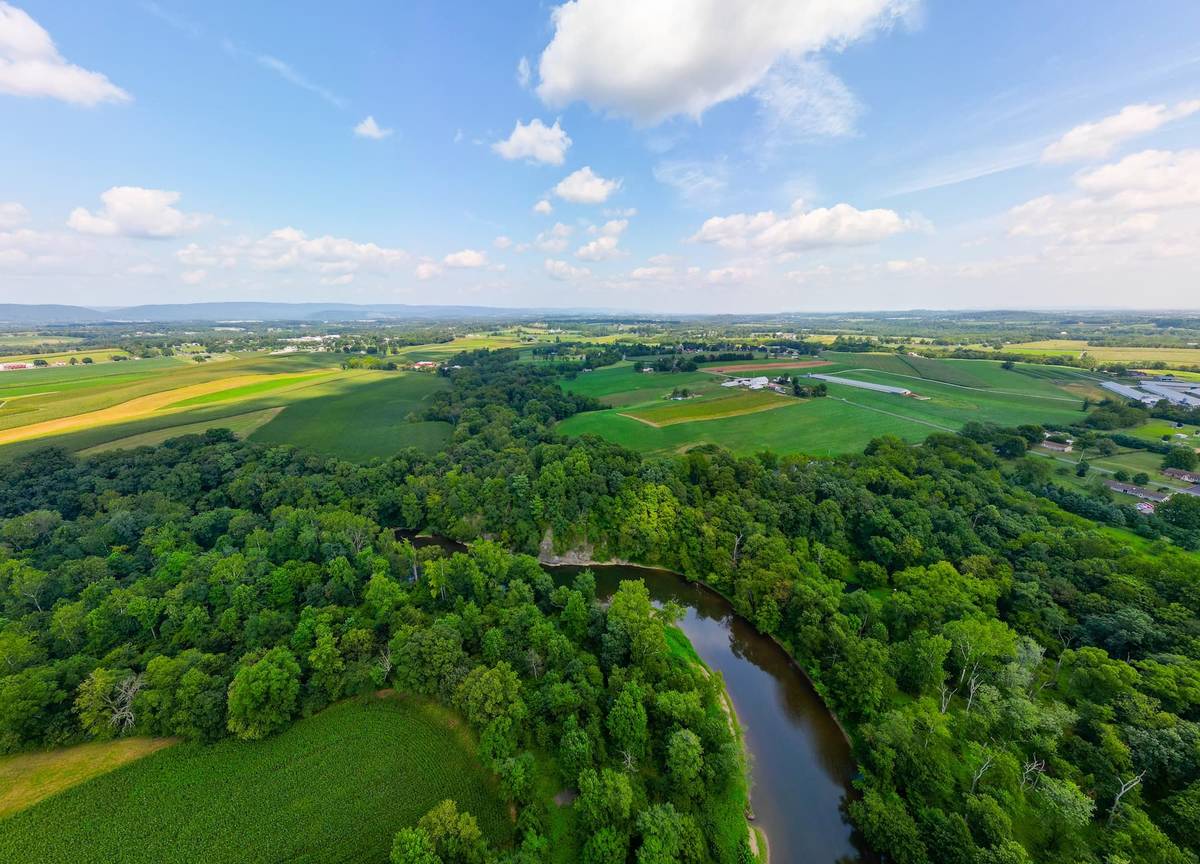
Stoever’s Dam was built in the 1820s to supply water to the Union Canal. The canal didn’t last long at all, though: economics, unpredictable and often uncooperative weather, and ultimately railroads did it in, in short order. So the Eastern Real Estate Co. and later still Bethlehem Steel took possession of it and the surrounding land.
In time, however, Lebanon city acquired the property and dedicated what is now Stoever’s Dam Park in 1973.
Making its 23.5-acre lake a local fishing destination was one immediate goal. So for two years – 1974 and 1975, to be exact – the Pennsylvania Fish and Boat Commission stocked largemouth bass in Stoever’s Dam. The first year’s planting was a mix of adults, months-old fingerlings, and newborn fry; the second year’s consisted of fingerlings.
The goal: jumpstart a fishery.
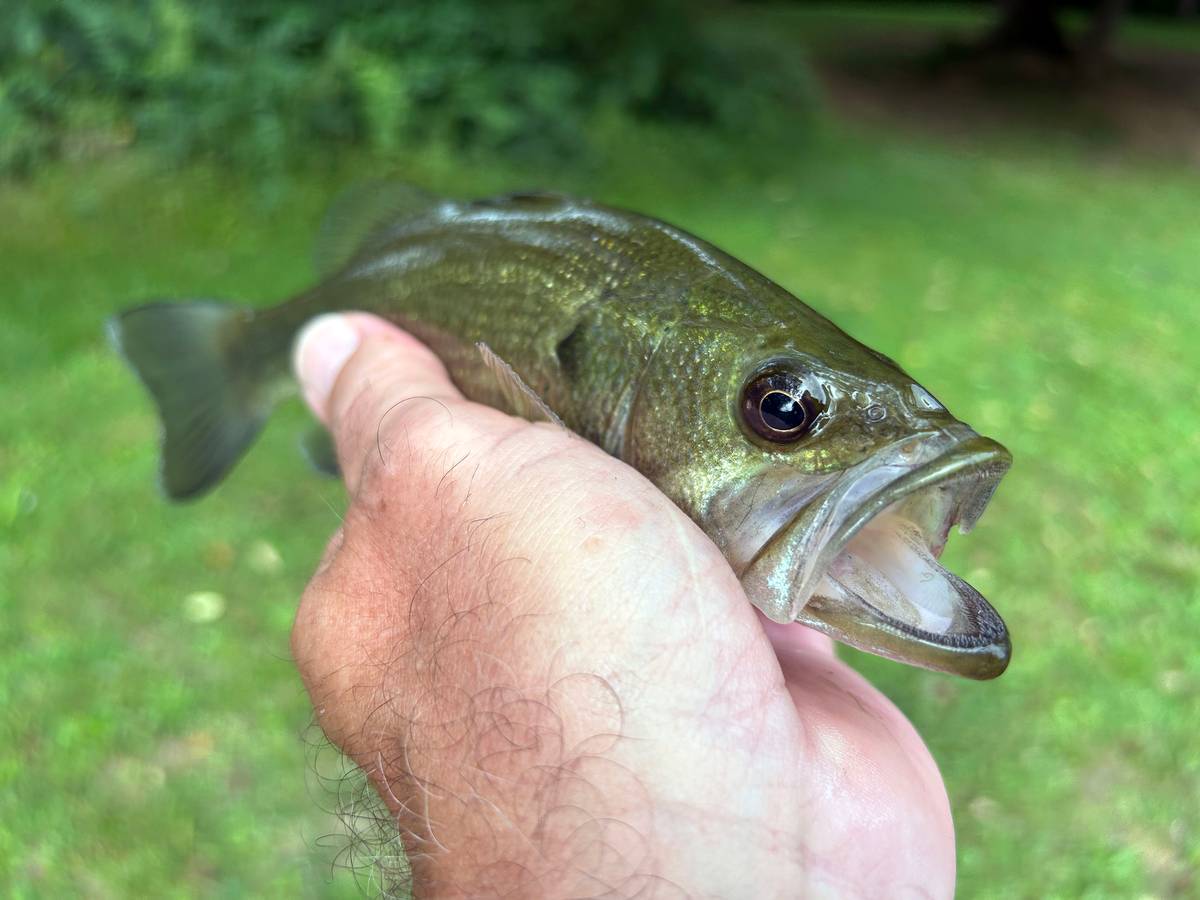
Mission accomplished. Stoever’s Dam is absolutely loaded with largemouth bass, almost to the point of having too many.
When Fish and Boat Commission biologists last surveyed the lake in 2024, they collected, measured, and released 295 bass per hour of sampling, which is “extremely high,” said now-retired fisheries biologist Bryan Chikotas, who led the work.
To put that in perspective, the average number of bass caught on most lakes in southeastern and south-central Pennsylvania is between 50 and 60 per hour, according to commission statistics.

Stoever’s high number of fish is a product of the lake’s productivity. It’s very fertile, Chikotas said.
But that’s also a bit of a problem. Relatively shallow with a lot of aquatic plants, it produces so many fish that many species – including Stoever’s largemouth bass – appear stunted.
“There are not a lot of bass over say 12 inches,” Chikotas added. “But there are a lot of fish under 12 inches. The majority were over 8 inches, but they were less than 12.”
That’s not to say there are no heftier largemouths in the lake. There are some trophy-class fish. Biologists measured and returned to the water fish longer than 12 and 15 inches, two other benchmarks the commission tracks. There were even a few between 18 and 20, Chikotas said. They were just few and far between.
“But if you just like catching lots of fish, lots of bass, that’s your lake,” Chikotas said.
In the meantime, the Fish and Boat Commission has stocked channel catfish yearlings in Stoever’s Dam. That effort began in 2023 and has been ongoing annually ever since. That could pay two dividends.
First, the catfish themselves could become a fishery for anglers to target, one that picks up in late summer when springtime trout fishing – something else Stoever’s is known for – is long over. If the stockings do what they’re hoped to do, Chikotas said anglers could start seeing some of those channel cats in catchable sizes yet this year, or next at the latest.
Second, though, channel cats are predators; they eat other fish. Chikotas said they’ll never become so abundant as to decimate other fish populations in Stoever’s Dam, but they might prey on enough bass and panfish to allow those populations to get better and healthier, with maybe slightly fewer fish but a wider array of fish of various ages and sizes.
That’s needed with Stoever’s Dam’s panfish even more so than with its bass.
The lake holds an abundance of bluegills and pumpkinseeds, along with a few black and white crappies. But the survey work showed the bluegills and pumpkinseeds in particular tend to be on the little side. Few reached 6 to 8 inches, the commission’s standard for a “quality” fish of either kind.
Again, Chikotas added, they can provide anglers with consistent action, but there are few of note.
“Hopefully the presence of the channel cats might lead to a more quality panfish fishery,” he noted.
There are some black crappies in the lake, and some, if fewer, white crappies, too, along with good numbers of brown and yellow bullhead catfish. Some of each reach respectable sizes, Chikotas said.
And Stoever’s is about to get more trout, too. The Fish and Boat Commission plans to stock it with rainbow trout on Nov. 5, to give anglers interested in getting out in fall – or even in winter – something to catch. Another stocking will follow in February, if past practice holds.
Add it all up and, between the bass, catfish, panfish, and trout, Stoever’s Dam holds a lot of fish – and a lot of potential – for a waterway not originally intended to provide recreation.
“We kind of look at it as an urban pond, given its location, and it certainly gets a lot of use,” Chikotas said. “So it’s popular and a good place to go if you like catching fish.”
Questions about this story? Suggestions for a future LebTown article? Reach our newsroom using this contact form and we’ll do our best to get back to you.
Support Lebanon County journalism.
Cancel anytime.
Monthly Subscription
🌟 Annual Subscription
- Still no paywall!
- Fewer ads
- Exclusive events and emails
- All monthly benefits
- Most popular option
- Make a bigger impact
Already a member? Log in here to hide these messages
Trustworthy local news is built on facts. As Lebanon County’s independent news source, LebTown is committed to providing timely, accurate, fact-based coverage that matters to you. Support our mission with a monthly or annual membership, or make a one-time contribution. Cancel anytime.