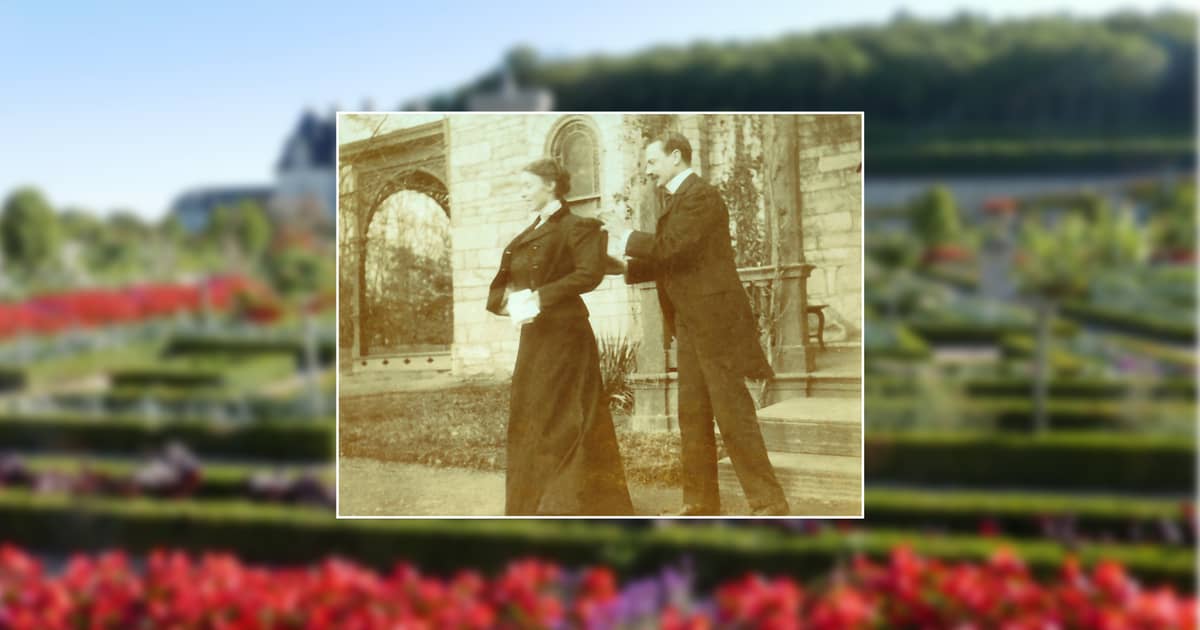

150 miles from Paris. 3,700 miles from Lebanon. The Coleman legacy spans the globe.
The Château de Villandry predates the rise of the Coleman family, but its gardens – regularly ranked among the top in France – and its current world renown were the product of a family wedded right here in Lebanon but with a place on the international stage.
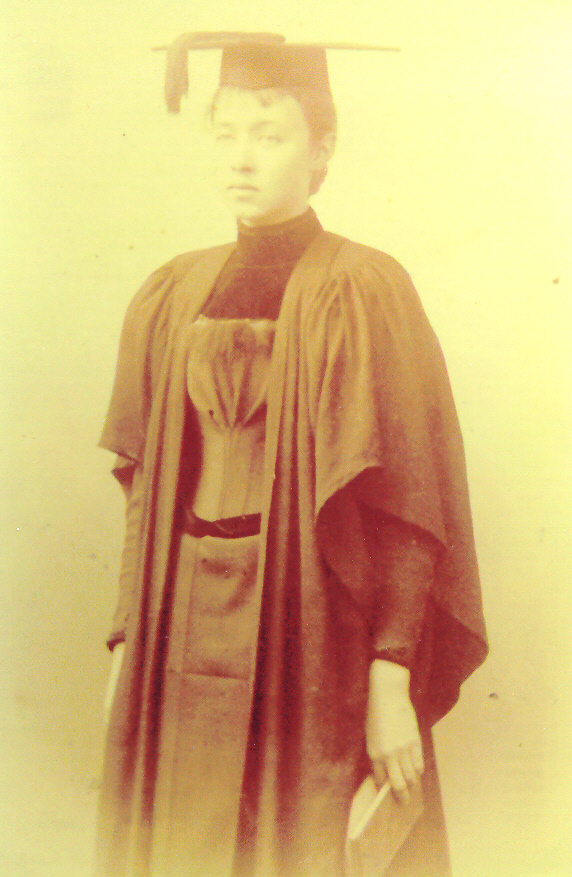
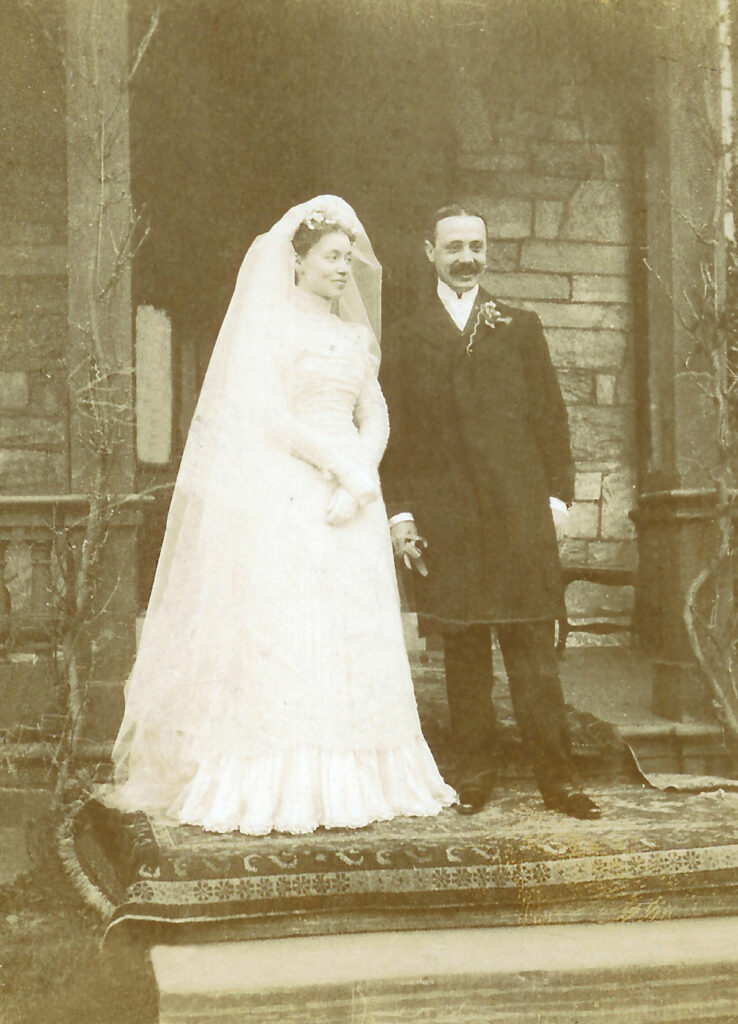
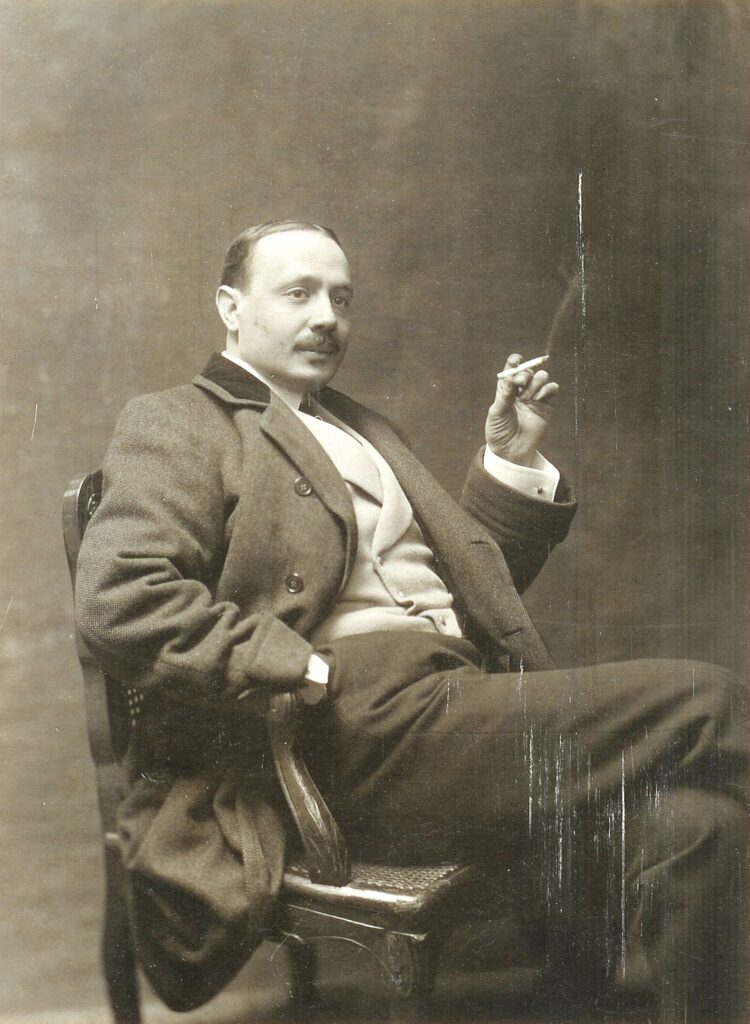
The marriage of Joachim Carvallo and Ann Coleman took place Dec. 18, 1899, in the mansion built by Ann Coleman’s late father, George Dawson Coleman. Ann, a 24-year-old graduate of Bryn Mawr College, had met 30-year-old Joachim, a brilliant Spanish-born doctor, while studying medicine in France. The soon-to-be proprietors of Villandry, Ann and Joachim crossed paths as researchers in the lab of Charles Richet, future Nobel Prize winner.
Villandry – its ancient form the castle Colombiers, built at the confluence of the Loire and Cher rivers, a region of good land, good forests, and good gardens. It became Villandry in 1639, nearly a century after its transformation into a modern, Renaissance-style châteaux under the ownership of Jean Le Breton, France’s Controller-General for War under King Francis I. (See here for a video which shows the evolution of Villandry from the Middle Ages to the Renaissance.)
Ann and Joachim’s romance overcame the obstacles of their hugely different backgrounds.
Joachim, a scholarship student from a Spanish town not far from the Portuguese border, his parents millers, both gone by the time he met Ann. As for her – the American heiress, ambitious and intelligent, French the language she shared with her future husband.
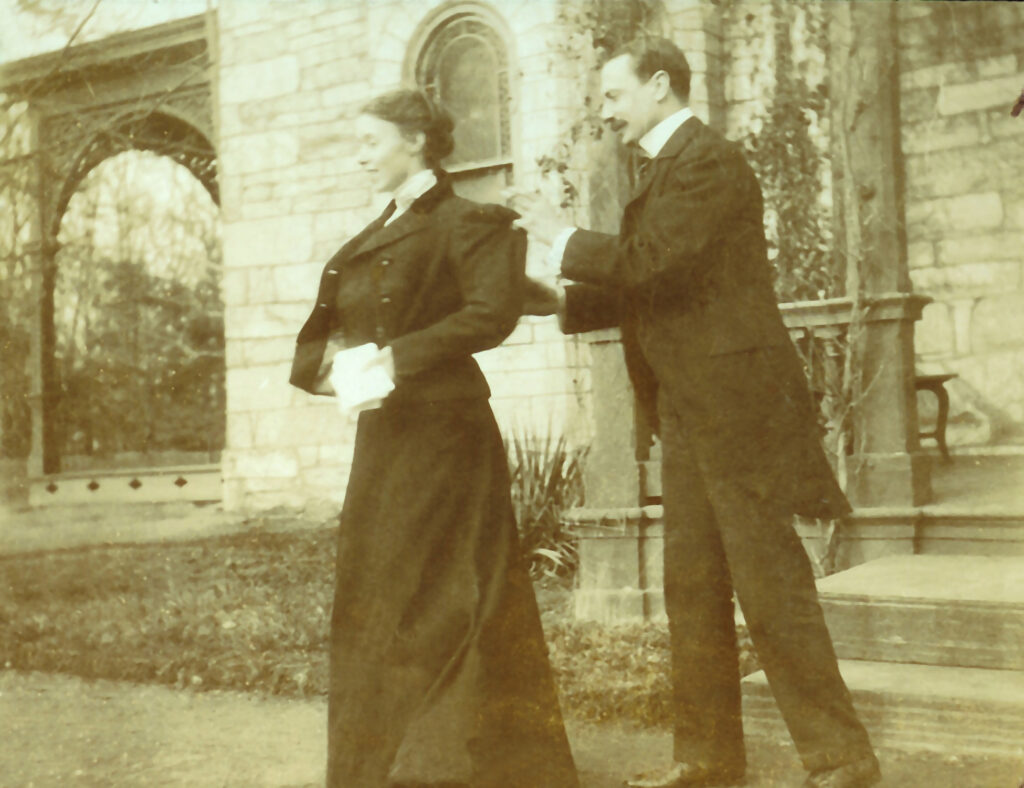
Henri Carvallo, great-great-grandson of Joachim and current owner of Villandry, said Ann wasn’t too interested in marriage at first, their worlds too different, and a transatlantic “will they or won’t they” followed.
Then, a wedding in Lebanon unlike most every other. Newspaper accounts shed light on the nuptials. Jewels presented as wedding gifts. A groom coached to make the proper ceremony responses in English. An elegant breakfast laid by caterer and staff brought from Philadelphia.
A special train was boarded afterwards at Mount Lebanon (today’s Coleman Memorial Park). It took the belt line connecting the Cornwall & Lebanon and Pennsylvania & Reading railroads before switching to the Cornwall & Lebanon line, which it took direct to Conewago. There, the newlyweds met an express train to Philadelphia and then on to New York before sailing for Paris.
Their furniture was shipped to Paris ahead of the couple; their guests lingered behind, a sumptuous ball was held at Mount Lebanon the night of the wedding after their departure.
Back in Paris, soon Ann was pregnant. Joachim continued his work on the physiology of digestion under Professor Richet. A collection of Spanish artwork began growing; so did their family, totaling five by 1904. The Carvallos needed more space, and ended up in the ultimate fixer-upper.
For 120,000 francs, the couple took possession of Villandry in December 1906. It would become their life’s work. Such a purchase would not have been possible on Carvallo’s salary alone.
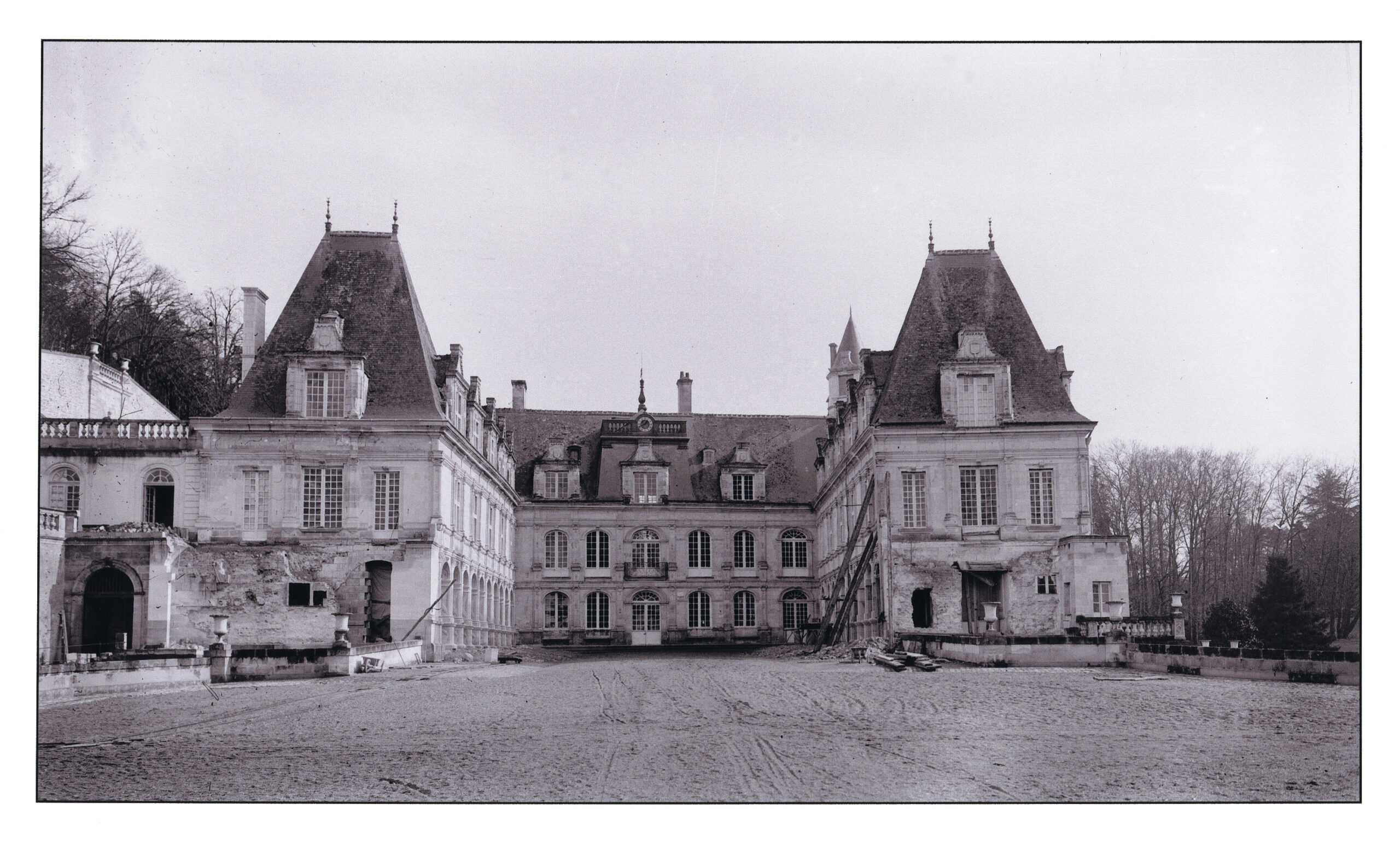
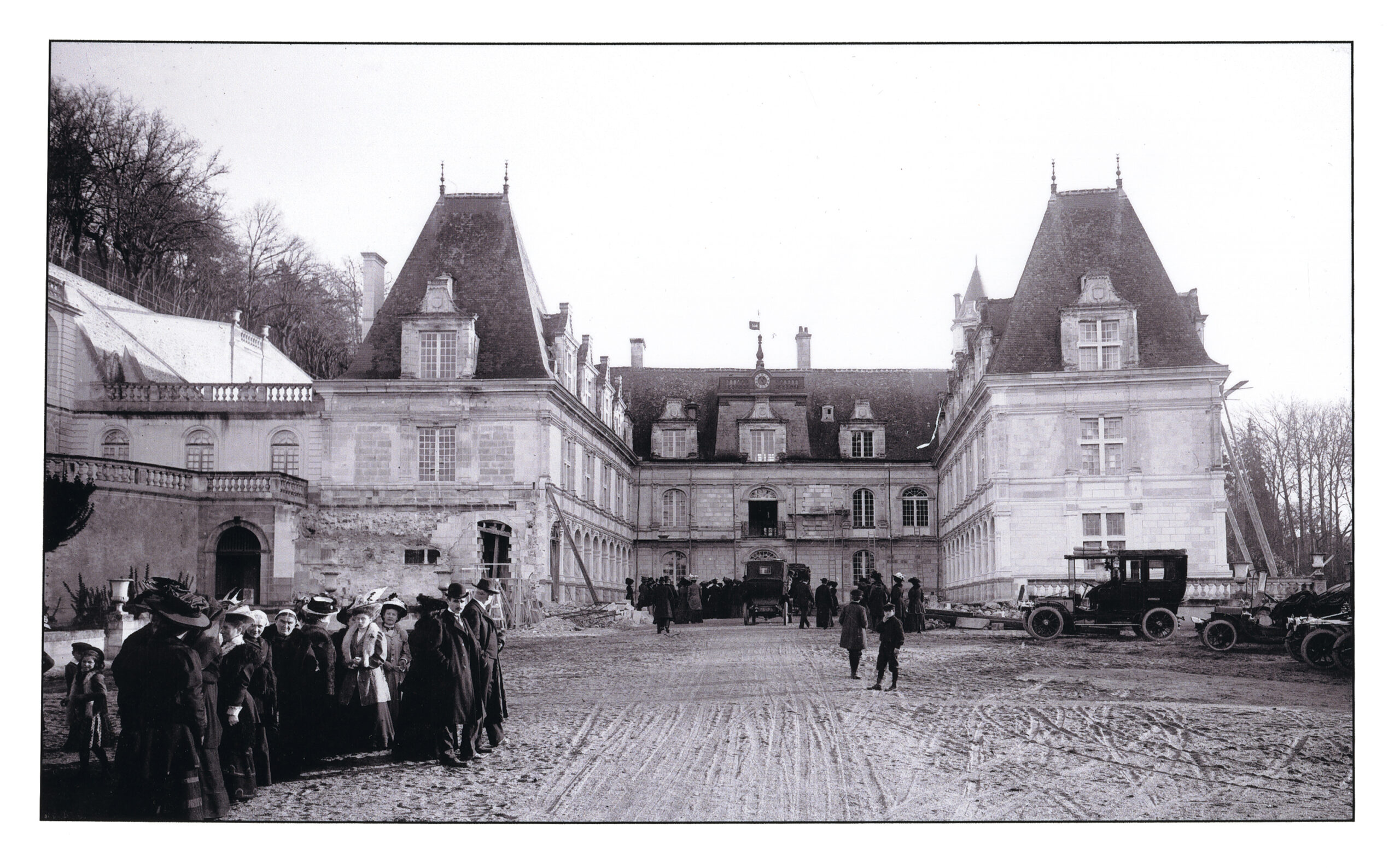
The soul of the Renaissance châteaux had been lost in neoclassical renovations carried out in the 18th century, but the couple saw the character waiting to be revealed again – and a gallery that could house their art collection.
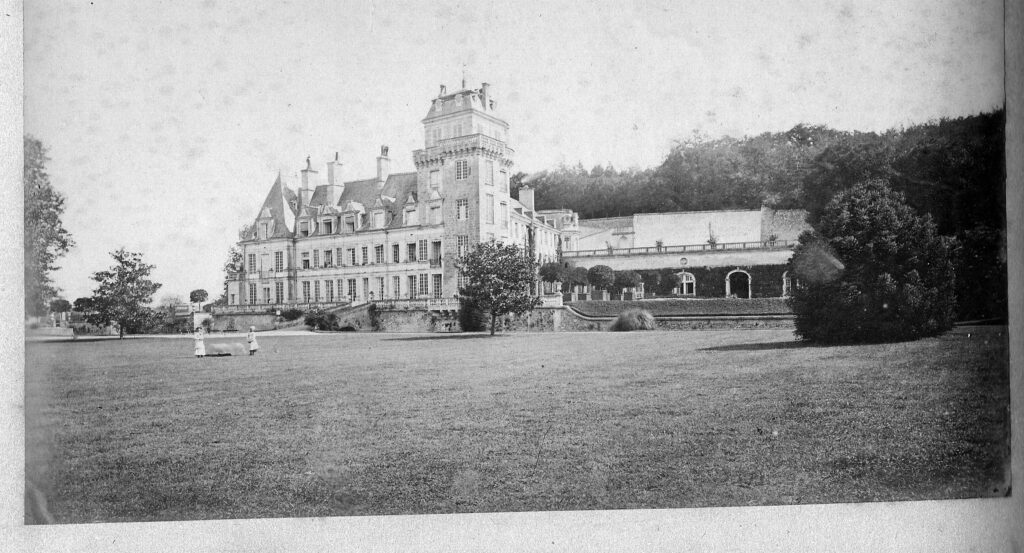
“When I came into possession of this estate, I understood the importance of the work that had to be undertaken and the need to follow a serious method to carry this work out successfully,” Joachim Carvallo wrote in his memoirs.
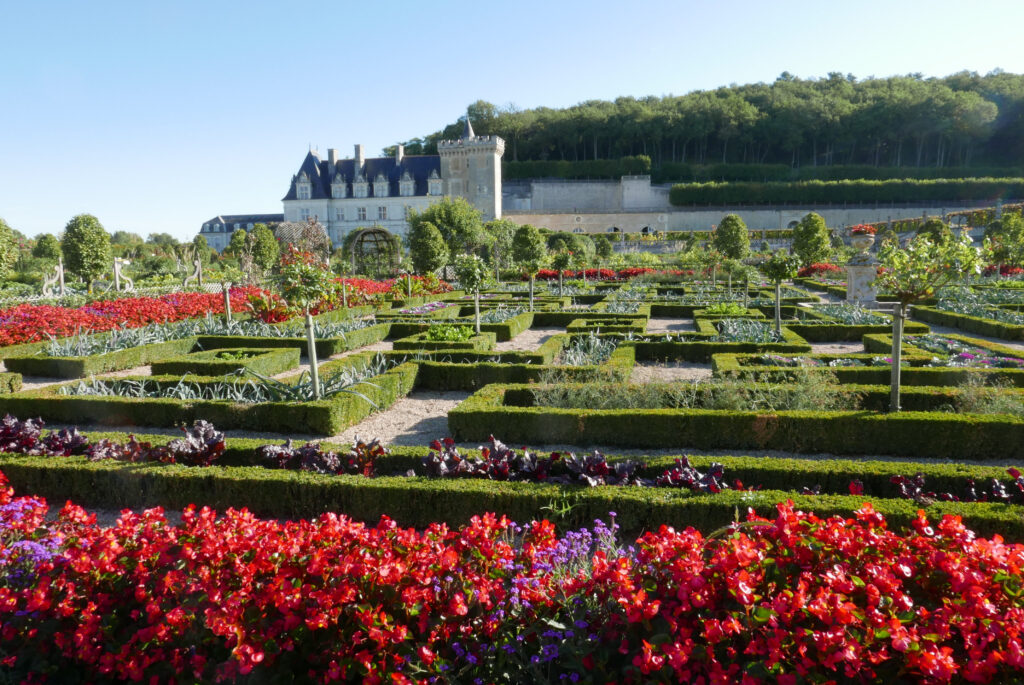
First, they restored the castle, removing false windows and arches, and restoring the facades. Then they turned focus to the gardens, undoing the English-style garden that had been installed, and reimagining them in the Renaissance style. The first three gardens were opened to the public in 1920.
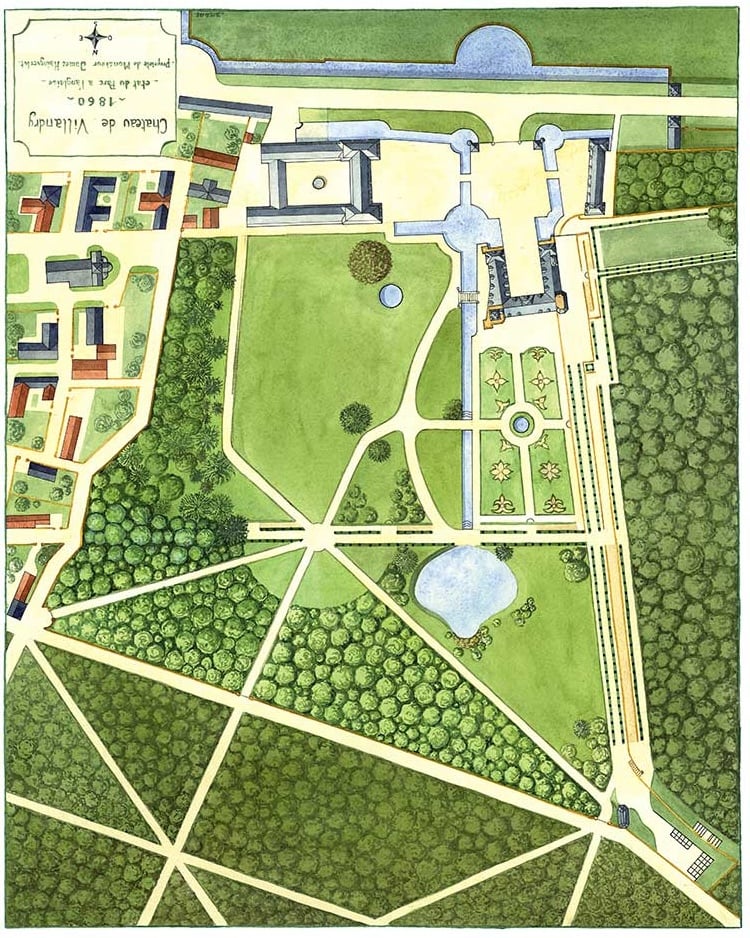

Today, six gardens make up the estate, surrounded by a wood. The first three gardens were the Decorative Vegetable Garden, the Ornamental Rooms, and the Water Garden. Later, they were joined by the Herb Garden, the Maze, and the Sun Garden. Villandry employs 10 full-time gardeners; 32 miles of hedges run through the manicured grounds.
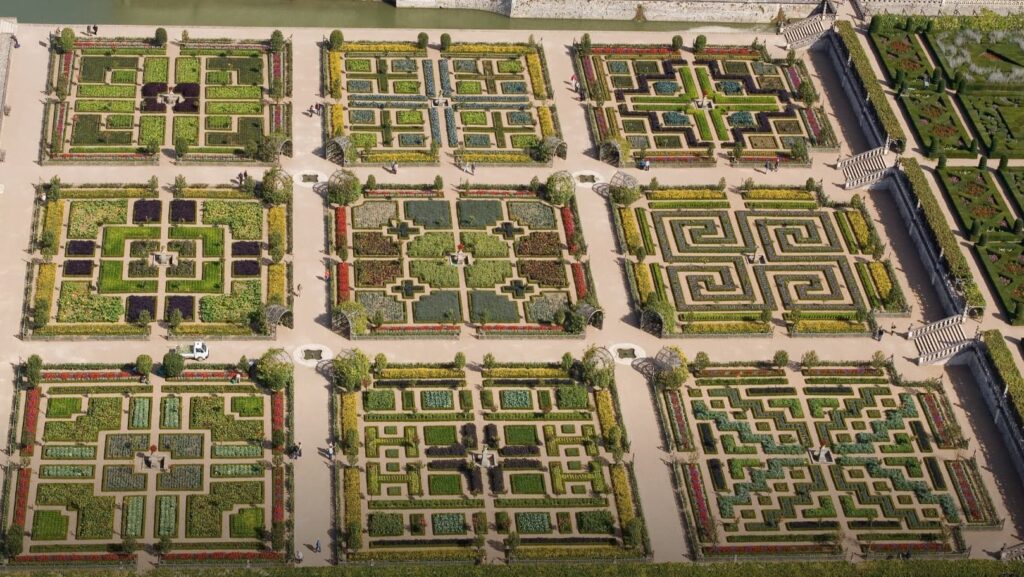
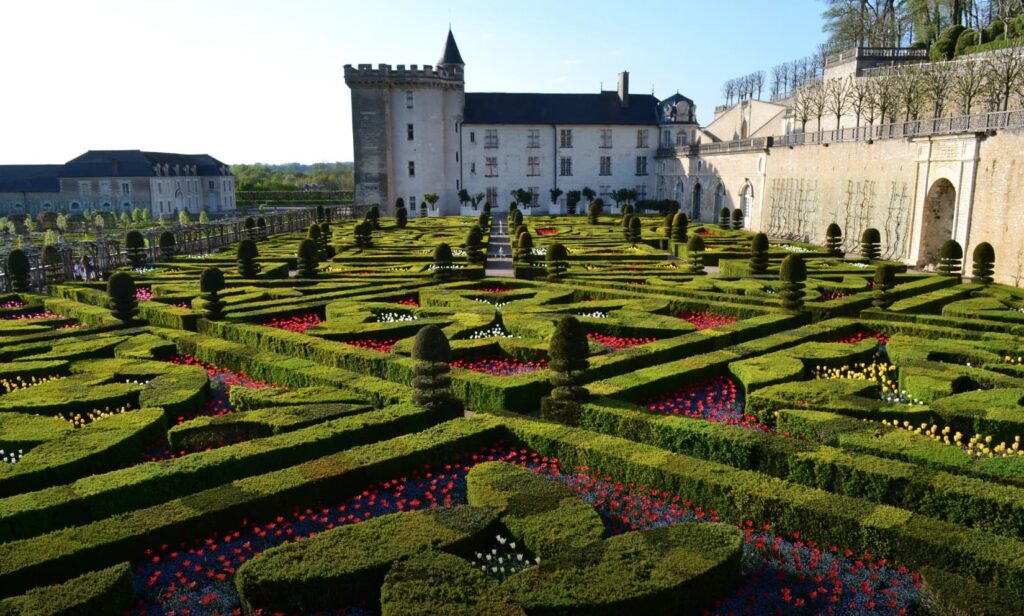
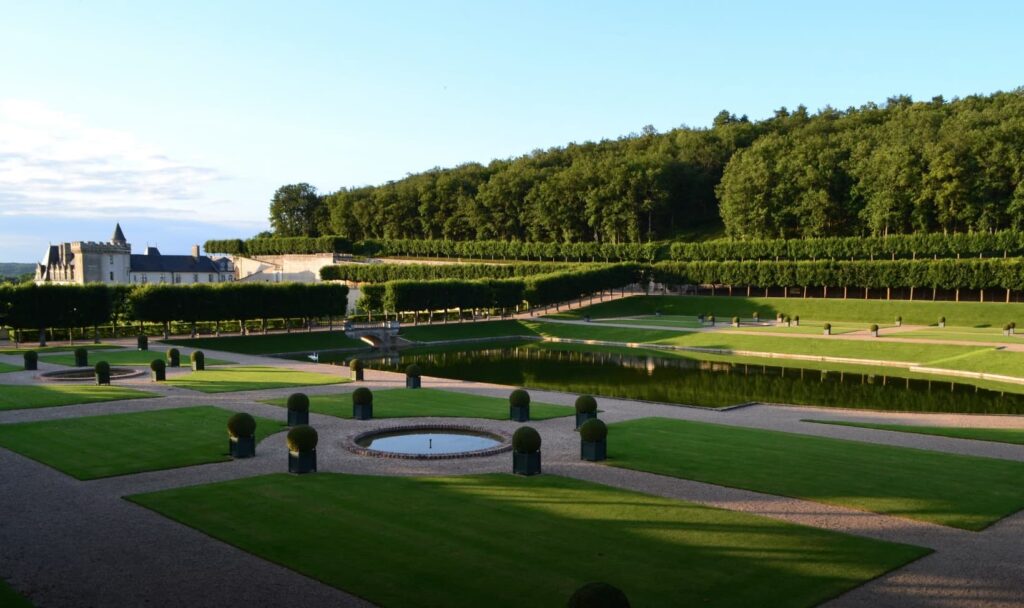
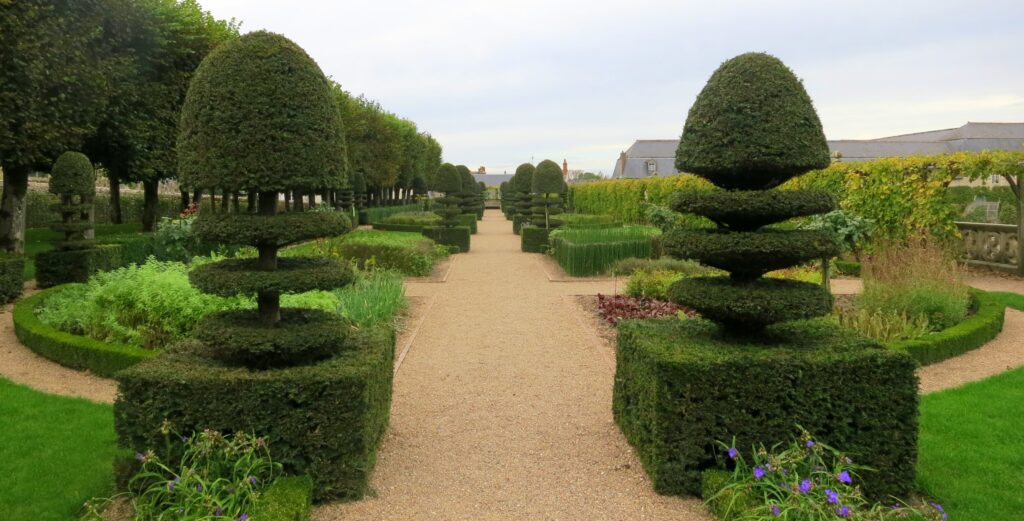
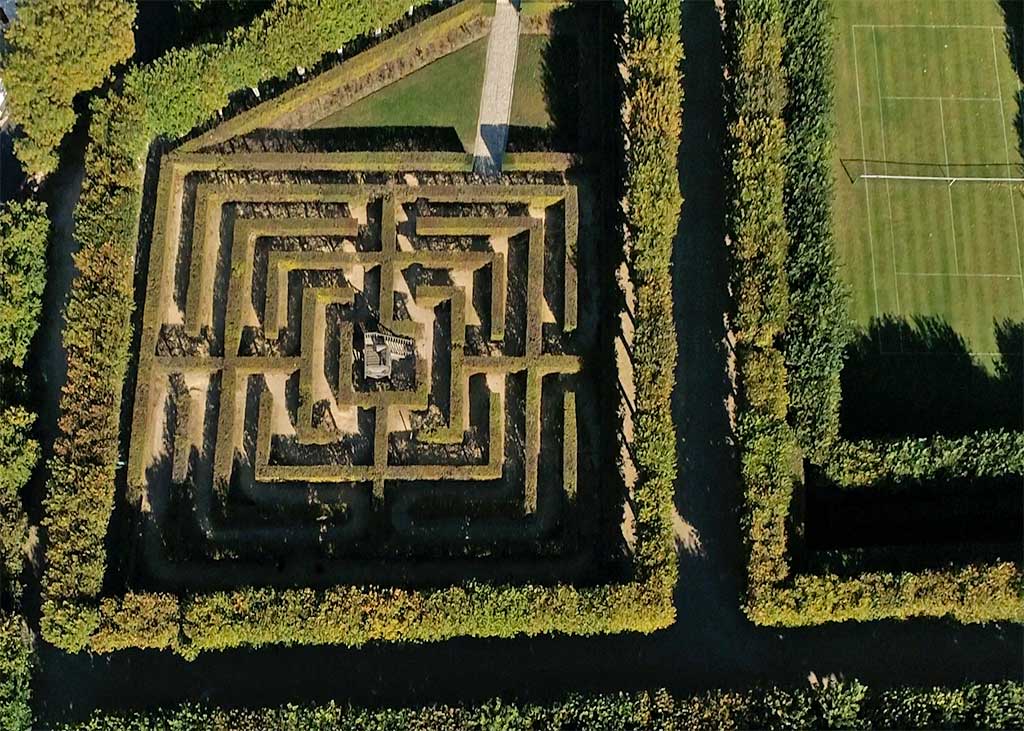
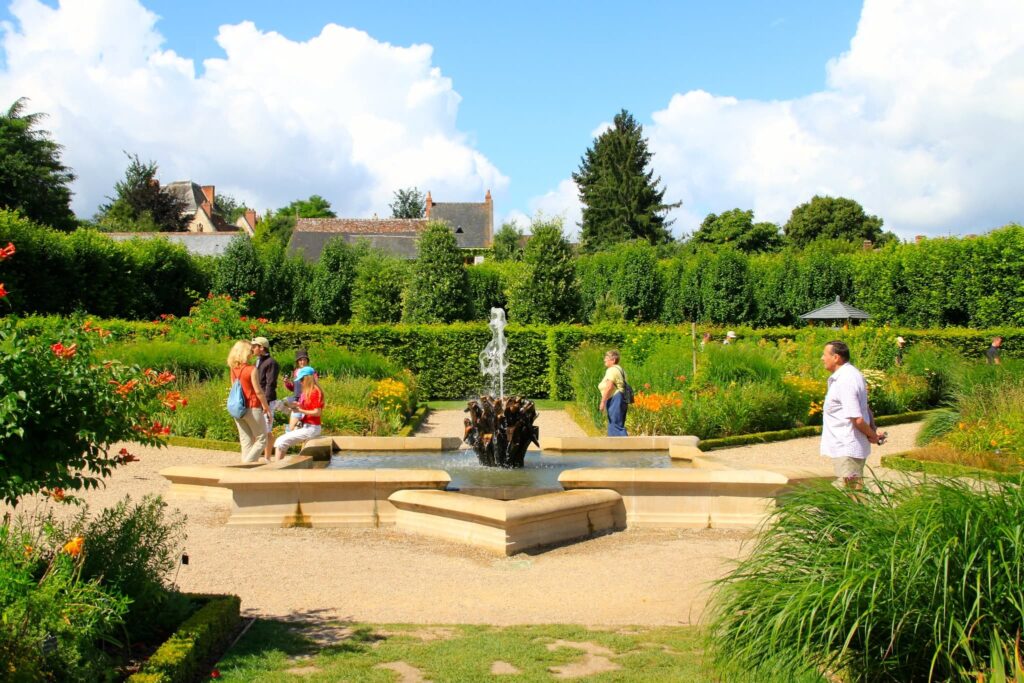
“The recreation of the gardens took more time, money, and energy,” said Henri, the third-generation steward of Villandry who took over its management in 1993.
The family, he said, has worked hard over the last 100 years on perpetuating the garden, a much more complicated enterprise than managing the châteaux. Ann supported Joachim and allowed his inventive spirit to revitalize Villandry and make it part of the Coleman legacy. Whether compared to the stately Lebanon area homes of the greater Coleman family – Homestead, Buckingham mansion and its gardens, Alden Villa, Cornwall Hall – or those farther afield, such as Ann Coleman Rogers’ Crumwold Hall in Hyde Park, Villandry outclassed them all.
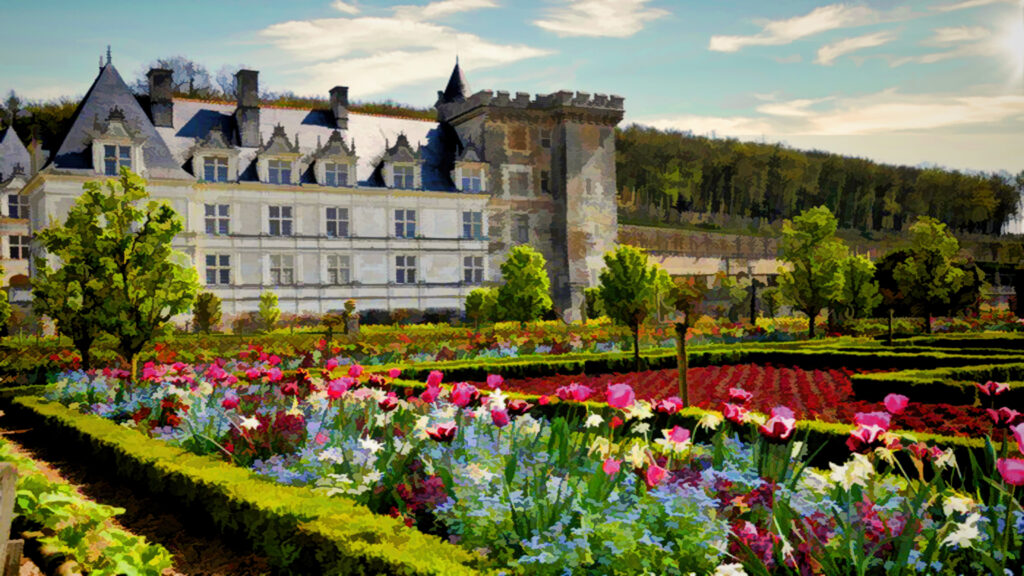
A fourth-generation Carvallo descendant is poised to take the reins sometime in the future; one of Henri’s five children can be expected to assume management of the enterprise after creating their own experiences in the world. “It has always been a family management,” said Carvallo. “It will continue because it’s working very well.” Villandry does almost no advertising and relies on word of mouth. It stays solvent through tourism alone, welcoming some 350,000 visitors annually.
Unlike some famous American gardens, Villandry does not have an endowment. Longwood Gardens, for example, lists assets of $1.3 billion, including $140 million in cash. But there are more similarities than differences between the two; Pierre du Pont purchased the farm that would become Longwood in 1906, the same year the Carvallos bought Villandry, and the two families were close. Pierre du Pont visited Villandry in 1925.
Even today, Henri serves on an international committee of Longwood Gardens, and the two gardens share information and knowhow with each other.
Ann Coleman Carvallo died in 1940, four years after her husband. Their heirs – François, Robert, and now Henri – have continued the work, and Villandry remains part of the Coleman legacy.
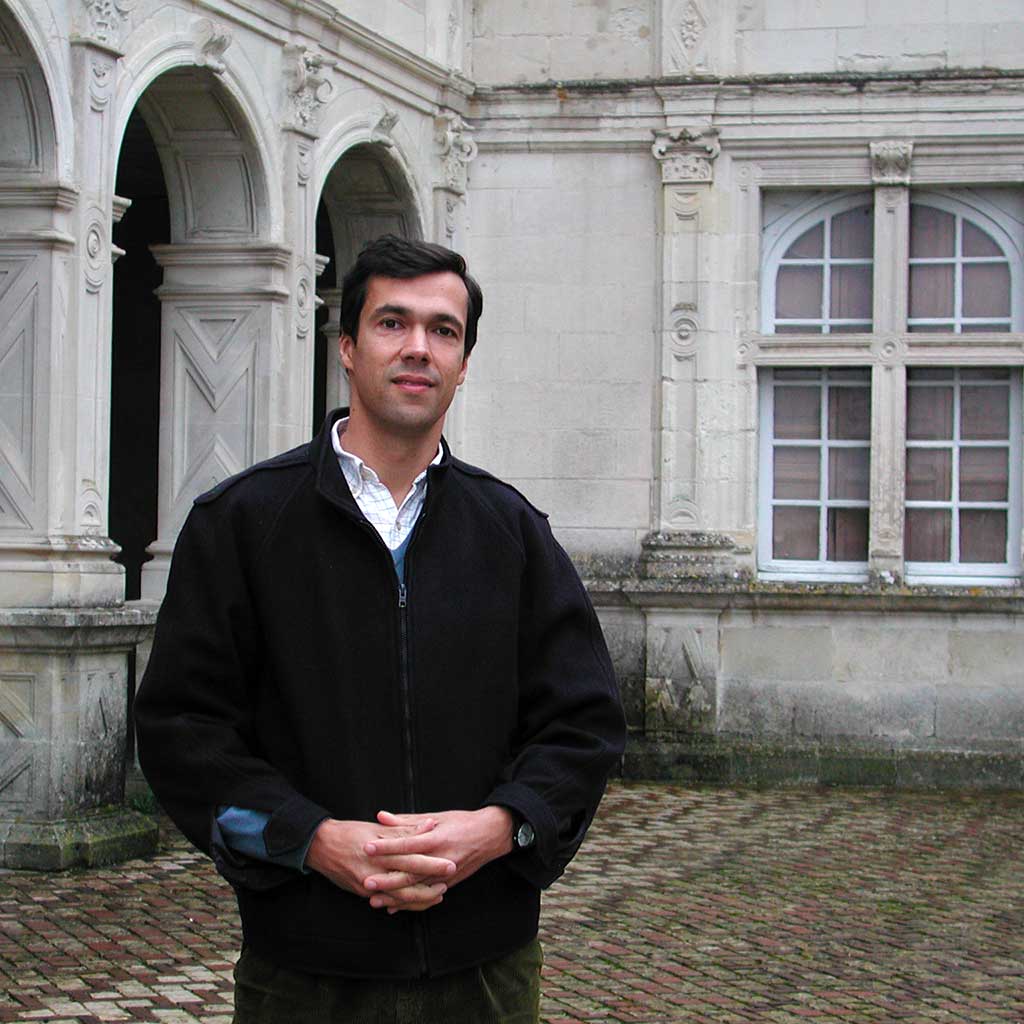
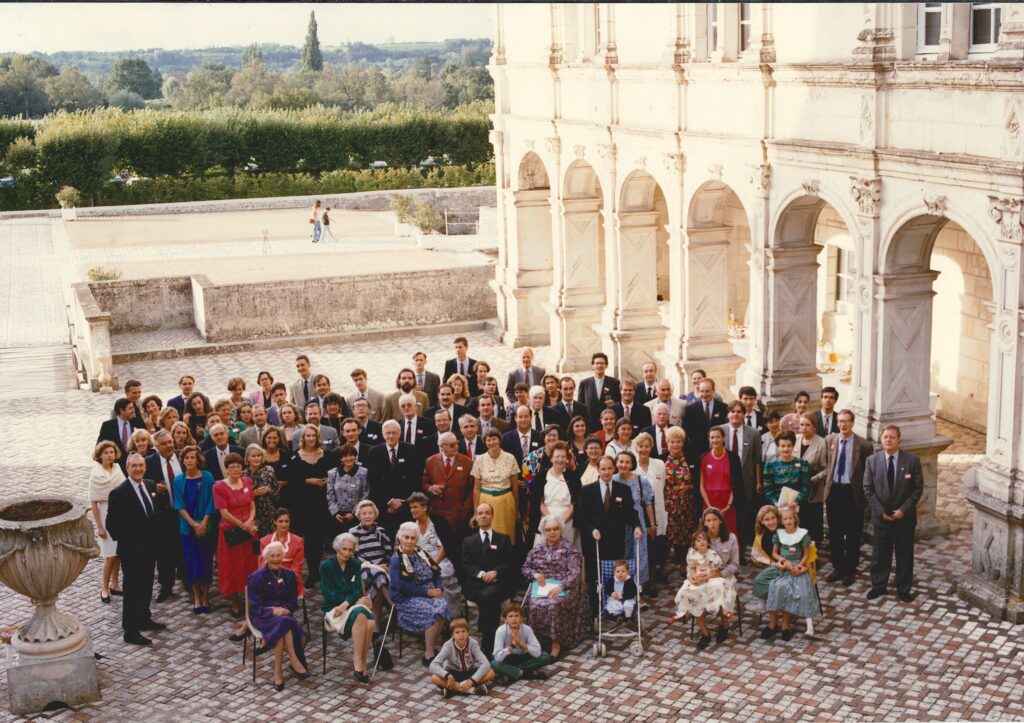
A family reunion held there in 1992 brought dozens of Coleman descendants together at the châteaux, and Henri has traveled to Lebanon, which he said he was happy to visit because it was part of his heritage.
“Almost every year I have someone saying they’re part of the Coleman family,” said Henri.
Villandry is a three-hour drive from Paris, or less than a couple hours away if you take a high-speed train to Tours and then a car from there. Prices are quoted in euros but for budgeting purposes, plan on an admission fee of roughly $10 to get into the gardens, or add another $5 to include the châteaux.
Self-guided and guided tours are available. Find full prices and operating hours on the Villandry website.
Questions about this story? Suggestions for a future LebTown article? Reach our newsroom using this contact form and we’ll do our best to get back to you.
Support Lebanon County journalism.
Cancel anytime.
Monthly Subscription
🌟 Annual Subscription
- Still no paywall!
- Fewer ads
- Exclusive events and emails
- All monthly benefits
- Most popular option
- Make a bigger impact
Already a member? Log in here to hide these messages
While other local news outlets are shrinking, LebTown is growing. Help us continue expanding our coverage of Lebanon County with a monthly or annual membership, or support our work with a one-time contribution. Every dollar goes directly toward local reporting. Cancel anytime.