
With prices throughout the economy increasing and a possibility of them increasing further with tariffs on the horizon, some people have turned to growing some of their own food to supplement their diets.
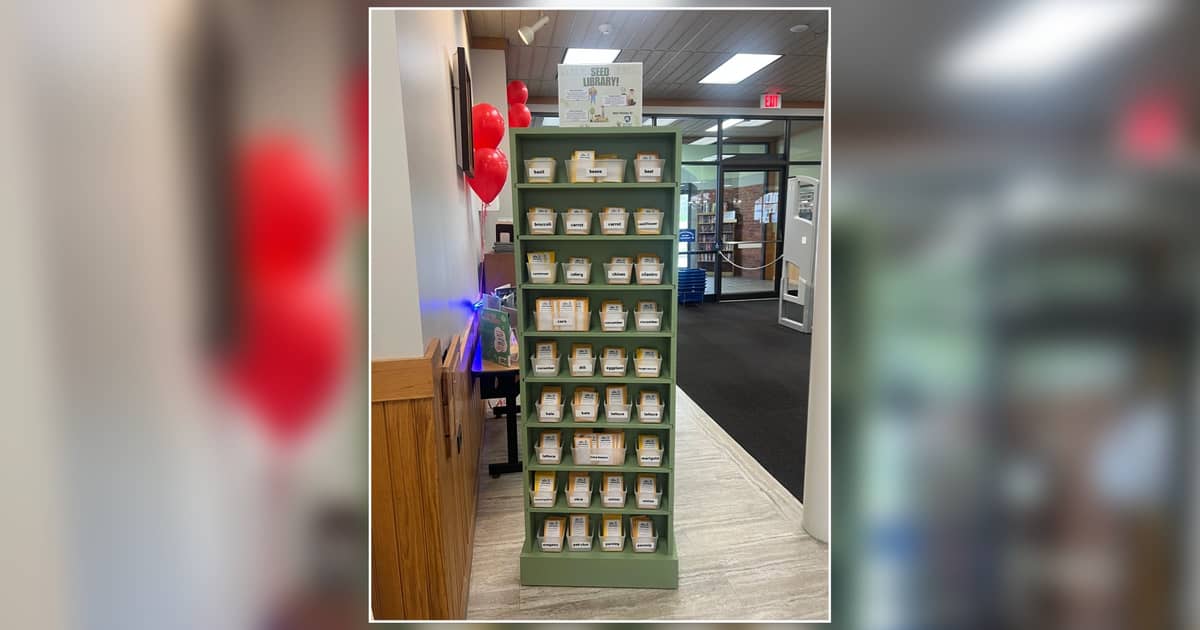
Lebanon Community Library unveiled its own “seed library” last month so anyone interested in gardening can get a few packs of seeds for free. From flowers to herbs, fruits, and vegetables, there is a variety of options on the shelves right inside the library doors.
Laurie Crawford, project manager with Penn State Health, said the new resource is an opportunity to “get excited about gardening.”
She said she sees the tomatoes, onions, and peppers as likely to be the most popular among visitors because they’re used in many different recipes across various cultures. She also said growing things at home or at a community garden could help get kids to eat a healthier variety of food.
“We know that kids are more engaged when they grow it, and see it, and then eat it,” she said. “We’ve learned that in our school gardens and in practice, so it’s kind of a nice opportunity to get kids involved, too.”
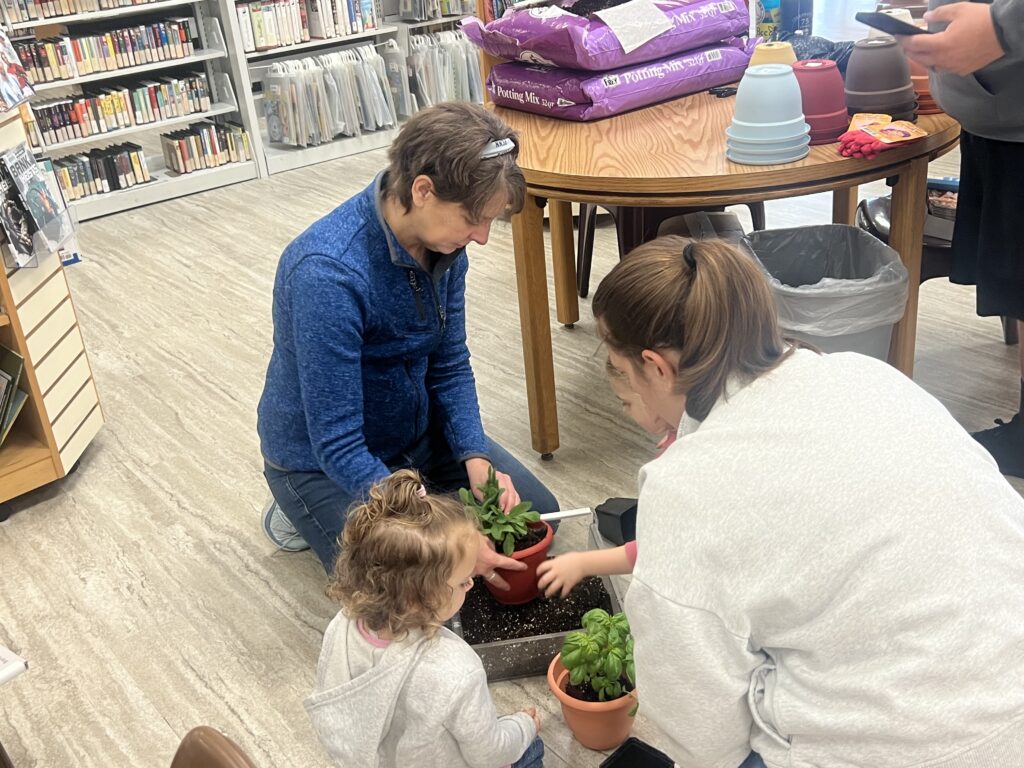
During the library open house, soon after the seed library’s unveiling, Penn State representatives and library staff aimed to get kids excited and involved. They read “Together We Grow” by Central Pennsylvanian author Floyd Stokes and led kids through a quick hands-on planting demonstration where each child got to take home their own herb plant.
Crawford said the good thing about the seeds being in the library is that the information to start growing is right in the nearby stacks.
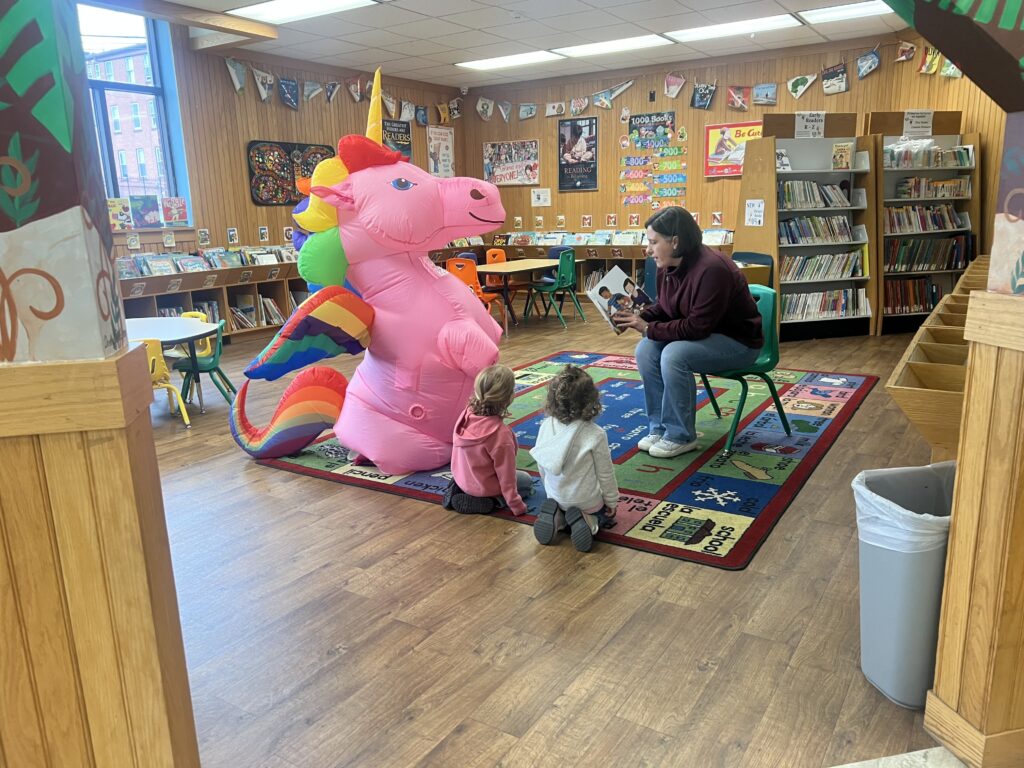
There are books about growing, computers with internet access, and people who can give advice. There are also cookbooks for when plants are ready for harvest.
She said Lebanon can be “a bit of a food desert,” where people might not have access to fresh fruits and vegetables.
After the initial costs of setting up a space to grow plants, having a garden can save on food costs, and seeds can be saved and reused the next season.
The sign above the seed library asks visitors to only take five packets of seeds to save some for others; however, Crawford said she doesn’t judge when people need more assistance.
“They need the opportunity to engage and get that education, and then they need resources to do it themselves, so this is really an empowerment thing,” she said. “If you have to go to a community garden, and you need that much food, then I assume you need that much food.”
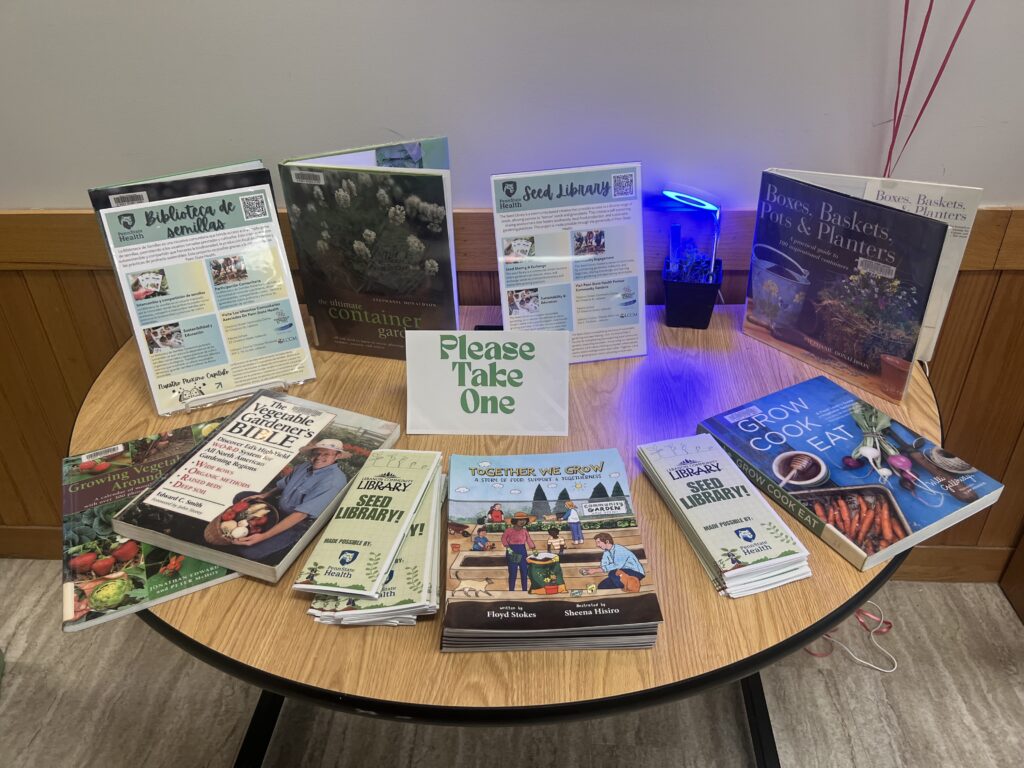
The community garden by the Lebanon YMCA is a resource for people who might not have the right space or conditions to grow in their own homes. Crawford said adding a seed library close to the garden was intentional.
“We started putting them in places where there are community gardens, so that people could start their own gardens, be part of the community garden, and kind of garden collectively,” she said. “We thought the library was the perfect place for that since it is the central gathering place in the city.”
Beyond the food benefits, Crawford said gardening also creates community. People go outside to enjoy nature and can talk with others about what they’re working on. Surveys Penn State conducted showed that community gardens help with mental health and decrease feelings of isolation, she said.
Lebanon Community Library director Michelle Hawk said people who garden love to talk about their plants. It can be great for forming a community and learning more about the hobby.
“I think that gardeners always like to talk about gardening, so the Master Gardeners, the community gardens, any conversation that gets started is just going to be a wealth of information,” she said.
Community isn’t just a goal of the seed library — community made it happen.
The library used a grant from Penn State Health and local businesses to put everything together, and might ask for further community support to keep it going.
“Woodland Contractors built this shelf for us, and then we went around to a couple of local garden centers and bought the seeds, so people can come in and take some seeds, plant them, and then we’re hoping to get people to share pictures and experiences of growing their seeds,” Hawk said. “We may have them kind of save the seeds and bring seeds back in the future.”
Hawk and Crawford recommended the library’s books on gardening and Lebanon County Master Gardeners for further resources on how to get started.
Questions about this story? Suggestions for a future LebTown article? Reach our newsroom using this contact form and we’ll do our best to get back to you.
Build the future of local news.
Cancel anytime.
Monthly Subscription
🌟 Annual Subscription
- Still no paywall!
- Fewer ads
- Exclusive events and emails
- All monthly benefits
- Most popular option
- Make a bigger impact
Already a member? Log in here to hide these messages
Local news is a public good—like roads, parks, or schools, it benefits everyone. LebTown keeps Lebanon County informed, connected, and ready to participate. Support this community resource with a monthly or annual membership, or make a one-time contribution. Cancel anytime.