
This article was funded by LebTown donors as part of our Civic Impact Reporting Project.
A Fredericksburg-based ministry is proposing to build 47 affordable housing units there beginning in March 2026, with occupancy to occur in the fall.
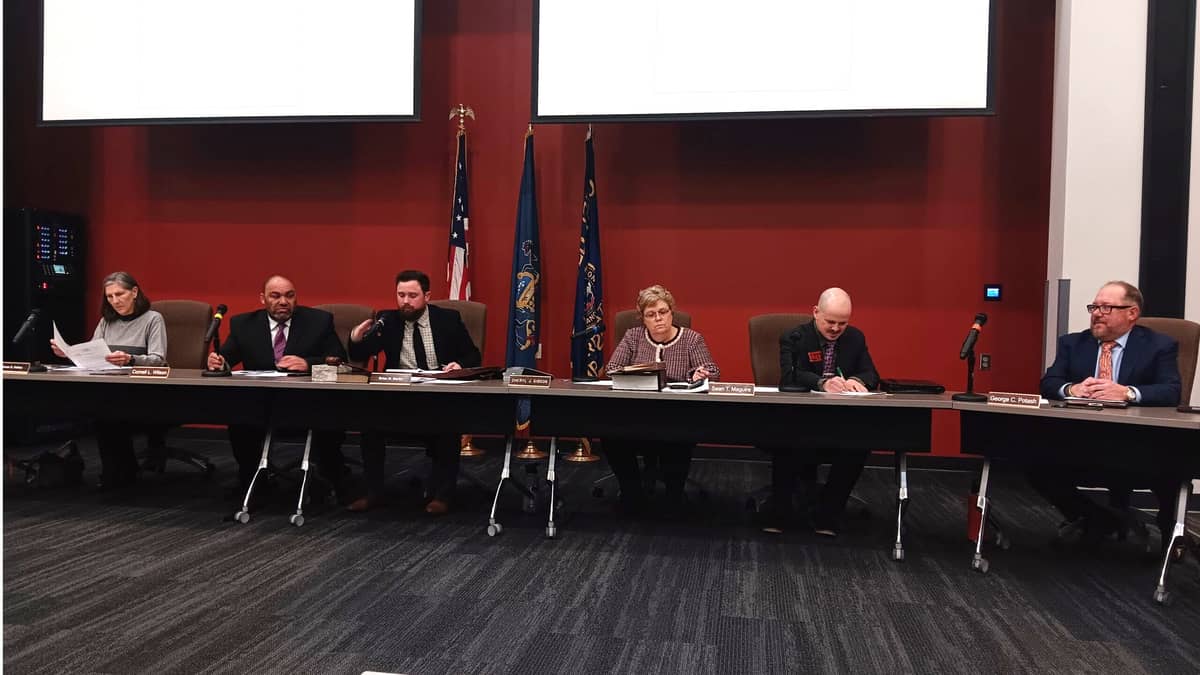
Everlasting Rock Ministries officials presented tentative plans to Lebanon County Commissioners during a May 9 workshop. The proposal calls for 36 one- and two-bedroom units (18 each) with first-floor accessibility and nine three-bedroom units at a projected cost of $12 million.
A worksheet titled Fredericksburg Cost Analysis indicates that 36 of the units would cost $4.2 million to construct. The one-bedroom units would generate $950 per month in revenue while the two-bedroom units would run $1,269 per month. No other information about the three-bedroom units was provided with the cost analysis.
Dave Hanula and daughter Nancy Hanula Evans are the ministry’s principal owners. Evans told commissioners during their presentation that the project would include a social services component.
“We want to have the affordable housing piece but we also want to have support for the people. So we’ll have a social worker who will be working with them at the time that they sign the lease and this is for all occupants of the house. So children from 5 years on up through can also be working on goal setting,” Evans said. “They, you know, will decide what goals they want to set. We’re not telling them, ‘Hey, you need help in this area, you need to work on this.’ It’s entirely up to them what they want to do. But getting everybody kind of moving forward so that way we don’t get stagnant, we don’t kind of get stuck, we don’t get stuck in our past and let the past hold us back.”
Concerning housing eligibility, Evans said their nonprofit status requires them to be on the “more lower income side” for residents to qualify, and that they are looking at individuals who are currently “spending more than 30 percent of their income on housing.”
Another social services component would provide voluntary financial literacy classes to residents.
“Ideally, we would do that without government assistance, without the vouchers – especially as we’re getting started and stuff. We might not have the funds because we’ll be paying back loans, but we’ll have to see how everything pans out,” Evans said. “There could be some units that are government vouchers and then there could be some units that we’re looking at their income and we’re working with them that way.”
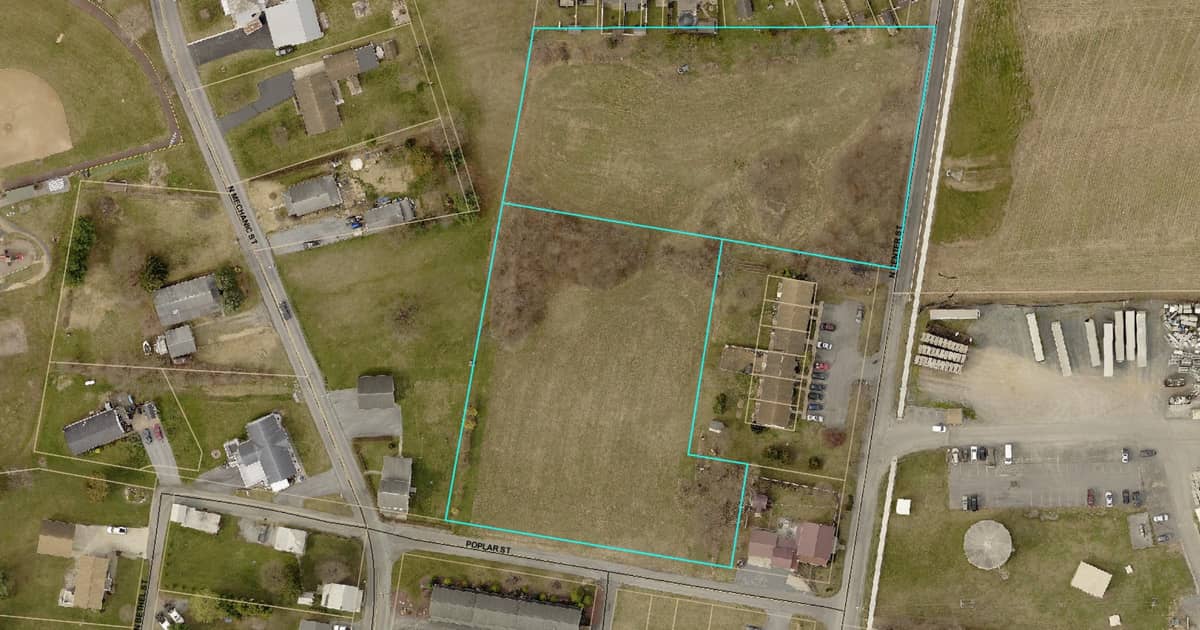
Hanula, who has 50 years experience in the construction and land development industries, said the ministry has just under 3.7 acres at North Center and Poplar streets in Fredericksburg and already has “preliminary approval for what we want to do from Bethel Township” supervisors.
A review of the Lebanon County property viewer website indicates the ministry purchased in August 2024 two adjacent parcels totaling 1.95 and 1.74 acres.
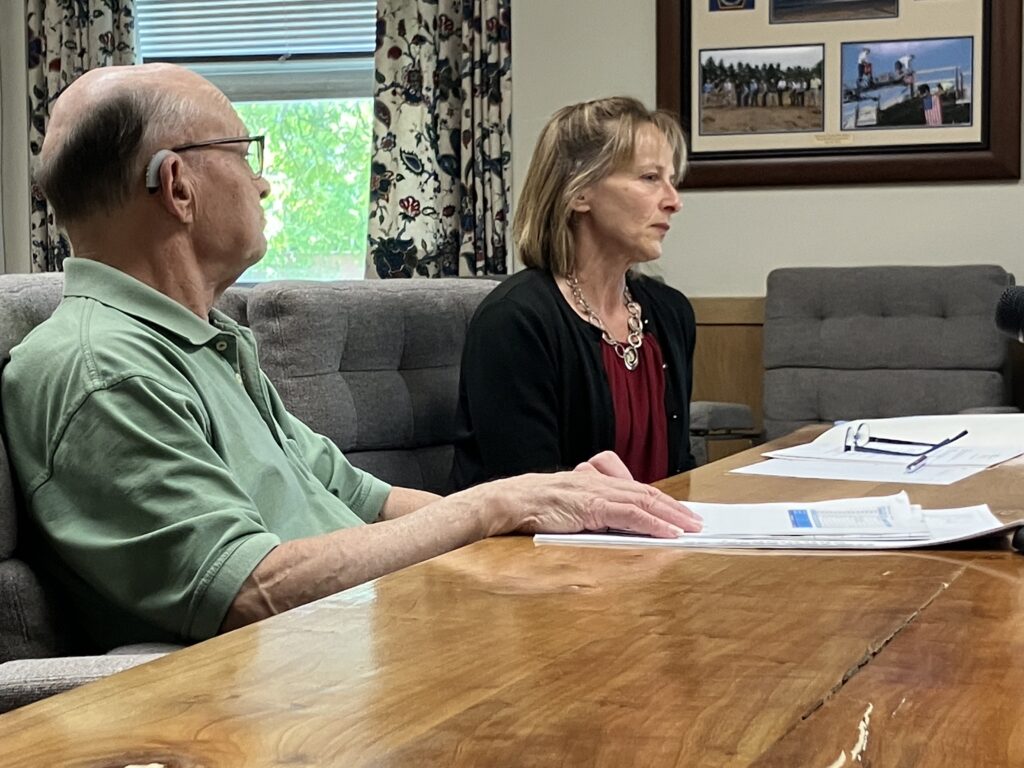
“They’re excited for what we’re doing. They know they have a housing shortage there and we’re going to help fill that shortage for them. … The owner of Bell & Evans needs housing. He’s busing people in from New Jersey, York, everywhere else. So we’ll help him out some there, take some (of that) out of the way.”
Hanula added one issue preventing the project from moving forward is the availability of water.
“Fredericksburg has a problem: that’s water. I don’t know how much you’re aware of that or not. The chicken plant takes up all their water. So there’s no room for expansion there,” he said. “They can’t get any more water from the water authority there because the lake out at Shuey is pretty much at capacity for what they can take out of it. The drought last year, I’m sure, didn’t help that any. That’s kind of where we’re at. We’re waiting on Fredericksburg to come up with some water.”
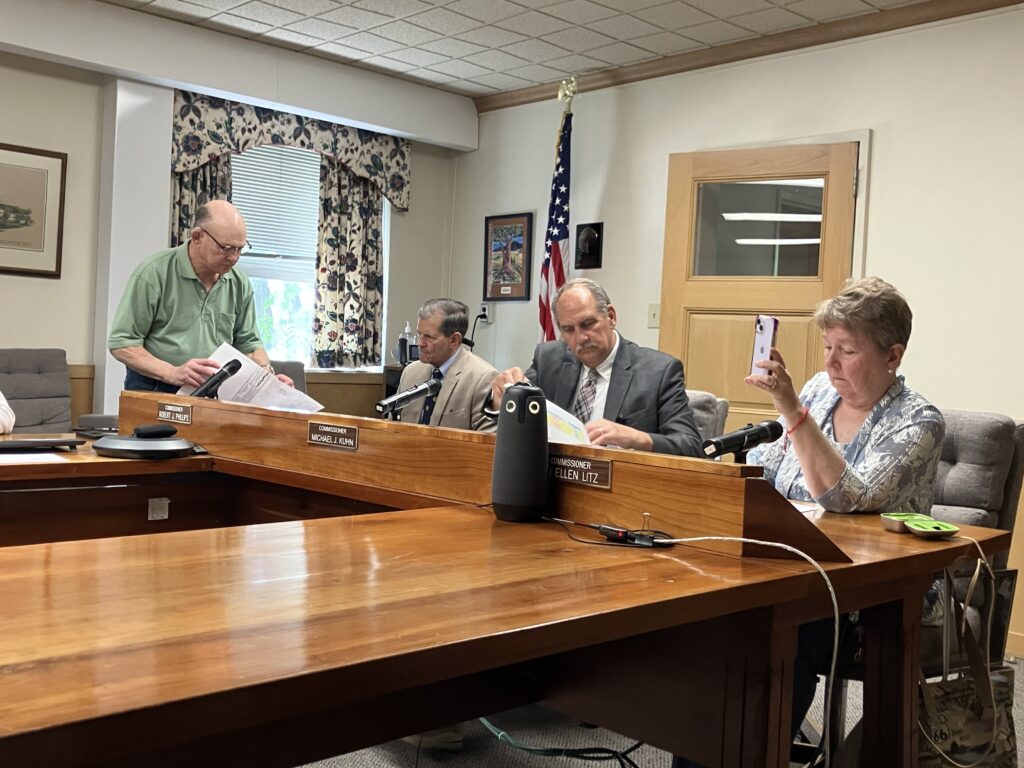
That comment led Commissioner Jo Ellen Litz to express concerns about the lack of available water and her support for the project. County Commissioners, however, don’t have any authority over water usage in the Lebanon Valley.
“If he’s asking for support, I can’t support something that doesn’t have a source of water. Or would they go forward without kind of finishing that?” Litz asked.
“That’s supposed to happen by the end of the year. We were told last year that by the end of 2025, they would have the available water, right? We were told that by the end of 2025, the water would be available,” Hanula responded.
Evans told LebTown the housing would not have a religious denomination affiliation nor has the community been named yet. She said the land is zoned residential and they would not be seeking any zoning variances for the project. Additionally, the main building would have offices that would include a social center for residents to congregate.
“We do envision it, yes, being not necessarily a gym, but like some sort of like a social hall, like an open area where, you know, maybe if they’re having a birthday party for somebody and they’re looking for a space outside of the home, a little bit more room, that they could use it for that,” she said.
Evans said another reason they requested a meeting with commissioners was to discuss funding through Act 137, the Affordable Housing Fund program.
Dan Lyons, executive director of the Lebanon County Redevelopment/Housing Authority, asked if they were ready to apply for a grant for the project, to which Evans answered affirmatively.
County administrator Jamie Wolgemuth asked about prevailing wage and if their tentative financials included those costs as they receive contract bids. Hanula said their costs were calculated by a professional organization and, while they hope to use some donated services for the project, the figures do include costs to pay prevailing wages.
“I already have contractors I work with. And they’ll come on board and do some work for a donation type thing,” Hanula said. “So that any component that’s over $25,000 would trigger prevailing wage.”
Talking points provided by the ministry to the press indicate that the Lebanon County 2023 housing study revealed that 2,600 rental units are needed by 2028, and that 25 percent of Lebanon County residents have experienced some kind of “chronic adverse events.”
The talking points note that “Lebanon County has a dire need for housing for the income constrained household and has been experiencing increasing homelessness among the elderly who owned homes but who have outlived their savings.”
Questions about this story? Suggestions for a future LebTown article? Reach our newsroom using this contact form and we’ll do our best to get back to you.
Support Lebanon County journalism.
Cancel anytime.
Monthly Subscription
🌟 Annual Subscription
- Still no paywall!
- Fewer ads
- Exclusive events and emails
- All monthly benefits
- Most popular option
- Make a bigger impact
Already a member? Log in here to hide these messages
Quality local news takes time and resources. While LebTown is free to read, we rely on reader support to sustain our in-depth coverage of Lebanon County. Become a monthly or annual member to help us expand our reporting, or support our work with a one-time contribution. Cancel anytime.