
This letter was submitted to LebTown. Read LebTown’s submission policy here.
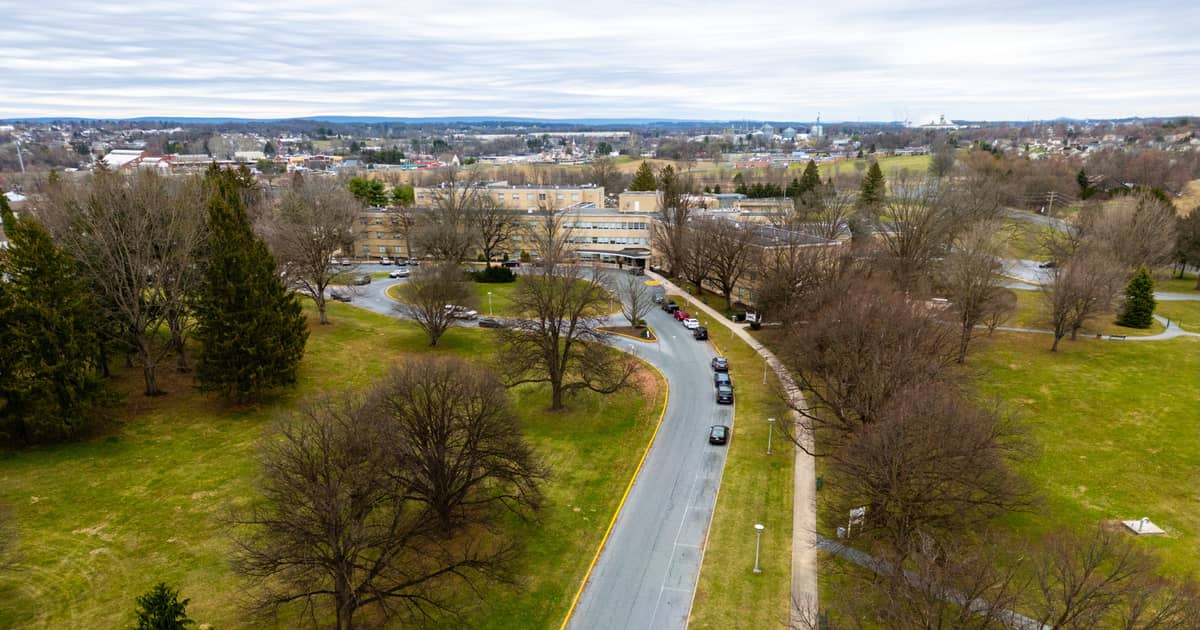
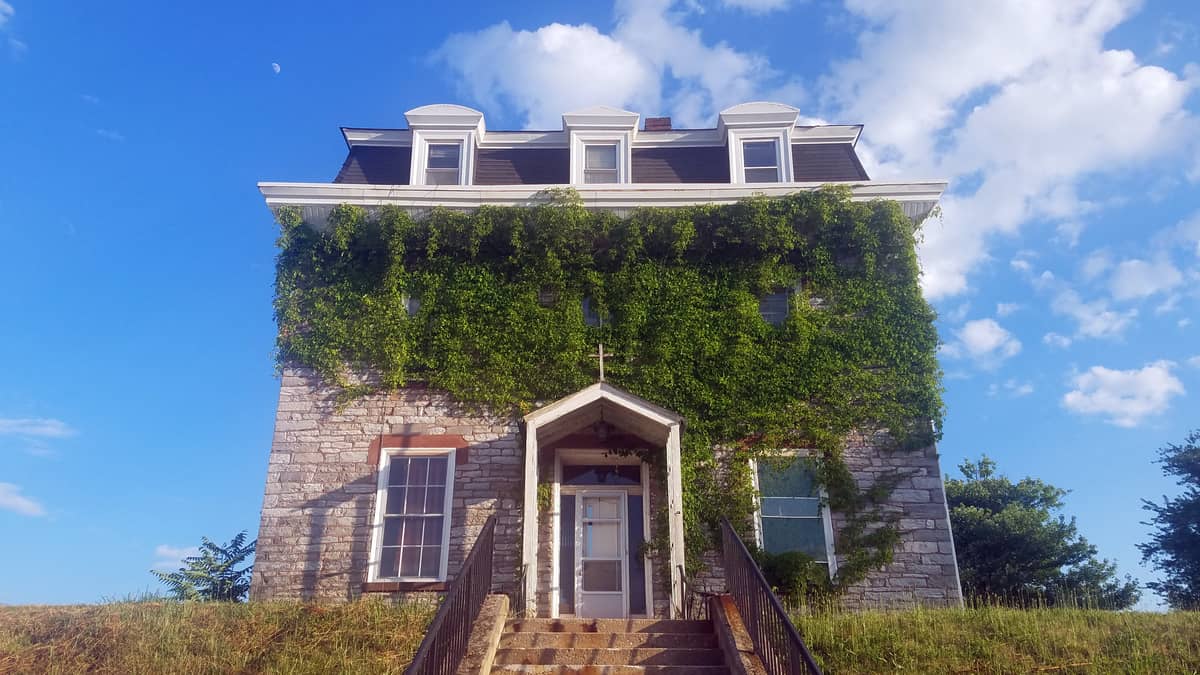
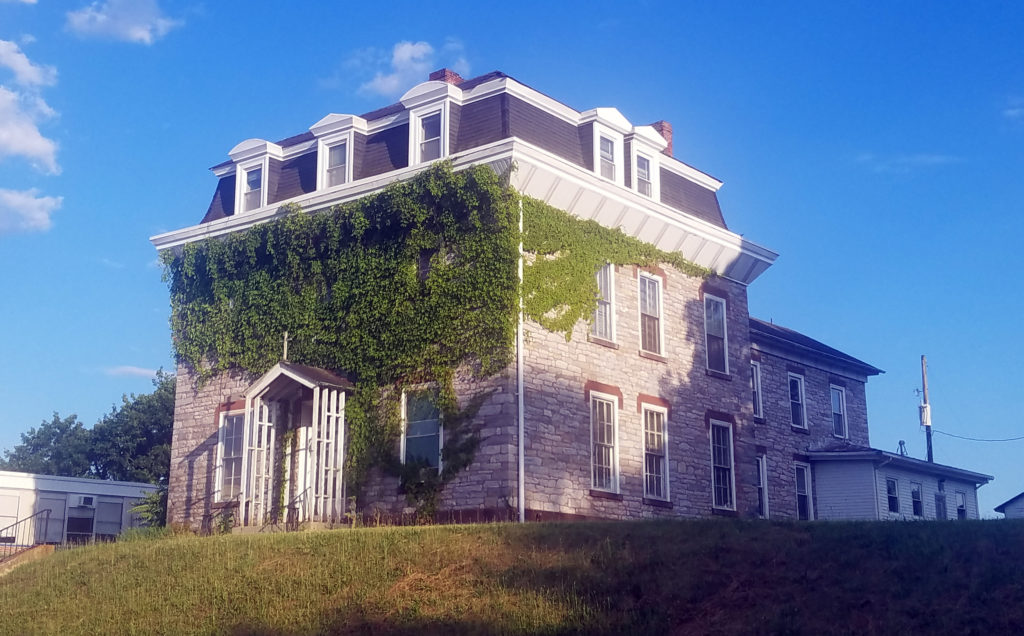
Writing again on the topic of the Donaghmore/Patch Mansion located at the former Lebanon Catholic School site, almost exactly three years to the date that I last wrote about the same thing is strange, as I was hoping we wouldn’t be here again. The site is once again threatened by demolition from a new owner, only this time, it’s my own Alma Mater: The Lebanon School District.
Read More: Lebanon school board OKs $5.25 million purchase of Lebanon Catholic property
The timing is also ironic as once again, we are in the midst of National Preservation Month in the U.S., where we as a nation are encouraged to celebrate the power of place. At the forefront of this power of place are historic buildings that create a sense of unique community. And yet, the Lebanon School District wants to destroy an iconic part of the Lebanon community, according to recent news.
LebTown’s recent article confirmed the purchase and reiterated Lebanon superintendent Dr. Nicole Malinoski’s statement that “the district intends to demolish the existing buildings.” By default, this would include the historic Donaghmore/Patch Mansion.
Read More: Lebanon Catholic property contains the Donaghmore Mansion and the historic Patch estate
I won’t spend time outlining my previous argument against more destruction of historic properties here in Lebanon, or go into detail again about why this particular building is important, as that is delineated in my previous 2022 letter to the editor.
Read More: [Letter] Developers of Lebanon Catholic site should save Donaghmore Mansion
However, beyond my role as an historic preservationist, as a local taxpayer I take issue with how my taxpayer dollars are being spent, particularly with the cost of this decision, and I know other citizens have voiced similar concerns.
While it’s understandable that the school district claims to want to prevent more housing being built there that would bring more students and further overwhelm our rapidly-growing district, it was a hefty price to pay for something that may be the equivalent of squeezing a water balloon; the possibility that the same type of development or redevelopment and population increase could happen elsewhere in the district seems probable given the current trends.
Regardless, the school board majority have made their decision, and we citizens will have to accept it. But as the project is far from completion, we should have a say in how our dollars are used.
This leads me back to my original point. Just because they’ve purchased the property does not mean they need to level all the existing buildings. I don’t want my taxes paying for destruction of historic buildings. While I’m fully aware many people don’t actually care about historic buildings or feel they should be saved, there are several practical reasons why demolition is not in anyone’s best interest and adaptive reuse should be considered first:
- Environment – Architect Carl Elefante’s quote: “The greenest building is. . . one that is already built” is true – new construction (including of demolition of old buildings to make way for new) accounts for some of the largest amounts of waste in landfills and highest carbon emissions. Adaptive reuse and rehabilitation of existing buildings eliminates a significant amount of waste, depletion of natural resources, and carbon emissions involved in shipping those goods.
- Cost – Cost logically follows the above argument – the less that is spent or consumed and the more that is reused, the lower the cost. Interestingly, demolition costs often exceed the costs of rehabilitation. Again, as a taxpayer, this is very important. Given the contention this purchase has instigated, it would be in the School Board’s best interest to show that moving forward with the project, they are considering the best way to manage costs, which would include serious consideration of adaptive reuse.
- Community Benefits – Community members tend to be more engaged within communities that instill a sense of place that they can collectively be proud of. There’s no hiding the fact that Lebanon is not the thriving town it was for much of the previous century. But retaining our tangible heritage is a dependable way to instill a sense of our unique identity here in this community and the possibility of how we might thrive again. In an exponentially-changing world, it is important to have some sense of continuity to ground us in the familiar while we cope with transformation. Any town can have modern buildings made of subpar materials with no character, but that does not instill community pride.
This building has stood its ground for well over a century-and-a-half. It can certainly handle another if adaptively reused, and there are plenty of examples of how this has been done. The reasoning outlined above reiterates just how foolish it would be for the Lebanon School District to wantonly destroy a building so important to this community’s history, only to replace it with forgettable, subpar, overpriced new construction.
Laura A. Kise is a historic preservationist and conservation technician. She lives in Lebanon. She graduated from Lebanon High School in 2002.