
The Beatles proclaimed many years ago,
Little darling, it’s been a long cold lonely winter.
Here comes the sun, Here comes the sun, and I say it’s all right.
It’s always welcome (and mostly “all right”), just remember that warm weather also brings out the bugs, ragweed and other health concerns.
During the summer, heat-related illnesses, including heat stroke and heat exhaustion, become more common. It’s easy to overheat with temperatures often passing the 90s throughout the summer. The humidity is a contributing factor. When it’s particularly humid outside, sweat can’t evaporate as efficiently on your skin. Since sweating is your body’s primary method of cooling down, that can be dangerous.
The sun presents another challenge. While we want to soak it up, sun exposure can cause sunburns, accelerated signs of skin aging and an increased risk of skin cancer.
No reason to hide inside, just take precautions to help you have a healthy summer.
Sun protection
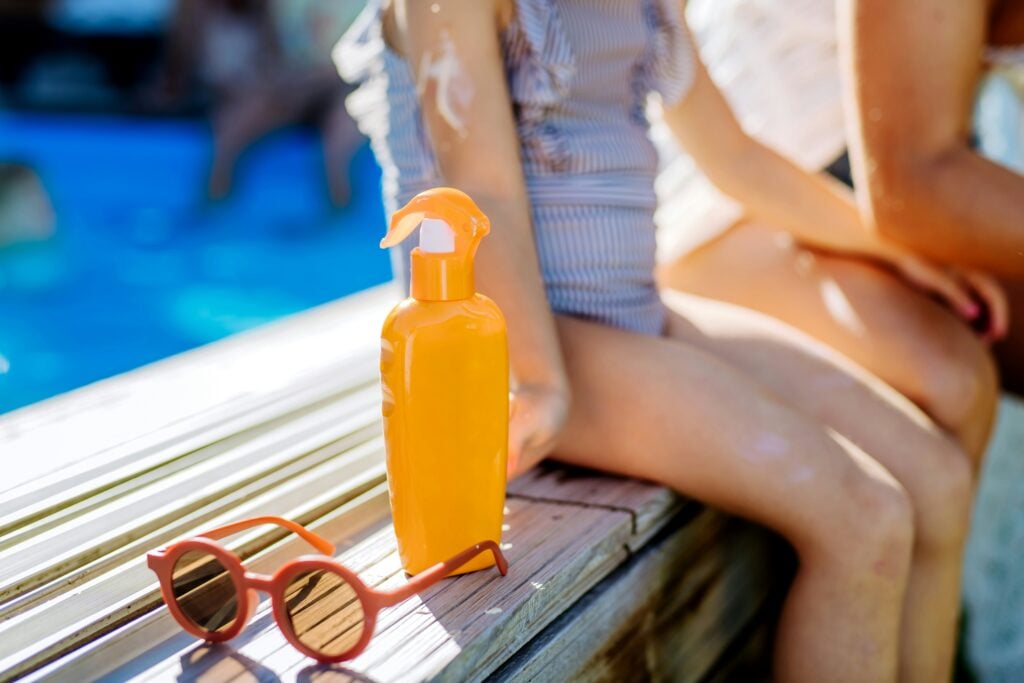
Everyone needs to protect their skin with broad-spectrum, SPF 30+ sunscreen every day regardless of your complexion. This will help prevent skin cancer, sunburn and most visible signs of aging. Be especially careful on cloudy days (when 80 percent of harmful rays still get through) and near sand and water, which magnify sunshine.
Cover your head with a hat. Clothing with built-in sunscreen can also add similar protection of 30-40 SPF (most summer clothing provides only 15 SPF level protection).
Take regular breaks indoors or in a shady area and avoid going outside during the hottest part of the day-usually between 10am-3:00pm.
Protect your eyes with sunglasses. Even on a cloudy day, sunlight can harm tissues in the eye and contribute to cataracts and macular degeneration (a leading cause of blindness). Check the sunglass labels for “100% UV protection” or “UV 400” to ensure protection from the sun.
Hydrate! Hydrate! Hydrate!
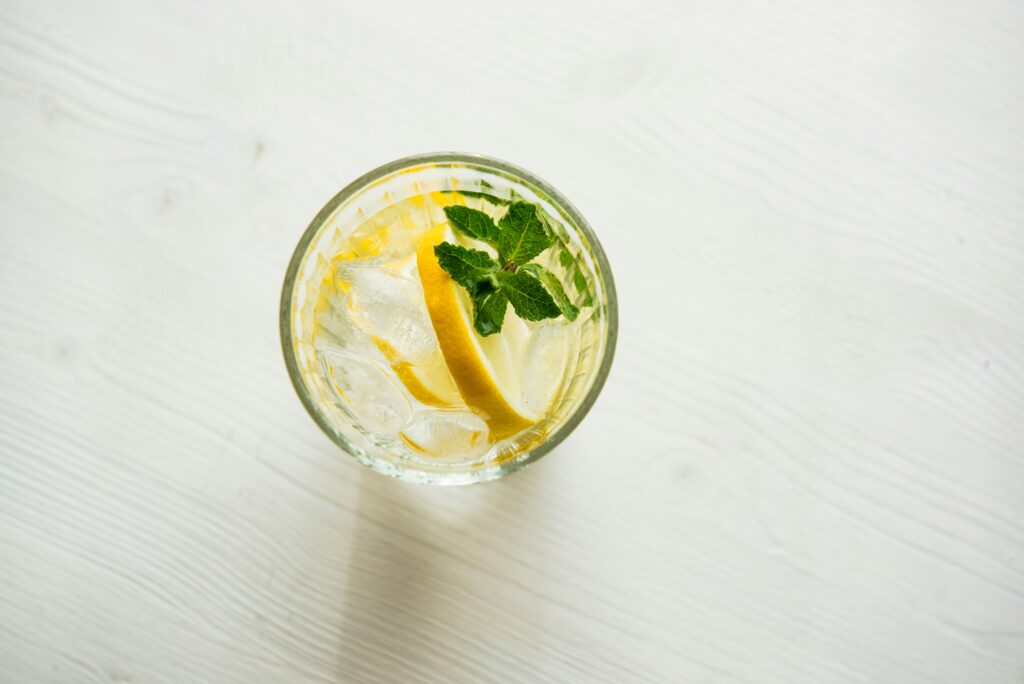
It is really easy to get dehydrated in hot weather. Seniors need to stay hydrated as they are more susceptible to dehydration due to factors like reduced thirst sensation and potential medication side effects. Seniors should try to drink at least 6-8 glasses of fluids per day, sip on fluids throughout the day, and eat hydrating foods (like watermelon, oranges or cucumbers).
Avoid fluids containing caffeine or alcohol as they can cause the kidneys to expel more water.
Dry mouth, headaches, nausea, dark urine, fatigue, dizziness, or confusion can be signs of dehydration, so try to keep a bottle of water with you whenever you’re outside.
Manage your allergies
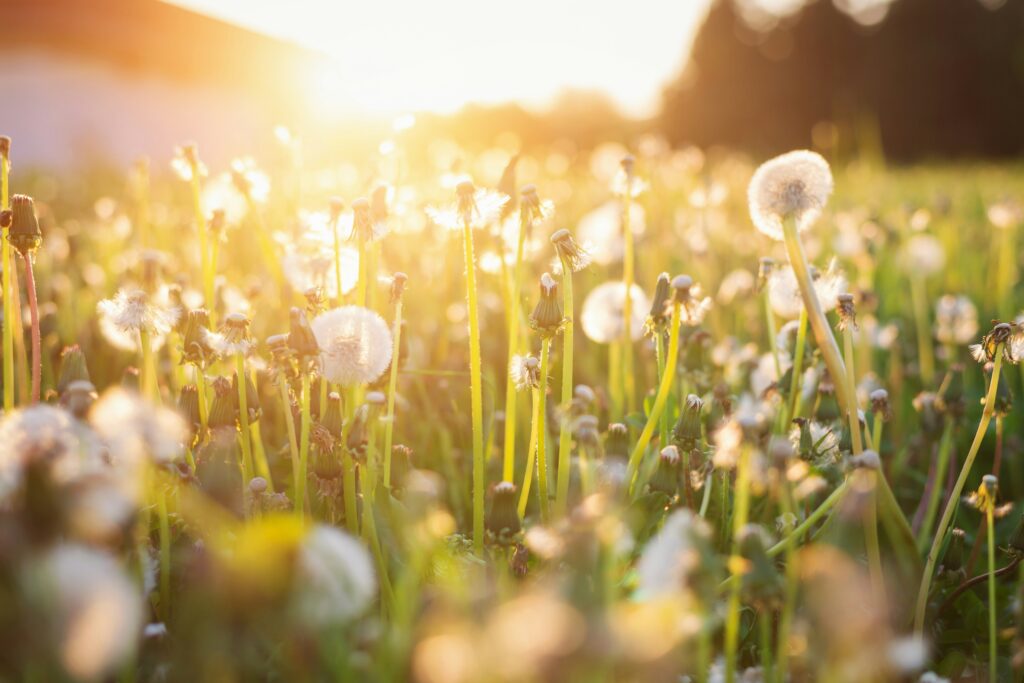
As tree pollen drops off in the summer, other allergens are just starting. Ragweed, mold and dust mites all flourish in warm temperatures. Continue your routine allergy treatment through the summer months. If you do not routinely use an antihistamine, check with your doctor first to make sure it is safe for you.
Shower before bed to wash off pollen and run your air conditioner to reduce allergens in your home.
Soothe rashes and bites
Being outside more often gives pesky insects a better chance to annoy you.
If you are going into wooded or grassy areas, consider clothing that covers exposed skin. You can also use insect repellent that has EPA-approved ingredients containing DEET or picaridin that are effective against mosquitoes, ticks, and other biting insects. Remember to reapply as directed, especially after swimming or sweating.
Mosquitos are usually more prevalent during dusk and dawn and also congregate around standing water, like birdbaths.
Mosquitoes are drawn in by pheromones released in your sweat and can be attracted by certain perfumes or lotions. Some plants will help repel mosquitos, like citronella, lavender, lemongrass, and marigolds.
If one of those little buggers gets you, avoid scratching (trim those fingernails). Some household items like soap, lotion and perfume may contain irritants that may make rashes worse. Hydrocortisone cream can reduce itchiness and inflammation. Oral antihistamines and over the counter pain relievers can also help. Calamine lotion will soothe poison ivy, but may irritate some bug bites. For severe skin reactions, call your doctor for the best treatment option.
Adjust your sleep routine
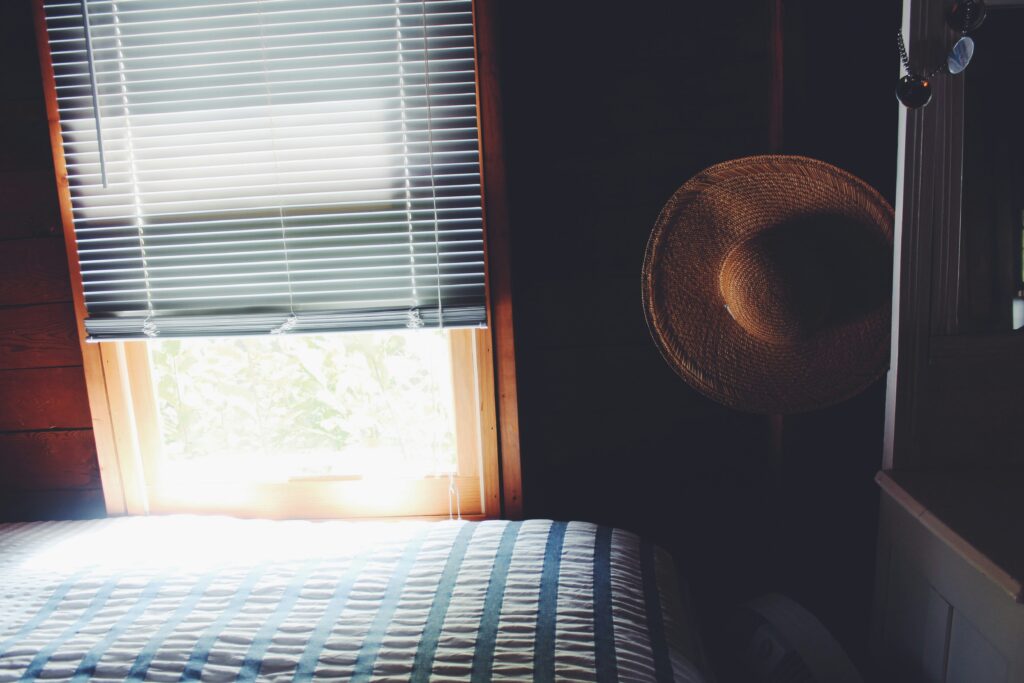
A good night’s sleep is important to your health. Warm temperatures and longer days can make it difficult to fall asleep.
There are a few minor adjustments you can try to avoid losing sleep. Alcohol, heavy meals and electronic devices have been shown to confuse your internal clock and make it more difficult to sleep, especially a few hours prior to bedtime.
An evening workout helps some people fall asleep faster and sleep more deeply. And if you have an air conditioner, keep the thermostat between 60 and 67 degrees ― the best temperature for shut-eye.
Indulge your inner gardener
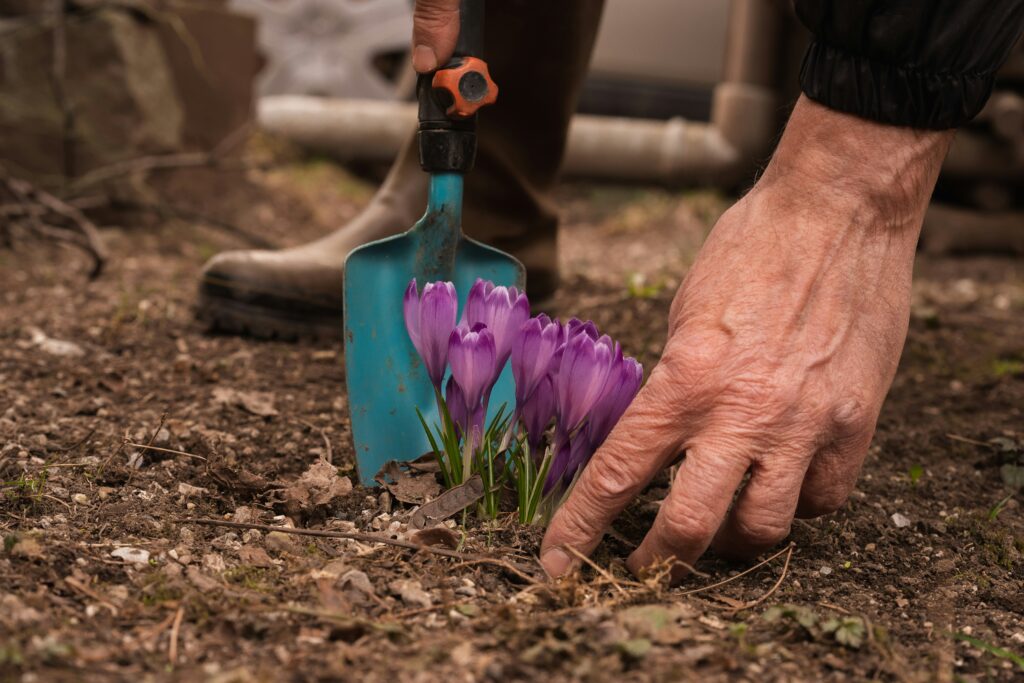
There are studies indicating that being out in nature heals mind and body. Gardening helps people reduce stress, enhance thinking, and build strength. Garden therapy promotes mental, physical, and social well-being. Many senior centers and rehab facilities incorporate garden therapy programs for patients recovering from cancer, heart attack, brain injury, post-traumatic stress and chronic pain.
Food safety
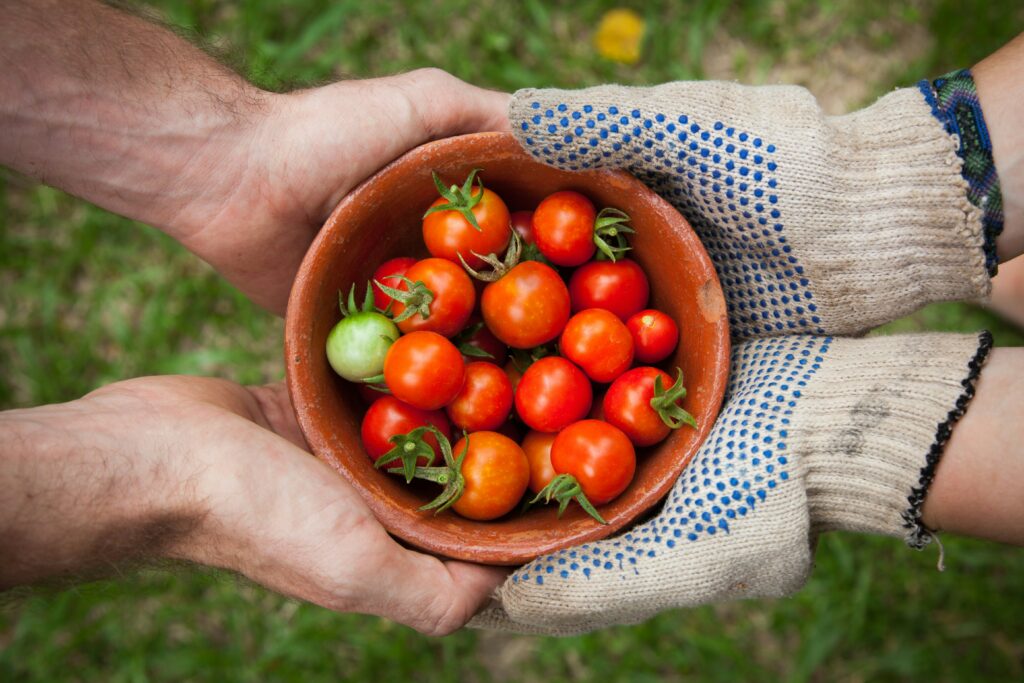
Summertime is the peak season for foodborne illnesses. The good news is that there are plenty of ways to avoid getting sick from the food you eat.
- Never leave perishable food out in the sun or heat for more than two hours.
- Pack your food in an insulated cooler with ice packs.
- Use separate cutting boards for raw meat and vegetables.
- Be sure to wash your cutlery thoroughly in between uses.
- Wash your hands often, especially after handling raw meat.
- Cook meat to the correct temperature.
- Clean the grill grates with soapy water before cooking.
Treasure your summer time fun, it passes quickly. You may want to check on your elderly neighbors or loved ones. Summer can be difficult for those who are elderly or have chronic health conditions, as the heat can aggravate their symptoms. Visit them or give them a call to ensure they’re doing alright.
Here comes the sun, and it’s definitely all right.