There was a time in the early to mid-1900s when northern Lebanon County was a hotspot for hotels and bedroom rentals in people’s homes.
According to local lore, some of those travelers were celebrities who were either musicians or television personalities. In the case of the O-Yes Hotel in Ono, band members who spent the night at the hotel also performed in the hotel’s ballroom.
The proximity of Old Route 22 or “two-lane Route 22” through Lebanon County’s northern tier made it an ideal location for the plethora of places to lodge overnight, according to Bobby Walborn, 92, a lifelong Bethel Township resident.
At least 10 locations, many in proximity to or in Fredericksburg, served as a place for a traveler to catch some ZZZs, according to local historian Kathy Bicksler Stouffer.
Walborn noted that Old Route 22 at one time was the only major highway crossing through Lebanon County east from New York City to points west. Interstate 78, which today runs parallel to Route 22 and “two-lane” Route 22, was constructed between the 1950s and ’70s.
“It was an ideal place to layover, traveling from east to west and from west to east,” said Walborn.
Stouffer said northern Lebanon County was a stopping point for travelers for numerous reasons.
“It was the main drag between New York and Los Angeles, the main road,” she said. “It would have been probably five hours, maybe more, and it would have been rough (traveling). If you’re in a car that was made back then, you’re gonna want to stop and rest.”
She also noted that other factors limited travel great distances in a single day, especially in the early 1940s during World War II.
Read More: Jack Paar and Betty White: Two late friends who both had area connections
“The average speed limit was 47 mph in 1941. However, in the fall of 1942, as an effort to conserve gas, the speed limit was reduced to 36 mph. Add the towns as additional delays, and you can see it would take a lot longer than the time period it takes today,” said Stouffer. “During the war, gas was rationed. It would involve planning and possibly staying overnight more often, so as not to use up the (gas) stamps that you were allotted. Rubber was also very scarce. You needed to be very concerned about needing a tire repair.”
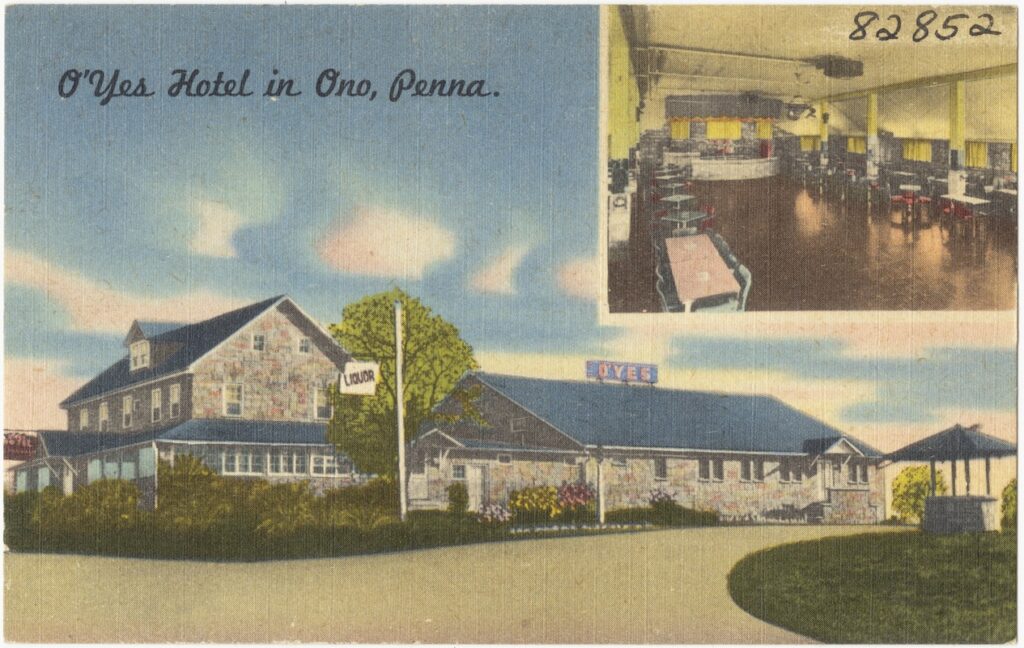
O-Yes Hotel in Ono
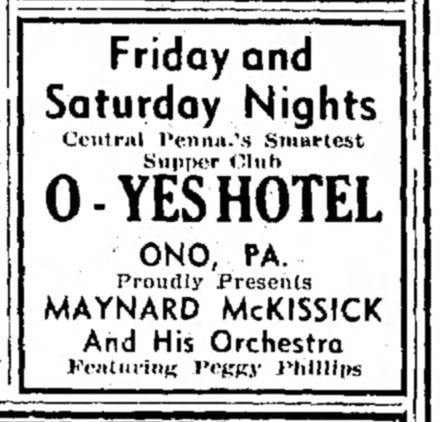
Travelers headed west from New York City – especially musicians and other celebrities – are said to have stayed overnight in northern Lebanon County as they moved from one destination to another. This was especially true, according to Stouffer, of the O-Yes Hotel in Ono.
Stouffer said she heard a story many times that Tonight Show host Jack Paar mentioned the former O-Yes Hotel, located just west of Ono along what locals call “two-lane” Route 22.
“Jack Parr – who was very very big at the time. I mean he was like, I think, the No. 1 show and certainly the No. 1 (late) night show – was telling people a story and he said something about the O-Yes Hotel in Ono and they were saying, ‘Oh, you’re making that up.’ He said, ‘Oh, yeah, there’s an O-Yes Hotel in Ono,’ and they’re like, ‘No way.’ So he got on the phone and called them.”
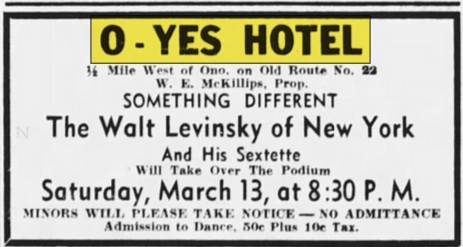
Read More: Jack Paar and Betty White: Two late friends who both had area connections
Local classic car dealer Ed Anspach told LebTown a slightly different version of the O-Yes Hotel and Paar connection.
“I do know that Jack Paar was there and he was stationed at Fort Indiantown Gap, and one night on TV somebody sent him a postcard of the O-Yes Hotel in Ono and he said, ‘Oh, yeah, I’ve been there,’” said Anspach. “He was a GI back at the Gap. That place was a lifeline to them (the GIs). When the GIs got leave, they would go to the O-Yes.”
Anspach noted that Ono and the surrounding area was perfectly situated from New York City for a stop during an era when the top speed of an automobile was in the 40 mph range, which Anspach noted was “pushing it hard.” He said the top speed of a 1929-1931 Ford Model T was 40 mph.
“A lot of bands would leave New York City on one weekend and the next weekend they might be booked in Pittsburgh, so Ono was a day’s drive from NYC back then on two-lane Route 22,” Anspach said. “Guy Lombardo played there and I think Tommy Dorsey. That is handed-down lore from other people.”
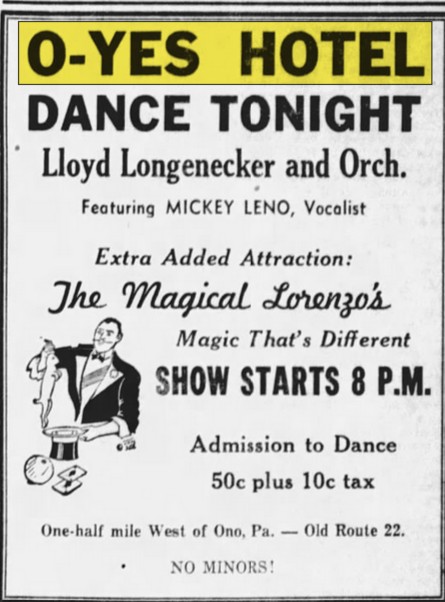
Walborn said he remembers going to the O-Yes Hotel with his wife and her family to dance in their ballroom.
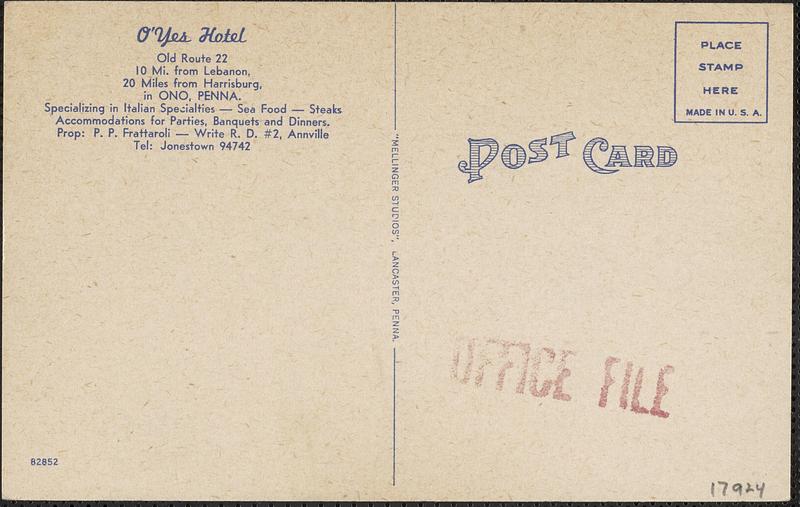
While he couldn’t remember if any famous musicians played there or if they served food, the backside of a postcard, circa 1930-45 and currently stored in Boston Public Library archives, indicates that the hotel’s restaurant served “Italian specialities, Sea Food, Steaks” and had “Accommodations for Parties, Banquets and Dinners.”
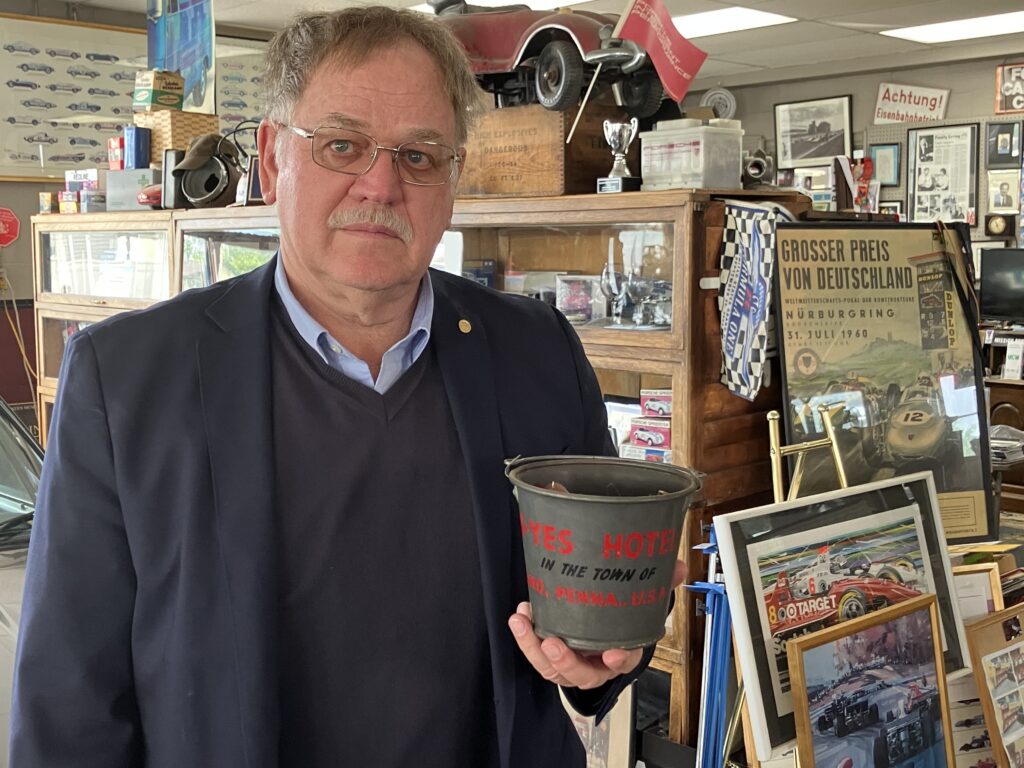
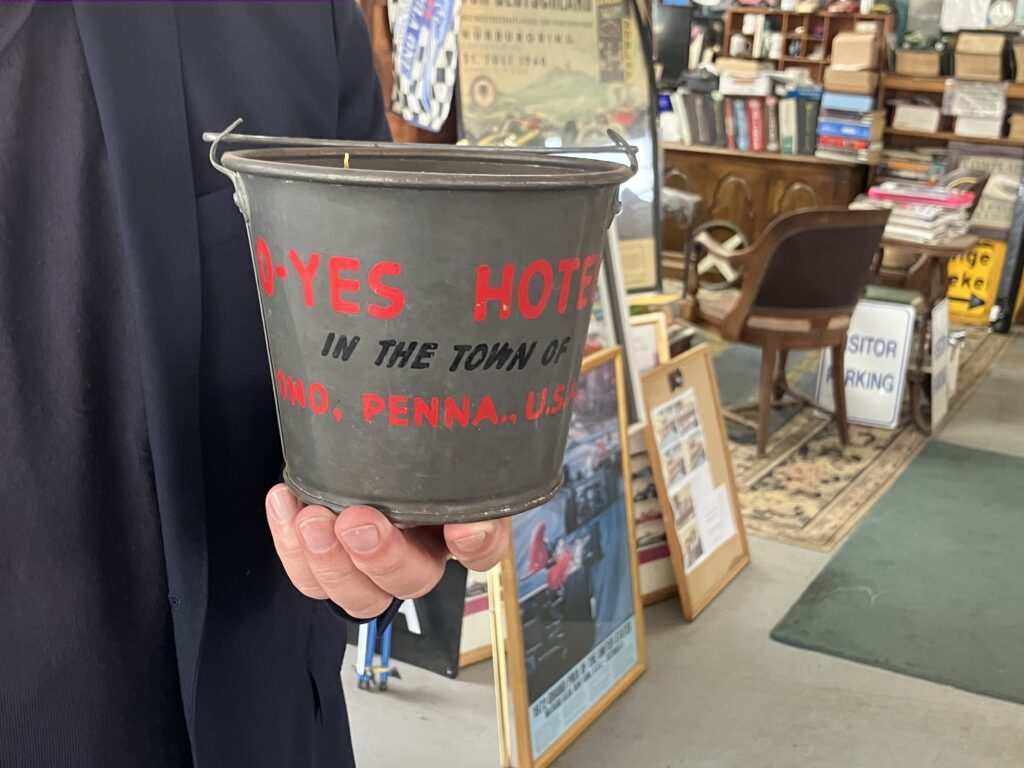
Anspach has a metal silver bucket that was most likely a tobacco spittoon with the words “O-Yes Hotel in the town of Ono, Penna., U.S.A.” written in red and black on the bucket’s side. The bucket is part of Anspach’s extensive memorabilia collection that was previously profiled by LebTown.
Read More: Eclectic collection contains a lifetime of memories for Ono businessman
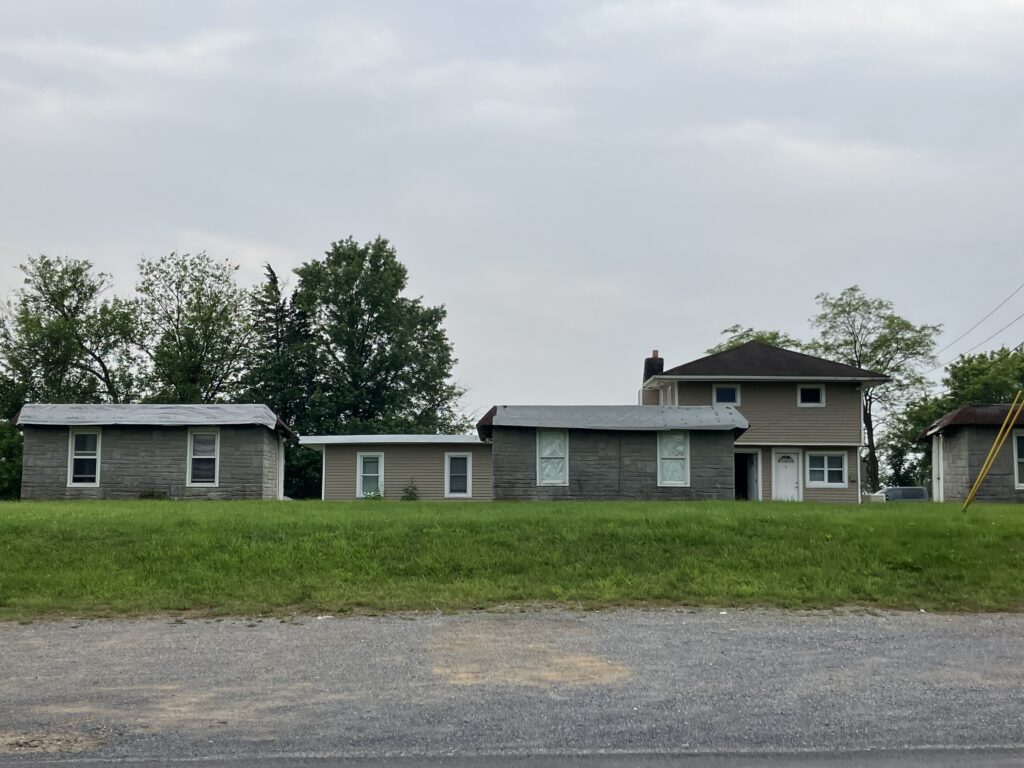
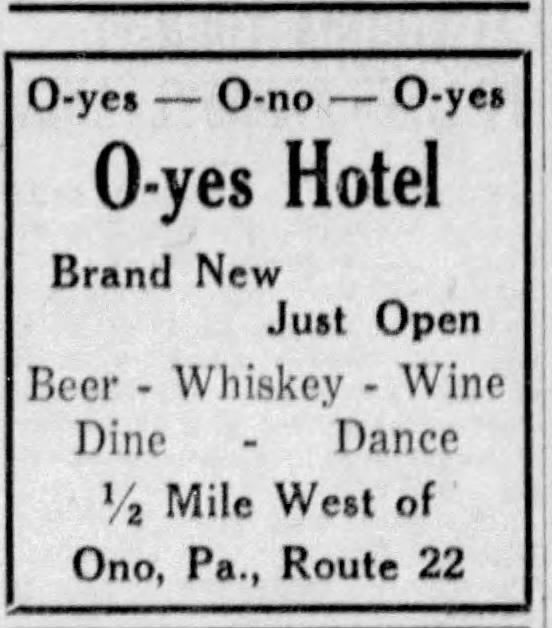
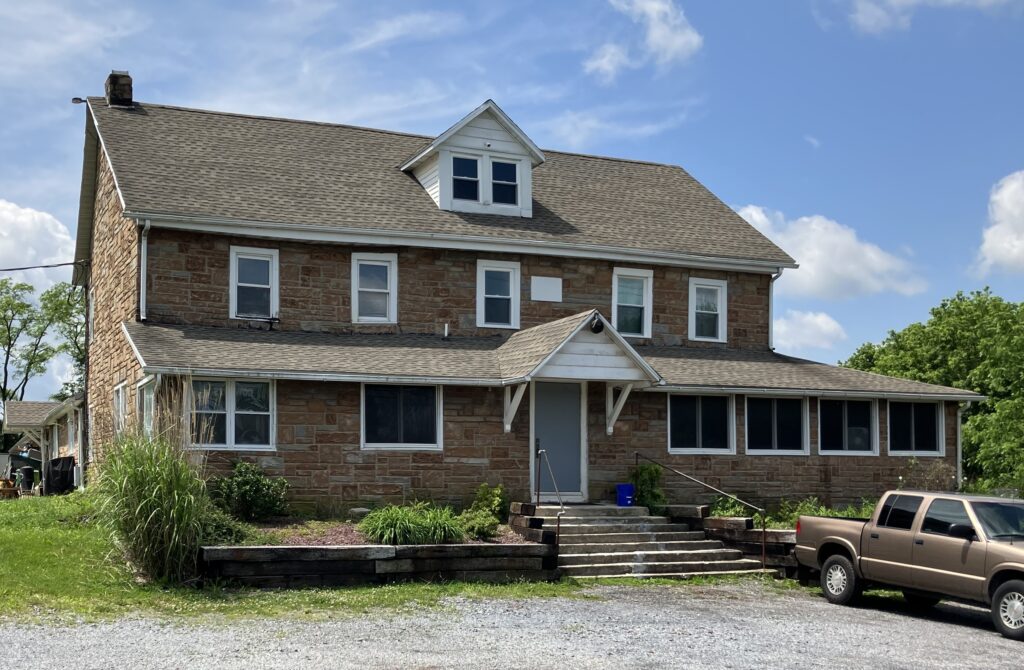
The former O-Yes Hotel is now multi-unit apartments within the main building, and numerous cabins that were owned by the hotel still sit on the east side of the former hotel. The house and cottages serve as a reminder of a bygone era.
The rise of tourist homes
Tourist homes were the rage in the 1920s, according to the Henry Ford Museum’s website.
In profiling the history of motels, museum staff write that “from bare-bones tourist cabins and cottages to fully-featured tourist courts and motels, these promised modest rates, convenient car parking, a range of comforts, and a homey atmosphere.”
Anspach told LebTown that the Boyertown Museum of Historic Vehicles in Berks County recently purchased one of the cabins/cottages located at the O-Yes Hotel to preserve its significance in America’s transportation history.
Sherk’s Modern & Hauer’s tourist homes
Before Vrbos and Airbnbs became a modern-day lodging option, individuals would rent rooms in the private homes of local residences – including at least two in Fredericksburg along Main Street.
“I never thought of them that way, but now that you mention it, I guess Vrbos and Airbnbs are modern-day concepts of them (tourist homes),” said Stouffer.
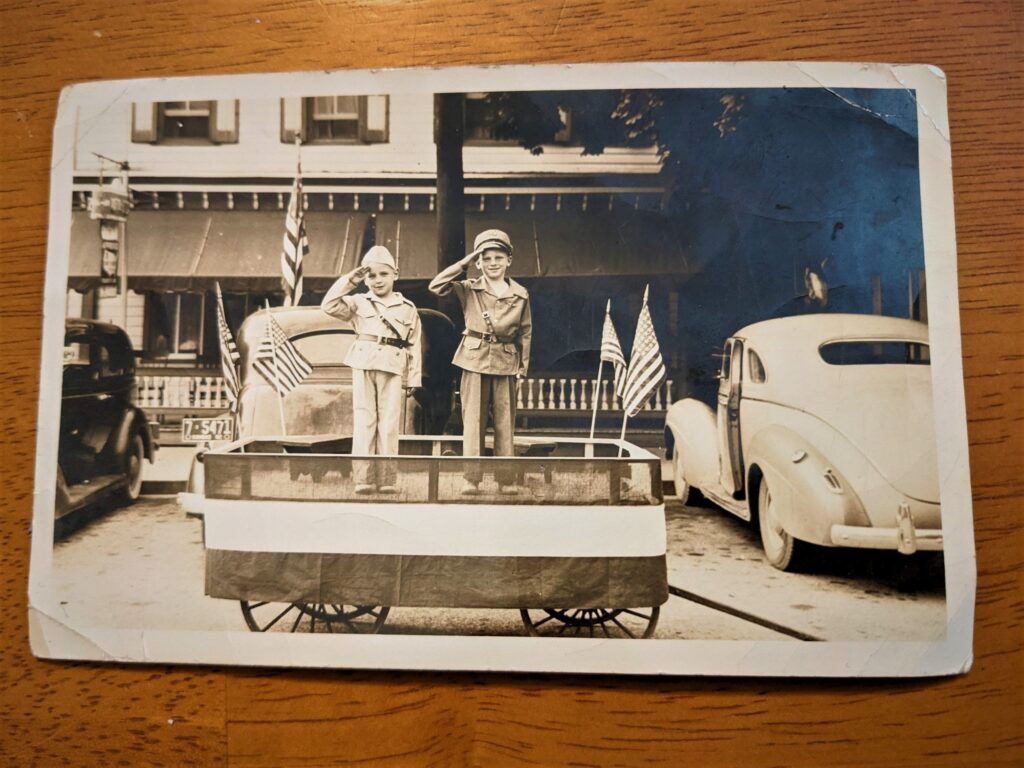
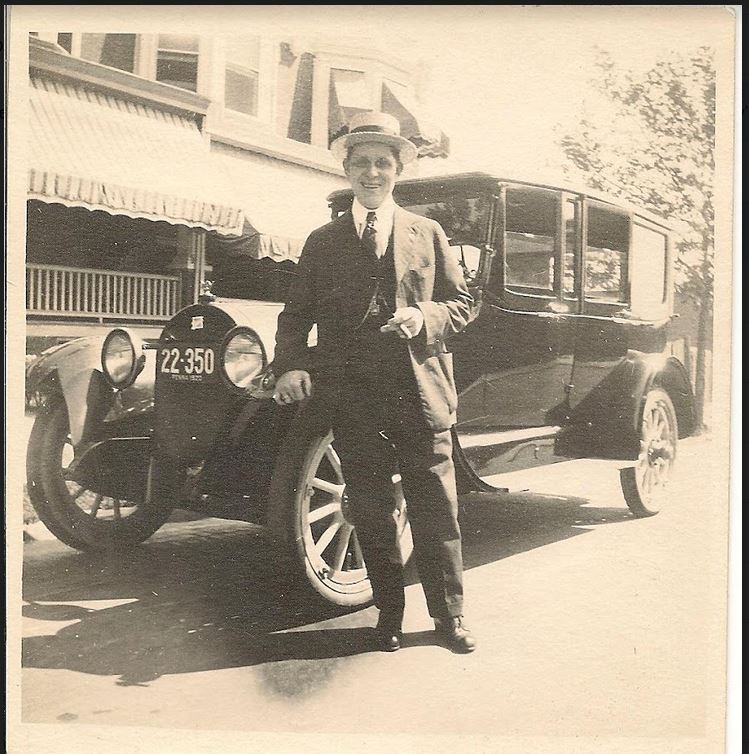
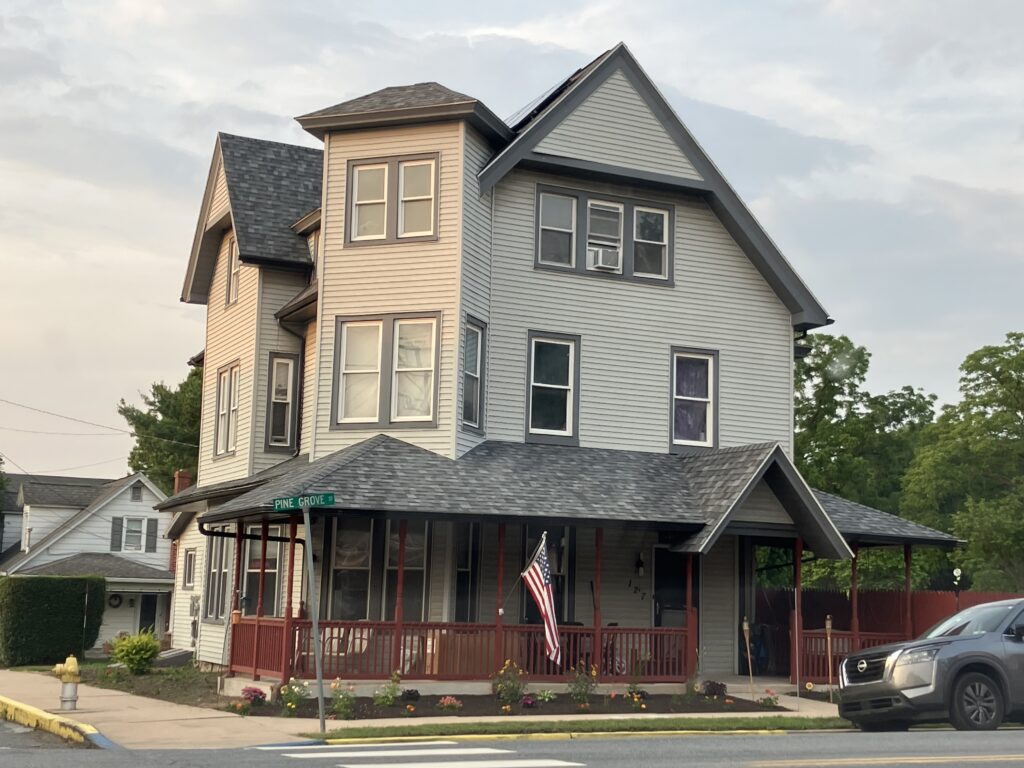
Both Sherk’s and Hauer’s were large two-story homes that had multiple rooms for rent on the second floor.
Hauer’s, which was located at 109 E. Main St., has a connection to a celebrity stay, according to Stouffer. The daughter of the family that owned the Hauer’s Tourist Home told Stouffer that composer Irving Berlin roomed in Fredericksburg at their residence.
Berlin wrote over 1,500 songs during his career, including one of his most famous, “Alexander’s Ragtime Band.” Some of his other popular tunes include “Blue Skies,” “Easter Parade,” “Puttin’ on the Ritz,” “Cheek to Cheek,” “White Christmas,” and “God Bless America.” “White Christmas” is often cited as his most successful song, and Stouffer notes in the book she co-authored that “White Christmas” is the all-time biggest selling Christmas record.
“He was passing through on his way to write the musical part for a movie,” said Stouffer, who noted his musical contributions to movie soundtracks during the World War II era included “Holiday Inn” (1942), “This is the Army” (1943), “Meet Me in St. Louis (1944), and “Blue Skies” (1946). It is believed that Berlin lodged here in that time period while traveling from one coast to the other to compose the musical score for a Hollywood film.
Walborn said his father graduated in the 11th grade but lived for one year in a room in the Sherk home, located at present-day 127 E. Main St., while he attended Lebanon High School for his senior year. “Harry Sherk was a mentor to my father while he lived there,” he added.
Nordland Motor Lodge
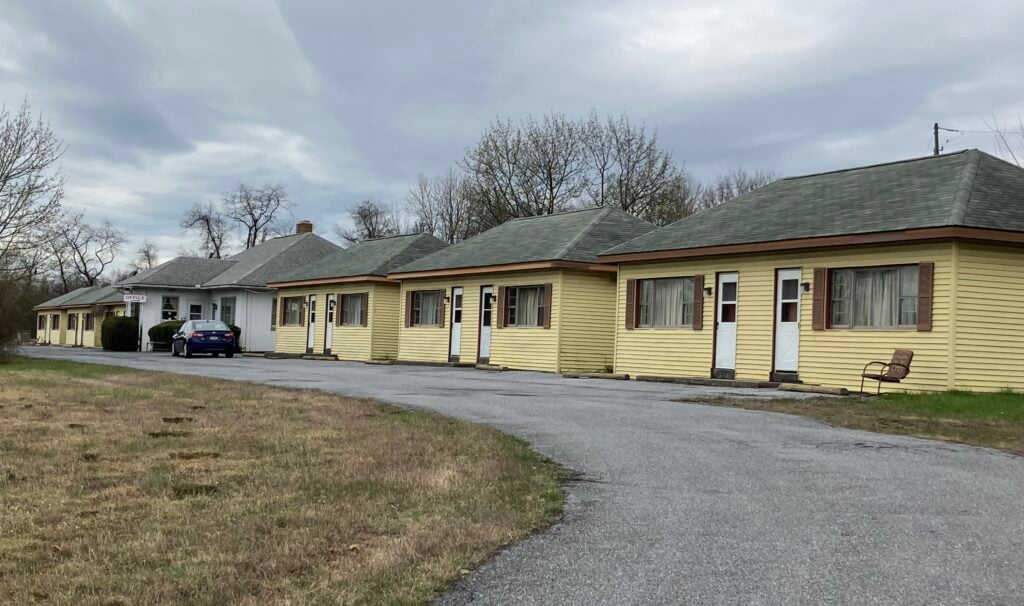
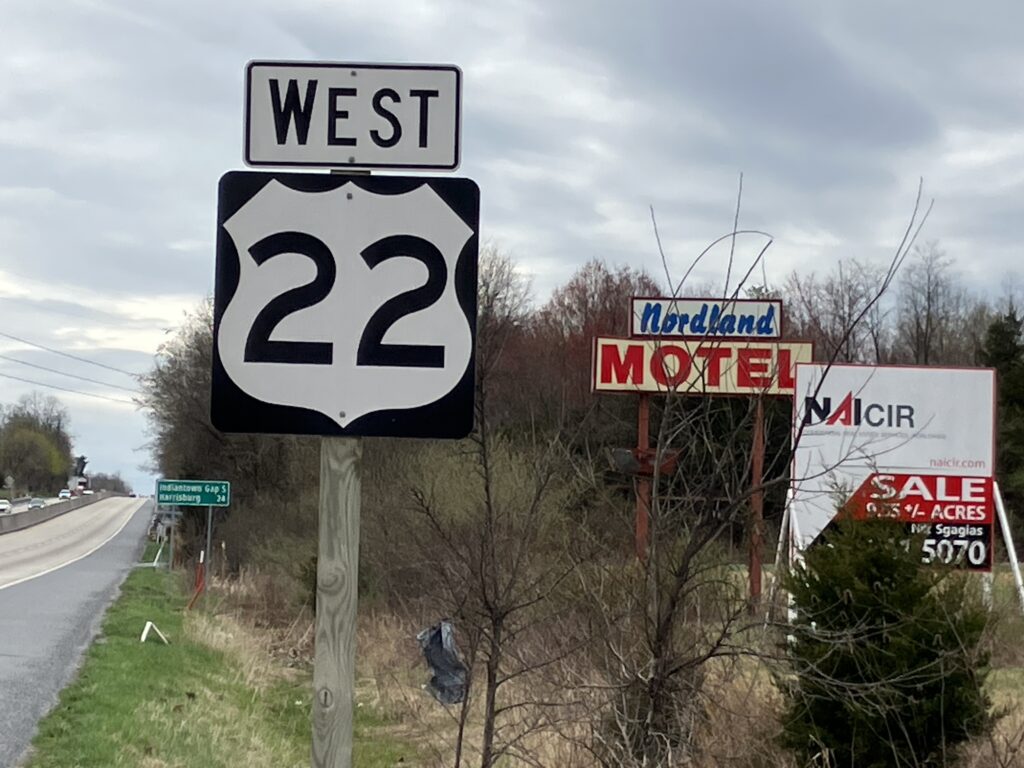
The Nordland Motor Lodge, located west of the Route 72/22 intersection, is still in operation and guests can step back into time to when cottages/cabins were operated by motels. Twelve cabins on the hill overlooking Route 22 offer motorists a place to stay and experience a different era. The motor lodge is billed as “your home away from home.”
The Eagle and Harry Bashore’s hotels
Downtown Fredericksburg had other lodging options as well.
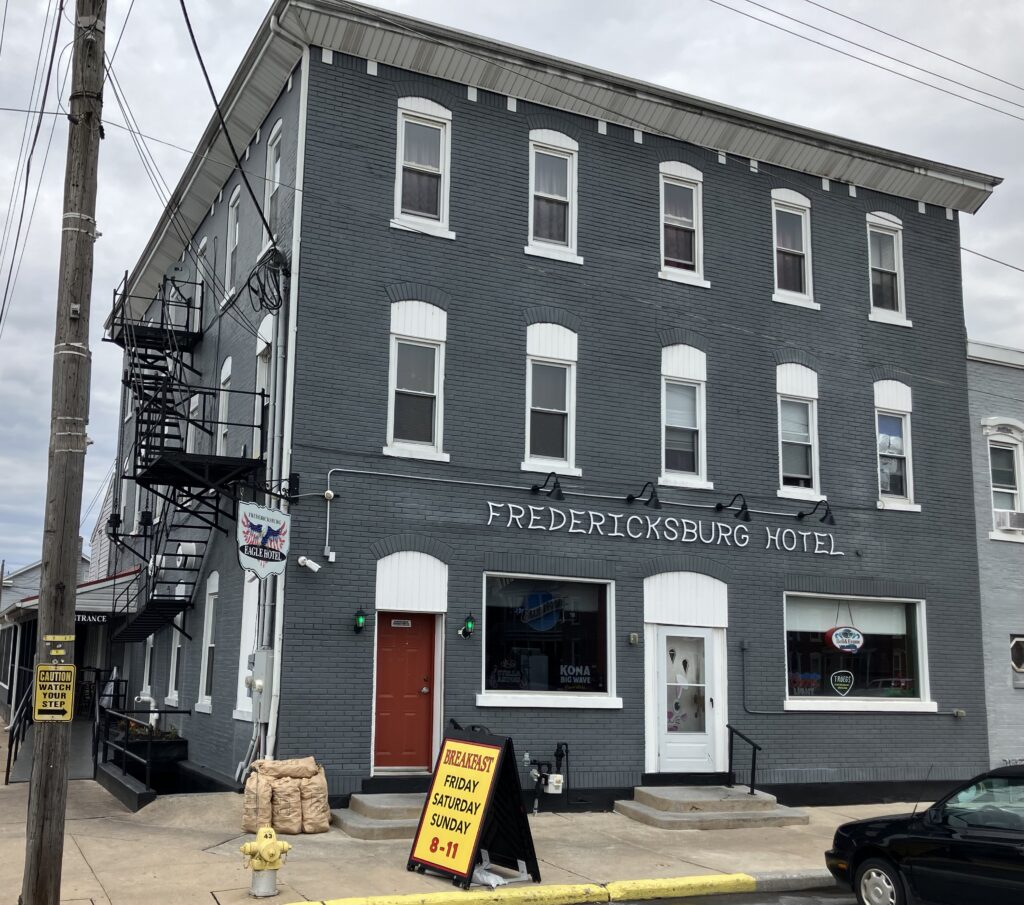
The Eagle Hotel (now Gubba’s Pizza) offered rooms as did Harry Bashore’s Hotel (now the Fredericksburg Eagle Hotel), according to Stouffer. Gubba’s is located at 123 E. Main St. while Bashore’s Hotel, operated from 1941 through 1970, was at 101 E. Main St.
The Eagle Hotel’s website indicates the original building was built in the 1800s. After a fire in 1827 destroyed the town, Percival and Malinda Strauss built a hotel they called the Strauss House.
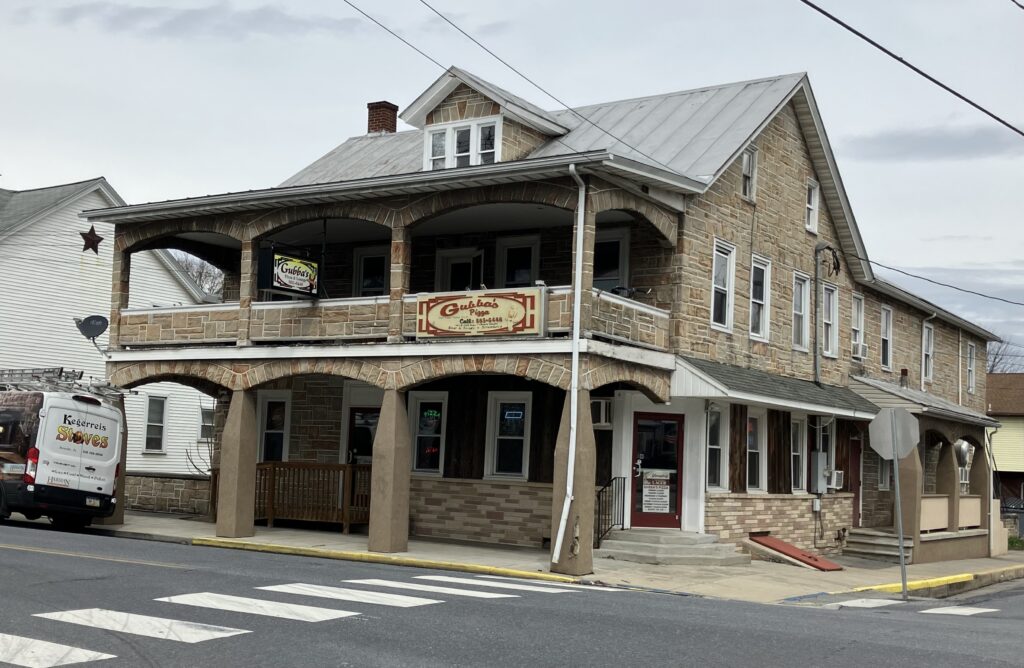
Walborn, who owned the bowling alley next door to the Eagle Hotel, said Warren Zimmerman was the owner of the Eagle Hotel (Gubba’s). Stouffer said both hotels offered food and beverages on the first floor and lodging accommodations on other floors.
“The Eagle Hotel served meals and it was a gathering place for a lot of different folks,” said Walborn. “At that time it was more of a short-term overnight stay kind of place. But they had people who would stay for longer periods of time.”
Other places to stay in the area included the Mont-Calm Tourist Court, near the Berks County line; Cozy Cottage Motel, situated across from Redner’s Warehouse at the southeast corner of Blue Route Road and U.S. Route 22; Boltz’s Motel Esso Service Station, which offered rental cottages; and the Buck Hotel & Tavern. Boltz’s and the Buck were both in Jonestown.
“That many places to stay really shows just how much traffic traveled on Route 22 and through the area at that time,” noted Stouffer.
Questions about this story? Suggestions for a future LebTown article? Reach our newsroom using this contact form and we’ll do our best to get back to you.
Become a LebTown member.
Cancel anytime.
Monthly Subscription
🌟 Annual Subscription
- Still no paywall!
- Fewer ads
- Exclusive events and emails
- All monthly benefits
- Most popular option
- Make a bigger impact
Already a member? Log in here to hide these messages
Trustworthy local news is built on facts. As Lebanon County’s independent news source, LebTown is committed to providing timely, accurate, fact-based coverage that matters to you. Support our mission with a monthly or annual membership, or make a one-time contribution. Cancel anytime.