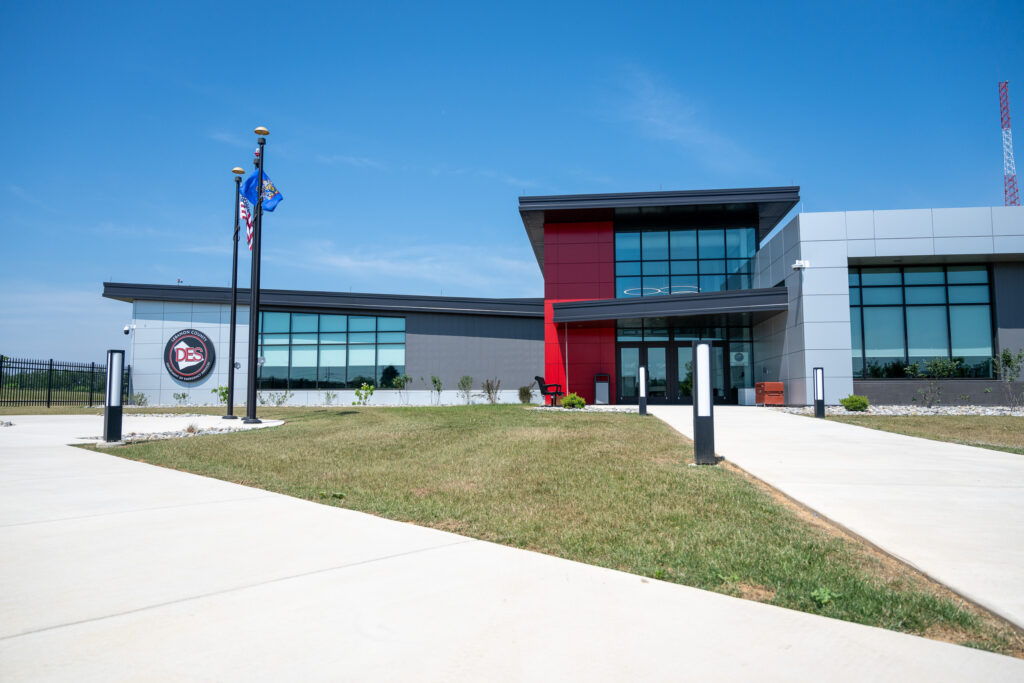
Lebanon County Department of Emergency Services assumed hazmat coverage for Lancaster County for at least the next two months, beginning July 1.
And while it’s too soon to know what will happen come September, there is a possibility that Lebanon County could enter into a regional agreement for hazmat services with its neighbor to the south, according to Bob Dowd, director of the Lebanon County Department of Emergency Management Services.
Dowd noted the possible regional agreement came about very quickly.
Contract negotiations between Lancaster County officials and an independent contractor broke down, meaning their prior service agreement ended on June 30. Lancaster County Commissioners issued a press release noting that HazMat 2 officials told county officials on May 27 that they should start “making plans to replace us” when it became apparent a new agreement could not be reached.
For the short term, Lebanon County was asked to provide hazmat services, in cooperation with hazmat technicians who are Lancaster County employees, through the end of August. Lebanon and Lancaster counties are two members of a larger regional task force for emergency services, according to Dowd.
“This means we will work with Lancaster County DPS, the Department of Public Safety,” he said. “I think if there is a vision, a dream, it would be to work with them to kind of regionalize where we help them build a hazmat team of their own. And then they would jointly certify with us to be a more powerful single unit, I guess you could say. That would give us both additional resources when you need it.”
Dowd further defined what “regional” in this case means.
“To clarify what regional means, it doesn’t mean that Lebanon hazmat would go away or that Lancaster hazmat would be forever underneath Lebanon,” said Dowd. “Regional means you go together and you stop duplicating efforts and resources.”
Dowd said whatever happens in the coming months would have to be a “win-win” for both counties.
He cited examples where one county might be an expert in handling ammonia while the other might be a source for remediating chlorine incidents. In other words, their respective areas of expertise would be an asset to both counties.
“Hazmat calls, especially the big ones, are very infrequent. But when they happen, the more trained bodies you can get, the better off you are,” he added. “The bottom line is nobody can do it alone, so that allows them to utilize us as long as we’re willing, and under that agreement until we can sit down with the commissioners and discuss it and see if it’s something we want to entertain as a permanent agreement.”
Dowd added that Lebanon County has had a mutual aid agreement with Lancaster County for many decades.
“The commissioners have been briefed on the situation, but we have not had a conversation with them yet about what this could look like (in the future) and what the (long-range) terms would be. All of that is still very, very much up in the air,” Dowd said.
He emphasized to LebTown during an exclusive interview that hazmat services will continue uninterrupted throughout Lebanon County during this temporary arrangement, adding that all hazmat team members will never be sent to an emergency scene in another county to preserve local response capabilities.
“For Lebanon County, if there’s an important piece to capture here, it’s that we will not allow any sort of degradation of service to Lebanon County,” Dowd said. “For some reason, if this starts causing issues for the people that we’re responsible for, we’re going to have to end it. They (Lancaster County officials) understand that and that is why they’re willing to help us in the same way we’re helping them.”
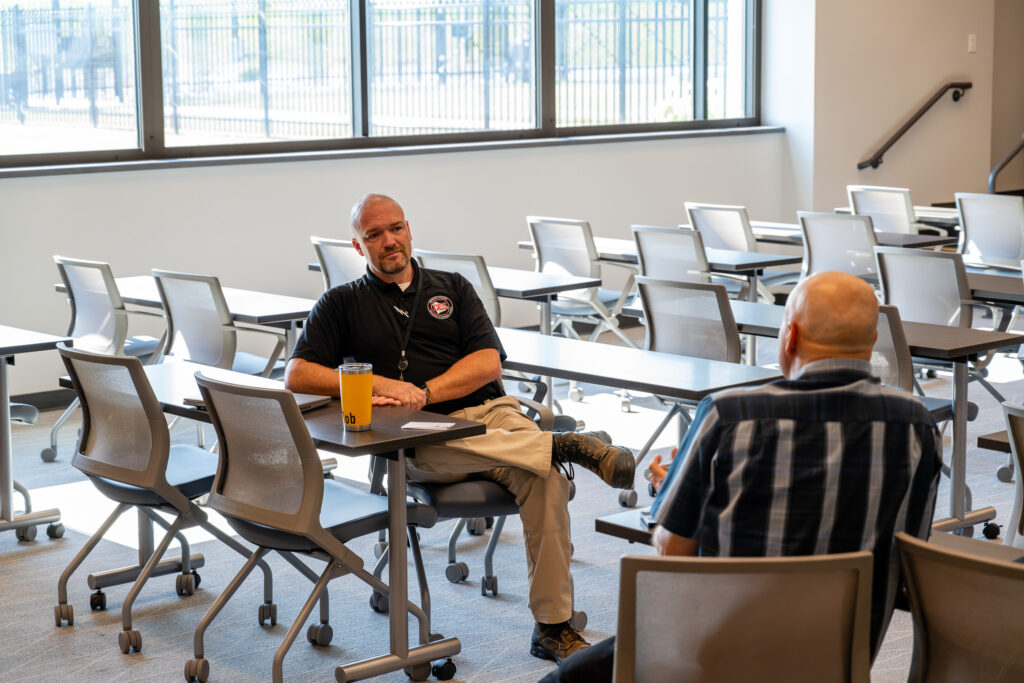
Dowd said mutual agreements go beyond hazmat teams.
“The other piece is under that mutual aid agreement, that stuff happens on a somewhat regular basis. And the same thing kind of applies where it goes well beyond hazmat, this goes to all public safety,” he said. “Lebanon city fire has a unique piece of equipment that might go to Cumberland County and if that every similar resource is needed we might pull it from another county.”
Dowd explained that mutual aid agreements are a long-standing tradition for the nine-member South Central Task Force, which also includes Adams, Cumberland, Dauphin, Franklin, Perry, Schuylkill, and York counties.
“We all respond to each other’s calls as long as you are asked,” he said. “It’s also worth noting that these agreements are not an uncommon thing. Right now, Dauphin County is covering Schuylkill County.”
And, he said, those agreements work.
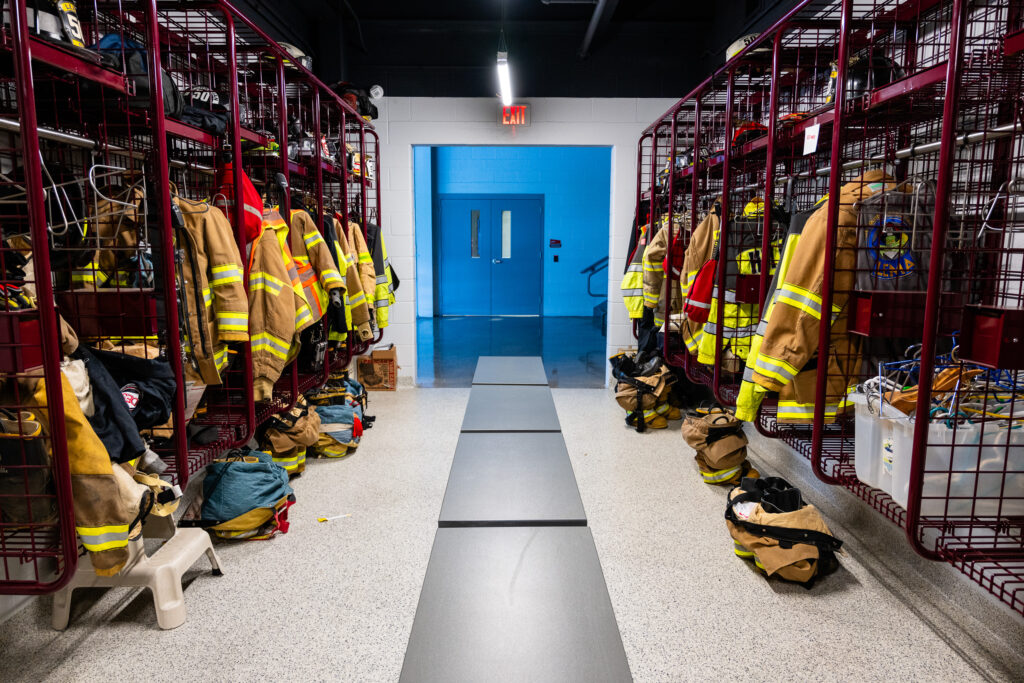
“All of our counties in the task force region have this existing mutual aid agreement and it works pretty well. The hazmat teams specifically all work together. You know, they train together. They meet on a regular basis,” Dowd said. “And that’s been going on for decades at this point.”
LebTown asked why a temporary agreement was needed if the two counties already have a mutual one in place that has worked for decades.
“That’s a great question, and the answer is that mutual aid agreement is not intended to be a permanent solution,” Dowd said. “It’s fine for use for a single call or for a few weeks or a few months, but the permanent solution is that Lancaster County needs to either have their own (hazmat team) or contract. … But the answer to that question is Lancaster County has the obligation just like Lebanon County to have a team of record as your permanent hazmat team and the mutual aid is really just intended to be temporary.”
This means that the Lebanon County Department of Emergency Services will have to learn the will of officials from both counties as all concerned look at options beyond September.
“Once we all start to sit down at the table and discuss this, that timeline could certainly shift. But the bottom line is we want to have those discussions now. We need to have those discussions now,” Dowd said. “Because if it’s not going to work, there’s going to be some gigantic roadblock, we want them to have what they need to start working towards whatever solution they’re gonna have to make that happen.”
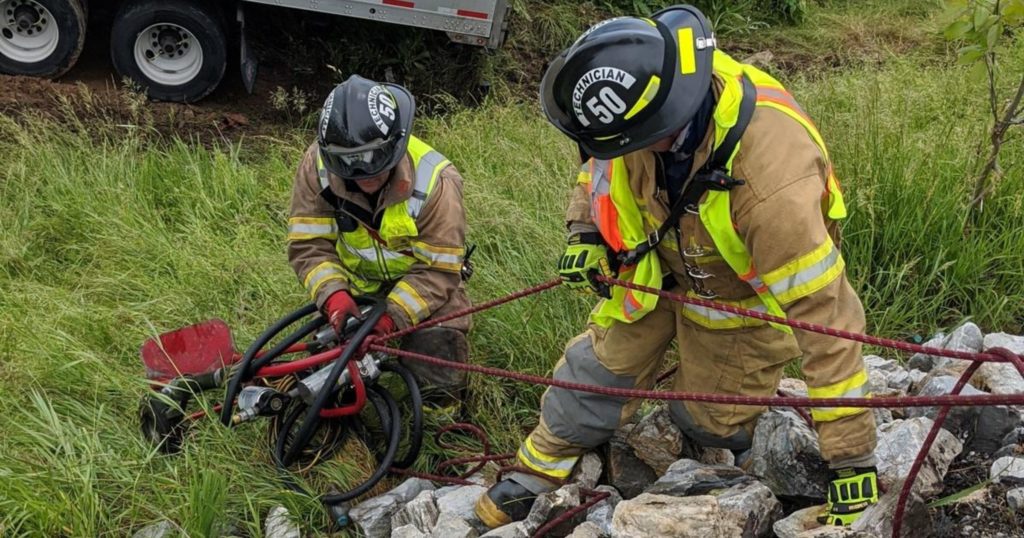
A possible roadblock would be if an agreement that benefits both counties is unattainable.
“This is an opportunity for both of us to gain something. No one is okay with this being one-sided, so any agreement is going to have to be beneficial for everybody,” added Dowd.
Questions about this story? Suggestions for a future LebTown article? Reach our newsroom using this contact form and we’ll do our best to get back to you.
Support Lebanon County journalism.
Cancel anytime.
Monthly Subscription
🌟 Annual Subscription
- Still no paywall!
- Fewer ads
- Exclusive events and emails
- All monthly benefits
- Most popular option
- Make a bigger impact
Already a member? Log in here to hide these messages
Free local news isn’t cheap. If you value the coverage LebTown provides, help us make it sustainable. You can unlock more reporting for the community by joining as a monthly or annual member, or supporting our work with a one-time contribution. Cancel anytime.