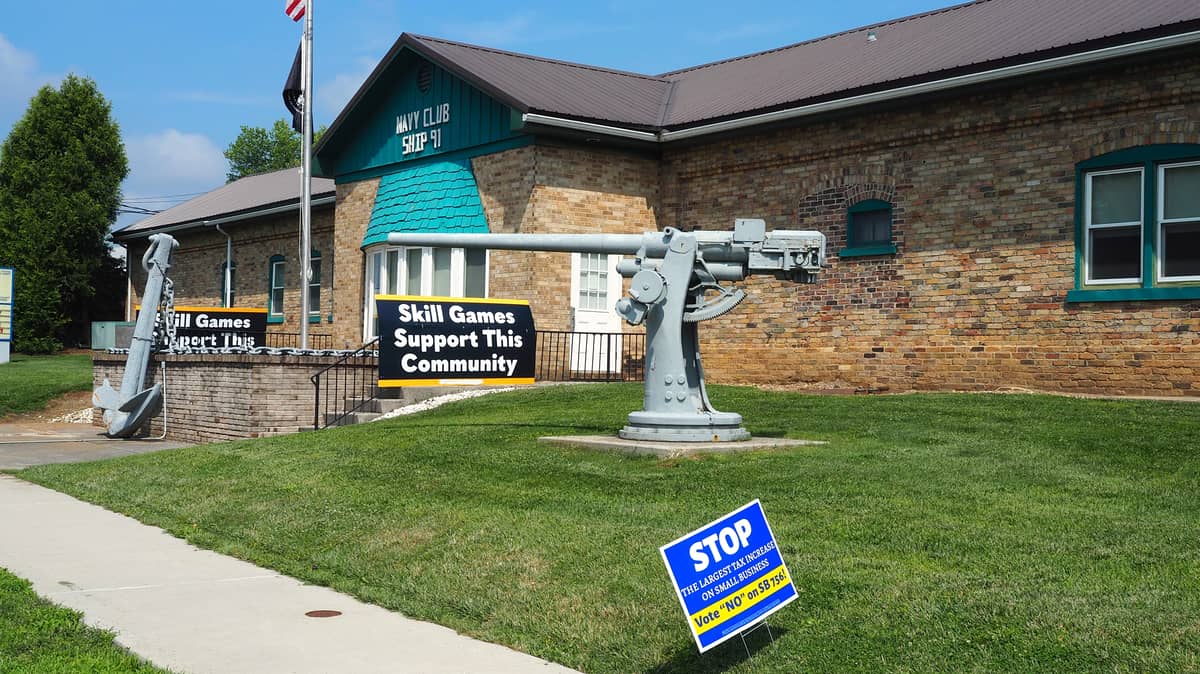

Supporters of local bars, fraternal organizations, and social clubs showed up at Lebanon’s Navy Club on Thursday evening, July 10, to show their support for what they consider reasonable taxation and regulation of “skill games,” the popular video terminals that Pennsylvania courts have so far ruled are not gambling devices.
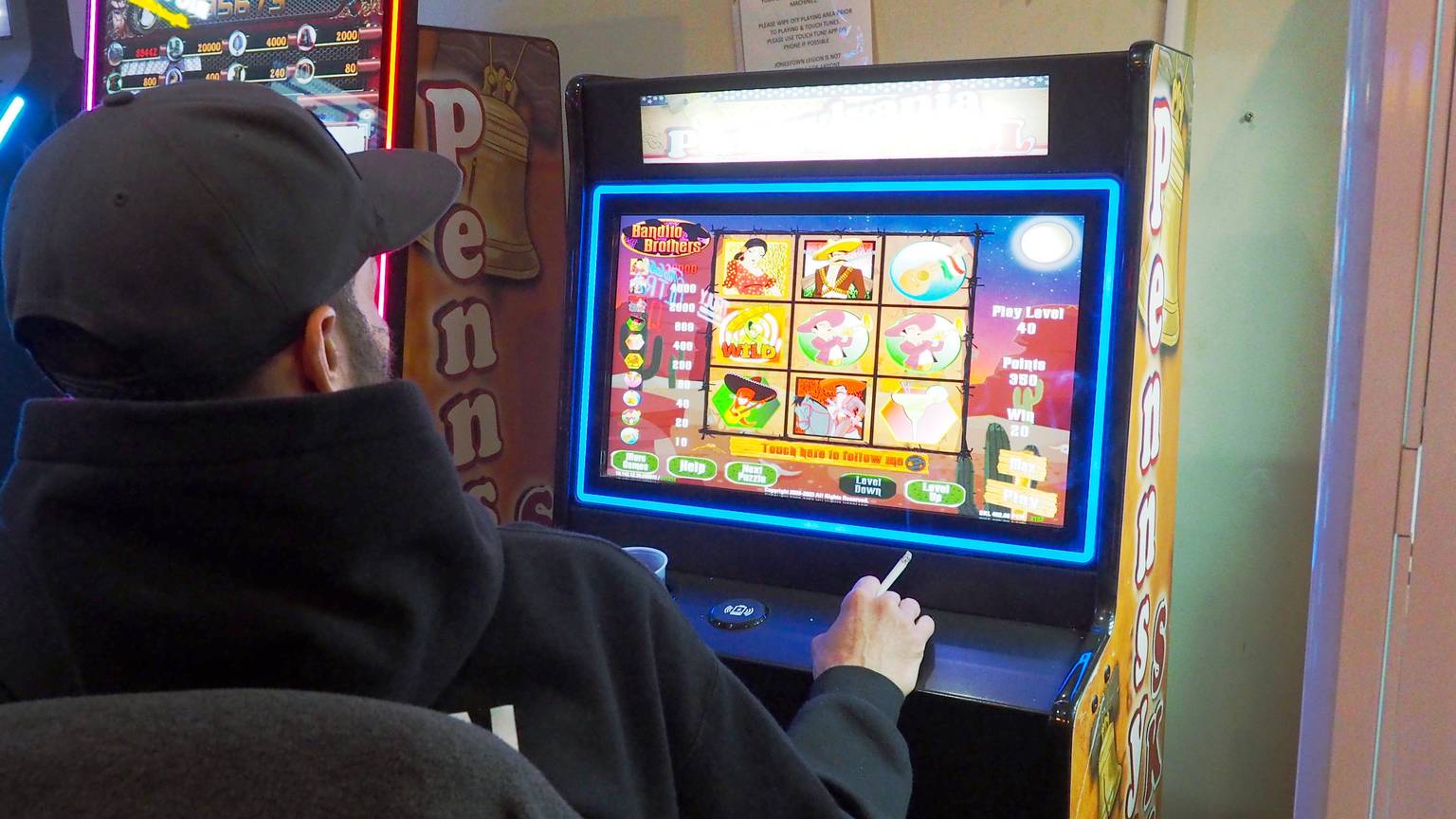
Unlike casino slots, skill games aren’t licensed, regulated, or taxed in Pennsylvania. This has made them a popular and dependable revenue source for clubs and taverns throughout the commonwealth.
Proponents say skill games differ from casino slot machines because they do not depend on pure luck to win. Players have to demonstrate some amount of skill to earn a payout and can, theoretically, win every time they play.
Skill games, along with recreational marijuana and a broadening of Pennsylvania’s retail sales tax, are rumored to be on the table as state legislators struggle behind closed doors to come up with an annual budget, weeks after the June 30 deadline has passed.
While local organizations are the most visible beneficiaries of skill games revenue, a broader fight underlying the issue is between Pennsylvania’s casino industry and the skill games industry, headed in Pennsylvania by Georgia-based Pace-O-Matic, the nation’s largest distributor of skill games, and Lycoming County’s Miele Manufacturing which builds Pace-O-Matic games in Pennsylvania under the label “Pennsylvania Skill.”
Both are backed by well-funded lobbying campaigns and political action committees that have contributed to both Republican and Democratic state legislators.
Gov. Josh Shapiro favors a 52% tax on skill games revenue, the same rate paid by the casino industry. State Senator Eugene Yaw, whose Lycoming County district includes Miele Manufacturing, has introduced a bill calling for a 16% tax.
Read More: Local stakeholders rally for regulation, fair taxation of popular ‘skill games’
Lebanon County state Senator Chris Gebhard has introduced his own bill, which calls for 35% tax on skill games, a figure he says he chose as a starting point for negotiations, because it is midway between 52% and 16%.
Gebhard’s bill has drawn criticism from local skill games advocates such as Lebanon’s Shay vending, who are firm on a 16% rate.
Read More: Gebhard skill games bill opposed by lobbyists and local amusement company
In contrast to an earlier rally in April, Thursday night’s event did not feature any local elected officials or policy discussions. Instead, representatives of local organizations told attendees why they depend on skill games revenue.
Tim Sholly of the Annville VFW said skill games money enabled his organization to renovate its 50-year-old building, and “we were also able to give our staff a bump in their paycheck and also offer them health insurance because of what the skill games have drawn in for us.”
Sholly also noted that a large portion of skill games revenue stays local and benefits local causes, in contrast to casino earnings.
“I know a lot of you guys from different clubs donate to your local communities, the baseball teams. I know a lot of people here also donate, like us, to the Rescue Mission, Developmental and Disability Services, or Sertoma, right? Think about how many community events, how many clubs or organizations benefit from the money we make from the skill games.”
“And I think that a lot of the the people up in Harrisburg, don’t realize that. I have yet to see the casinos buy the Little League baseball team their uniforms. I don’t hear the casinos donating to the rescue missions. I don’t hear them supporting any other groups that benefit kids or scouting or what have you.”
Dan Geesey of the Navy Club noted that in the traditionally slow summer months for clubs, “we can keep our doors open, we can keep the lights on” with a reliable stream of skill games revenue. “If this bill [Senate Bill 756, Gebhard’s 35% tax rate proposal] goes through, we’re screwed.”
Jeff Millay, representing Miele Manufacturing, and Pace-O-Matic lobbyist Mike Barley also spoke briefly on Thursday evening. Millay emphasized that demand for skill games leads to hundreds of Pennsylvania jobs at Miele and Miele’s suppliers.
Barley predicted that Gebhard’s proposed 35% tax rate, if enacted, could actually end up at 40% or more because of “an uncapped tax that would go towards administrative costs for the Pennsylvania Gaming Control Board.”
Questions about this story? Suggestions for a future LebTown article? Reach our newsroom using this contact form and we’ll do our best to get back to you.

Keep local news strong.
Cancel anytime.
Monthly Subscription
🌟 Annual Subscription
- Still no paywall!
- Fewer ads
- Exclusive events and emails
- All monthly benefits
- Most popular option
- Make a bigger impact
Already a member? Log in here to hide these messages
Local news is a public good—like roads, parks, or schools, it benefits everyone. LebTown keeps Lebanon County informed, connected, and ready to participate. Support this community resource with a monthly or annual membership, or make a one-time contribution. Cancel anytime.