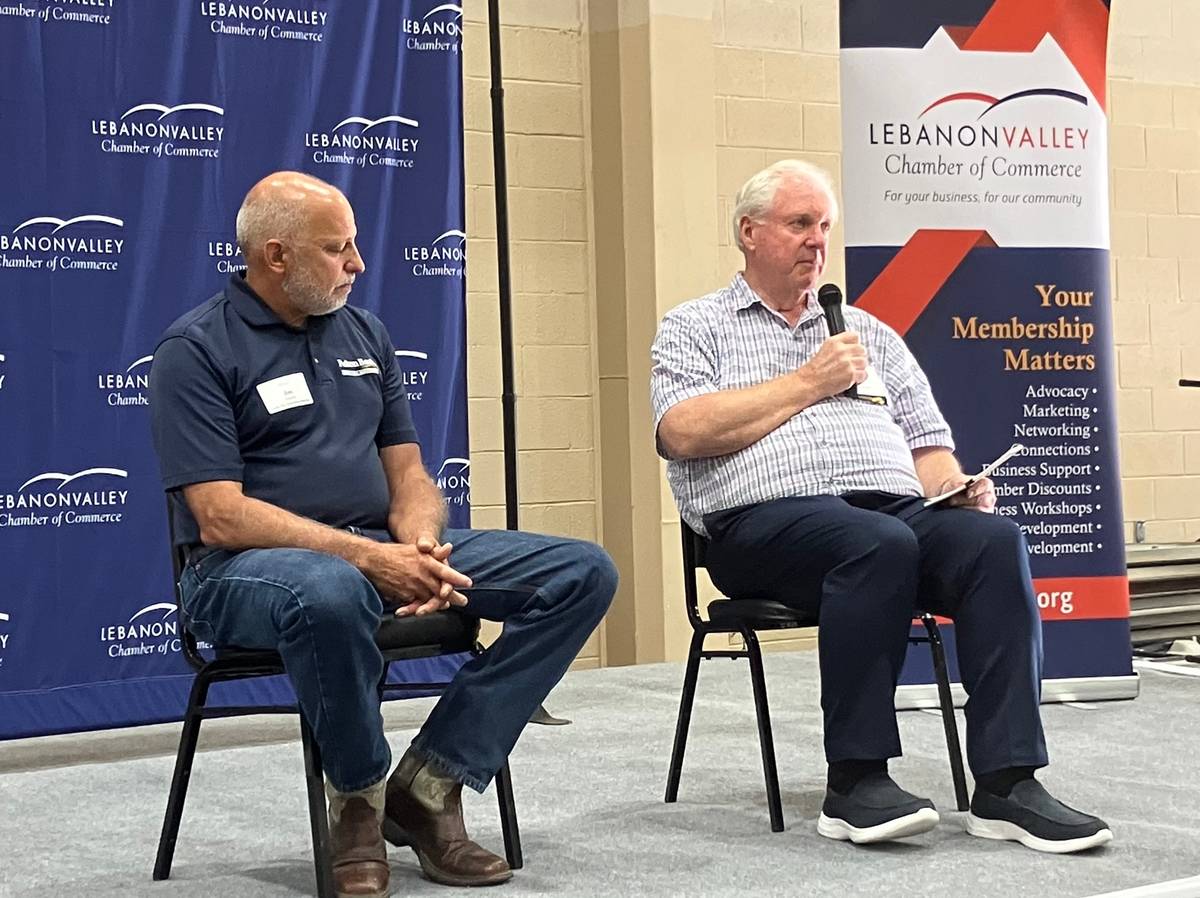

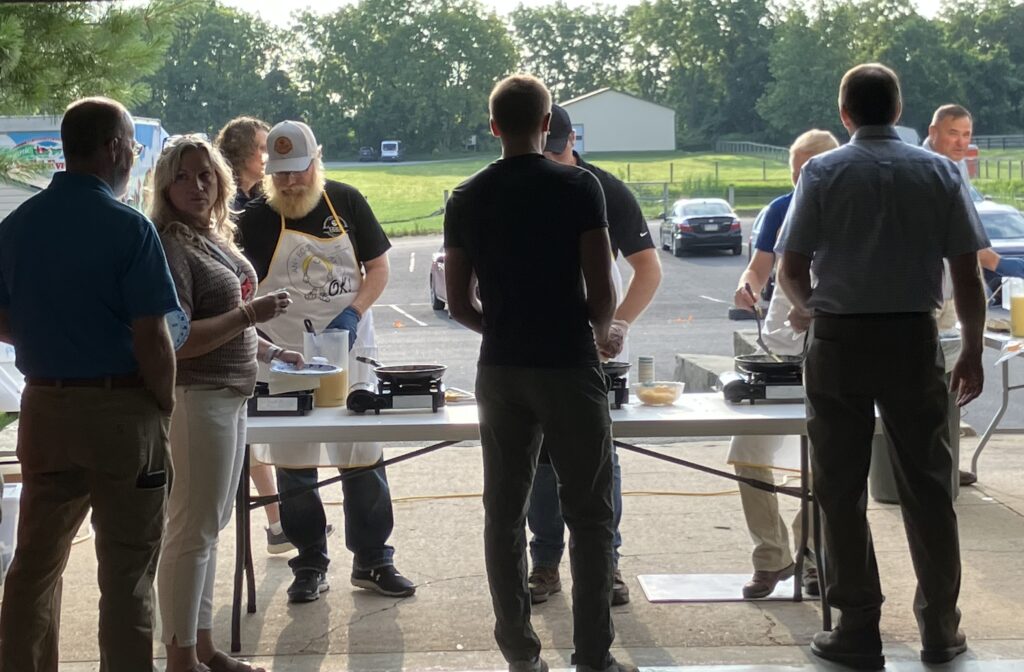
Bell & Evans owner Scott Sechler shared some of the secrets to his company’s success during the annual Breakfast at the Fair at the Lebanon Area Fair on Tuesday morning.
Breakfast at the Fair is sponsored by the Lebanon Valley Chamber of Commerce.
During his 45-minute keynote address, which included a question-and-answer session with about 150 attendees, Sechler highlighted among other topics animal welfare and what differentiates his poultry company from the competition.
On animal welfare
It was evident that the welfare of his animals is one of the most important components to the company’s success since it was the one topic he spent a large portion of his allotted time addressing.
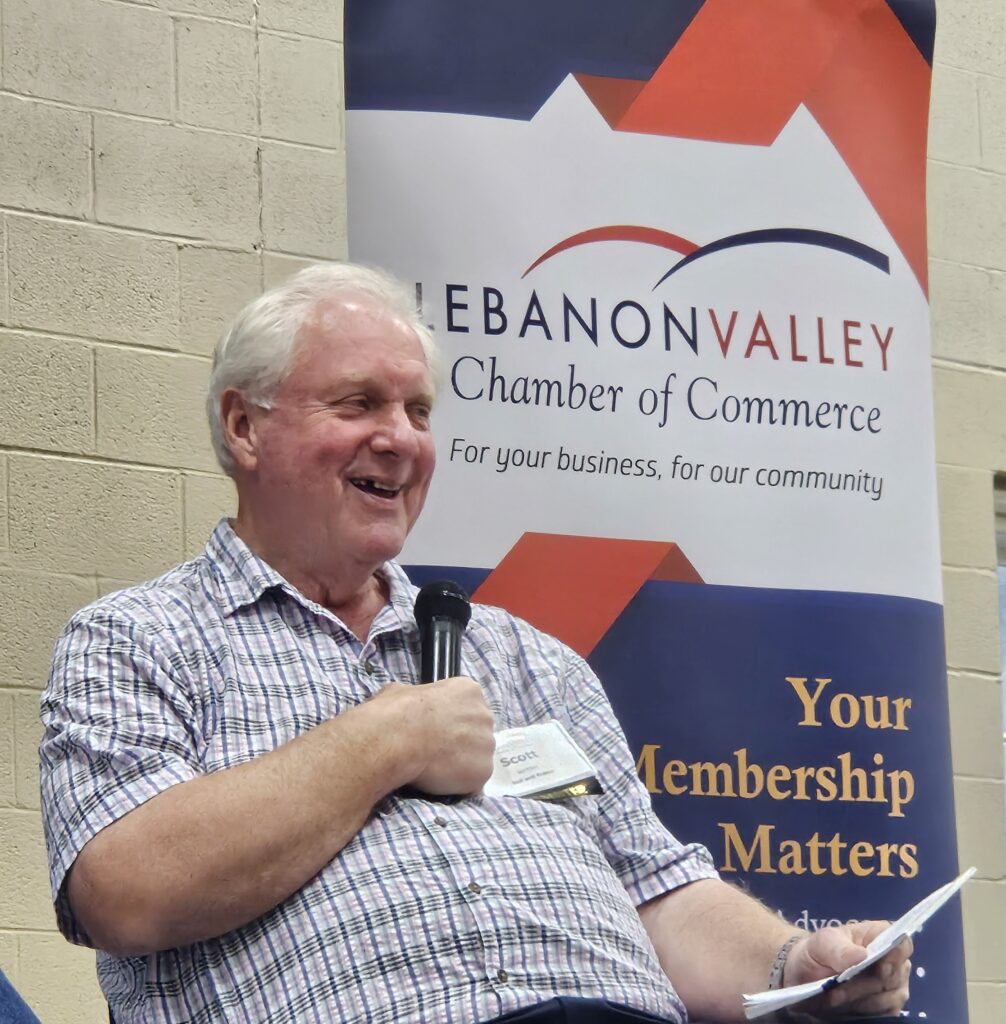
Sechler said he learned at an early age from his father, who owned a dairy operation, that happy animals are more productive – a philosophy that’s still the heart and soul of Bell & Evans‘ company values today.
“When I was a kid, my dad used to say, ‘If you talk to the cows and you sing in here, they’re gonna give us more milk,'” he recalled. “And so over the years with the chickens, they used to say, ‘You know what? When you walk through the barn, you can pray, you can sing, complain about politics, talk about your neighbor, talk about something, but the person’s voice is so important to producing happy chickens.’ Animals like a person’s voice, and you can relate to that with your dog or cat or lots of animals.”
Talking to his chickens is an idea that some used to find funny, but the fact is that one of the top poultry producers in the nation has had the last laugh. Today, Bell & Evans sells 450,000 chickens per day, while in 2017 the Lebanon Daily News reported they sold 1 million per week.
“We talk about our chickens being happy, and so even Perdue added that to its commercial recently. One time people laughed about that,” Sechler said. “People still laugh about the Wagyu from Japan and how they massage them. You know what? Animals like a person’s voice. If you spend time in the chicken house, you can’t talk to each animal, but you can talk.”
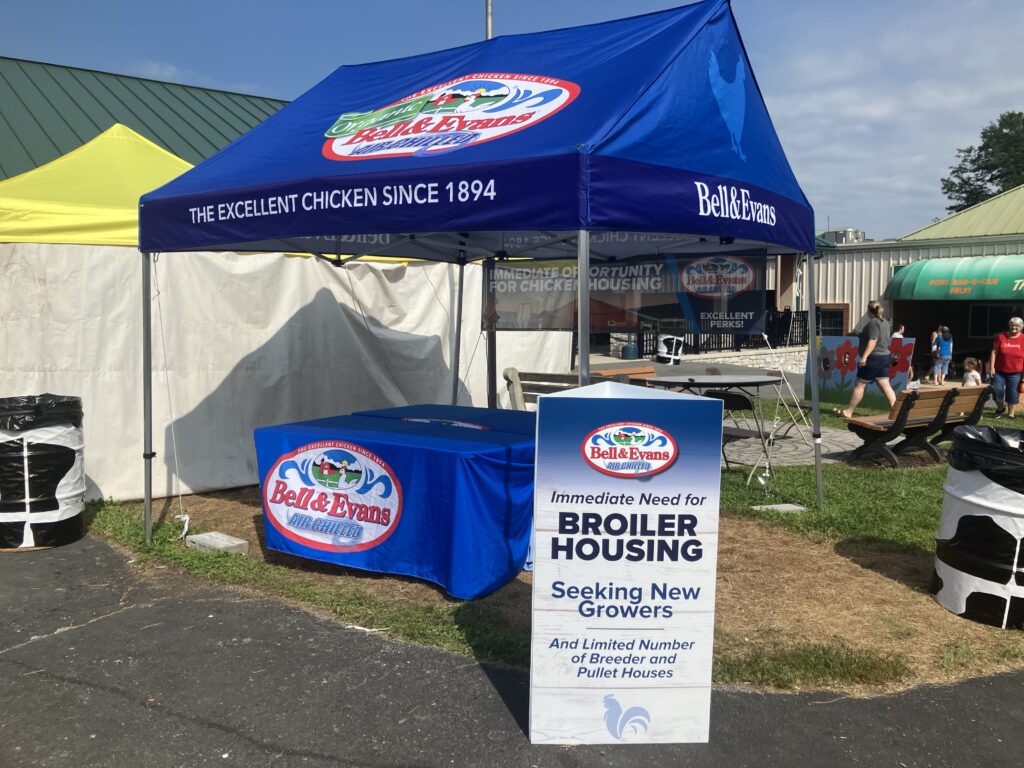
Sechler noted the difference with their product compared to his competitors is how the animals are treated.
“So people wonder why our chicken breasts are so tender, and why our chickens taste the way they do. Why is Bell & Evans so different? Well, it starts out with animal welfare,” he said.
Sechler said stress reduction is a major influencer in a broiler’s growth over its lifetime, which lasts about 40 days. Their birds are raised to be an average size of 5.6 pounds.
“Minimizing stress (is) the one thing that we have on our record that’s pretty darn good. In minimizing stress, we never had the avian influenza. And today we own more chickens in Pennsylvania than anybody, and we’ve lived through this (virus) since avian influenza started back in the early ’80s,” Sechler said.
Sechler said many solutions are floated to control the virus, but he said stress reduction is at the core of having happy animals and lessening illness in them.
“If you have too many chickens on the farms, the house is too crowded, the chickens don’t hear the voice of the farmer. You know, all of a sudden, we’re more susceptible to problems,” added Sechler.
Humane treatment during their lifetime is evident in the product a consumer sees in the store, he added.
“You know, that animal welfare is a direct result of what you take home to the kitchen table, but it’s also a reflection of the life of that animal,” said Sechler. “So if you have an animal in really good health, and somebody walks through whatever crap coming out of the sky, you may not necessarily get it in your (bird) house. Your birds may be strong enough that they don’t get sick and you don’t need medicine.”
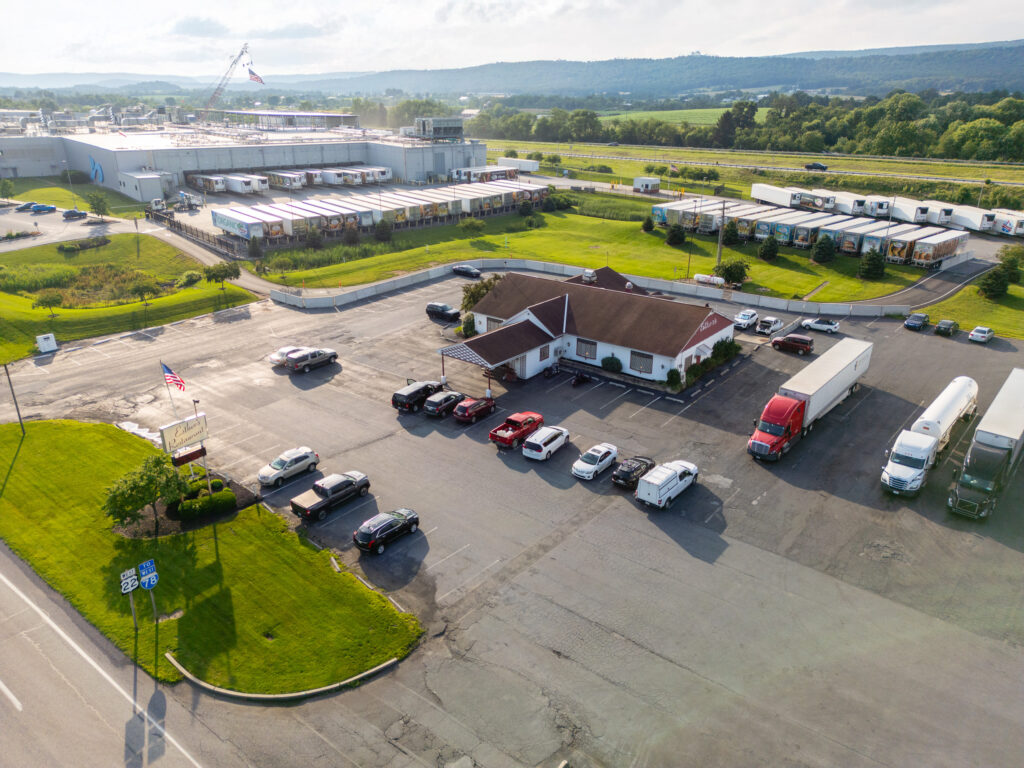
Certified organic by the U.S. Department of Agriculture, Sechler’s animals are not given antibiotics and are fed organic feed.
“So I still believe that animals, you can do a lot with animals without medicines, just treat them good, treat them right. Make sure the air’s right, the feed’s right, and maybe it’s good if you talk to them once in a while,” Sechler said.
Treating them right begins the moment they hatch at the company’s hatchery. During his remarks, Sechler said there’s a plan to build a second Lebanon County hatchery in Fredericksburg.
“Our competitors’ chickens, they don’t have feed and water until they get to the farm. … I learned working with this Dutch guy that if they had feed and water (when) they come out of the shell, it only takes a few minutes. They find their way to water and feed,” Sechler said. “Our chickens are three days ahead of our competition. We don’t need to necessarily buy growth, but we buy health. So people wonder how we have 98% livability with our organic chicken program, with no antibiotics, and without cheating.”
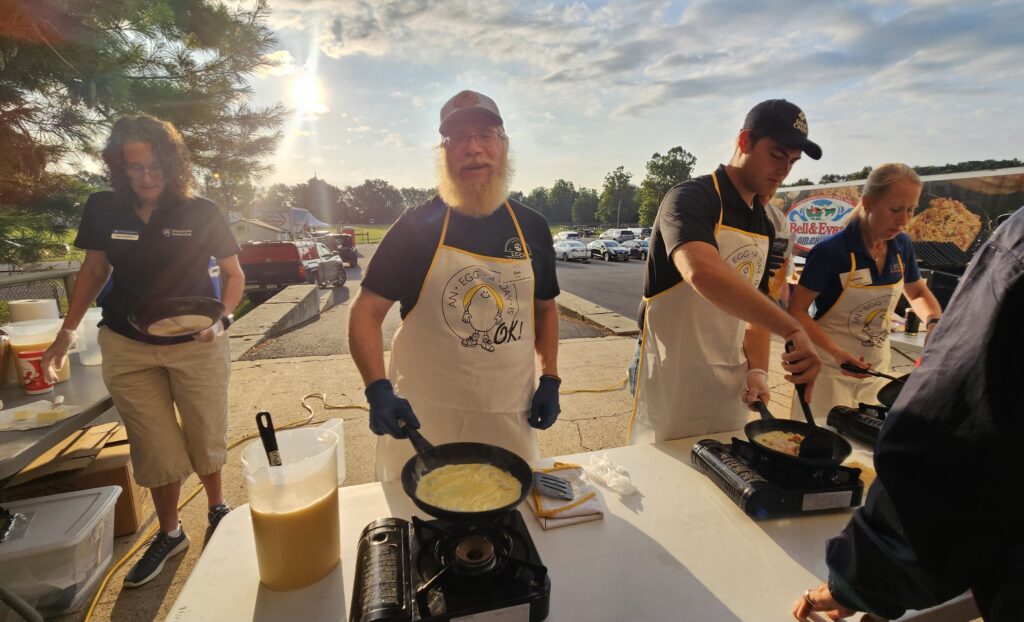
Animal welfare is also important when the animals come to the plant to be processed.
“So today what we deliver in our brand is something very, very special with animals that we take really good care of. We bring them into the plant, We have a whole lot of animal welfare things all the way. I could write a book on it,” Sechler said.
He referenced his “buddy” Temple Grandin, who advised him on animal welfare before she became a celebrity in the world of production agriculture.
Grandin spoke this year at the Pennsylvania Farm Show about her life-long work with animal welfare and the movie made about her many agricultural achievements as a person living with autism and a young woman who wasn’t taken seriously in the male-dominated agricultural industry of the 1970s.
Read More: Animal welfare advocate Temple Grandin addresses Pennsylvania Farm Show
Sechler shared the banter and some of the back-and-forth discussions they shared about 20 years ago concerning humane processing methods that ensure the birds don’t suffer.
“Today, we still have a system where we put them to sleep like anesthesia, just like when you go and get an operation at a hospital. They have no pain when they’re hanging upside down,” Sechler said. “We don’t have to buy tenderization equipment for our breasts. We don’t have to do a lot of things that everybody else does. If you do things right, you don’t have to be part of the industry of tenderizing after the chicken is processed and before it goes to market.”
On being organic
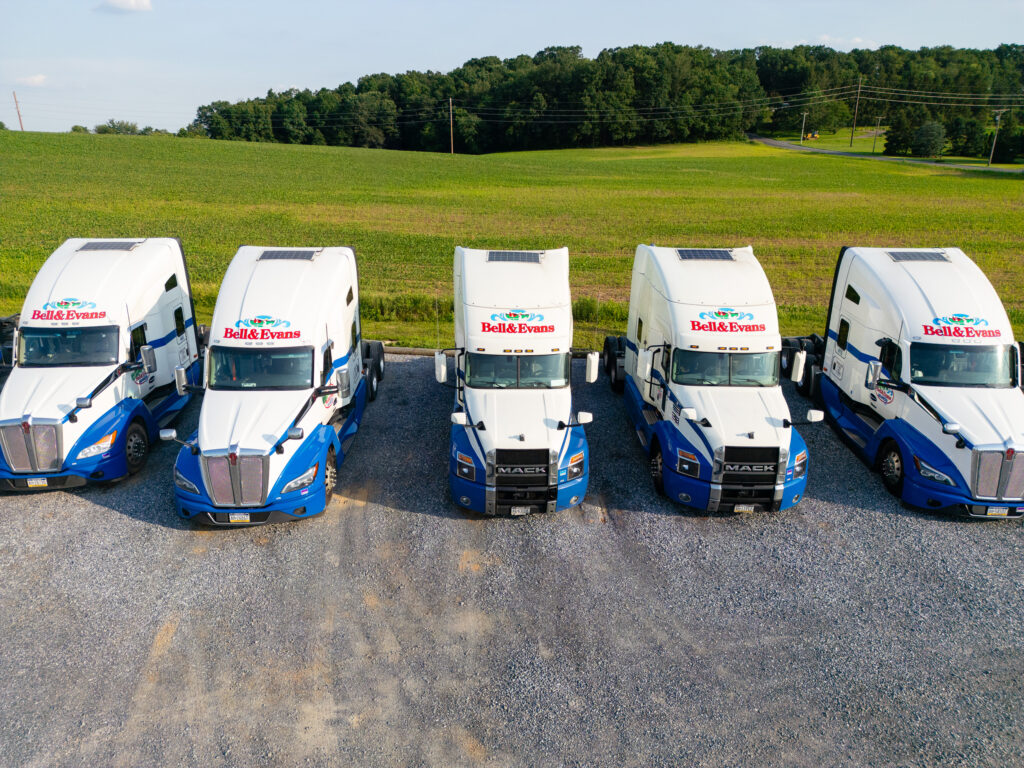
“The one thing that we do a really good job of is (using) organic grain. I think we’re the only company in America that buys strictly 100% organic grain from America,” said Sechler.
He added again that his company is always seeking new grain growers, noting that most of what he purchases is from midwestern states. He’d like to hire more grain growers closer to home.
On human welfare
Sechler said his company puts a premium on the people in their employ, another secret to the company’s success.
“We’re close to 2,500 employees, so we expect that to double over the next couple of years. And our numbers would be at least 1,000 more if it wasn’t for innovation,” Sechler said. “So one of the things we learned along the way is we need to make people more valuable so we can compete with anybody.”
Sechler said Bell & Evans employs doctors, nurses, CPAs, engineers, and “all kinds of people in all kinds of categories.”
“So if anybody knows anybody who wants a job at Bell & Evans, we pay really well, we feed you really well, and you get discounted chicken,” Sechler said. “We’re looking for more employees and we’re looking for more growers. We’re signing up growers left and right – and we don’t take new (retail) customers anymore.”
On their markets
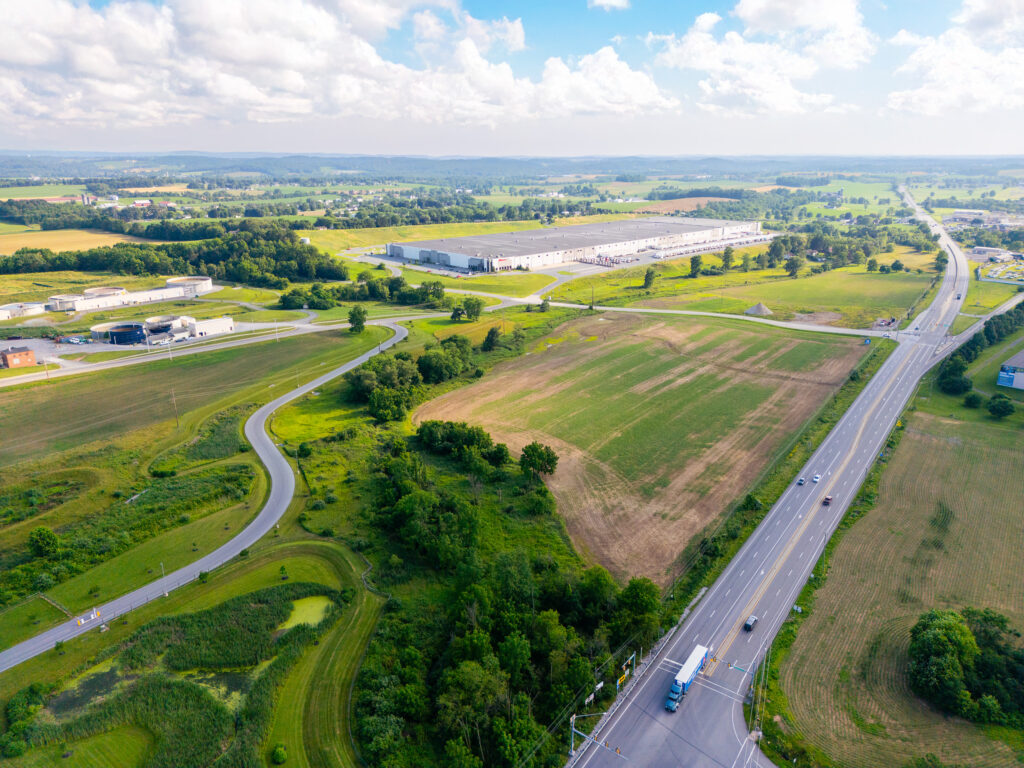
Sechler said his company’s growth is coming from existing customers like Wegman’s, Whole Foods, and other existing retailers. His company is not adding any new customers with new growth happening when his customers expand.
Although not explicitly stated, a “problem” – which may be a good one to have – is that the company is currently experiencing a high volume of chicken consumption by consumers.
“Our problem now is that people eat too much chicken. So the average consumption per capita is about 99 pounds a person. But I think we’re ahead of beef. We’re growing more so than any other protein. The problem we have is people that buy Bell & Evans chicken are eating 300 pounds a year,” Sechler said. “Chicken for breakfast, chicken for lunch, chicken for supper. I said to our guys, ‘We soon have to put billboards up (that read): Eat more pork. Eat more beef.’”
On company growth
“So we are getting ready to build another slaughterhouse behind the one we just built three years ago. So at some point, we expect to be doing 6 to 7 million chickens a week on the hill there, where we are now,” said Sechler. “And now we’re getting ready to build a new hatchery. It’s a Dutch hatchery. … And so we are now on the way to do a few things differently than the industry. And it’s paying off.”
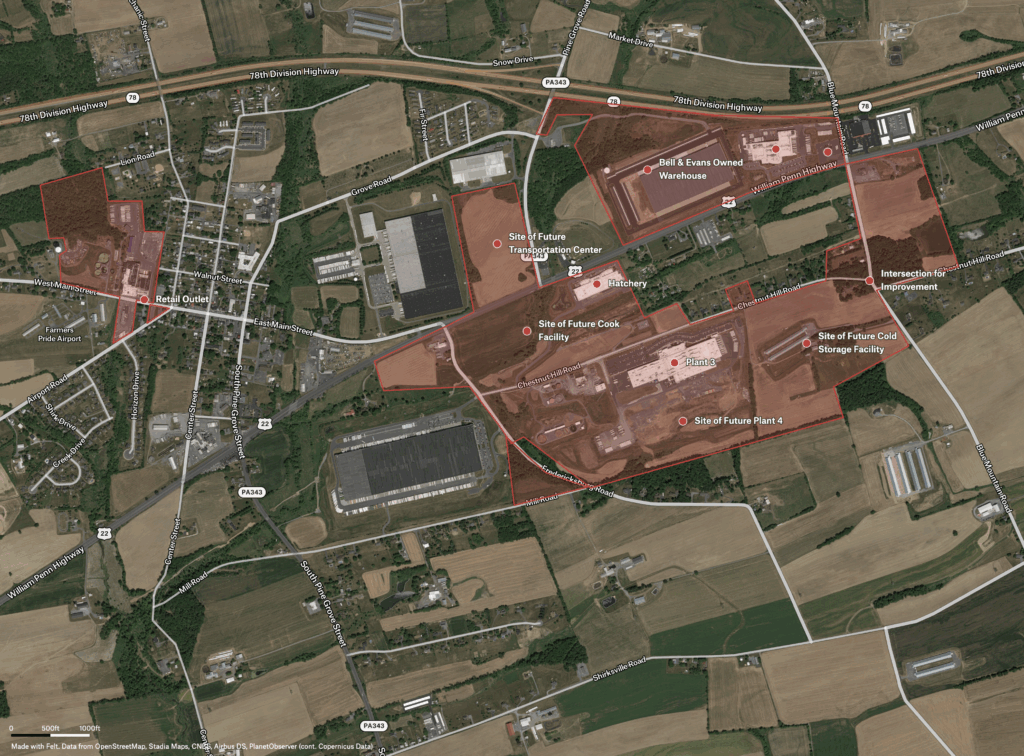
LebTown had previously reported other growth plans of the poultry producer that were outlined to Bethel Township planning officials last December. The company’s headquarters and production facilities are located in Fredericksburg.
Read More: Bell & Evans officials lay out long-term goals to Bethel Twp. planning officials
A cold storage and processing plant, a Cook Plant for ready-to-eat meals, a transportation center, and a grain facility are some of the current future plans for planned internal growth. Bell & Evans also plan to build additional processing facilities at plants 2 and 3.
Sechler said his company, which is privately owned, is able to expand because it isn’t beholden to stockholders.
“My new plant’s three years old, and the next new plant in America is likely to be ours. The newest plant that the industry has in the Perdue world is … 38 years old in Kentucky. Sanderson built a few new plants, one about six or eight or ten years ago. But the big guys haven’t been building new plants because they’re all worried about making money,” Sechler said.
On Fireman’s Park
Sechler fielded during the final portion of his presentation some questions and comments from the audience.
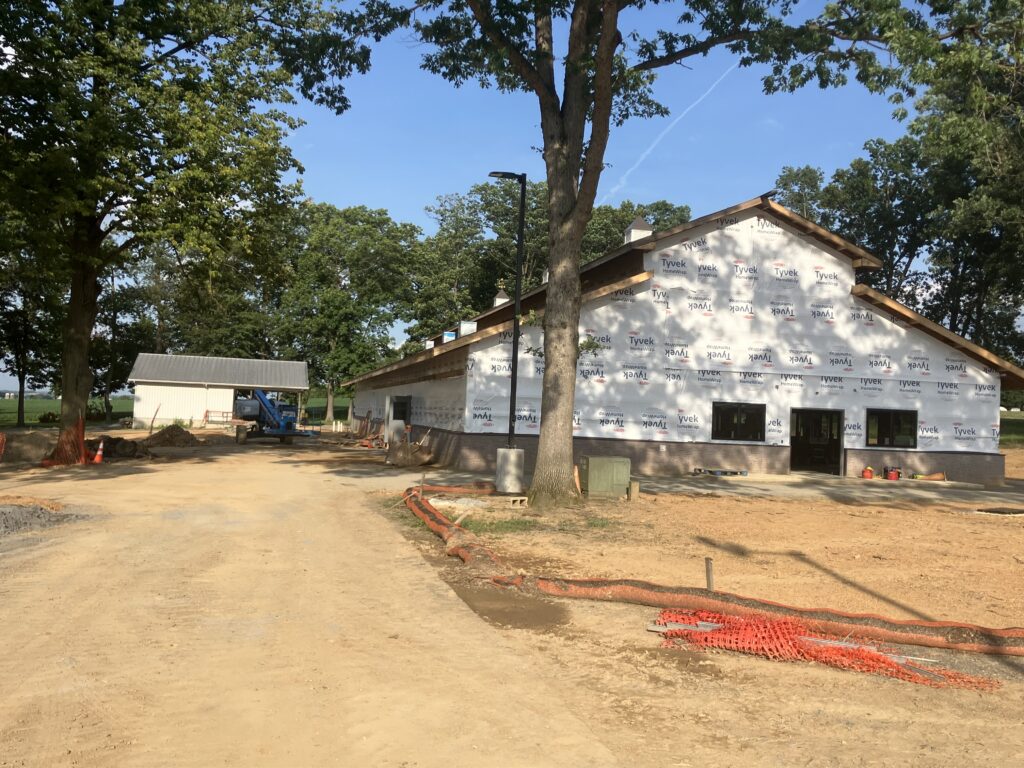
One person asked if the new building at Fireman’s Park would be finished in time for Hinkelfest this September. The Sechler family is financing the new facility and other park upgrades even though it is owned by the Fredericksburg Fire Company. The festival that celebrates all things chicken runs this Sept. 12-14 at the park.
“Yes,” answered Sechler, who then encouraged the audience to attend the chicken festival this September to experience the new facility. “You will get a chance to come over to Hinkelfest, and it’ll be pretty special this year. They have brand new bathrooms there, and a $400,000 kitchen (was put) in.”
Read More: Construction continues in Fredericksburg at Fireman’s Park ahead of Hinkelfest
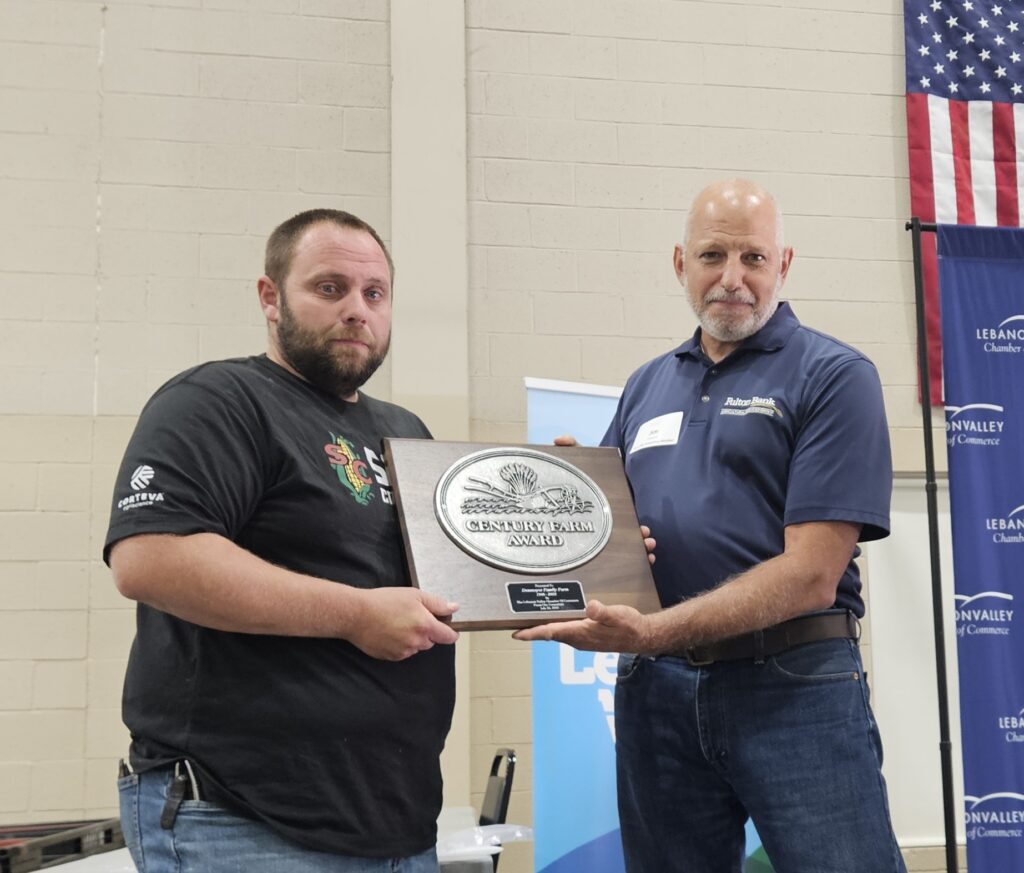
In addition to a breakfast buffet being served by members of the chamber’s Farm/City Committee, just prior to Sechler’s presentation two college scholarships were announced and one family was recognized for having a Century Farm.
The John Donmoyer farm on Jonestown Road in northern Lebanon County was announced as a Century Farm award recipient. Chloe Bomgardner, a Northern Lebanon High School graduate and Jonestown resident, and Danica Werner, an ELCO graduate and Myerstown resident, were each presented $1,000 college scholarships from the chamber’s Farm/City Committee.
The 69th edition of the Lebanon Area Fair runs now through Saturday, and concludes with the annual demolition derby and fireworks display that evening.
Questions about this story? Suggestions for a future LebTown article? Reach our newsroom using this contact form and we’ll do our best to get back to you.
Support Lebanon County journalism.
Cancel anytime.
Monthly Subscription
🌟 Annual Subscription
- Still no paywall!
- Fewer ads
- Exclusive events and emails
- All monthly benefits
- Most popular option
- Make a bigger impact
Already a member? Log in here to hide these messages
Local news is a public good—like roads, parks, or schools, it benefits everyone. LebTown keeps Lebanon County informed, connected, and ready to participate. Support this community resource with a monthly or annual membership, or make a one-time contribution. Cancel anytime.