This article was funded by LebTown donors as part of our Civic Impact Reporting Project.
Lebanon County Department of Emergency Services (DES) personnel received permission from the county commissioners to pursue a potential contract that would provide hazmat services to Lancaster County.
That non-vote of approval to formally negotiate an agreement was made during a county commissioners workshop on Aug. 27. The commissioners don’t take formal votes at these sessions but did decide to allow DES and the county solicitor to craft an agreement to present to Lancaster County officials.
LebTown first exclusively reported in early July that Lebanon County DES had assumed hazmat coverage for Lancaster County for at least the next two months, beginning July 1. Those services are currently being provided under what’s known as a mutual aid agreement, which is designed to be a temporary arrangement for those services.
Read More: LebTown exclusive: Lebanon County provides hazmat services to Lancaster
Many counties, including Lebanon County, have long-standing mutual aid agreements to assist neighboring counties on hazmat calls in a time of need. However, those agreements are meant for certain occasions and not to supplement state law that requires counties to provide hazmat services within their borders.
“The mutual aid is intended to be temporary. The whole purpose of it is to provide a service for a relatively short period of time to fill a void. So the obligation to have a hazmat team is on Lancaster County (officials), and that can’t be satisfied through mutual aid alone. So the need for this agreement is to fill that obligation, legal obligation,” Dowd said.
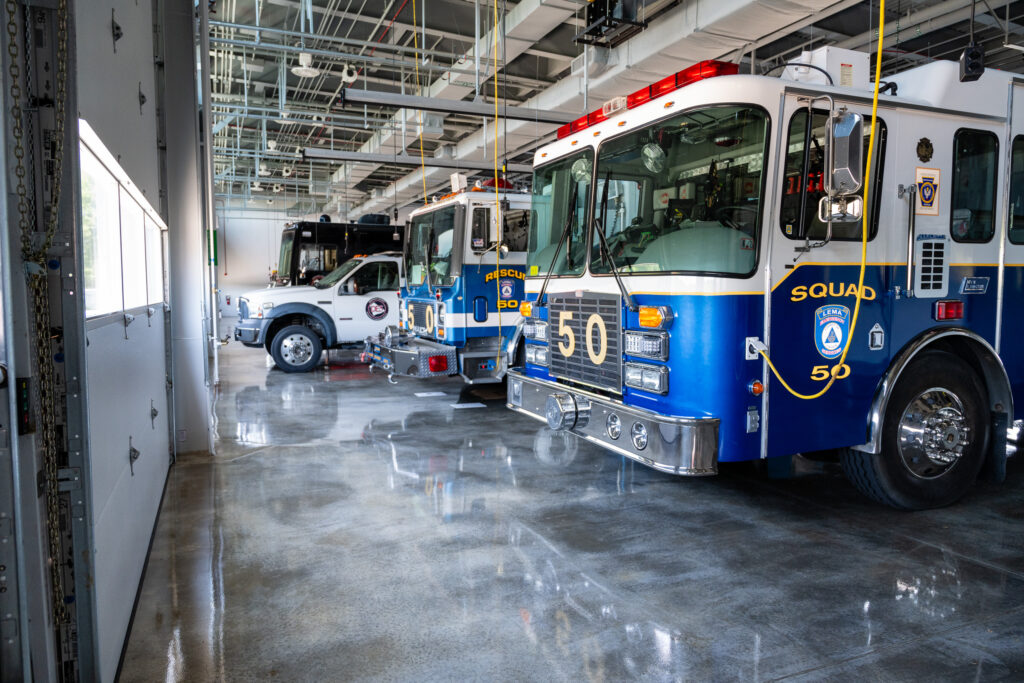
Depending on the terms of a formal agreement to be drafted, there is a possibility that Lebanon County could enter into a regional agreement for hazmat services with its neighbor to the south, according to Bob Dowd, director of the Lebanon County Department of Emergency Management Services.
The contract would have to be formally approved by a majority vote of the three Lebanon County commissioners and their Lancaster County counterparts.
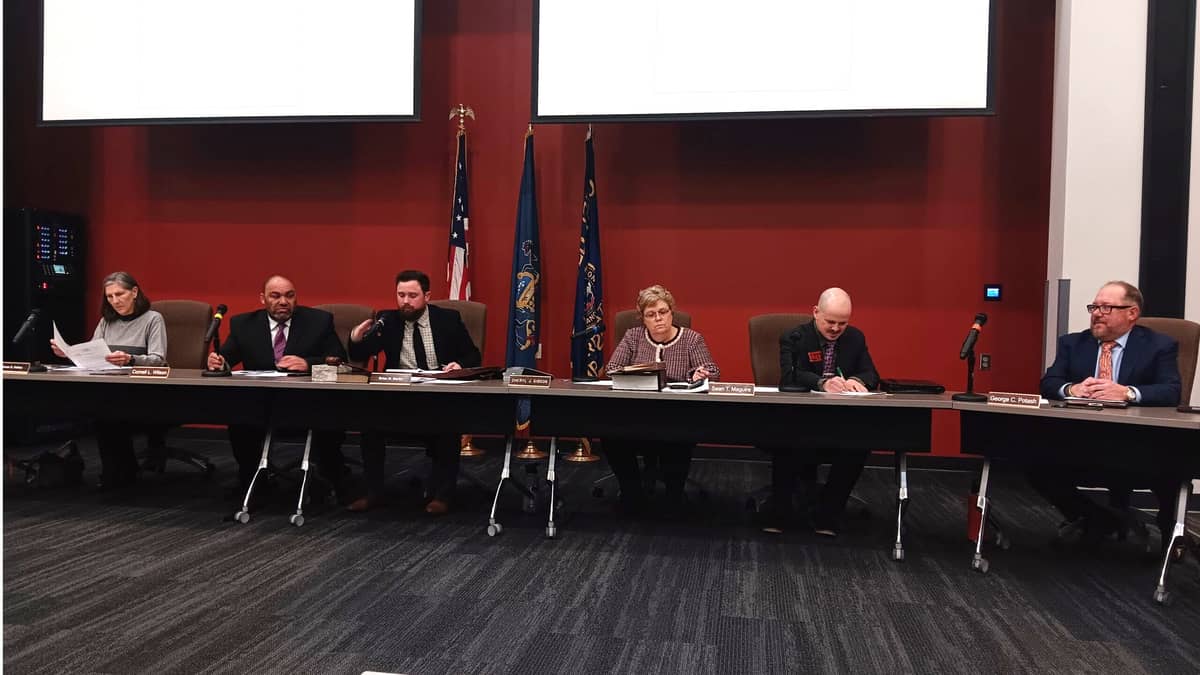
On Wednesday, Dowd and two other DES staff members presented a high-level overview and key points to a potential agreement. They requested the meeting to ask permission to begin designing an agreement, which Dowd told LebTown during the meeting could begin around October if both parties are able to come to terms.
Dowd said an agreement would be for a one-year term and would auto renew up to four additional one-year terms.
Commissioner chairman Mike Kuhn said he was pleased to see that Lebanon County was not contemplating a long-term agreement which would contractually obligate Lebanon County for a lengthy period of time.
“I can say my one big concern is that we would lock ourselves into a long-term agreement without the ability to walk away if it in fact didn’t work out,” Kuhn said. “I see that’s at the top of your list there and that’s addressed. But again, I go back to, I think it’s incumbent upon all of us to look at finding better ways to do what we need to do to protect our communities.”
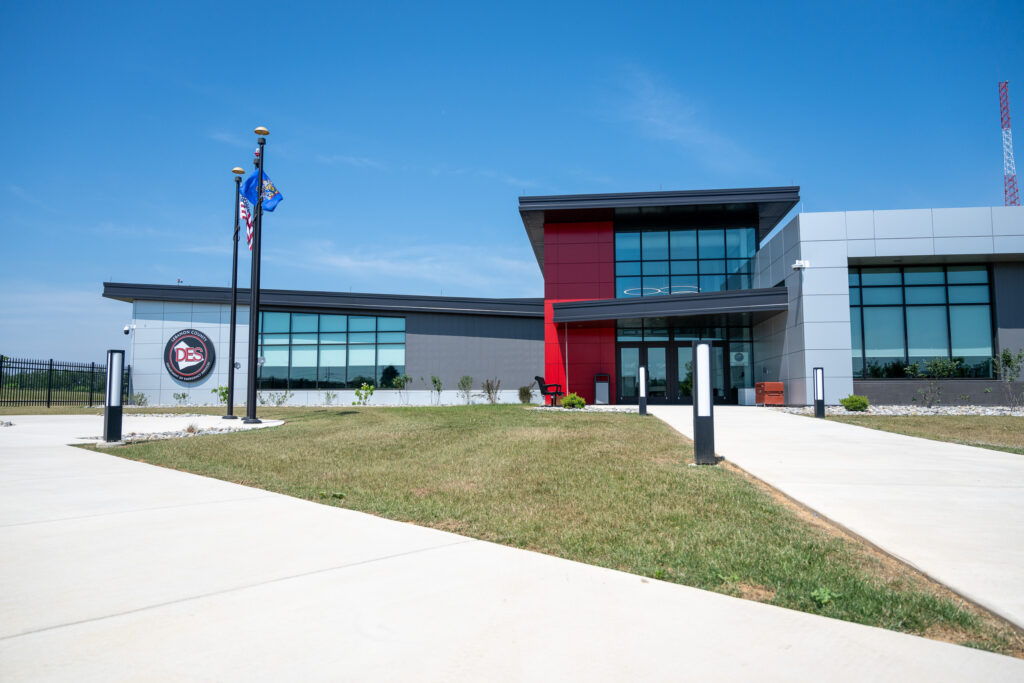
Dowd also noted there is a 90-day exit clause for either party to leave the contracted agreement.
“For some reason we determine that this isn’t working or that we can’t provide the level of service that we promised, and we need to make sure we’re well protected, a 90-day kind of no-questions-asked exit clause will be included,” Dowd said. “Lancaster understands our position, and they respect that.”
Additional terms would allow use of the Lancaster County Hazmat Station as a substation for Lebanon County’s hazmat, or special operations, team and Lancaster County-owned equipment, including their vehicles.
Moreover, Lancaster County will also pay for upkeep on all vehicles, facilities, and equipment that is Lancaster-based and either county- or task-force owned. Prior to July, Lancaster County contracted with an outside agency to provide hazmat services there. That agreement was not renewed and led Lancaster County officials to seek an agreement for hazmat services only with Lebanon County.
“Lancaster County has a hazmat station that’s county-owned. They have a whole bunch of equipment that’s either task force- or county-owned that stayed when their contractor vacated,” Dowd told the commissioners. “All that equipment they’re going to allow us to use with the intent of basically setting that station up as a substation in Lancaster County. They will take on the financial burden of maintaining all of that.”
There is a benefit for Lebanon County having access to Lancaster County’s equipment and a substation there, Dowd added.
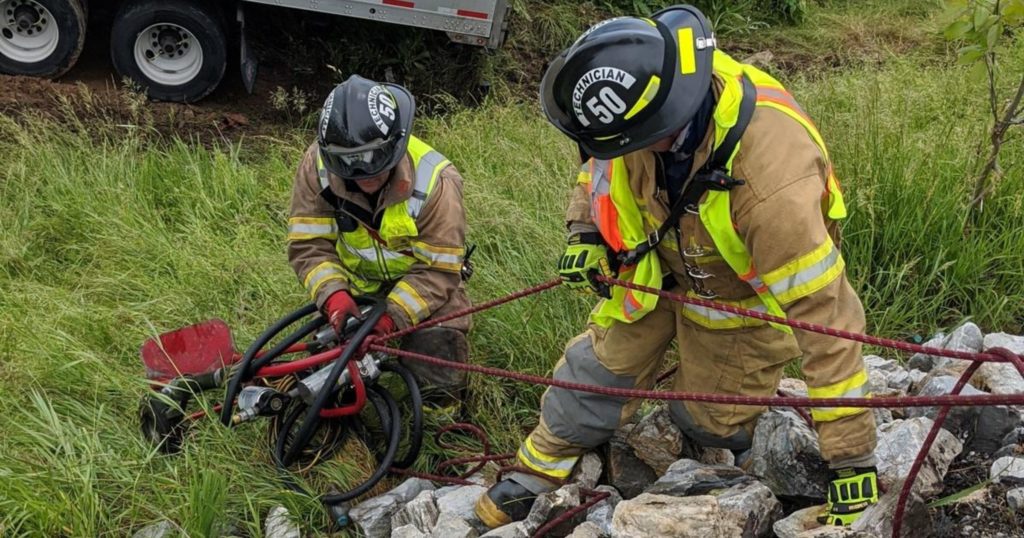
“It provides a remote location as we are able to onboard responders from Lancaster County that can go there. And that also benefits Lebanon County, where now if there’s a big incident happening with us, we’ve got Lancaster-based responders getting additional equipment and coming to help us. So that mutually beneficial piece really comes into play here,” Dowd said.
Dowd noted that Lancaster County emergency personnel will participate on the newly formed team, including calls in Lebanon County. When asked by LebTown, he said he didn’t know how many current Lancaster County emergency services employees are hazmat-certified and potentially available to respond to service calls there and here.
“I don’t know the answer to that yet because I think this agreement will probably come with some sort of conversation on their side about who they’re going to get trained and what that number could look like. For us, it’s most beneficial having somebody there who’s able to handle the day-to-day duty officer stuff,” Dowd said.
No matter how many Lancaster County employees will be available in Lebanon County, Dowd said another key point is to “actively engage Lancaster-based public safety agencies in partnerships.”
“The full team responses, if they’re able to provide two people or five people, is going to help, but we’re going to rely more on the partnerships we’re able to build with Lancaster County public safety agencies,” added Dowd.
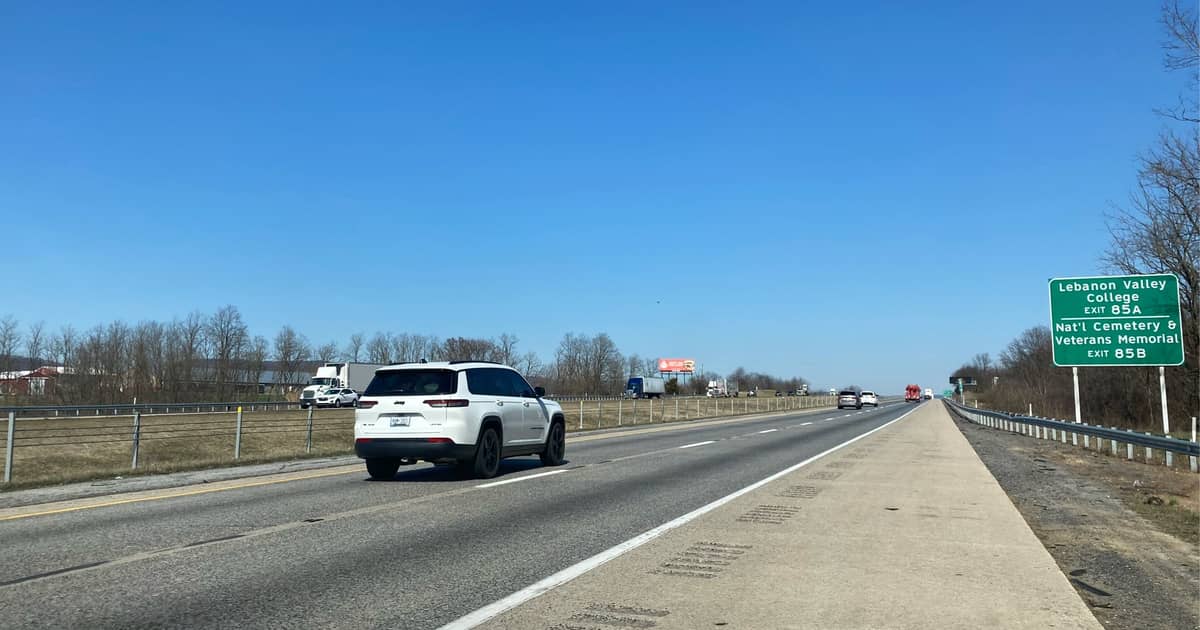
Gary Verna, deputy director, Lebanon County DES, said both counties have 30-plus hazmat calls each annually, and that a majority for Lebanon County are fuel spills in excess of 45 gallons of diesel fuel from tractor trailer incidents on Interstate 81. (Forty-five gallons, he added, is the legal threshold in determining if a spill is classified as a hazmat incident.)
Dowd emphasized that at no time will Lebanon County’s response capabilities be compromised if local officials enter into an agreement to provide hazmat services to Lancaster County.
“Our primary objective is always Lebanon County,” Dowd said. “We will make sure that we protect Lebanon County’s response capabilities at all times. That means that we’re never going to send everything to Lancaster County. We’re always going to have response capabilities and personnel staying back in Lebanon. Lancaster County supplementing our staff is what makes this possible and Lancaster County partnerships.”
Lebanon County solicitor Matt Bugli said during the presentation that he plans to immediately reach out to discuss an agreement with Lancaster County officials.
“I was waiting until after the meeting today to reach out to my counterpart in Lancaster County to initiate the discussions to begin that process of working with their board through their solicitor so that we could exchange a draft agreement between the two of us that’s acceptable to both of the boards, both this board and in Lancaster County,” Bugli said.
Both Kuhn and commissioner Bob Phillips expressed to Dowd and Bugli to begin the negotiation process. Commissioner Jo Ellen Litz neither voiced approval nor disapproval to explore next steps, saying the county still needs to learn and understand concerns about the proposal.
Questions about this story? Suggestions for a future LebTown article? Reach our newsroom using this contact form and we’ll do our best to get back to you.
Support Lebanon County journalism.
Cancel anytime.
Monthly Subscription
🌟 Annual Subscription
- Still no paywall!
- Fewer ads
- Exclusive events and emails
- All monthly benefits
- Most popular option
- Make a bigger impact
Already a member? Log in here to hide these messages
While other local news outlets are shrinking, LebTown is growing. Help us continue expanding our coverage of Lebanon County with a monthly or annual membership, or support our work with a one-time contribution. Every dollar goes directly toward local reporting. Cancel anytime.