
Lebanon County residents will have two opportunities to comment on the county’s upcoming comprehensive plan at meetings in November.
The first will be a public forum on Nov. 12 from 4 to 6 p.m. at the Lebanon County Department of Emergency Services (DES) building in North Cornwall Township. The second meeting, tentatively scheduled for Nov. 13, will be conducted virtually. Specific details for the virtual meeting will be announced later by county officials.
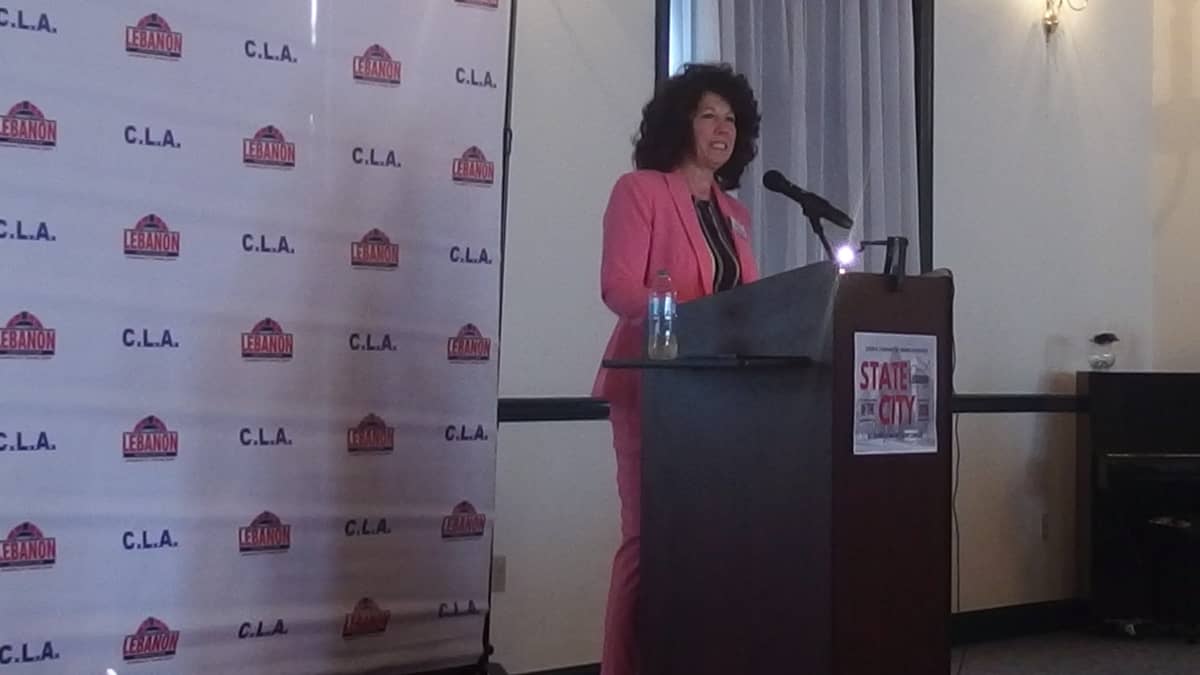
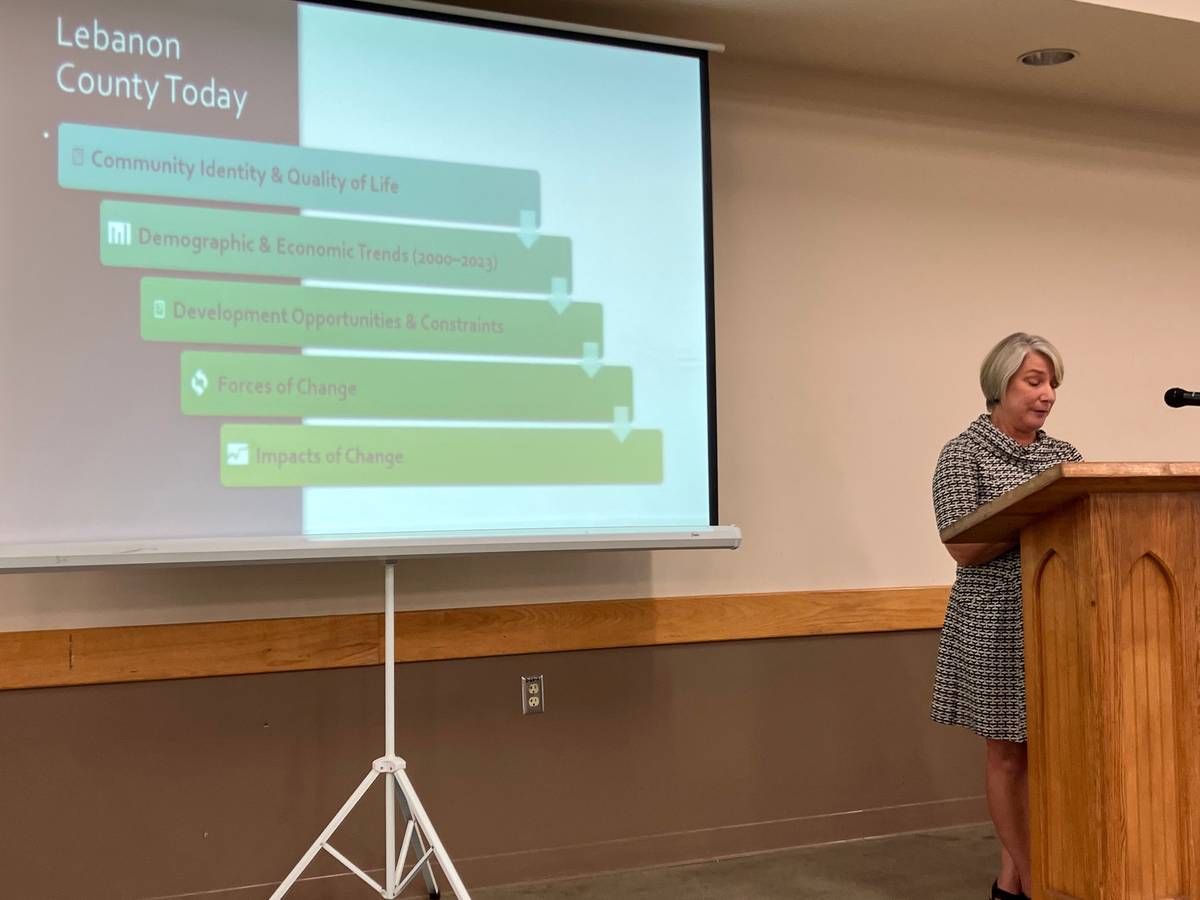
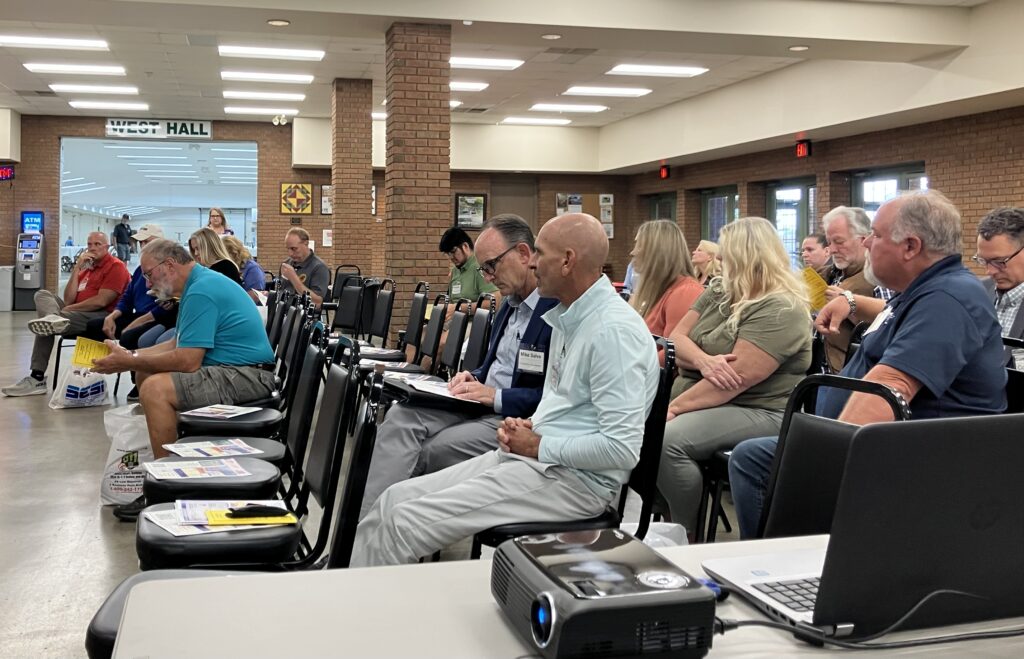
The meetings were announced Tuesday by Julie Cheyney, director of the Lebanon County Planning Department, at the 110th annual Municipal Officials of Lebanon County meeting at the Lebanon Valley Exposition Center.
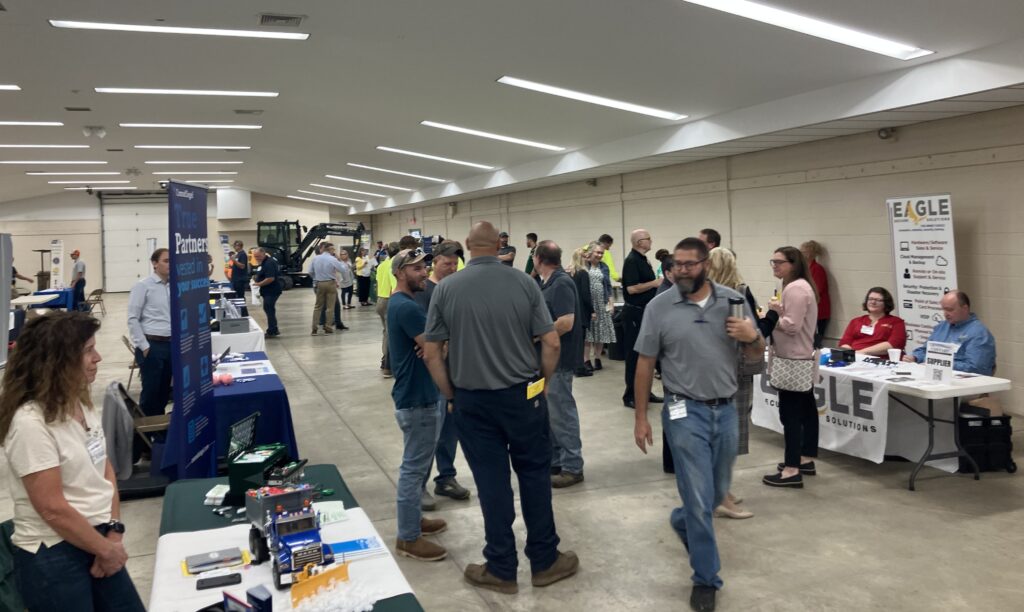
The annual convention is held to bring local municipal government officials together to educate them and discuss issues impacting the Lebanon Valley.
“So what we have slated in November … we’re going to have an in-person forum for the community at DES,” Cheyney told the audience of about 100 convention attendees. “And then I think we are looking for that timeframe to be 4 to 6. And then we’re tentatively scheduling a virtual discussion for … (Nov. 13). Haven’t come up on a timeframe and we’re not quite sure on the date yet. But again that’s going to be for community input.”
Read More: Lebanon County officials to seek public input on new comprehensive plan
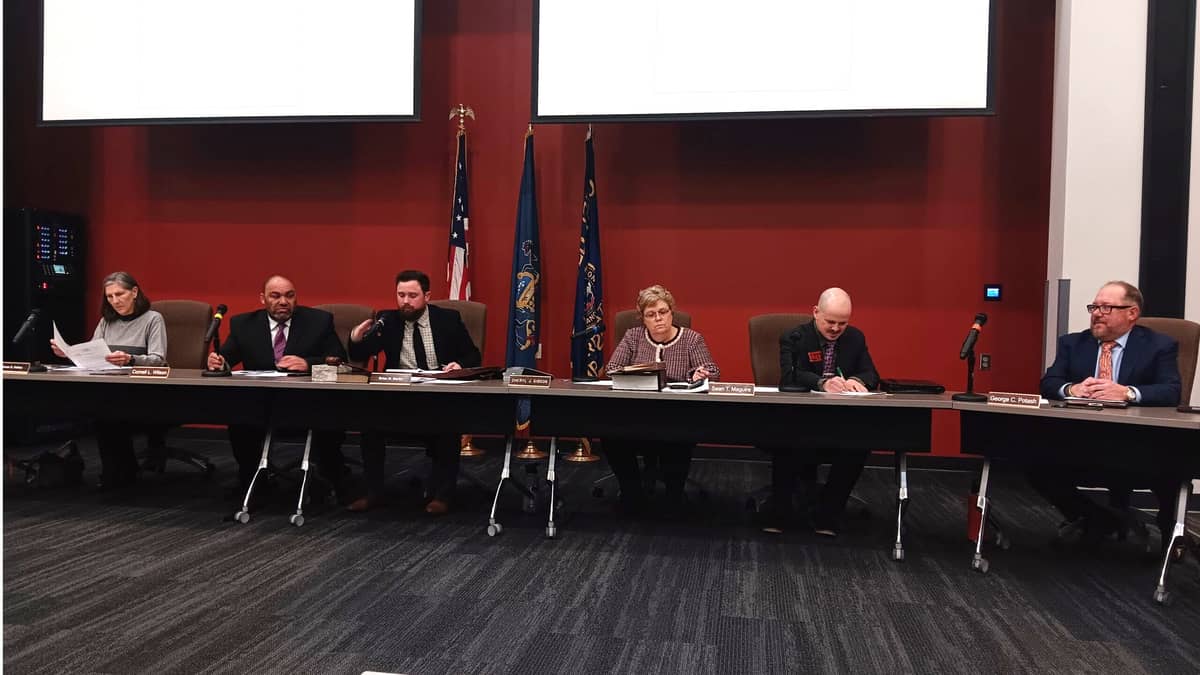
The municipal convention consisted of five workshops, with a sixth being cancelled since state legislators were in session and no county commissioners attended the event.
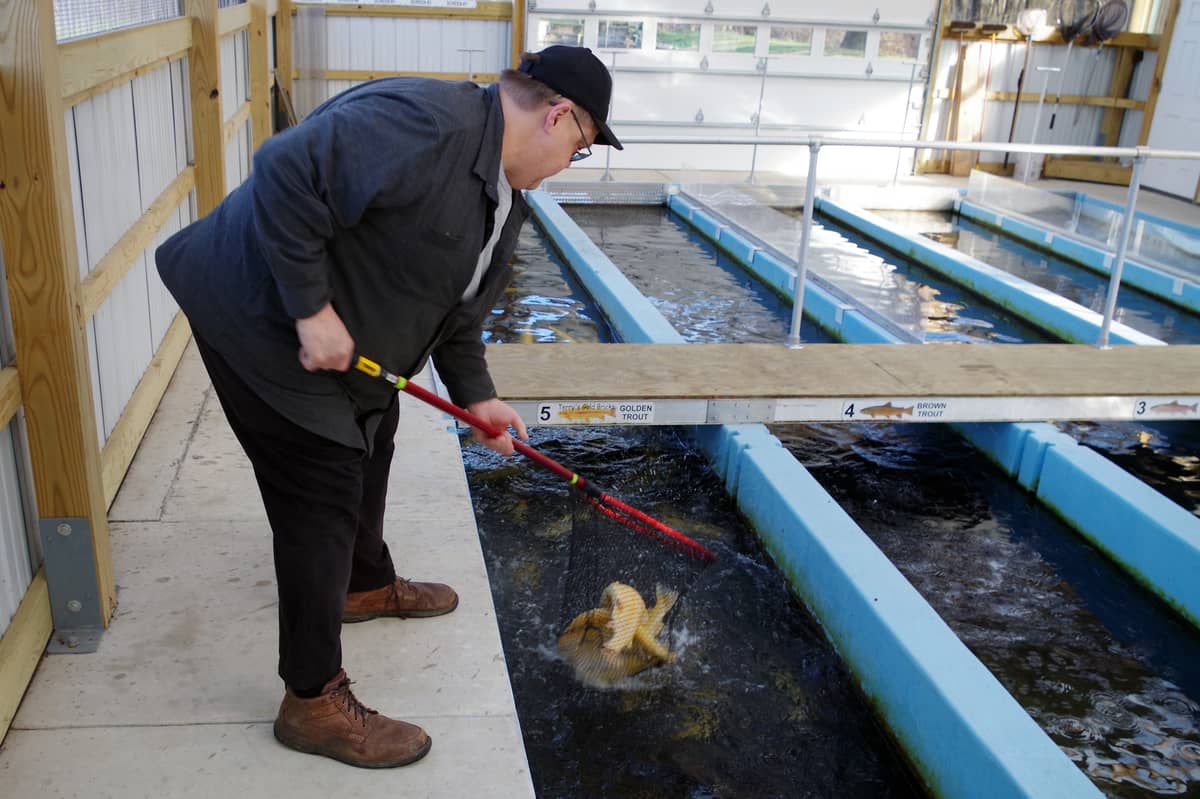
Other sessions include a legislative update from a Pennsylvania State Association of Township Supervisors (PSATS) representative, a progress report on the Lebanon Valley Rail Trail, an overview to various programs offered by the Lebanon County Conservation District and why they are important, a primer on activities at Middle Creek Wildlife Management Area provided by a Pennsylvania Game Commission official, and a discussion on the county’s in-progress comprehensive plan.
A comprehensive plan is a long-range policy document that sets a vision for the future, outlining strategies for growth and development across various sectors, including land use, housing, transportation, infrastructure, economic development, and environmental protection.
Cheyney said municipal officials will also be asked to participate in information-gathering session for the upcoming plan.
“We also may push information out to the municipalities that you can share with your residents. Put it on websites, encouraging them to participate in this,” she said. “And then we will be seeing you all in the municipalities in the January, February timeframe. We’ll be sending invitations out to the municipalities here in Lebanon County.”
Cheyney said in the past organizing those meetings by Lebanon County’s six public school districts has worked well, and will probably be used again to gather information from municipal officials. “We’ll be getting a few of you together. obviously since we have six school districts we will be doing six municipal meetings,” she added.
Cheyney broke the process down into four phases or what she called milestones.
“We going to be looking at existing conditions, past trends, the resident population, economy, land use, infrastructure, and the environment. Milestone report No. 2. That’s going to be just now based off of kind of where we are, where we’re going, which will project future conditions according to the latest trends,” she said.
Several milestones involve using data from the public and municipal officials to craft the plan.
“Community and municipal stakeholder feedback is going to be critical during this phase. So that’s when we will be getting some of the all of the municipalities involved in some forums,” Cheyney added. “Milestone report No. 3 (is), choices for Lebanon County. So what do you see as some future visions? Where do you where would you like to see the county going and how do we get there? So talking about different types of techniques and tools that we can use to kind of push that development in the way that we see fit or the way that we think is going to be best suited for our community and residents.”
The final milestone involves consensus building.
“And then the last part of the milestone, or the fourth milestone report, is going to be consensus for the future of Lebanon County and will present the preferred future conditions informed, again, by community discussions,” Cheyney said. “So as we open it up into public forums and municipal forums, all of that input is going to be brought together and then we’ll obviously give some guidelines and hopefully some good documents and other things that municipalities can use to to help guide your growth. Again, it’s going to be critical for participation from you all during that process.”
Legislative update
Katie Lizza, deputy director of policy & research for PSATS, highlighted six legislative priorities for the association that she said works on behalf of municipalities across Pennsylvania.
Those six legislative priorities are:
- Preserve land use authority
- Provide additional public notice options
- Ensure dedicated transportation funding
- Reform the right-to-know law
- Support public safety
- Stop unfunded mandates
Lizza said the association favors Senate Bill 194, which would provide additional options for municipalities to advertise public notices.
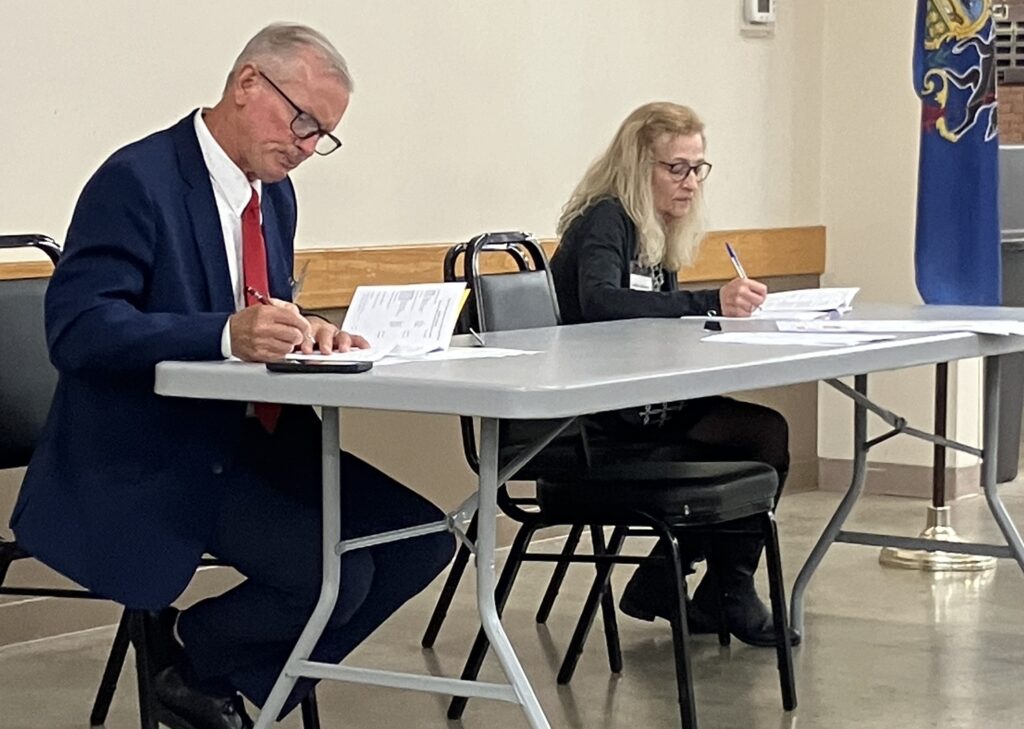
“I’m sure you’re all very well aware, the only avenue in which to meet to your public notice requirements right now is to post it in a physical newspaper of general circulation,” Lizza said. “Unfortunately, newspapers just don’t seem to be the way that folks get their information anymore. It just sort of is what it is. … So in short, to make sure that we are providing transparency to folks, we’re supportive of legislation that would provide additional avenues for you to meet those burdens of public notice.
“The first big one is preserving land use authority. Very long story short, the Pennsylvania municipalities planning code makes it very clear that local governments should have and do have authority on local planning and local zoning. So, you know, we at PSATs are opposed to any type of legislation that would restrict or remove existing local land use controls.”
Read More:
Lizza noted that in past legislative sessions there were discussions about statewide zoning regarding affordable housing, which she said would “essentially would have placed housing wherever it could fit on a map” that would supercede existing zoning ordinances.
Now, that same principal is being applied to creating energy zones.
“It’s House Bill 502 and Senate Bill 502. Very long story short, those would those bills would create a board that could place energy generating facilities sort of anywhere, with the only exception of they couldn’t be placed in a residential zone, but essentially if you have zoning in any of any other areas, it would circumvent that,” Lizza said about those two bills. “We are opposed to that because it would again preempt local land use that folks have taken the time to do that zoning.”
PSATS also supports ensuring there are dedicated funding sources for infrastructure needs.
“Other local governments get the majority of their funding for their infrastructure from the liquid fuels from the gas tax. So, of course, we’re in support of continuing the gas tax as it is. We would be opposed to any changes or reductions in the gas tax because that is your dedicated funding for infrastructure.”
The organization also supports finding other funding sources for infrastructure projects.
“We’re supportive of some additional means of making sure that you do have the funding that you need to take care of your roads and bridges, including if there’s a mileage-based fee, there’s been some talks about that,” added Lizza.
She noted the association also favors legislative measures that support public safety of first responders, and that the changes to the right-to-know law they back would work to eliminate efforts to mine data via that process. That law, in part, provides access to public records.
“They’re reaching out to find out who provides insurance, who is providing telecom, who is doing XYZ. They’re not asking for transparency purposes, they’re asking because they’re gonna take that data and then sell it to somebody else,” Lizza said. “So we’re fighting for some changes to the right-to-know law to address that. Of course, if it is a public record, you still comply with the right-to know-law, you still provide that record. But these requests are taking a lot of time, a lot of energy, and ultimately, again, sort of taxpayer money to make sure that these requests get fulfilled.”
A business meeting was held afterwards to elect officers for the coming year as well as a luncheon for attendees and vendors whose wares were on display or information available to promote their businesses during the five-hour event.
Questions about this story? Suggestions for a future LebTown article? Reach our newsroom using this contact form and we’ll do our best to get back to you.
Keep local news strong.
Cancel anytime.
Monthly Subscription
🌟 Annual Subscription
- Still no paywall!
- Fewer ads
- Exclusive events and emails
- All monthly benefits
- Most popular option
- Make a bigger impact
Already a member? Log in here to hide these messages
Strong communities need someone keeping an eye on local institutions. LebTown holds leaders accountable, reports on decisions affecting your taxes and schools, and ensures transparency at every level. Support this work with a monthly or annual membership, or make a one-time contribution. Cancel anytime.