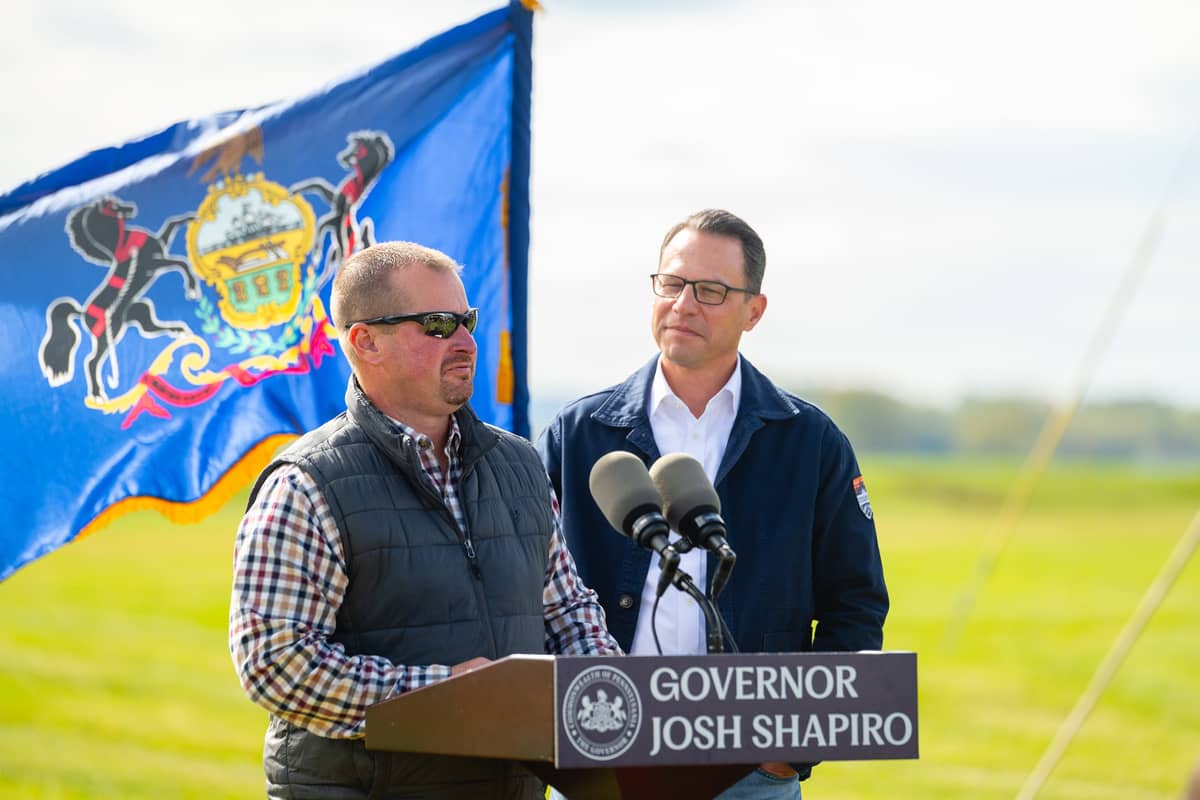

Brent and Stacey Copenhaver are fulfilling a dream and keeping a promise made by her parents more than 30 years ago.
Stacey’s parents entered their farm in South Annville Township into the state’s farmland preservation, which pays farmers to sell development rights in perpetuity, in the mid-1990s.
Read More: Saving the land forever: Lebanon County farmland preservation program explained
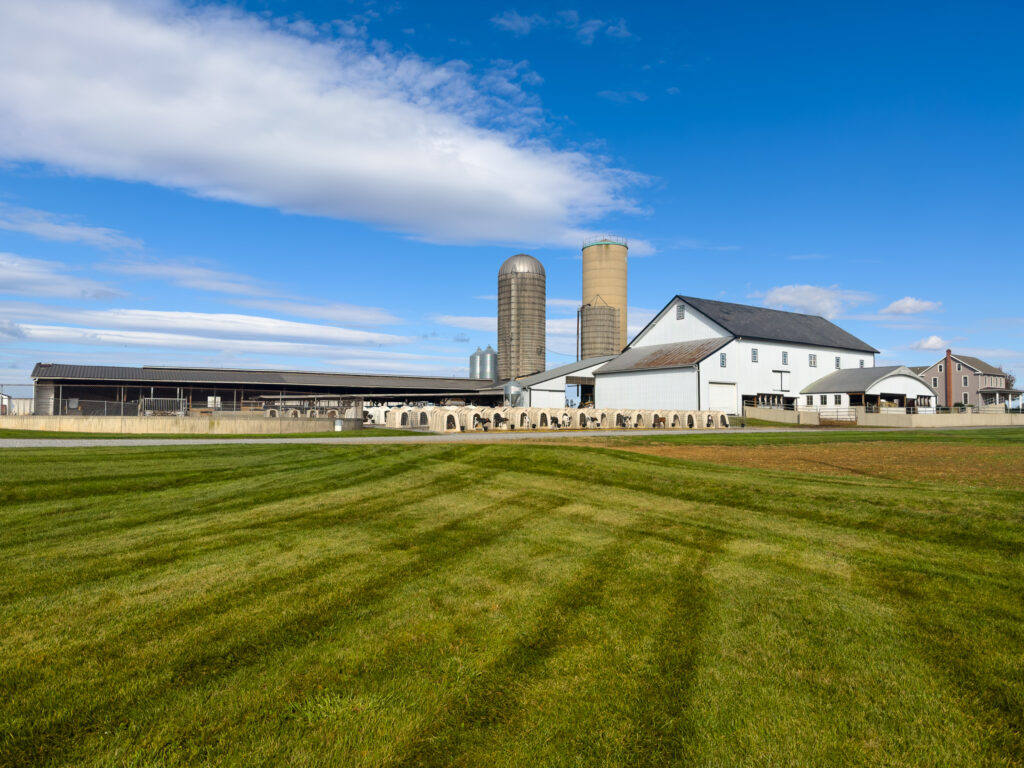
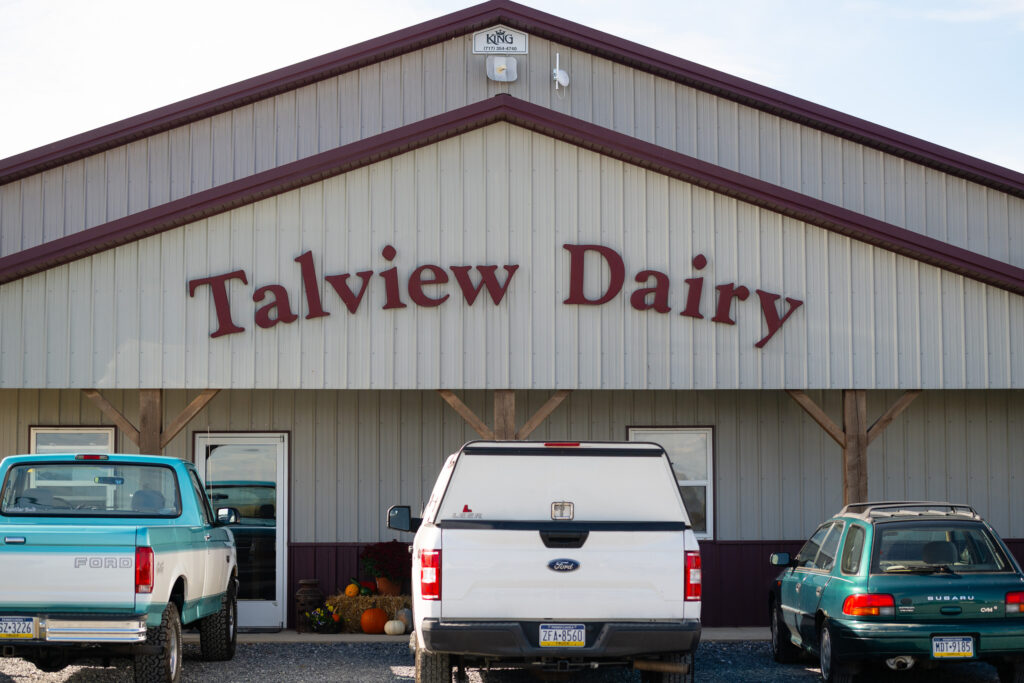
In 2016, Stacey and husband Brent purchased and still operate Talview Farm, which now has 400 acres, a 400-head milking herd, and another 400 replacement heifers in their operation.
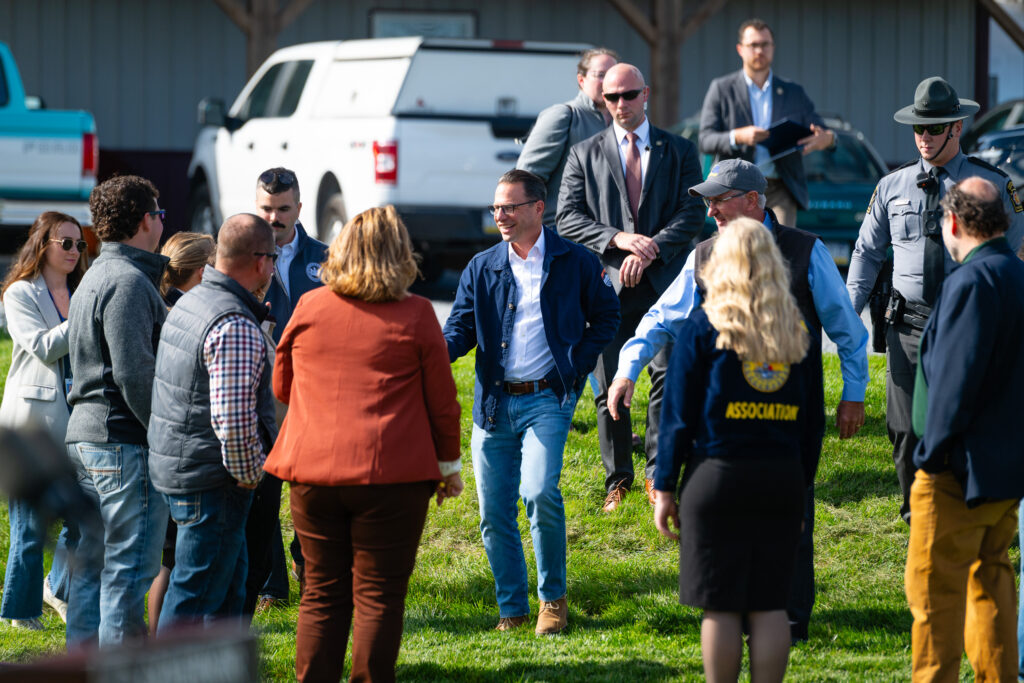
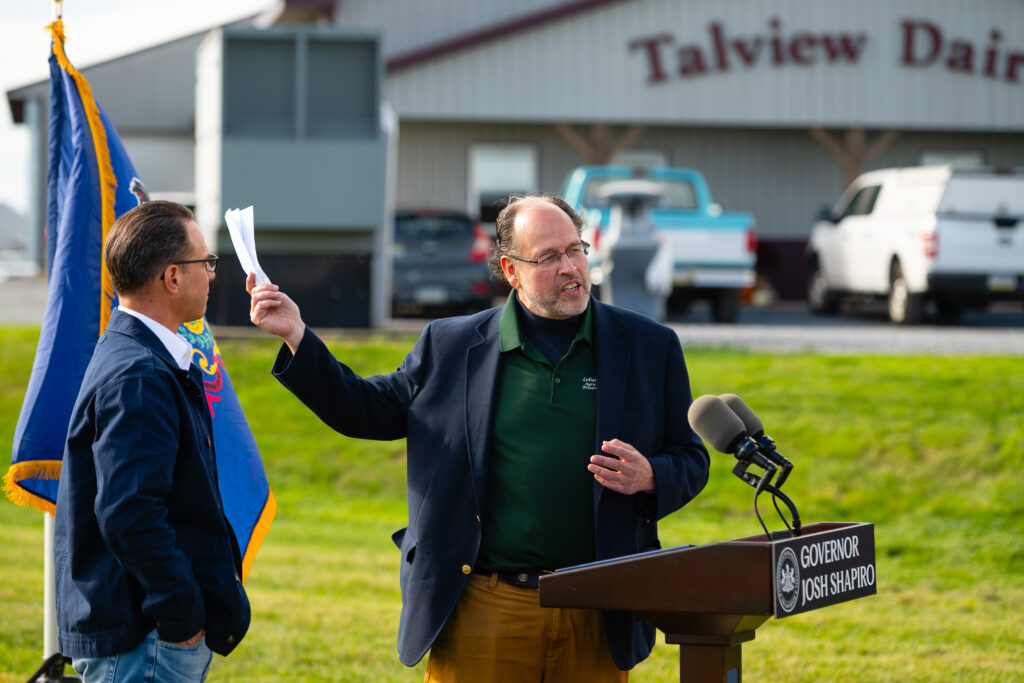
On Wednesday, their farm was the site of a press conference to celebrate Pennsylvania being the No. 1 state in the nation for farmland preservation since the program was launched in 1989.
Pennsylvania has preserved 650,000 acres and 6,500 farms as of October. In Lebanon County, there are about 22,000 acres preserved, with another 2,000 set to be added in the near future, according to state and local farmland preservation officials.
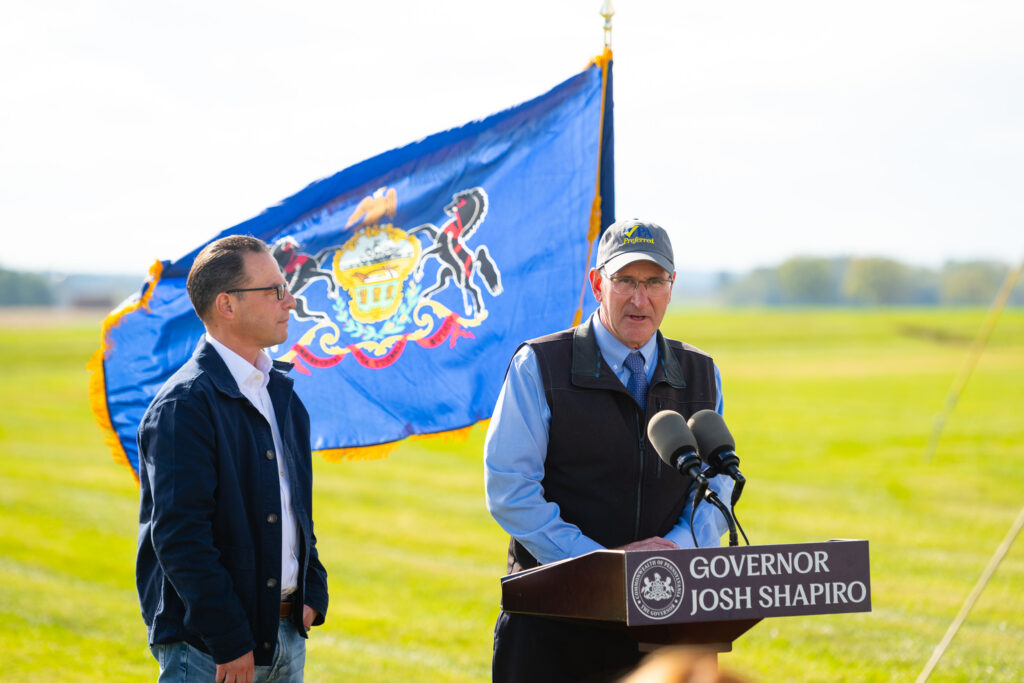
Their farm being in the preservation program helped secure the Copenhavers’ future, according to Brent, who spoke on behalf of his wife and three children, Ethan, Emma, and Tanner, during the press conference.
“This farm here was actually preserved in 1994. With that said, that gave us a great foundation to start our farming future,” Brent said.
Some renovations to the farm buildings, including new barns and milking parlor, have enabled the family to fulfill their dreams for their family.
“That is kind of what we decided to do to kind of secure our future in agriculture and also to have our family being raised on a farm. That was one of our goals as we wanted to raise our family on a farm,” Brent said. “I think that those opportunities that I just mentioned, I sometimes question like, would I actually be farming today if I did not have those opportunities, and I’m not quite sure what that answer would be, but I think that leads into why we are celebrating this milestone today.”
The benefits to Pennsylvania’s communities from participation in the farmland preservation program are many, according to Brent.
“Not only is it securing future generations and farming, but it is preserving green space, it is preserving land and future agriculture in the state of Pennsylvania. Preserving farmland ensures agriculture stays part of Pennsylvania’s economy as far as local foods, local jobs and just the community, in general,” he said. “When you protect a farm, you’re not only saving open space, you are protecting the values, the work ethic, and the opportunities that farms pass on (from) generation to generation.”
Gov. Josh Shapiro recognized the countless individuals who helped make Pennsylvania the No. 1 state in the nation for preserved farmland, calling it a bipartisan effort over many decades.
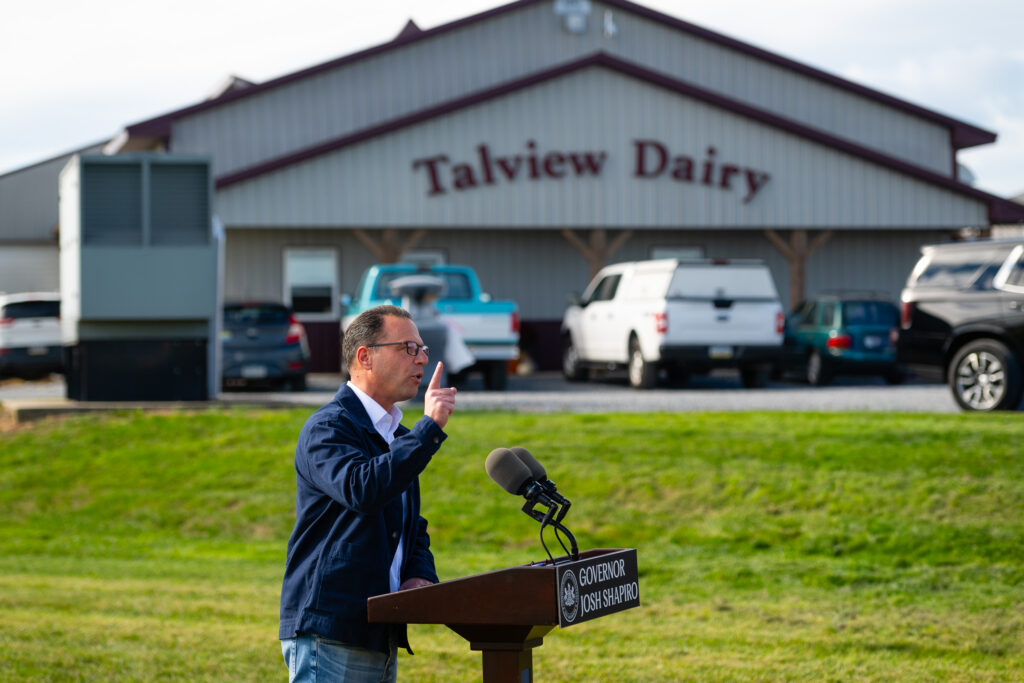
“Over the course of these last 30 years, this work to preserve and protect farms has gone on through Democratic and Republican administrations in partnership with local county preservation boards and different farmers from all across our commonwealth,” Shapiro said. “This has not only been bipartisan, this has been common sense as we’ve worked so hard to preserve these farms.”
Shapiro said the commonwealth has invested $1.78 billion in farmland preservation since 1989, which is when the first farm was preserved in Lancaster County. In Lebanon County, the state has contributed $40 million, he said.
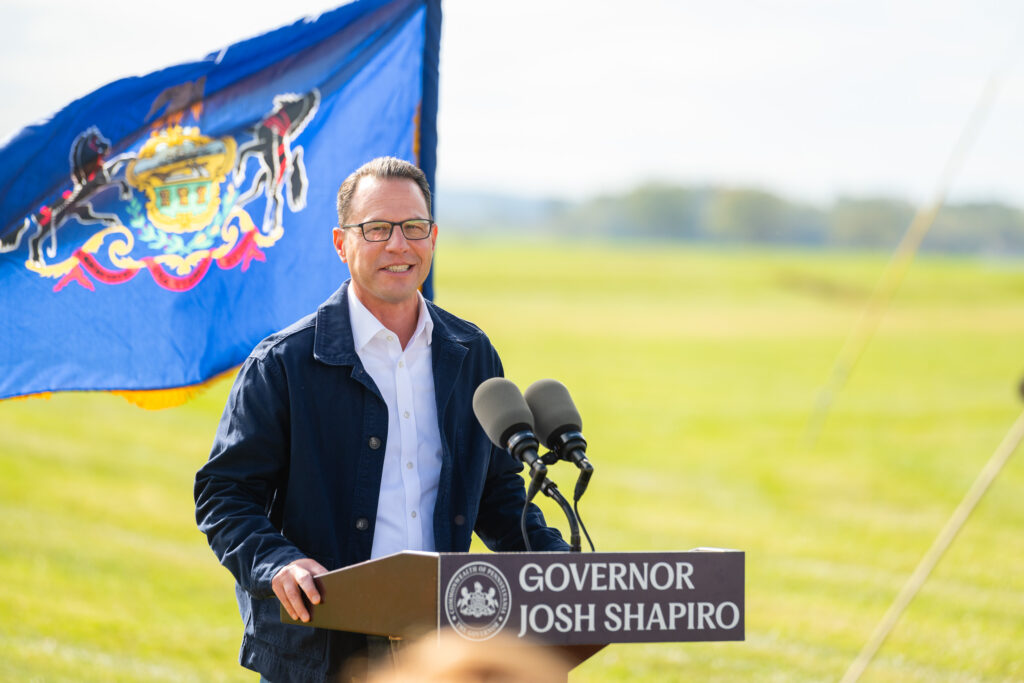
“I know your county commissioners are happy about preserving about 22,000 acres right here in this county. On my watch over just the last two and a half years, we’ve invested another $340 million in farmland preservation,” he said. “I am proud of the fact that we are the top state in the nation for farmland preservation. And this work is critical because it means more and more of our family farms can stay farms forever. Listen, preservation is critically important. The future of agriculture is absolutely critical.”
Last week, the state agriculture department issued a press release noting the latest farms to be included in the program, which sent the total over 6,500 farms covering over 650,000 acres statewide.
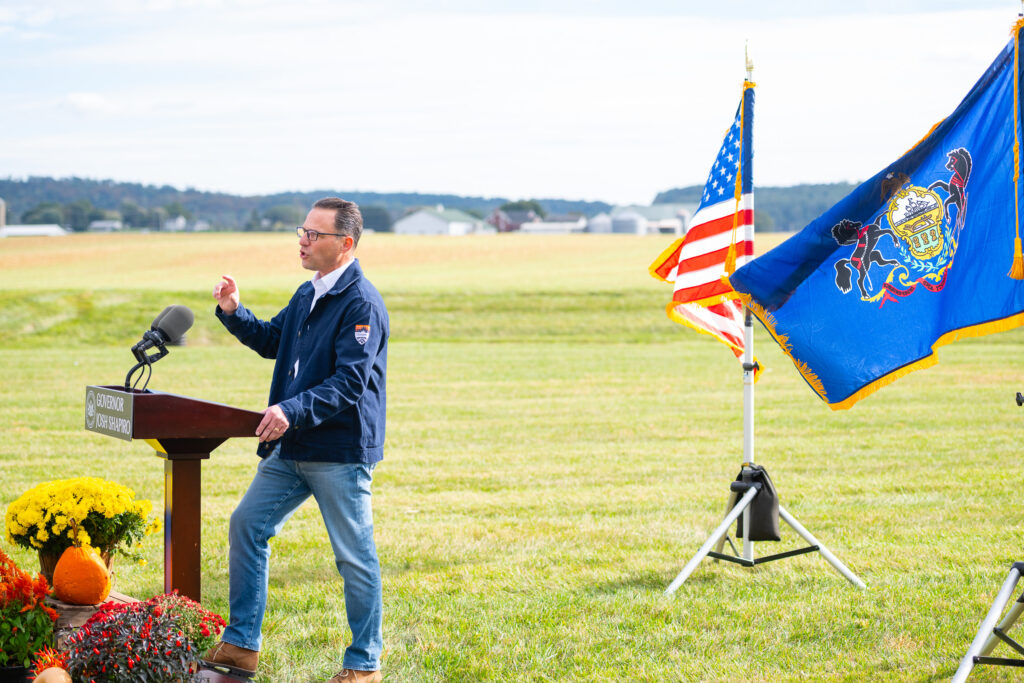
In Lebanon County, the total investment for 2025 was $909,031, with a state contribution of $514,528 and the county’s share of the easement purchases totaling $394,503.
Four Lebanon County farms spanning 354 acres are the latest farms to be preserved.
Those farms include: Harold K. Eisenhauer Jr. and Dawn L. Eisenhauer, 61-acre crop and livestock farm, Swatara Township; Kenneth L. and Carol A. Hebel, 74-acre crop and livestock farm, East Hanover Township; Mark D. and Sandra K. Meyer, 36-acre crop and livestock farm, North Londonderry Township; and Timothy P. and Debra Jo Trayer, 183-acre crop farm, South Londonderry Township.
Agriculture Secretary Russell Redding spoke of the preservation program being a promise that was made to Pennsylvania voters who approved the initiative in 1987 by a 2-1 margin in a statewide referendum.
Today, the promises of the past are still being honored today and will continue so into the future, according to Redding.
“It’s a promise rooted in growing tomorrow by preserving today. But it’s also a promise that this land will remain open and productive and rooted in agriculture. It’s a promise that the children like the Copenhavers who are growing up on these farms today will have the opportunity to farm tomorrow,” he said. It’s a promise that our beginning farmers, like Brent once was, and anyone who wants to sit at the table, is welcome here. That our food will be locally grown, that our land will be protected, and our agricultural heritage will endure, not just in memory, but in reality.”
Stephanie Zimmerman, director of the Pennsylvania Department of Agriculture Bureau of Farmland Preservation, also seized on the opportunities that promise offers to Pennsylvania farm families.
“As we stand here today, surrounded by this beautiful farm, with its rolling fields, open skies, the quiet strength of the land, we’re reminded of what makes Pennsylvania so special. Farms like this, not only part of our landscape, but they’re part of our legacy,” she said. “Agriculture is the background of the commonwealth and protecting farmland like this means protecting our future. That’s what makes farmland preservation so special. It’s a promise that this land will remain farmland not just today but for generations to come.”
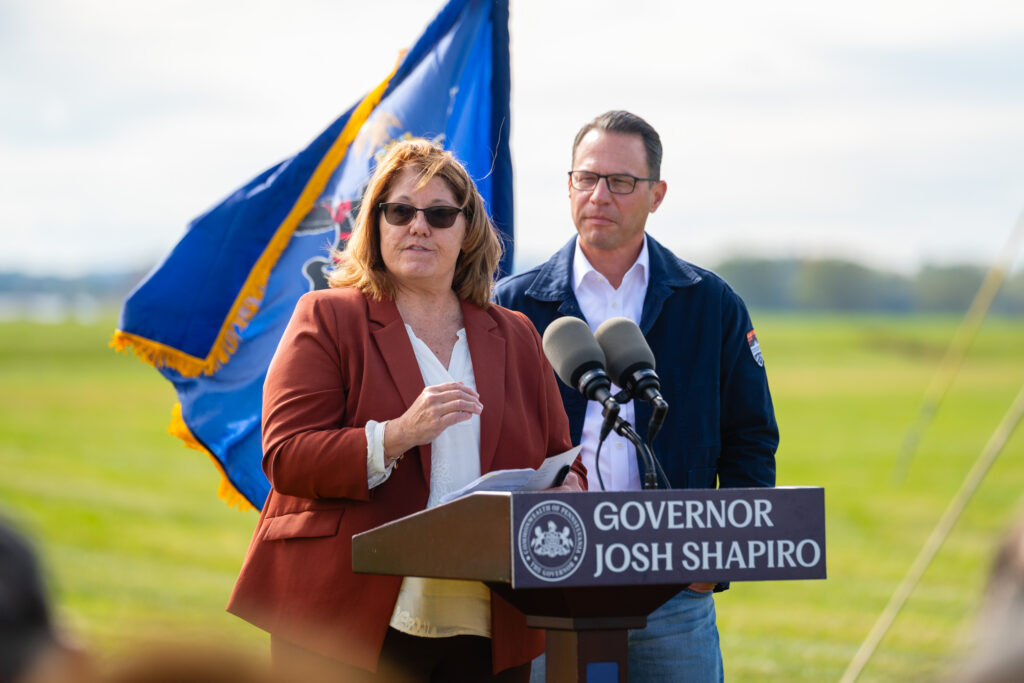
She also noted that partnerships make the preservation program possible.
“Through partnerships between the state counties farm families we purchase agricultural conservation easements. These are legal agreements that keep this farm in production forever. It’s a simple idea with a lasting impact,” Zimmerman said. “Preserving farmland supports our food supply, strengthens our communities, protects open space, and helps farmers plan for the future.
She noted that “Pennsylvania’s farmland preservation program has grown into a national leader, setting the standard for how states can protect working farmland.”
“Today, we are marking a major achievement in this journey, ones that reflect decades of partnership, vision, and commitment to our agricultural future,” Zimmerman said. “This success is only possible because of the strong partnerships with local governments, local leaders, our program staff, and most importantly the farmers who make the choice to preserve their land.”
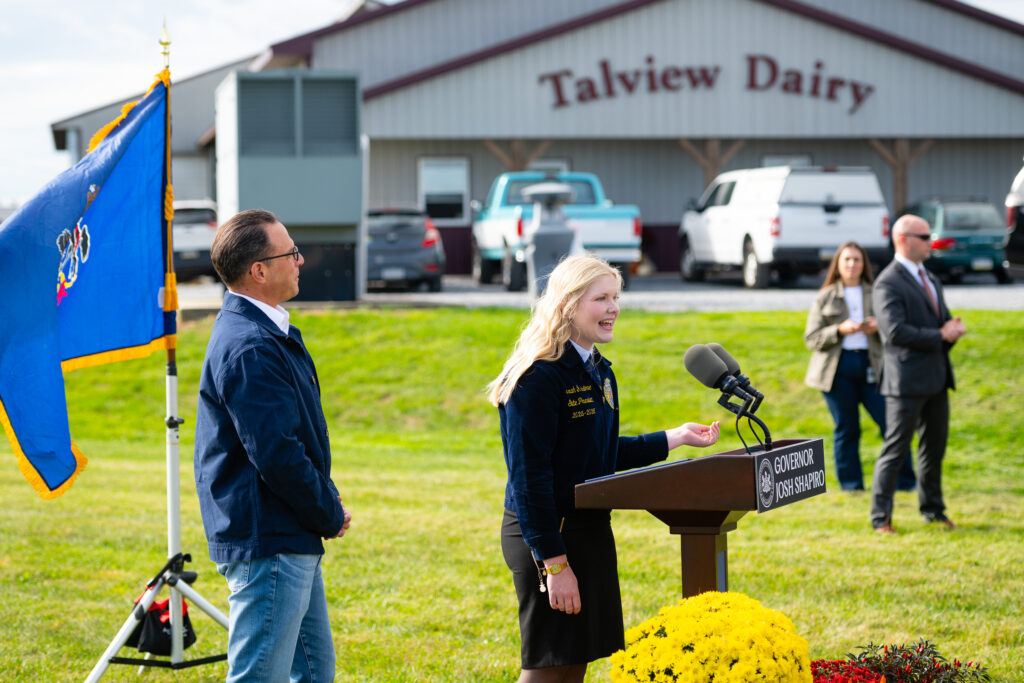
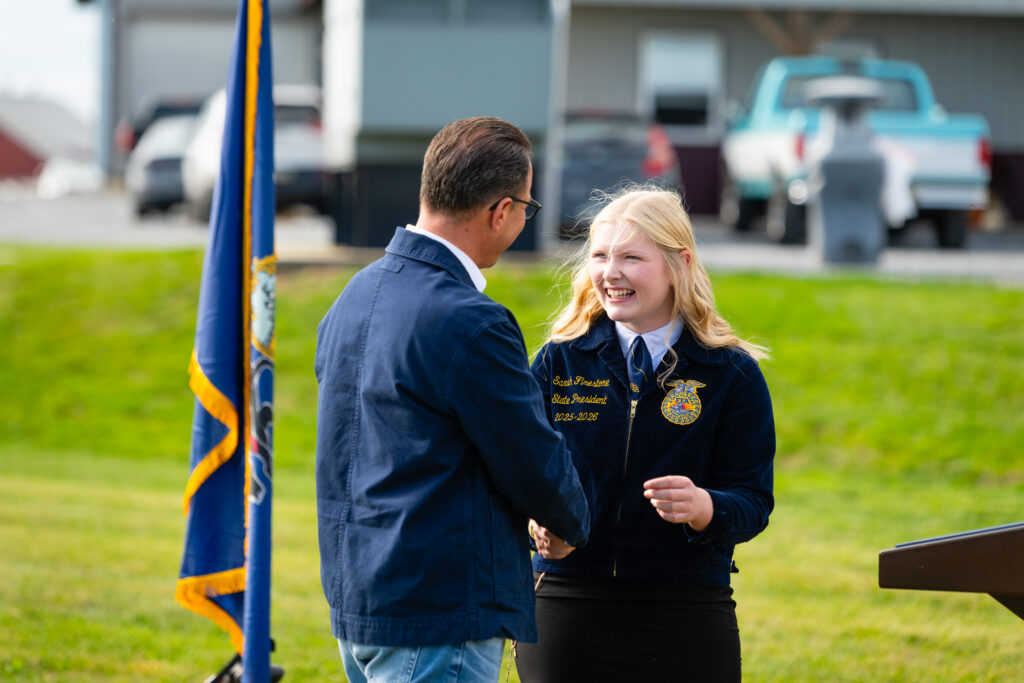
Sarah Firestone, FFA state president, highlighted the program’s past accomplishments with an eye toward the industry’s future.
“Growing tomorrow by preserving today. Farmland preservation is never just about holding on to the past, but rather safeguarding the foundation on which we choose to build the future,” she said. “Every acre of farmland preserved in Lebanon County represents more than just soil, it represents opportunity.”
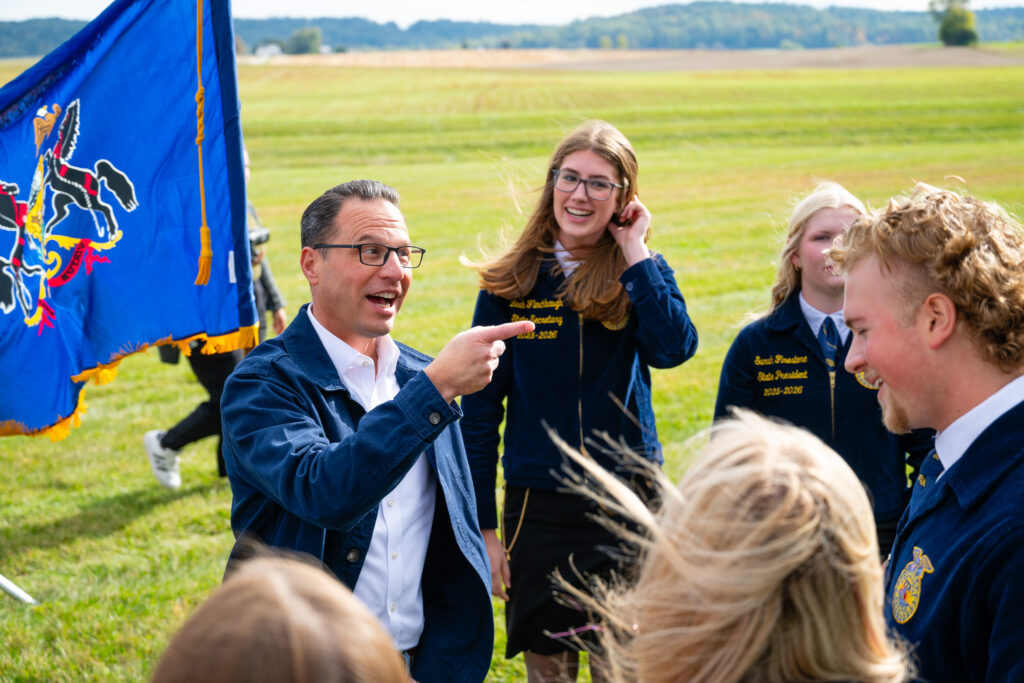
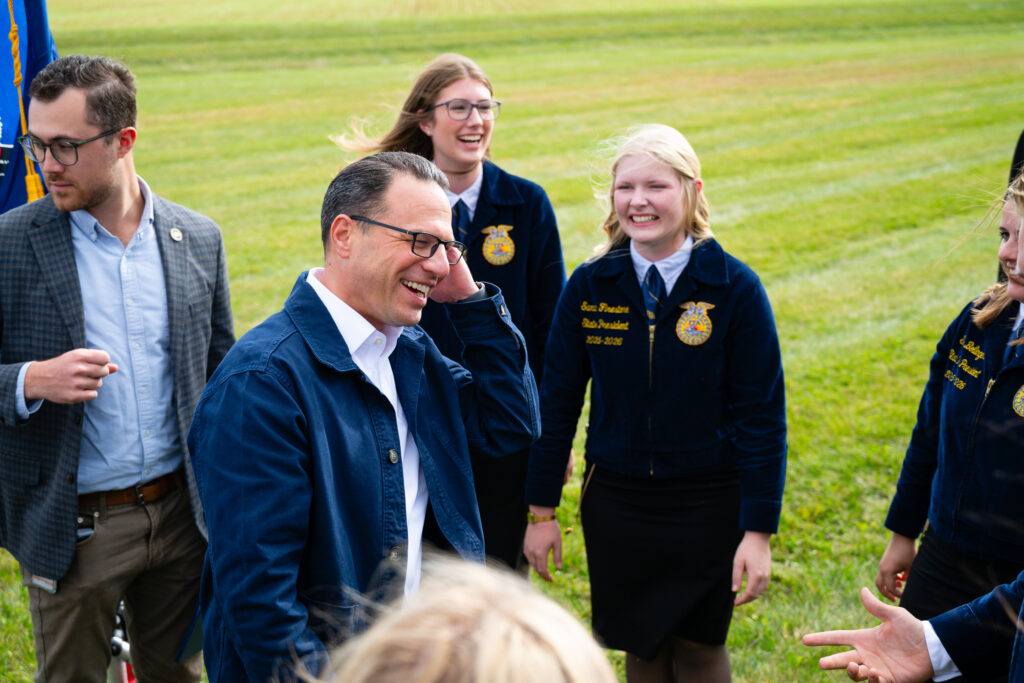
Those opportunities vary depending on who is seeking them, Firestone added.
“Opportunity for the first farmer to plant their very first crop, for the next FFA member to discover rich agriculture, and for our families and communities just like the ones here in Lebanon County to grow and thrive around a strong and stable food system,” she said.
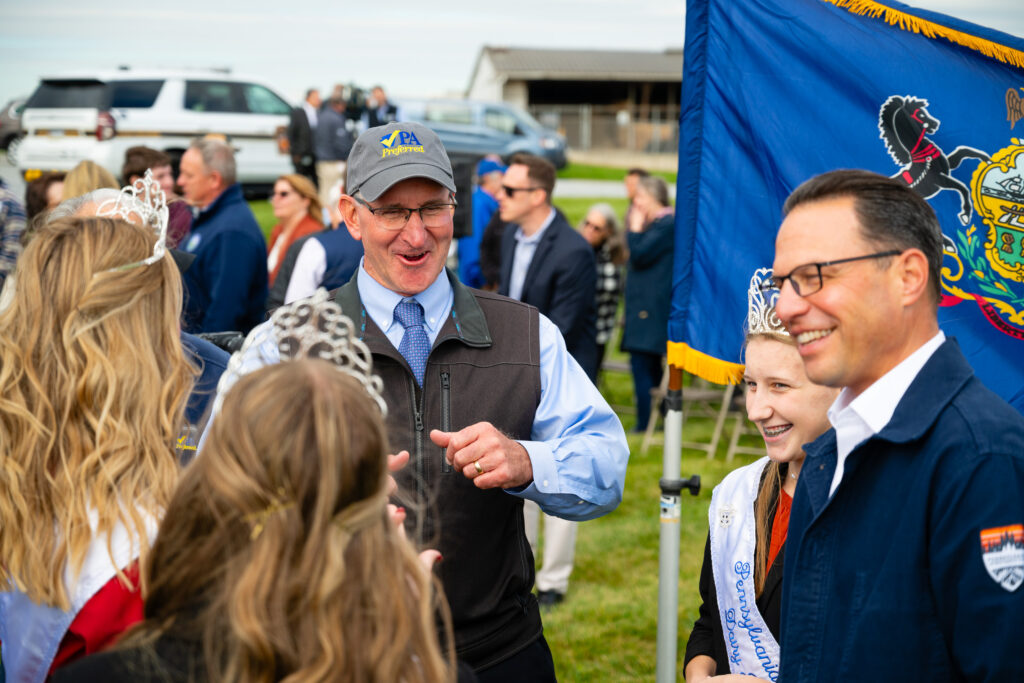
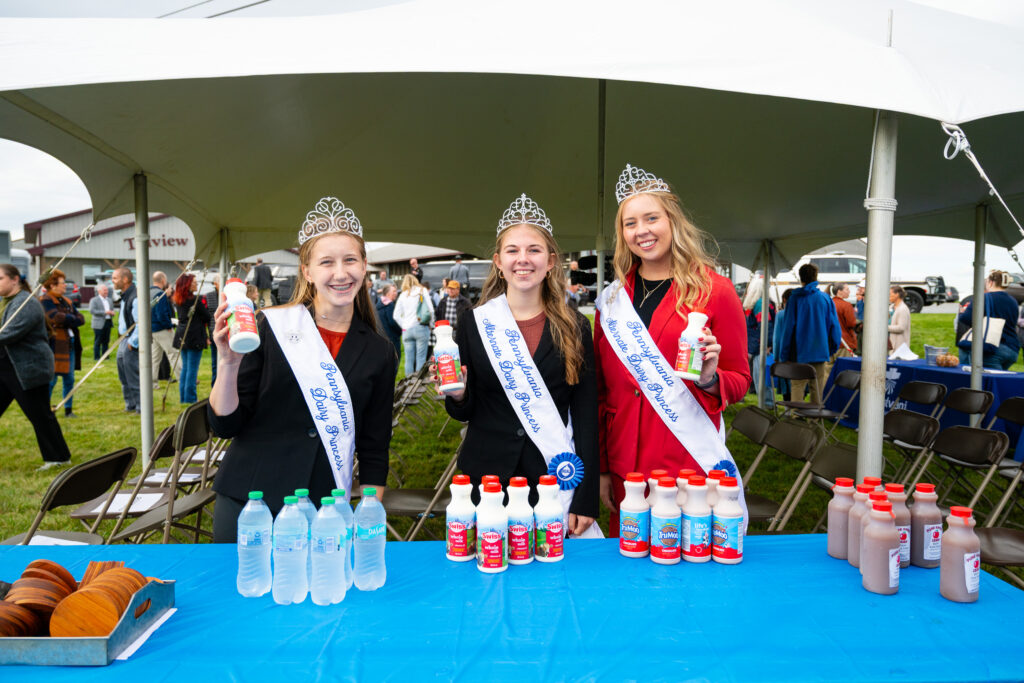
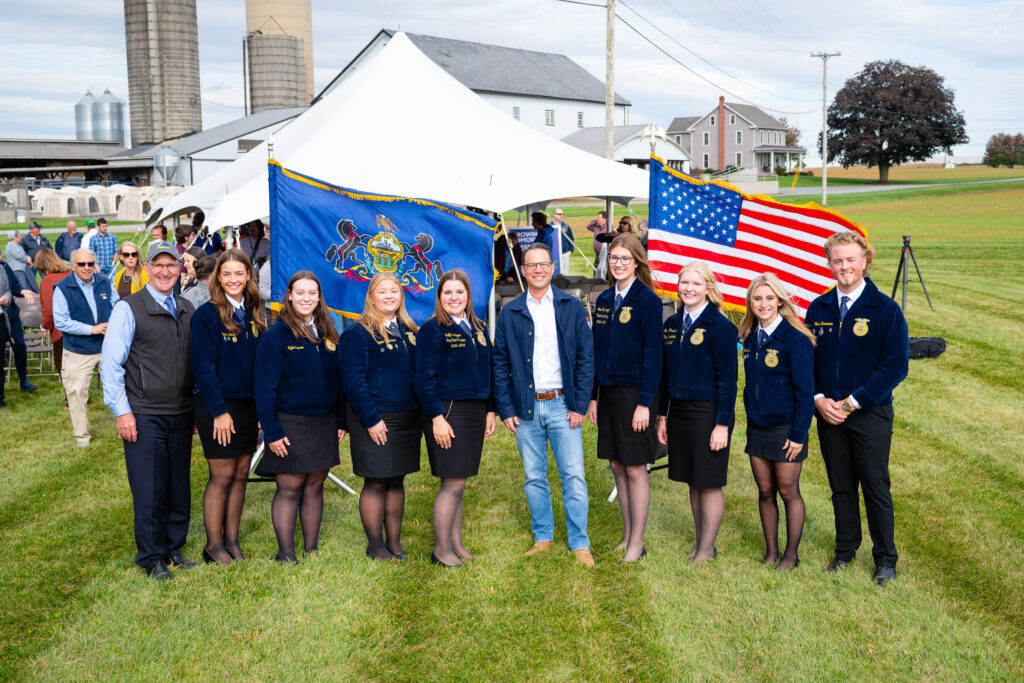
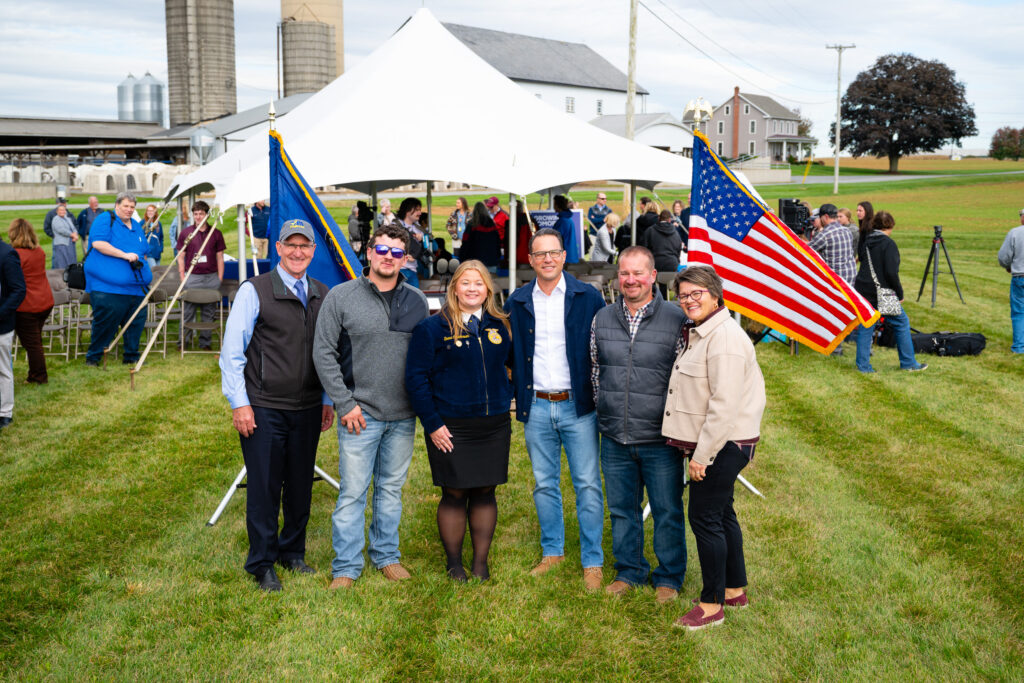
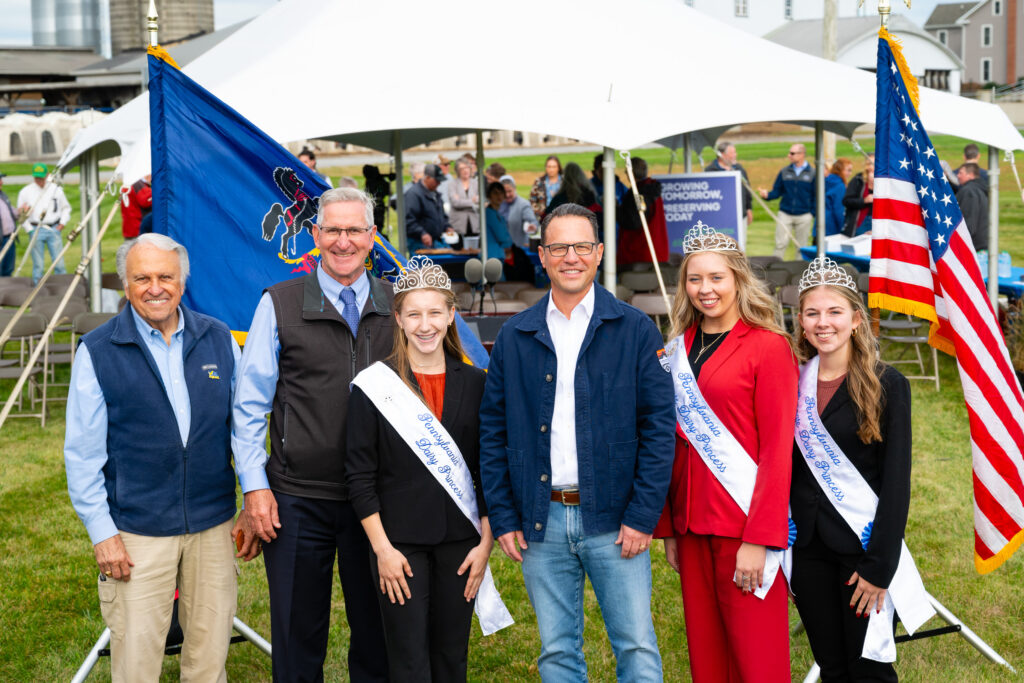
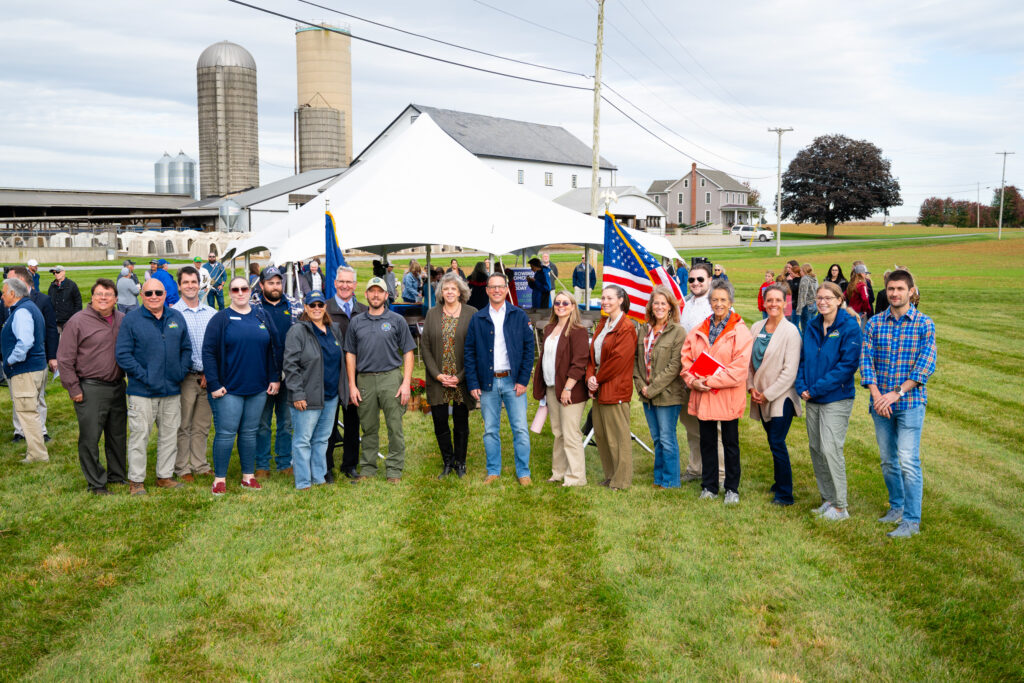
Find more LebTown photos from the event below.
Questions about this story? Suggestions for a future LebTown article? Reach our newsroom using this contact form and we’ll do our best to get back to you.
Support Lebanon County journalism.
Cancel anytime.
Monthly Subscription
🌟 Annual Subscription
- Still no paywall!
- Fewer ads
- Exclusive events and emails
- All monthly benefits
- Most popular option
- Make a bigger impact
Already a member? Log in here to hide these messages
Strong communities need someone keeping an eye on local institutions. LebTown holds leaders accountable, reports on decisions affecting your taxes and schools, and ensures transparency at every level. Support this work with a monthly or annual membership, or make a one-time contribution. Cancel anytime.