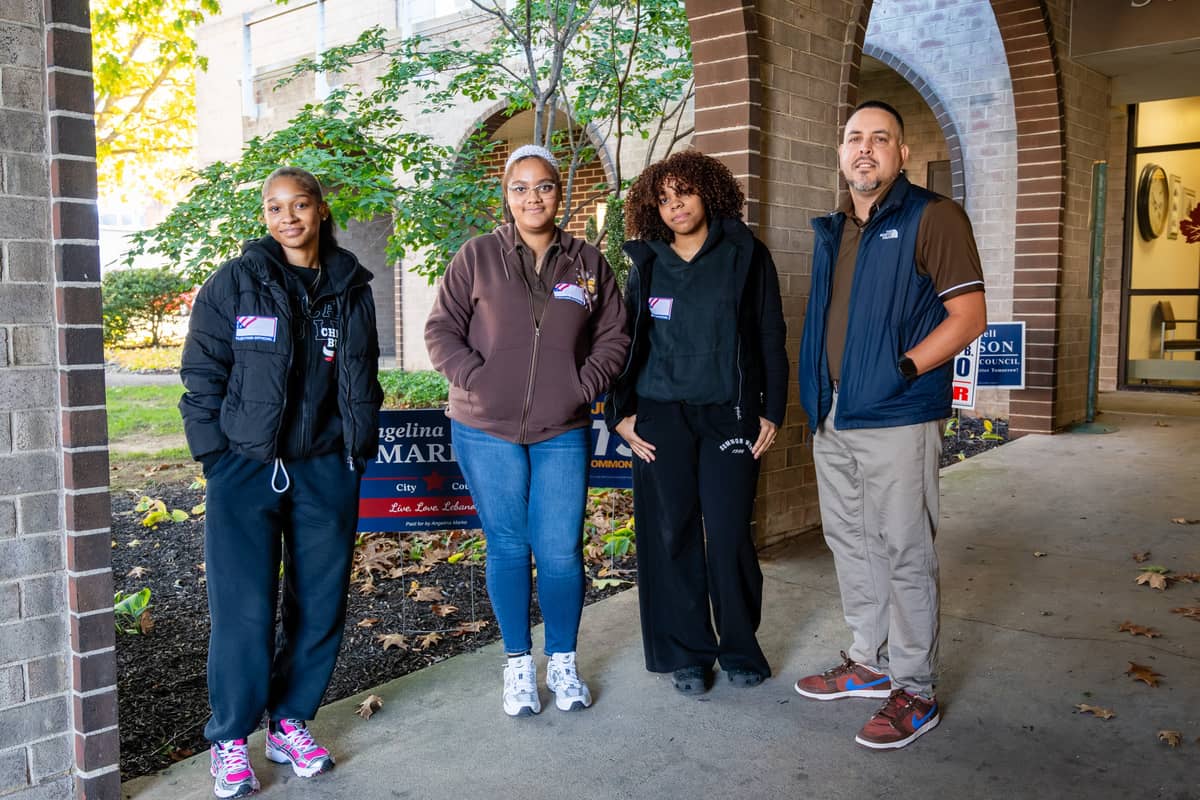

Lebanon County had 48 high school students working at voting precincts throughout the area for the 2025 municipal elections.
Of the 48 students, 33 were from Lebanon High School, 13 were from Cedar Crest, and two were from Our Lady of the Cross.
Jamie Shoemaker, an employee in the county office of voter registration, said students went to new precincts this year to help out and translate, if required. The job also gave them an opportunity to learn about the election process before they’re old enough to register and vote themselves.
“Studies have shown that when young people are taught about elections, it helps make voting a habit in their lifetime even as adults,” Shoemaker said. “I just think we should really get them out there and teach them about the electoral process and how voting works and let them see the whole process from their local precinct — as close to their precinct as possible.”
The program goes back to at least 2016 and was run previously by former county elections staff members Michael Anderson and Judy Plummer, current county elections director Sean Drasher told LebTown.
Read More: Student poll workers at Lebanon County precincts experience elections on the job
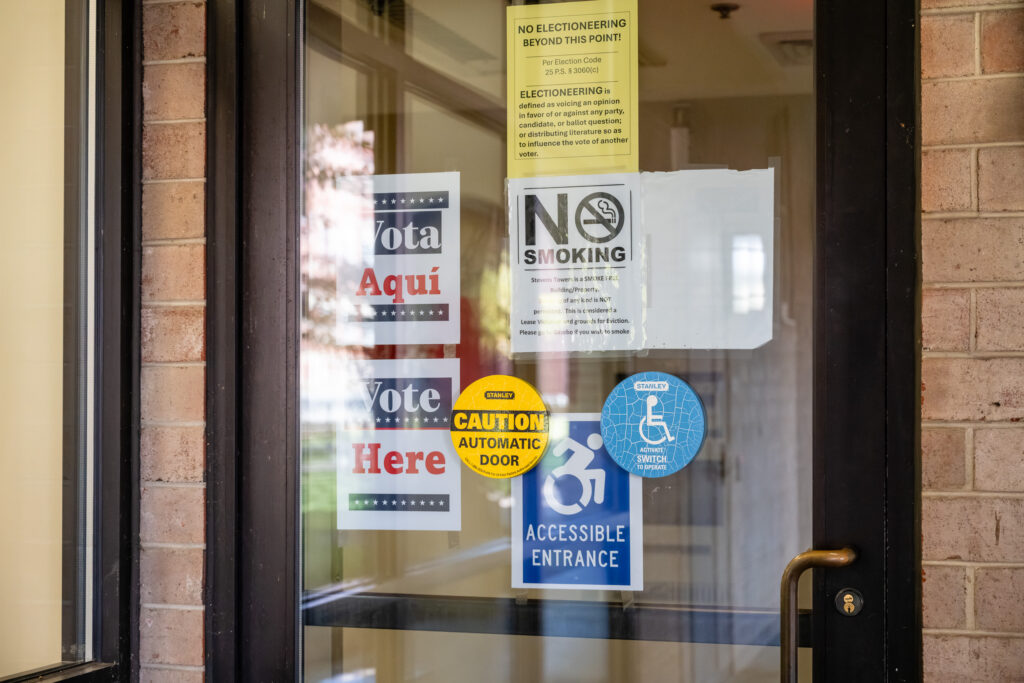
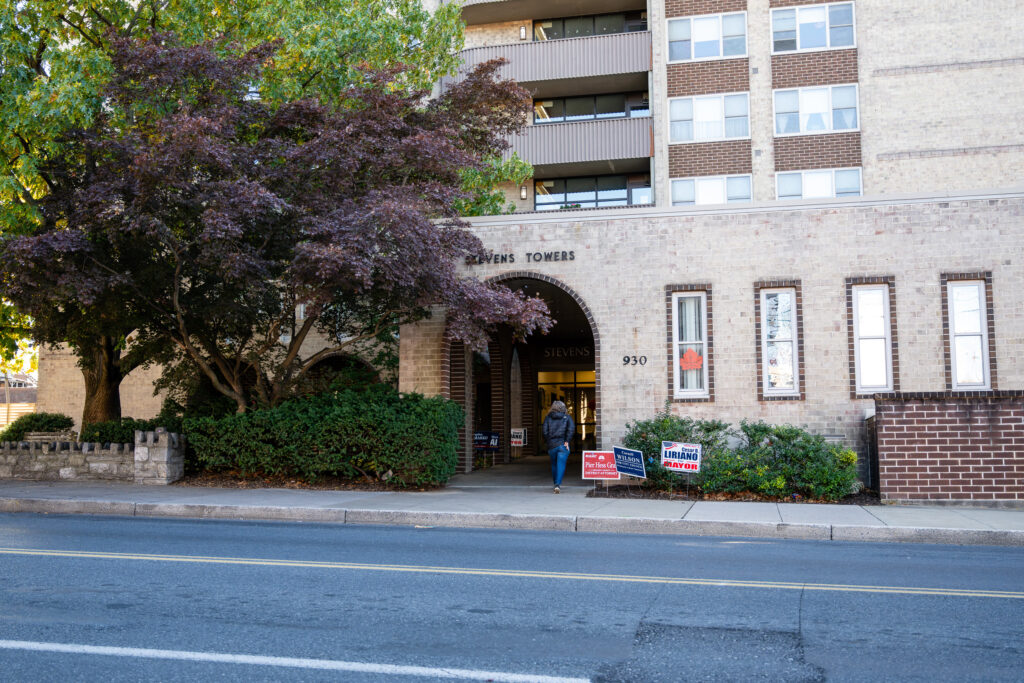
The voting precinct at Stevens Towers in Lebanon had three students from Lebanon High School working. Around lunchtime, Yojeidy Quezada Sanchez said she had already helped a Spanish-speaking voter who needed help with the process.
“Since I heard Spanish speakers come here, I was really, ‘Oh, that would be fun to also help other people with my Spanish,’” she said. “There’s not really helpers that can speak Spanish, and I was really willing to not only help, but also experience and learn from this.”
Shoemaker said these students can also help the poll workers — who tend to be older — with some of the technology. Sanchez said she helped someone earlier in the day connect to Bluetooth.
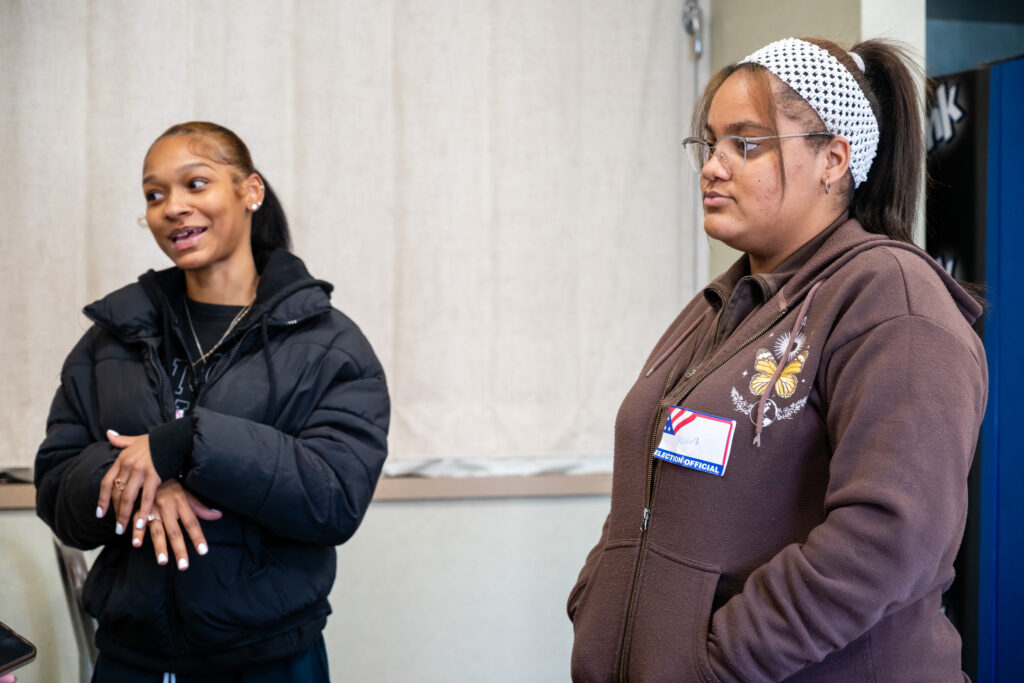
Anna Dabo also served as a student poll worker at Stevens Towers. She said she chose to get involved because it’s an opportunity to learn about the election process firsthand, and it’s a chance to help her community so they cast their ballot correctly.
“I feel like it’s important because some people who don’t speak English or just don’t know in general, they could just come in here and just sign something or just fill something out without really knowing what they’re doing,” she said.
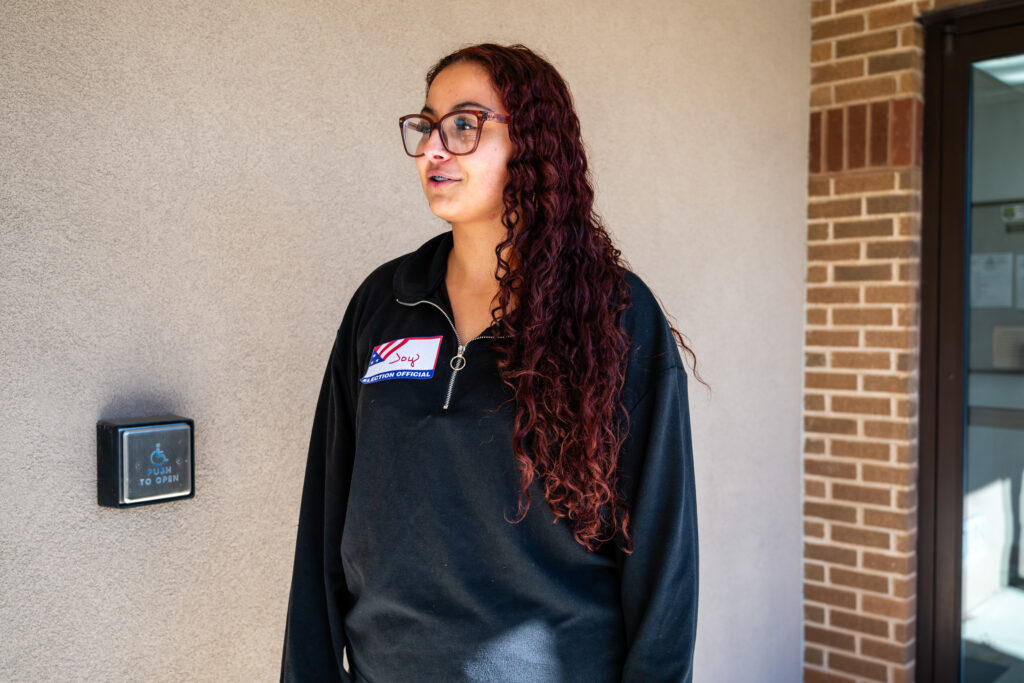
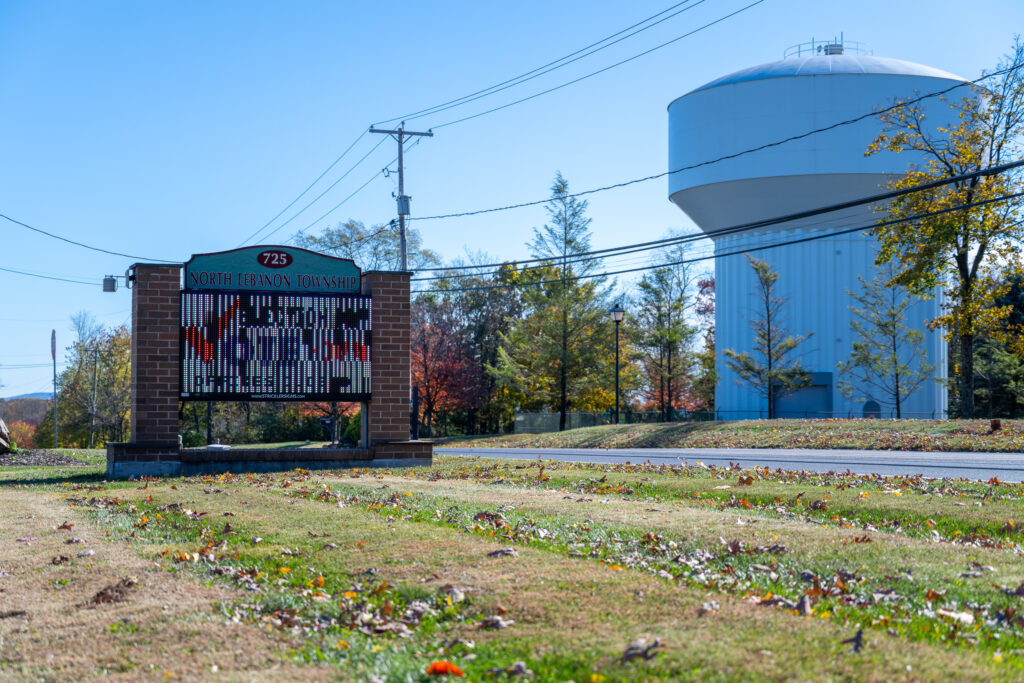
Joy Nagi, a student at Cedar Crest High School, worked as a student poll worker at the North Lebanon Township building. She was available to provide Arabic interpretation for voters who needed it, but said she hadn’t had anyone to translate for about halfway through the day.
The student poll workers at the precinct rotated through the different stations to get a full view of the process. Nagi said she got involved for the educational aspect, and it’s a chance for interested young people to learn.
“I think it’s a good thing for people to be educated about it for when they grow up and if they want to, like some people in my school, they want to end up being in office or they want to be somewhere in that area,” she said. “I think it’s a great thing for people to come and understand a little bit about it and see how it’s not all serious, but it’s all pretty straightforward, and that there’s a lot of privacy to it.”
Keith Rolon, cooperative education coordinator at Lebanon High School, served as the liaison between the Lebanon School District and the election board. He said this is the fourth year they’ve had student poll workers at precincts to assist, and the language services they provide are important for ensuring voters are able to participate in democracy.
“It’s important because we want every person in a community that votes to have access to questions and have access to voting,” Rolon said. “We want to make sure that we can support the needs of the residents that are voting if they need language services or they’re unsure about something, that way their voice is heard and it counts.”
Student poll workers are paid $100 for the day. Rolon said it’s a good way for students to earn some money, especially if they don’t have another job.
He also said he hopes they can take what they learn back to their families to increase voter participation.
“A lot of households might not have a lot of voters in the household, so you get a student who at least can see an election, see how voting happens, and maybe take that back to the house and be a little more informed with why it’s important to vote and how easy it is to vote,” he said. “If they’ve never had any voters, it’s important that those next generations are informed on that process.”
Questions about this story? Suggestions for a future LebTown article? Reach our newsroom using this contact form and we’ll do our best to get back to you.
Support Lebanon County journalism.
Cancel anytime.
Monthly Subscription
🌟 Annual Subscription
- Still no paywall!
- Fewer ads
- Exclusive events and emails
- All monthly benefits
- Most popular option
- Make a bigger impact
Already a member? Log in here to hide these messages
Local news is a public good—like roads, parks, or schools, it benefits everyone. LebTown keeps Lebanon County informed, connected, and ready to participate. Support this community resource with a monthly or annual membership, or make a one-time contribution. Cancel anytime.