
This article was funded by LebTown donors as part of our Civic Impact Reporting Project.
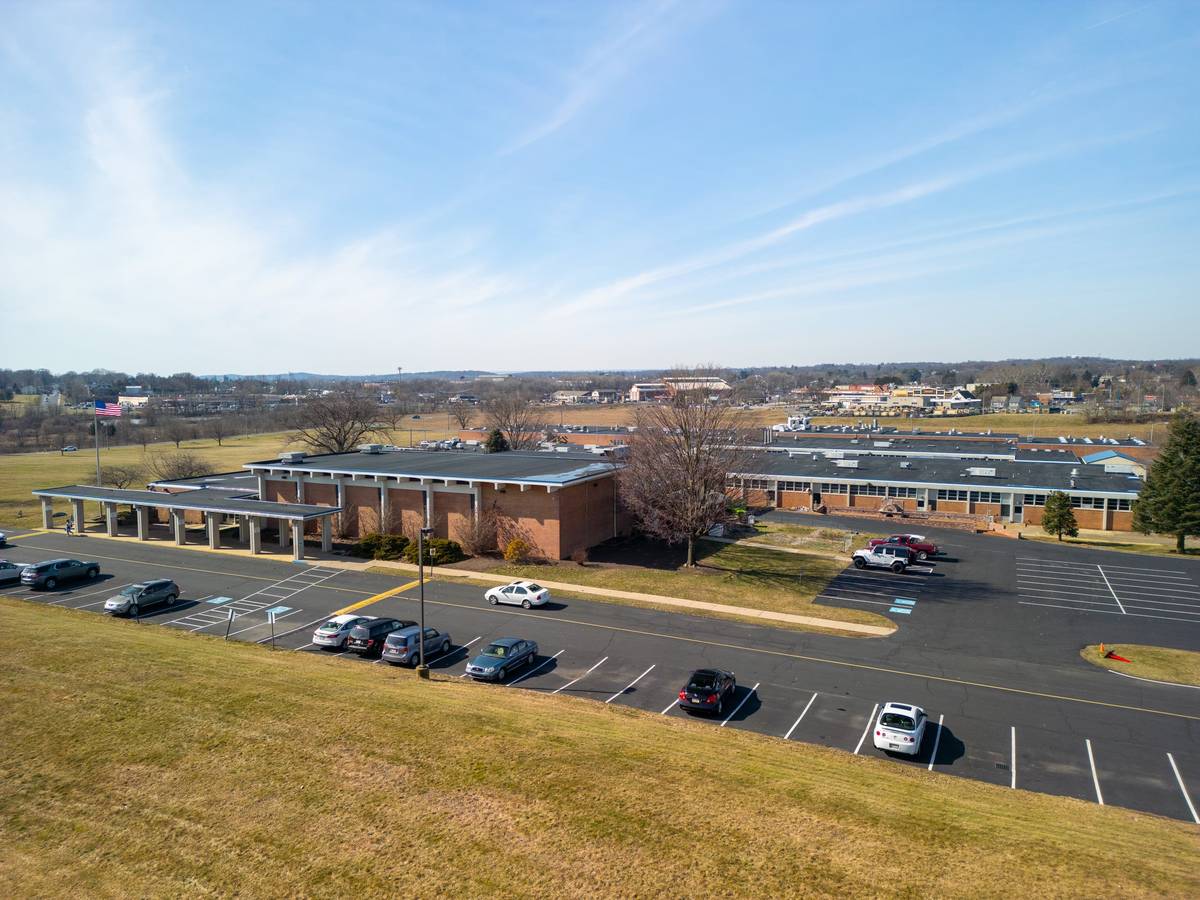
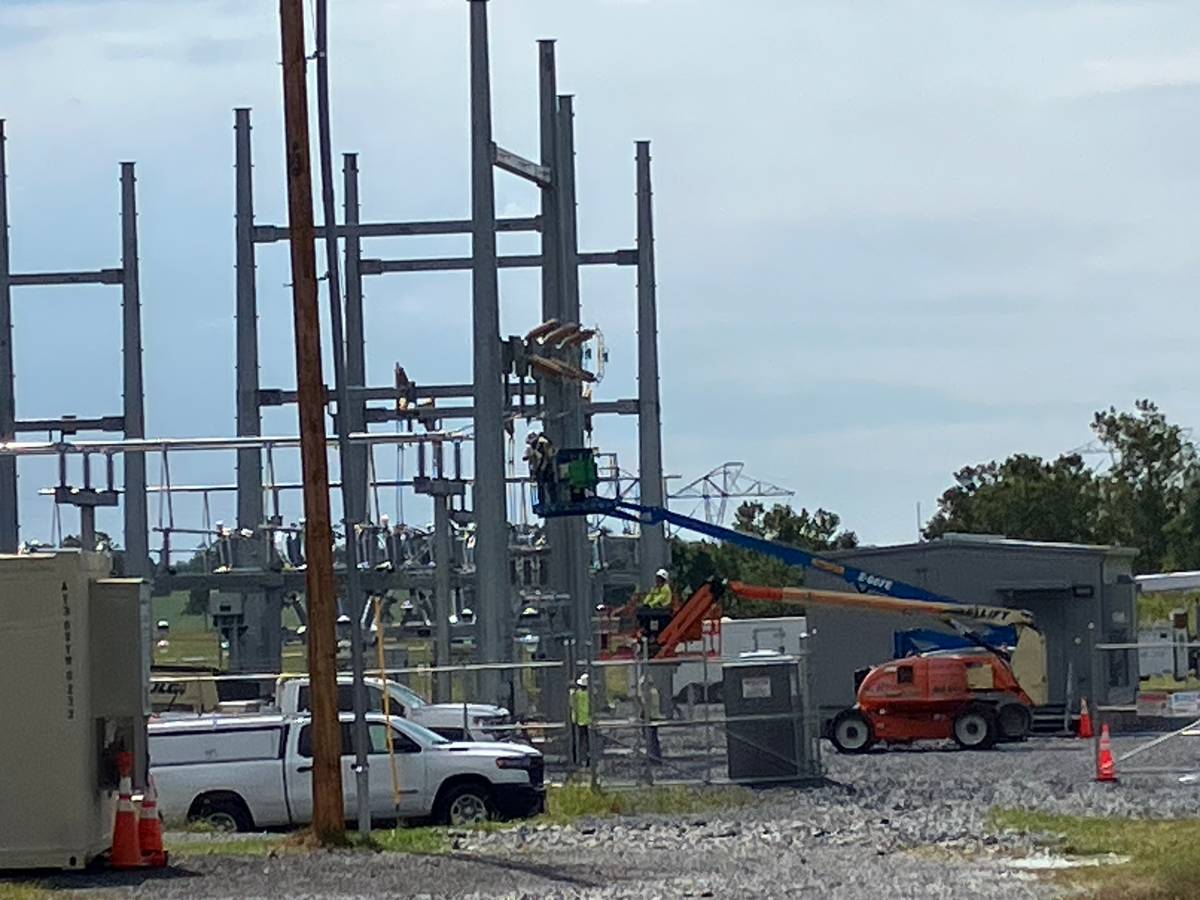
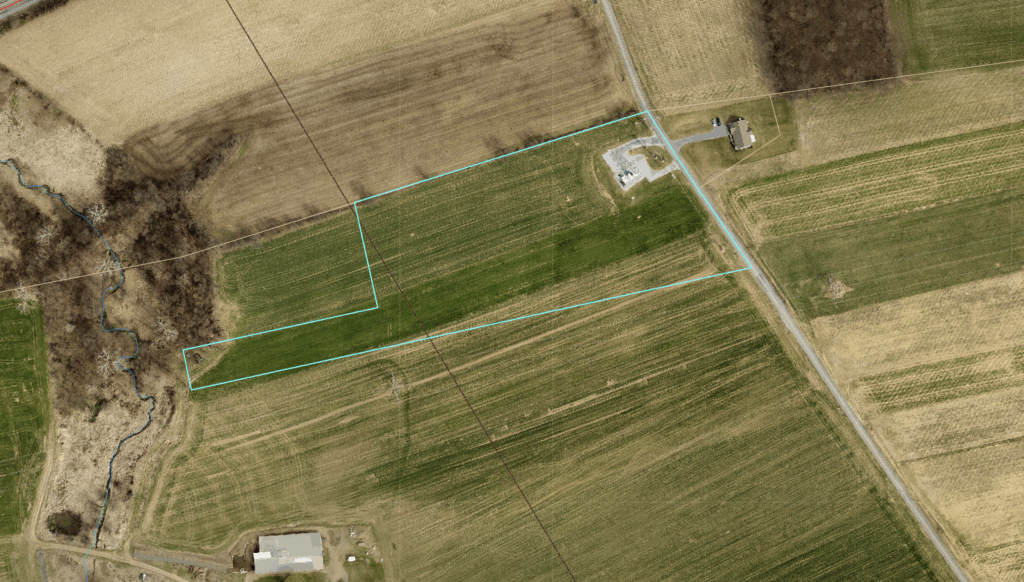
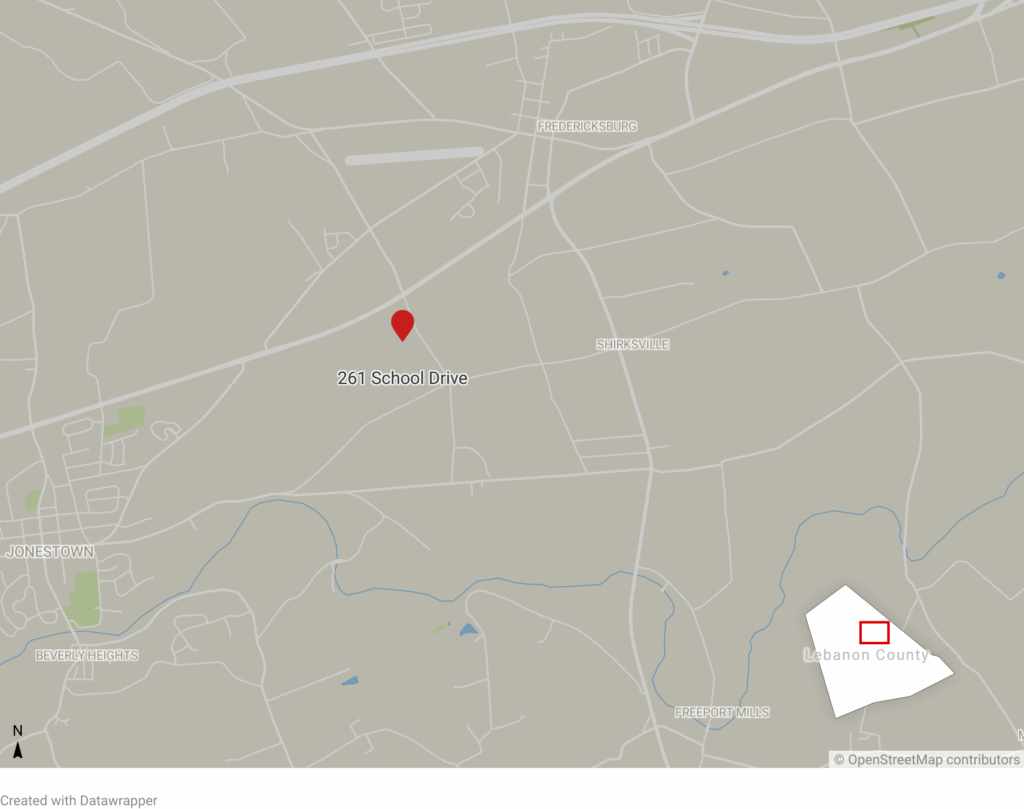
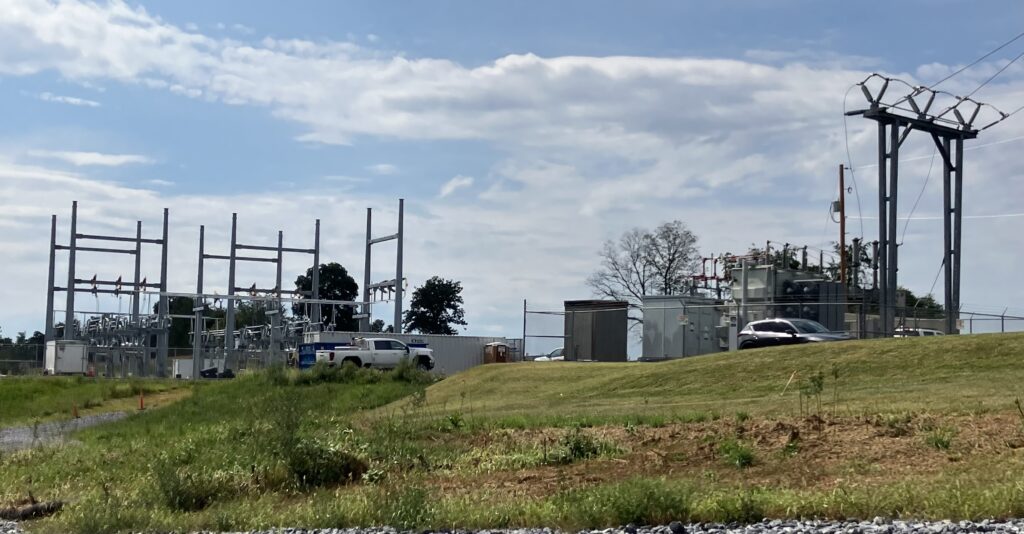
Questions raised in September about ongoing construction of an electric transmission substation in the 200 block of School Drive in Bethel Township have been answered.
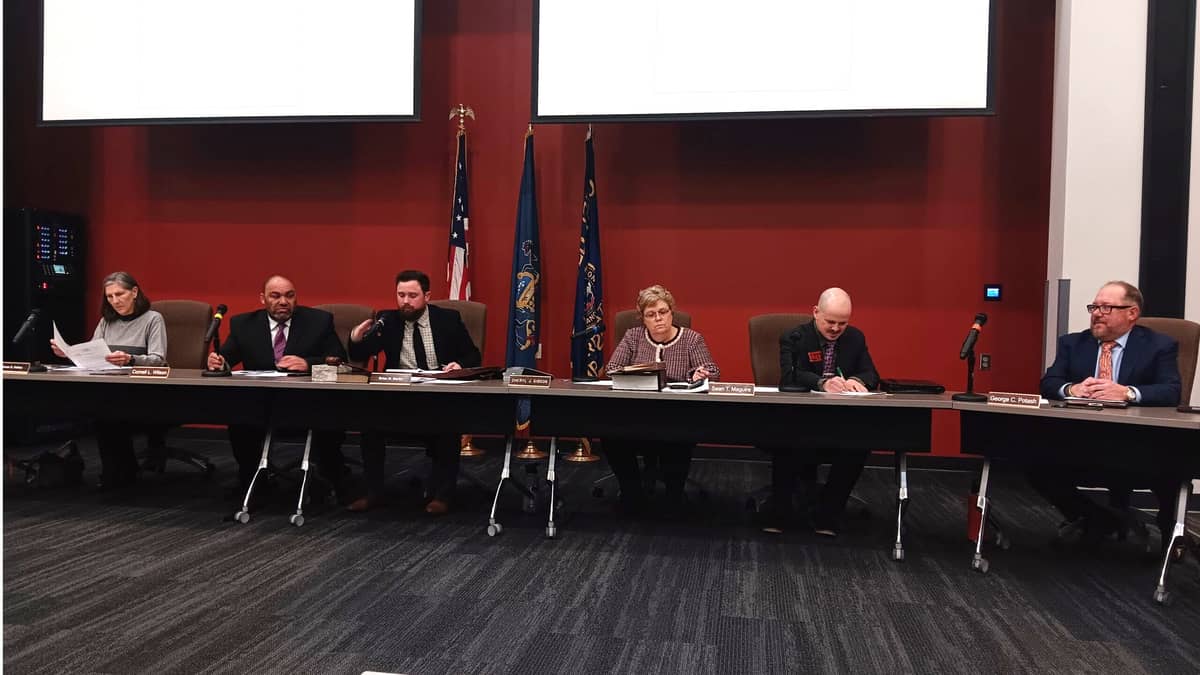
Based on discussion at the Nov. 13 meeting of township supervisors, the project is permitted to move forward since First Energy is governed by the Pennsylvania Utility Commission. Jurisdiction over utilities by the PUC supersedes local ordinances, according to township officials.
LebTown had enquired with township engineer Matthew Mack in early September about the construction project occurring on School Drive since there had been no discussion about the project at a public meeting.
Read More: Bethel Township officials question new transmission substation construction
At that time, township officials said they were not aware that construction was happening there, which is why it hadn’t been discussed in a public forum. Mack wondered about plans that are usually filed with most construction projects, including stormwater, and other permits that are typically required as part of a township’s zoning ordinances.
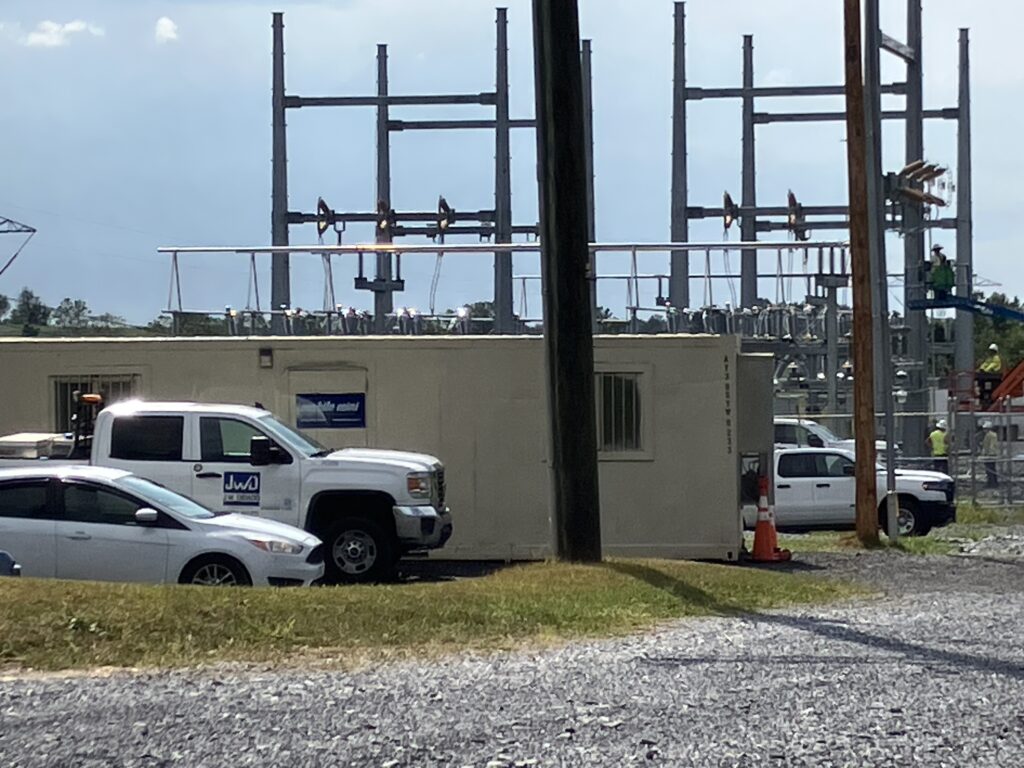
“So this is something that came about maybe two months ago. We were informed that there was work actually going on on School Drive next to the existing station that’s out there, some expansion,” Mack said Thursday. “We reached out to the First Energy, (and learned) they had received NPDES (National Pollutant Discharge Elimination System) approval from the (Lebanon County) Conservation District, but they didn’t receive any permits from the township.”
That led the township to consult township solicitor Andrew Morrow and legal counsel with the Pennsylvania State of Association of Township Supervisors (PSAT) for legal opinions. The township is an association member and, as such, has access to their legal counsel for matters that impact the township.
“We had discussions with PSATs and also the township solicitor and it was determined that they may not need permits and I’ll let Andrew expand (on that),” Mack said.
Morrow said he researched case law dating back 50 to 60 years to learn what legal footing, if any, the municipality had based on prior court cases.
“The Pennsylvania Supreme Court has held the public utilities are to be regulated exclusively by an agency of the commonwealth with statewide jurisdiction rather than a myriad of local governments with different regulations,” Morrow told supervisors. “In the context of SALDO (Subdivision and Land Development Ordinances) the courts of the commonwealth concluded there’s no implied power in … that would allow a township to regulate a public utility through its SALDO.”
Morrow cited a 1966 Supreme Court case that he said “states that the provisions of the public utility law, together with the regulations of the PUC, have designed and developed machinery which standardizes the construction, operation, and services of public utilities throughout Pennsylvania.”
“That same court in 1966 also made it clear that courts will not originally adjudicate matters within the jurisdiction of the PUC,” Morrow said. “Initial jurisdiction of matters concerning the relationship between public utilities and the public is the PUC and not the courts.”
Morrow added that per that court case, this has been held so “involving rates, service, rules of service, extension and expansion, hazard of public safety due to the use of utility facilities, installation of utility facilities, location of utility facilities, obtaining, alerting, dissolving, abandoning, selling or transferring any right, power, privilege, service, franchise, or property, and rights to serve a particular property or territory.”
This is one matter that the courts have made very clearly over time, he added.
“There is a very long line of cases that goes back – actually, really, it goes back much of the last century – that makes it clear that the PUC governs utilities. And the reason being for that is – at least, the reason stated by the court – is that if there would be different regulations for utilities in different locations, that could just affect the public utilities in service to the commonwealth,” Morrow said.
Based on that information, Morrow told supervisors he believes the “township does not have a whole lot of recourse here, unfortunately.”
He noted that PSAT’s attorney had a similar conclusion.
“He sort of has a similar conclusion that it doesn’t look very good for the township. I mean, the PUC in the case law is very strong,” Morrow said. “And also it would be virtually impossible for me to imagine that the PUC not get involved if the township was to send him a letter saying, ‘Okay, you need to do X, Y, and Z.’”
Morrow said that’s what occurred with Mack’s first interaction with First Energy, who wrote back citing case law. He listed one potential recourse for the township, if the issue was important enough to them.
“The township would be able to reach out to the PUC itself, because they’re the governing body,” he said. “If any concerns would arise, and say, ‘Hey, listen, this is a township, this is important to us, this is a concern,’ and basically go from there.”
Morrow said in matters between the state and a township, the commonwealth will usually prevail.
He noted that the utility had secured a stormwater permit to meet that state requirement, adding that a concern he has is over the driveway at the site. The substation sits at the top of the hill and there’s limited sight distance for vehicles approaching on School Drive.
A First Energy official told LebTown via email in mid-September that the utility had secured its NPDES permit issuance from the Lebanon County Conservation District on March 11, 2024, and renewed it with the LCCD on Dec. 5, 2024.
“I stopped out and the only real concern is the new driveways they put in. It’s really on the crest of the hill, like you can’t see it,” Mack said. “But on the plans they provided to me, it appears those drivers are temporary driveways to get their construction stuff in, and they’re supposed to be removed. So separate from the driveway situation, everything else, they did secure a permit from the state with regards to stormwater release.”
Board chairman Richard Rudy thanked Morrow for his research on behalf of the township.
Company spokesman Todd Meyers told LebTown the new substation will increase electricity reliability throughout the northern Lebanon County region.
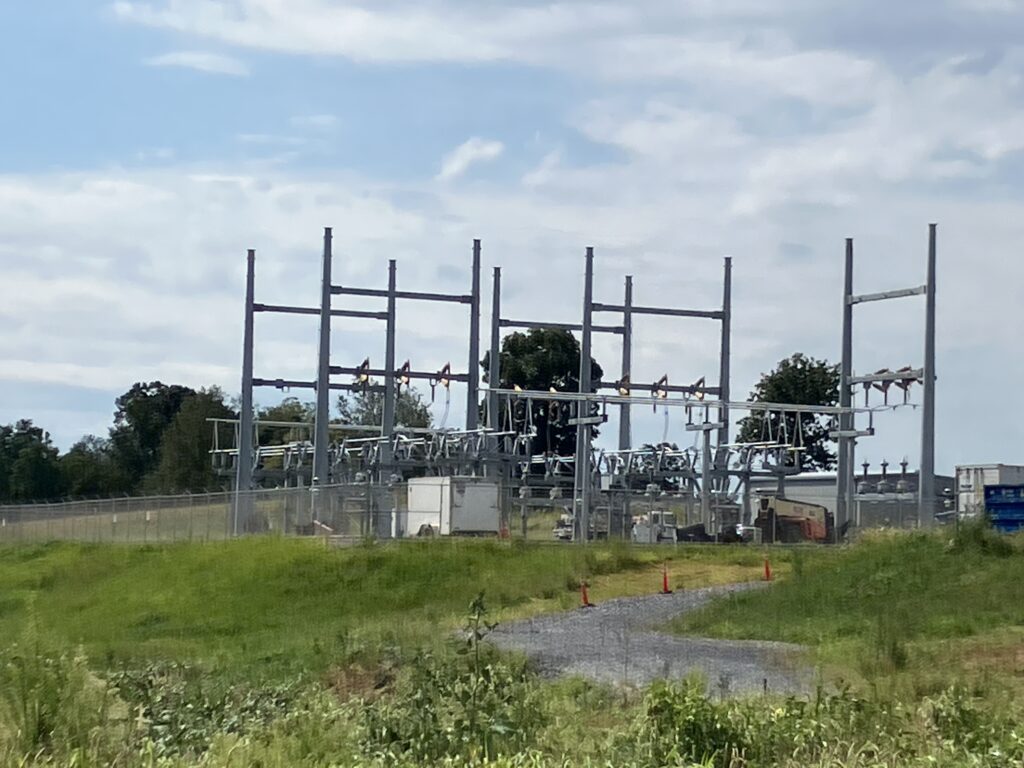
“The new West Fredericksburg Substation on School Drive is a different kind of substation called a ring bus and is designed to improve the reliability of electric service for 6,000 Met-Ed customers in the northern end of Lebanon County,” Meyers wrote in mid-September. “Instead of housing transformers, the new 69-kilovolt (kV) ring bus substation contains automated circuit breakers to better manage the flow of electricity between Met-Ed’s Fredericksburg substation next door and similar substations in Lickdale, Frystown and North Lebanon.”
Meyers provided further explanation as to the functionality of the new substation, which will sit next to an existing station.
“The West Fredericksburg Substation will divide the area’s 69-kV transmission grid that interconnects these substations into smaller segments. That will provide our system operators more flexibility to quickly isolate damage caused by severe weather or vehicle accidents – allowing our customers to be served with electricity from nearby lines to keep their lights on as our crews make repairs,” Meyers explained.
Questions about this story? Suggestions for a future LebTown article? Reach our newsroom using this contact form and we’ll do our best to get back to you.
Support Lebanon County journalism.
Cancel anytime.
Monthly Subscription
🌟 Annual Subscription
- Still no paywall!
- Fewer ads
- Exclusive events and emails
- All monthly benefits
- Most popular option
- Make a bigger impact
Already a member? Log in here to hide these messages
An informed community is a stronger community. LebTown covers the local government meetings, breaking news, and community stories that shape Lebanon County’s future. Help us expand our coverage by becoming a monthly or annual member, or support our work with a one-time contribution. Cancel anytime.