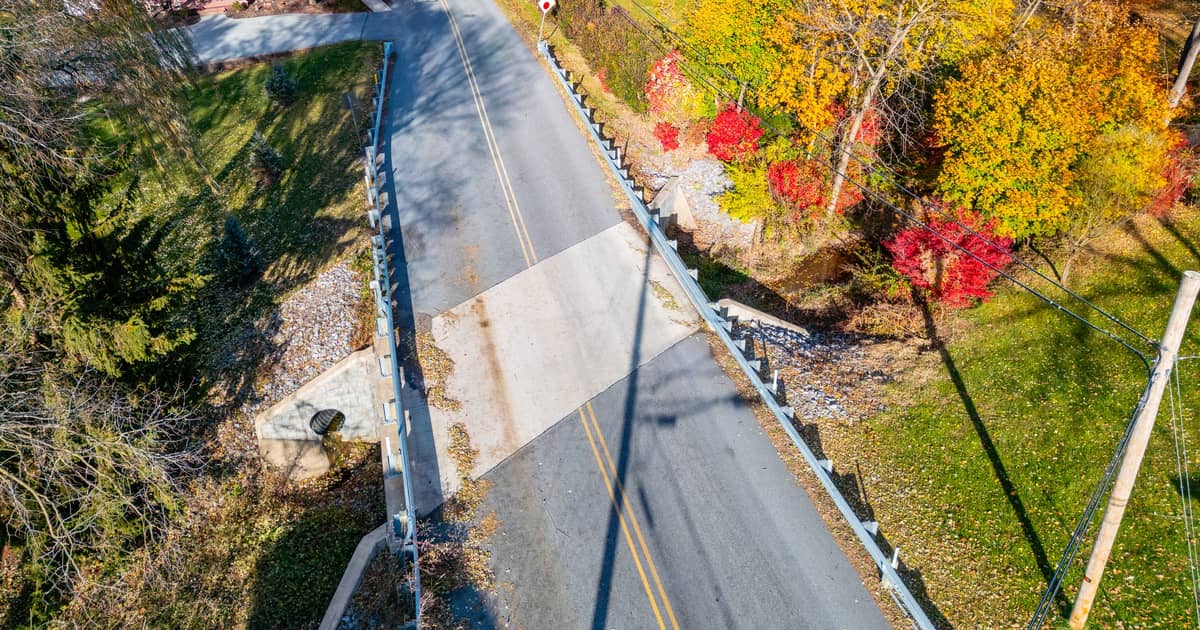

PennDOT expects to remediate a drainage issue on Hammer Creek in Schaefferstown, Heidelberg Township, that has been linked with the 2019 replacement of the Market Street bridge in a construction project during the 2026 construction season.
A previous bridge over Hammer Creek was demolished in 2019 and replaced with a precast concrete box culvert structure in a million-dollar project carried out by York-based Kinsley Construction Inc. Kinsley ended up excavating the foundation deeper than planned due to soil issues – a not uncommon occurrence – and filled the hole with rip-rap and other stones along with a dirt topping.
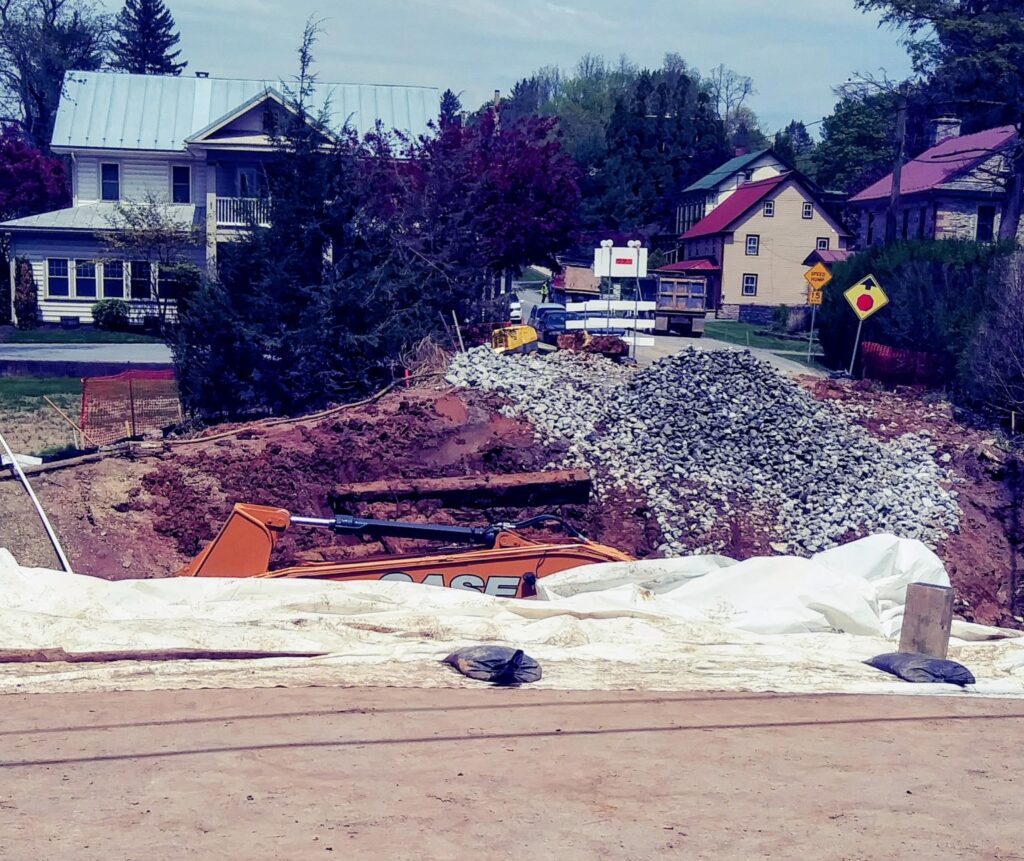
Schaefferstown lies at the confluence of several major rock formations, one of which being the Cambrian and Ordovician sedimentary rock known across the county for its karst formations, most commonly encountered as sinkholes.
Although the area of the bridge was thought to be in a Triassic formation where sandstone is more common than limestone, those familiar with the project now think that a sinkhole may have connected with the bridge excavation area.
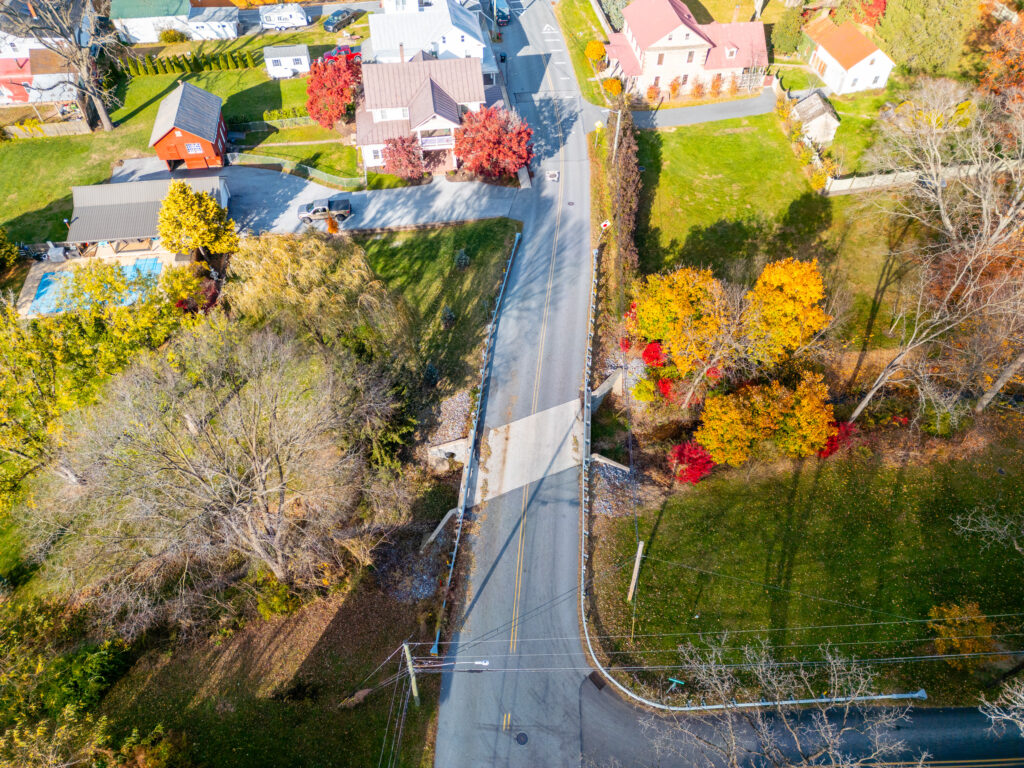
Essentially, it became a giant French drain, in the words of former Heidelberg Township supervisor Bruce Kramer, whose extensive construction experience along with his years spent living alongside the creek gave him a unique perspective on the project.
Kramer said he didn’t have any concerns while observing the construction, and that it took a while for an issue to show up – but now, five years later, local stakeholders believe that the chain of events has led to the drying up of Hammer Creek between Market Street and new state Route 501. Although some have tried to see the silver lining, most have been eager to hear updates from PennDOT about a potential timeline for remediating the issue.
Lynn Wenger, president of Historic Schaefferstown Inc., said that there’s no aquatic life in the section of the creek that runs through the Schaeffer Farm, but that it has still been going ahead with plans for streambed restoration in conjunction with Doc Fritchey Trout Unlimited.
“We’re going to go head with that and hopefully somebody, PennDOT, can get something done to get water flowing again,” said Wenger.
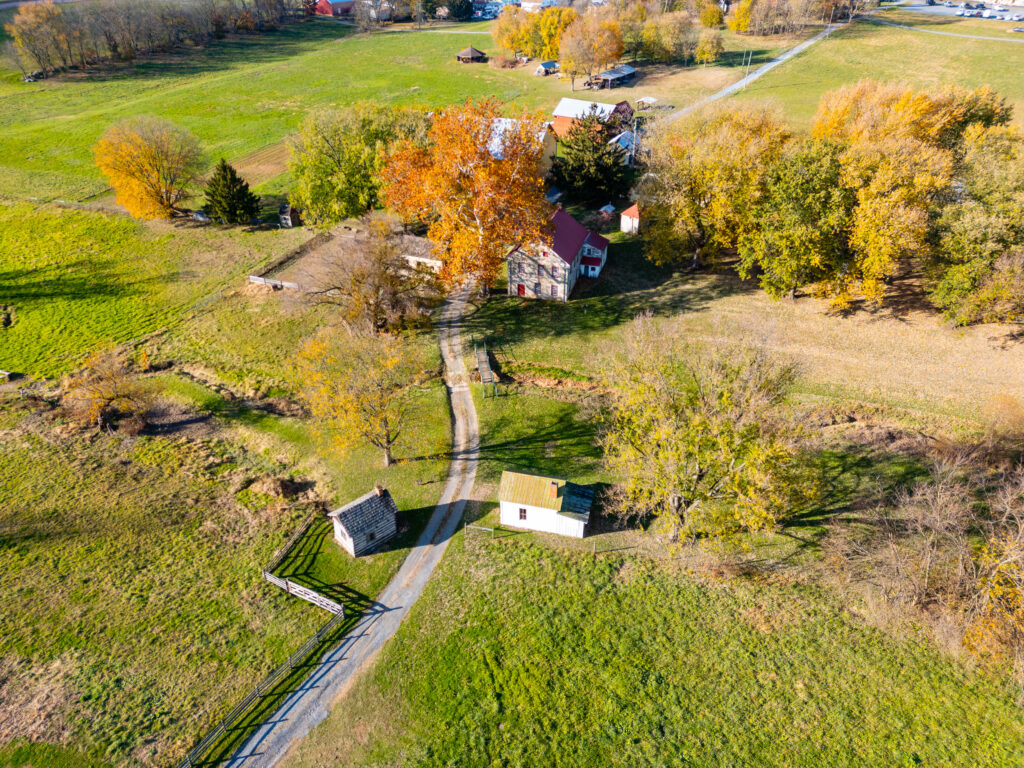
Wenger said that although leadership at HSI was unhappy at the creek drying up, it hasn’t had a real impact on the organization – and Wenger looked at the bright side, noting that it’s been easier to keep the creek’s streambanks intact without the farm’s cows using it to drink. Still, he said, “I’m hoping they’ll fix the stream there and we’ll get a real stream running again.” Wenger hopes to see kids playing in the creek and catching minnows again soon.
Russ Collins, former president and current conservation chair and signing officer for Doc Fritchey Trout Unlimited, said that the group has raised around $5 million in grants for Hammer Creek streambed restoration and has coordinated with the state Department of Environmental Protection (DEP) on an alternate restoration plan (PDF) with the goal of realizing the creek’s potential as a trout fishery. Collins said there are issues with the creek not having a good steady flow when it comes to supporting fish life.
“Our efforts have been to restore the creek and get rid of the erosion and sediment and pollution that runs down through the valley so that it is a substantially better stream where it does flow for fish habitat,” said Collins.
Collins said he was made aware of the problem about two years ago and met with PennDOT and local officials to discuss solutions, but hasn’t seen any action since then.

In an interview last week, PennDOT District 8’s Richard Reisinger, assistant district executive for design, and project manager Kyle Kreiser told LebTown that remediation work should take place during the 2026 construction season.
Reisinger said that PennDOT has heard there were issues with this section of creek in the past, referring to it as a “losing stream” and noting that upstream development may have reduced the base flow, but confirmed that PennDOT has documented water disappearing just upstream of the project excavation area, past the existing concrete apron of the box culvert.
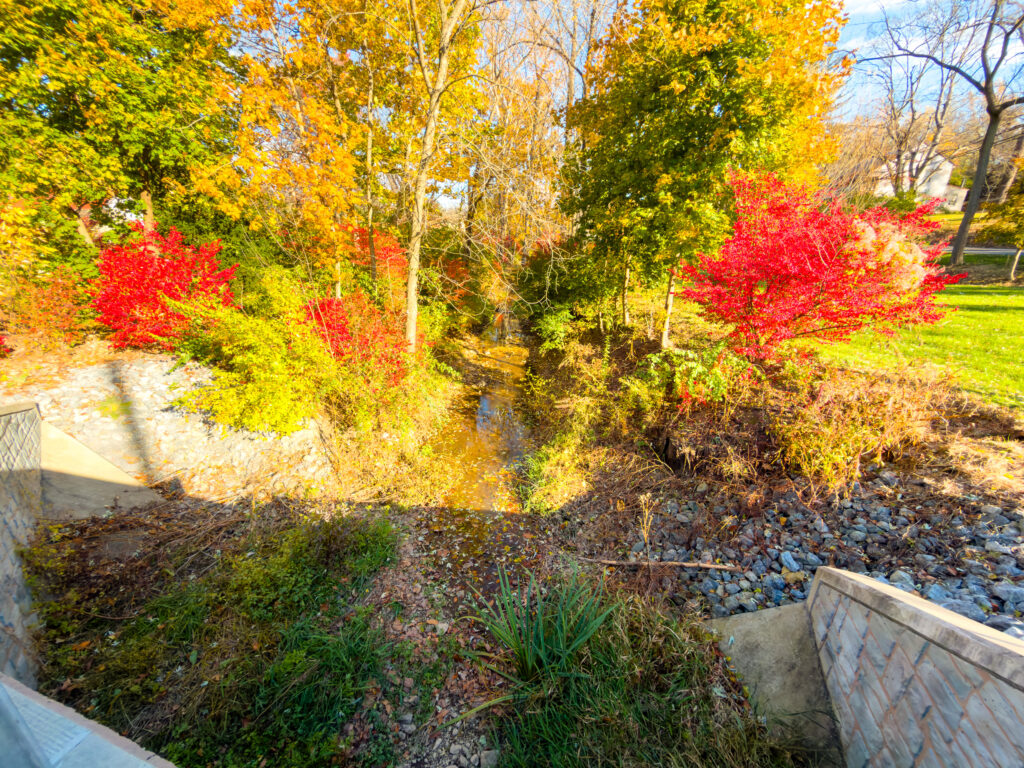
“We do a bunch of testing beforehand to know where we’re going to be, but sometimes things come up in construction,” Reisinger explained.
The drainage isn’t total, Kreiser said, pointing out that when groundwater’s high, water runs through the box.
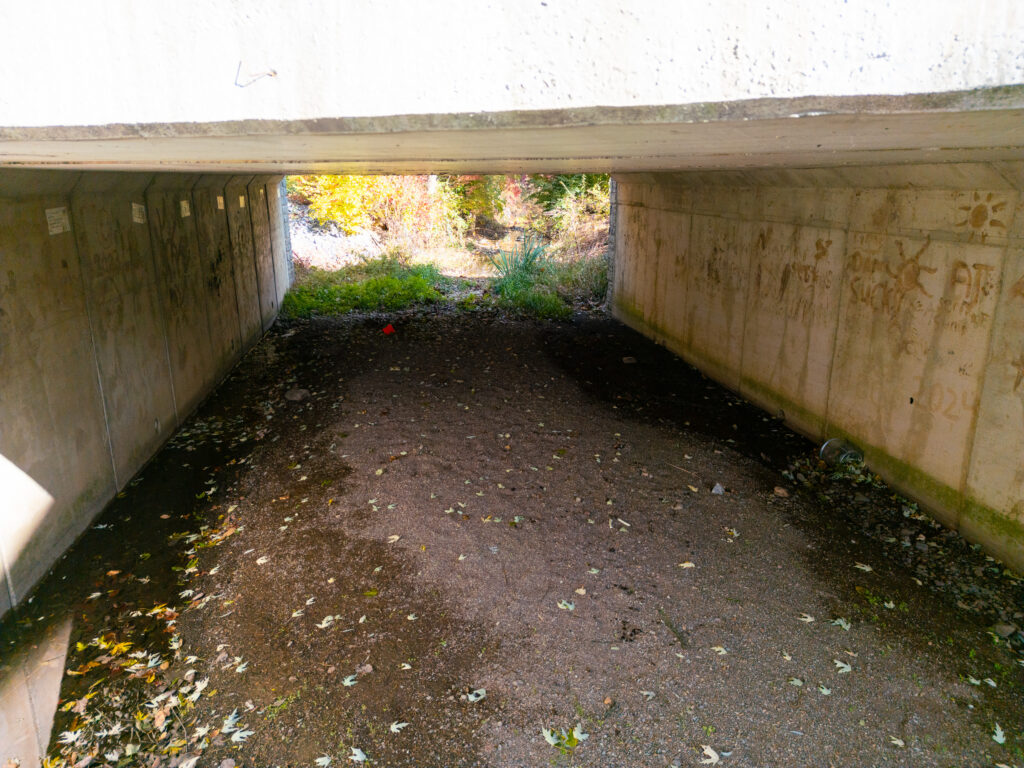
Through an existing contract with PennDOT District 8, Skelly and Loy Inc., a Harrisburg-based Terracon company, has performed multichannel analysis of surface waves on the creek – placing electronic probes to map the subsurface – confirming the karst formation underneath.
Skelly and Loy was charged with performing the study and sketching out what the solution could be. The firm has been reviewing potential plans with PennDOT engineers. Locally, Lebanon County senior transportation planner Jon Fitzkee has taken the lead on coordinating, with Dan Bost from state Sen. Chris Gebhard’s office also helping to keep the issue on PennDOT’s radar.
The current thinking is that through PennDOT’s District 8 bridge maintenance contract with J.D. Eckman, the apron could be extended out 5 to 8 feet the width of the stream. Engineers also considered drilling into the foundation and grouting, but has so far steered clear of that possibility out of concerns about exacerbating the issue. Using the bridge maintenance contract will save a lot of time on the engineering side, Kreiser said.
One regulatory hurdle to proceeding is getting the DEP to sign off on reopening the previous permit rather than going through the permitting process anew. PennDOT had a meeting scheduled with DEP this month to discuss.
Reisinger said that it isn’t a common situation for PennDOT to seek reopening of a permit and that this work is more involved than typical routine maintenance performed on bridges.
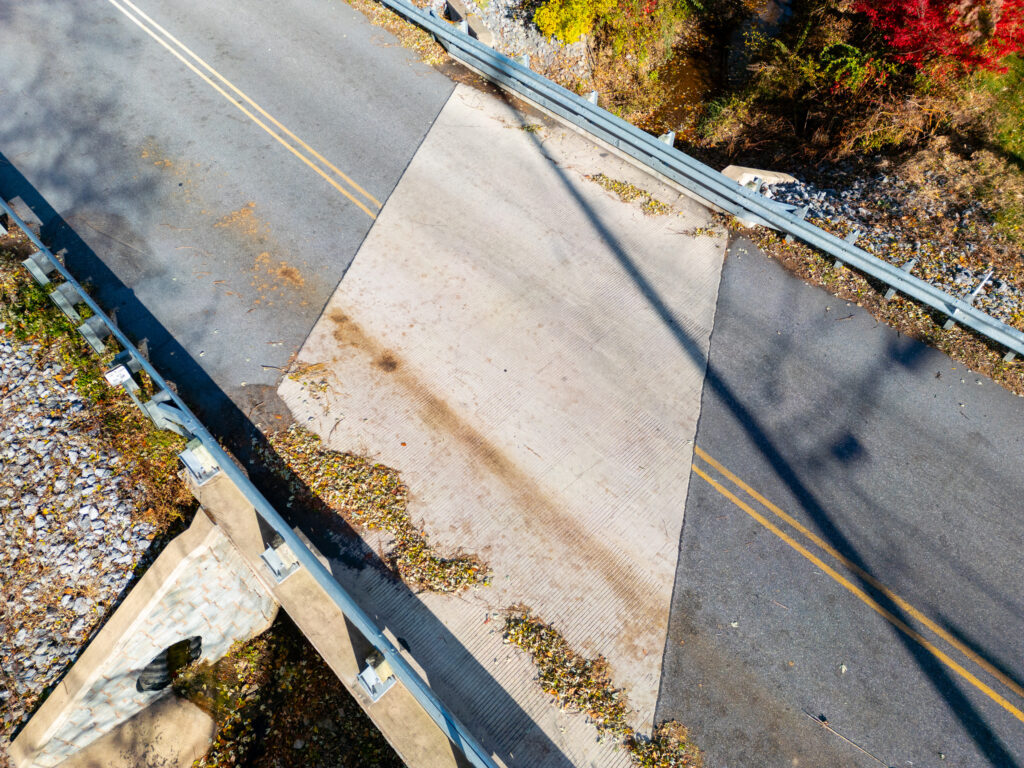
PennDOT will need to coordinate with property owners for any needed construction easements. When the contractors are ready, PennDOT will put out a notice about any needed traffic control measures. Since PennDOT owns the bridge, no additional approval for the work is needed beyond DEP signing off on reopening the permit.
Once a scope and budget is established, PennDOT would meet with J.D. Eckman to figure out a timeline. Reisinger said he suspects work could begin in spring or summer of 2026.
Questions about this story? Suggestions for a future LebTown article? Reach our newsroom using this contact form and we’ll do our best to get back to you.
Support Lebanon County journalism.
Cancel anytime.
Monthly Subscription
🌟 Annual Subscription
- Still no paywall!
- Fewer ads
- Exclusive events and emails
- All monthly benefits
- Most popular option
- Make a bigger impact
Already a member? Log in here to hide these messages
Local news is a public good—like roads, parks, or schools, it benefits everyone. LebTown keeps Lebanon County informed, connected, and ready to participate. Support this community resource with a monthly or annual membership, or make a one-time contribution. Cancel anytime.