
This article was funded by LebTown donors as part of our Civic Impact Reporting Project.
Lebanon Transit officials asked Lebanon County Commissioners for $280,703 toward construction costs for a $48 million operations and maintenance facility in the city.
The local funding match request came at a workshop session held by the commissioners on Wednesday, Jan. 14. Commissioners noted during the meeting that they would most likely vote on the request on Feb. 5. Workshop sessions are to gather information and no votes are taken at that time.
The funding request match is needed so the authority can receive Local Share Account funding from casino proceeds, according to Toby Fauver, project consultant from Rockland Planning Inc.
Fauver and transit officials asked for a letter of financial commitment for the project, noting the county has several short-term payment options to use at its discretion. Construction costs can be spread over three or four fiscal years, which would allow the local match to also be paid out over that timeframe.
This would equate to annual commitments of $93,567.66 over three years or $70,175.75 over four years, Fauver said. He also told commissioners that a decision is needed soon since the project is slated to be put out for bids on Feb. 23, and the authority “cannot bid the project until local match funds are received or a letter of commitment has been provided committing the outstanding local match funds to the project.”
State officials have informed transit officials that a payment option plan is permissible.
“I had a conversation with PennDOT about whether PennDOT would be comfortable with Lebanon Transit potentially dividing that up over four years, and got a positive response back that they thought that would be okay,” Fauver said. “That four-year division requires Lebanon Transit to fund some of that match out of their operating funds to be repaid. So when the actual bills come in, they have to pay it out of their operating funds and then repay it. But it’s a cash flow thing more than it is where the source of funds comes from.”
Fauver also provided a breakdown of current spending on this project and how it was funded.
“There’s already been $4.1 million spent on design and there’s an estimate of $2.5 million going to be spent on construction management. Both the $4.1 and $2.5 million will be covered 100% by the state as part of their engineering contract,” he said. “So the $48 million construction estimate is the piece that local matches are needed in total.”
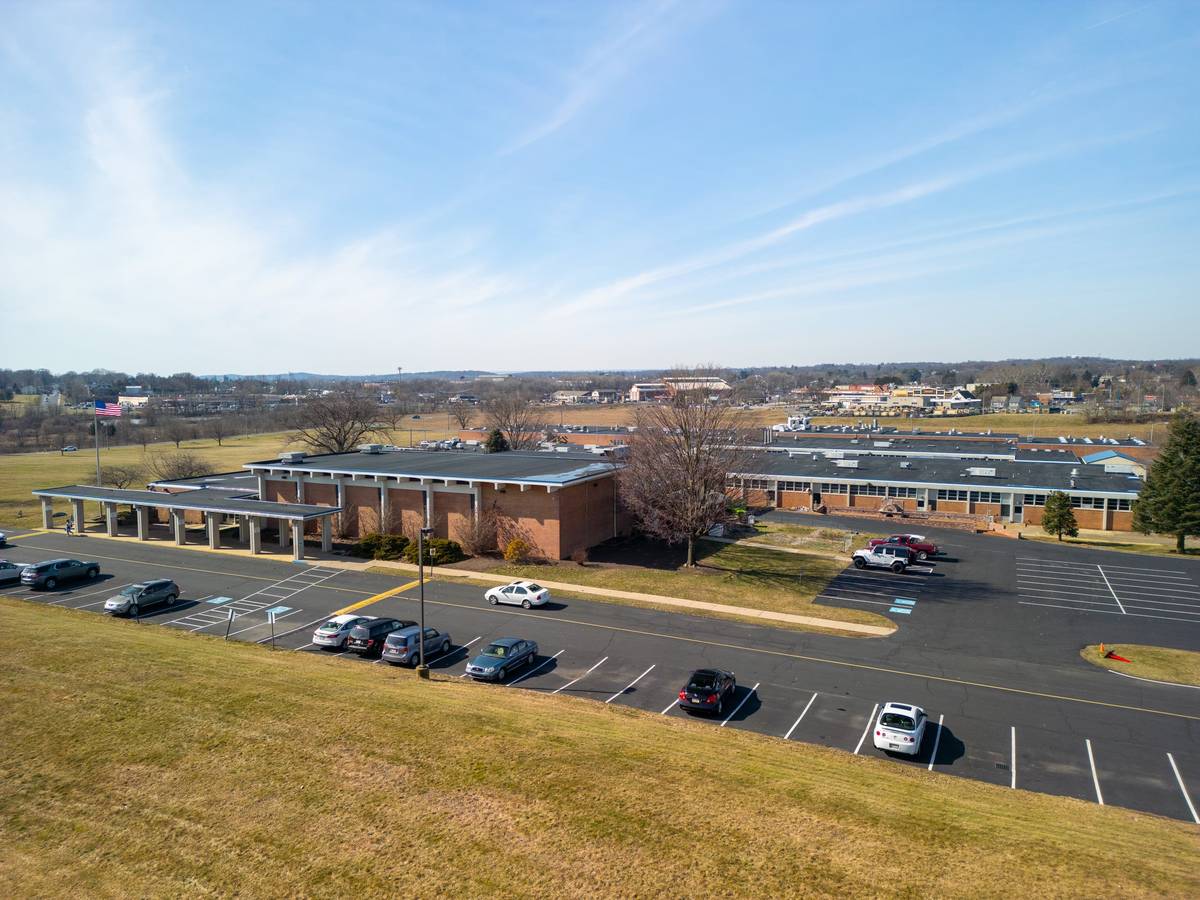
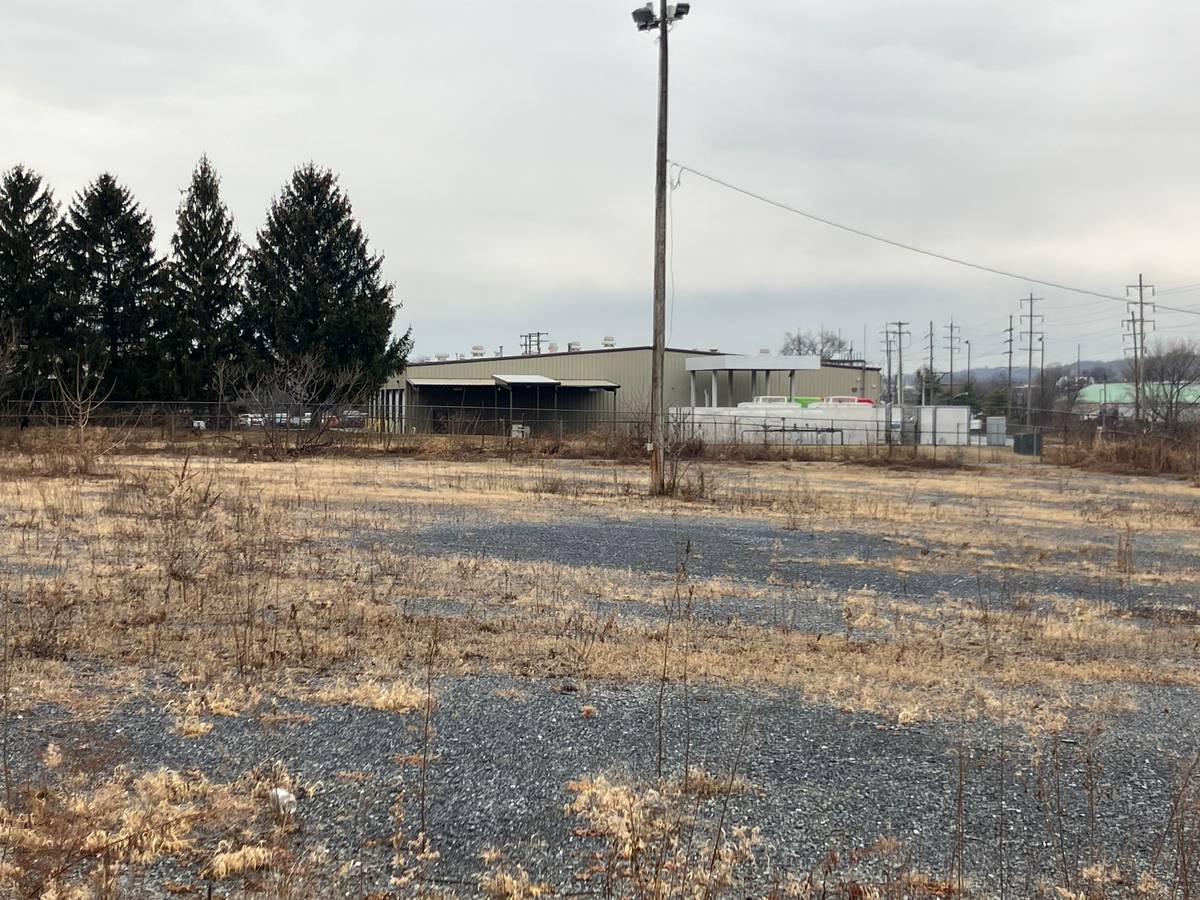
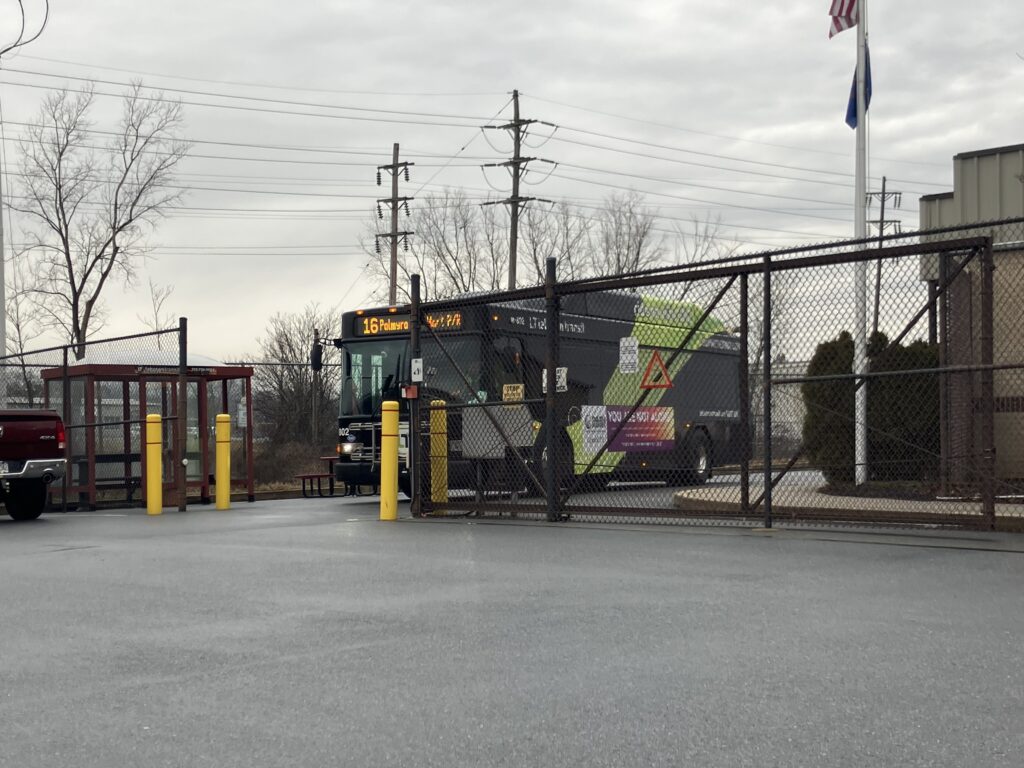
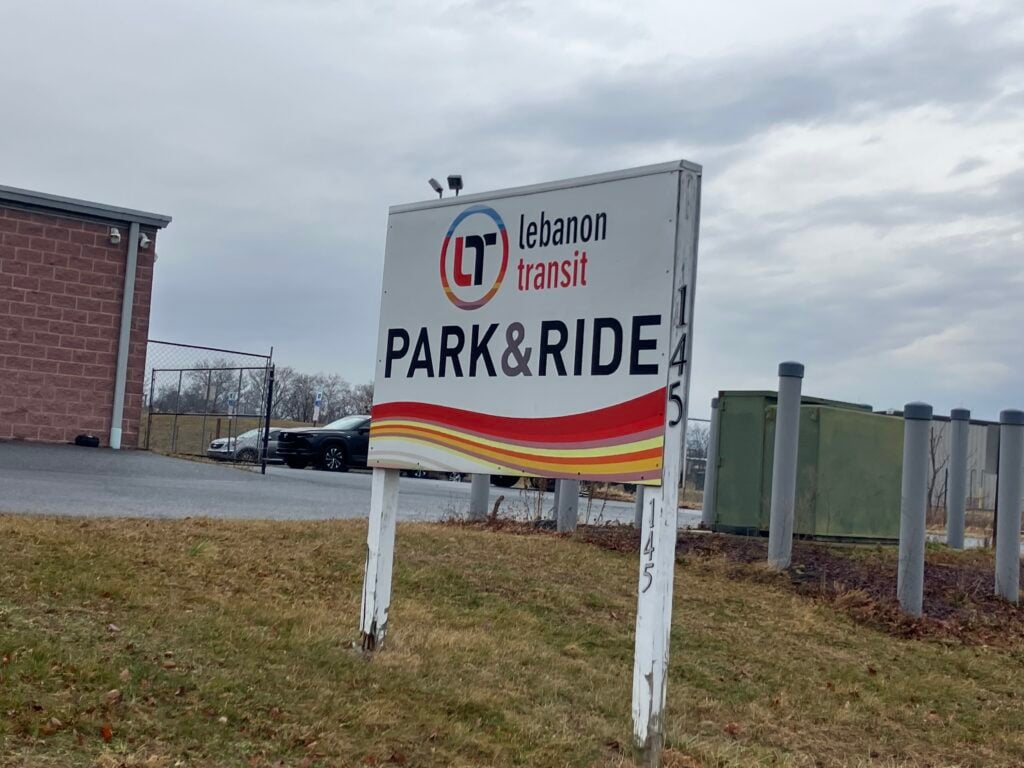
Fauver told commissioners the plan is to consolidate transit services into one location instead of the two it currently owns and operates. Administration and fixed bus routes are at 200 Willow St., while shared ride services are based nearby at 145 Schneider Drive.
Besides consolidating services into one location, he said, the transportation company’s facilities are over 30 years old and “undersized to handle the current fleet.”
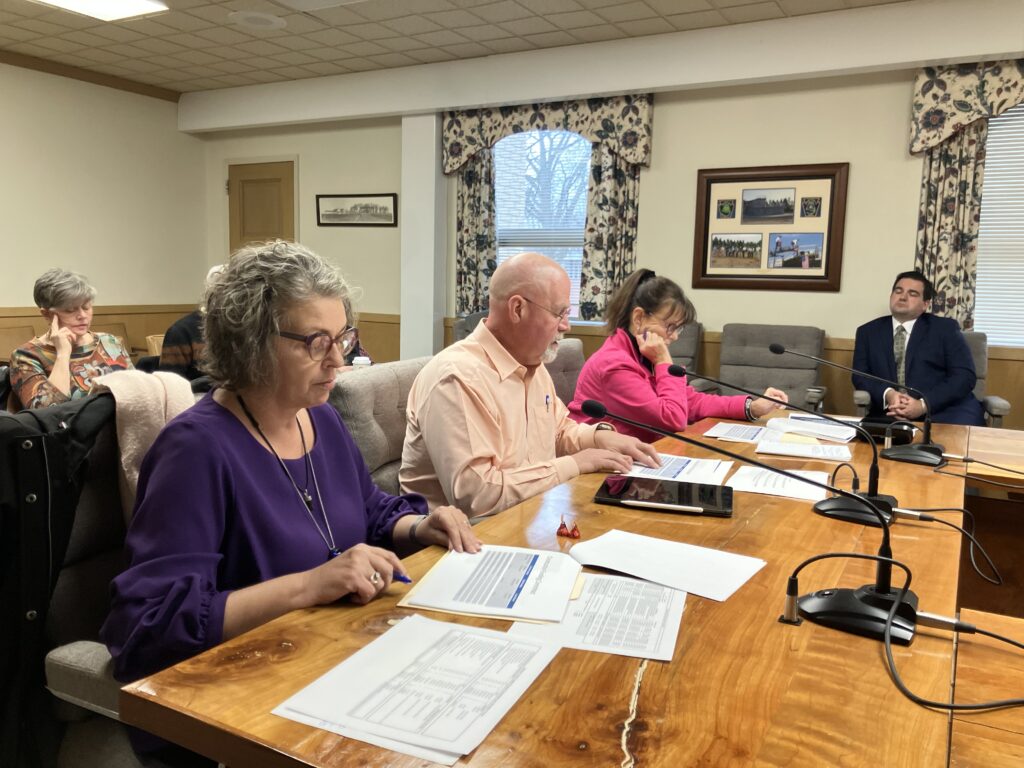
“To reiterate some of the benefits of the project, it’s a long-term facility so it’s expected to meet the needs for Lebanon Transit for the next 40 to 50 years,” Fauver said. “It allows them to consolidate both shared ride and fixed route services into one site. The current shared ride facility may be sold. There’s decisions that have to be made by Lebanon Transit about that but there’s not – I don’t think they anticipate needing that building once everything’s consolidated and that may be sold and then rejoin the tax rolls in the county and the city.”
Commission chairman Mike Kuhn said Lebanon Transit provides a valuable service to the community.
“A couple things impressed me about the results of that (user) survey and correct me if I’m wrong, but I think it was about 70% of the ridership (said this) is the only means of transportation it has,” Kuhn said. “Talk about need in our community. But the other thing that I think the firm that conducted the survey commented about was how many positive comments were made by the riders about the relationships they had with the drivers. Again, this is talking about how well managed the organization is that they can have that kind of customer service and relationships with their riders.”
In discussing costs, county administrator Jamie Wolgemuth said the county required project bidders for the county’s new $40 million Department of Emergency Services facility to lock in their bids, given the wild fluctuations in the price of metal during the COVID-19 pandemic when that project was underway.
“We did that with our DES building a year after the pandemic and supply chain prices were all over the place,” Wolgemuth said. “We locked in and said, ‘Yeah, you’re bidding one number and if steel goes up by 50%, that’s on the bidder.’ There was a concern that that would restrict the number of bidders and it did not. It was fantastic for us.”
Questions about this story? Suggestions for a future LebTown article? Reach our newsroom using this contact form and we’ll do our best to get back to you.
Support Lebanon County journalism.
Cancel anytime.
Monthly Subscription
🌟 Annual Subscription
- Still no paywall!
- Fewer ads
- Exclusive events and emails
- All monthly benefits
- Most popular option
- Make a bigger impact
Already a member? Log in here to hide these messages
Trustworthy local news is built on facts. As Lebanon County’s independent news source, LebTown is committed to providing timely, accurate, fact-based coverage that matters to you. Support our mission with a monthly or annual membership, or make a one-time contribution. Cancel anytime.