
Cornwall Borough resident Bruce Chadbourne offers another of his “Who Knew?” installments of Lebanon Valley history.
The presidency of James Garfield has returned to the public eye with the recent Netflix mini-series “Death by Lightning,” based on the 2011 book “Destiny of the Republic” by Candace Millard.
These new offerings cast in a favorable eye our nation’s 20th president, whose term was cut short by an assassin’s bullet and medical ignorance.
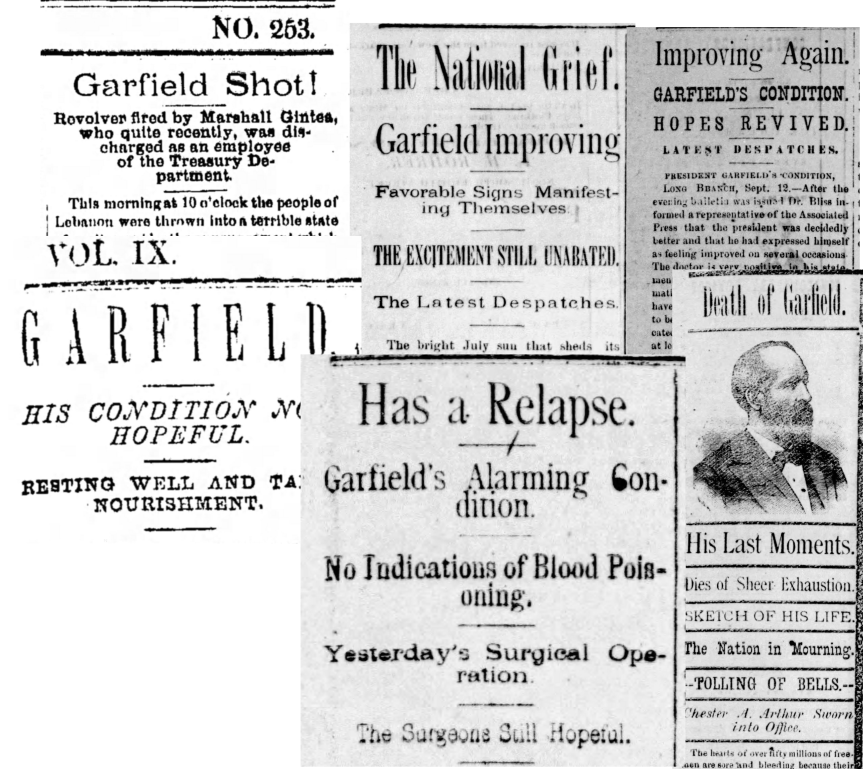
Garfield suffered for 79 days, while the grieving nation was misled into believing he was growing stronger day by day. Newspapers across the country published frequent accounts, first of the shooting and then the stories of hopeful progress; including our own Lebanon Daily News.
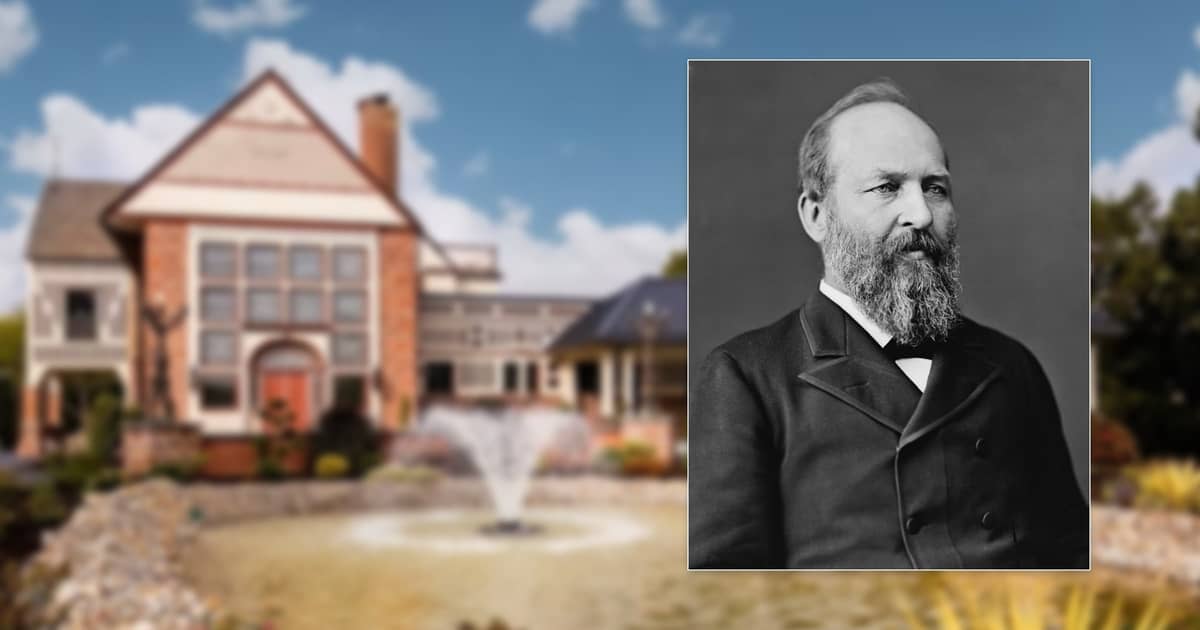
With a fascinating discovery at a local mansion, Alden Villa offers fresh insight to an old story.
But other than through newspapers, who knew how the story touched the lives of everyday people here in Lebanon, as it apparently did across the nation. But for the act of senseless, juvenile vandalism at Cornwall’s Alden Villa we might not have known. Read on!
James A. Garfield
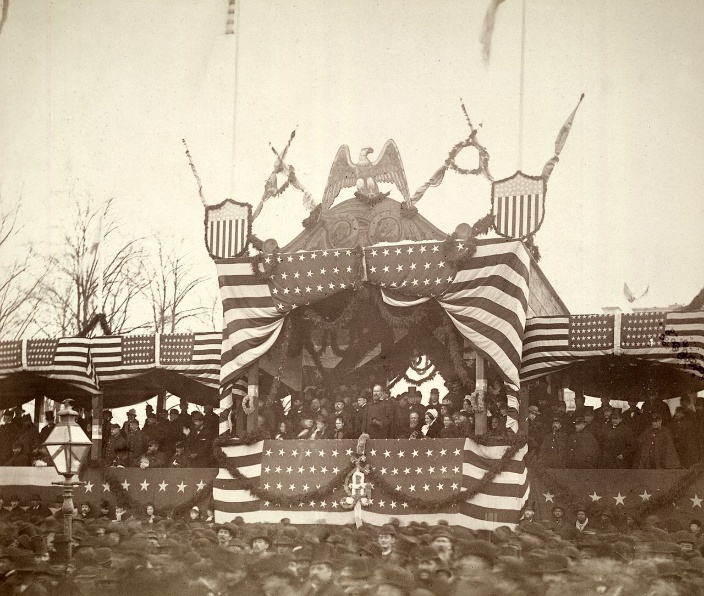
In words meant to reassure his wife’s concerns for his safety, James said “Assassination can no more be guarded against than death by lightning—and it’s best not to worry too much about either one.”
Other than the specific violence that ended his life, the profound tragedy is the cutting short of a brilliant man destined to achieve a great presidency while restoring the hopes and trust of the American people, given his passionate vision of national unity.
Before serving as a general in the Civil War, Garfield’s life was a story of growing up in poverty, in a log cabin, much like our notion of young Abraham Lincoln. He possessed great intellect, read voraciously, graduated from Williams College, studied law, and served as a minister in the Restoration movement of the Second Great Awakening. His military service won recognition that led in 1862 to his election to Congress, where he served nine terms. His credentials and an impassioned speech led to his unintended nomination for president in 1880.
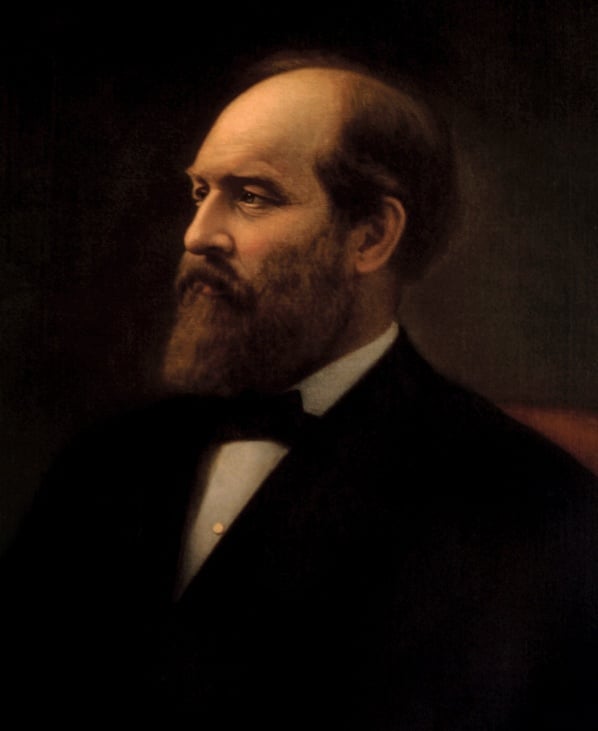
However, Garfield is ranked, as commentators are prone to do, among the lowest of the presidencies. This is not because of his policies, but having been rendered ineffective by an exceptionally short his term of office. He was cut down in his fourth month and suffered another 79 days before expiring.
The early months of his presidency had been occupied by cabinet appointments, foremost the controversy that defused the influence of Roscoe Conkling in national political affairs.
There was no constitutional mechanism for the transfer of power to Vice President Chester A. Arthur (the 25th amendment was established in 1965). Congress did not pass any major legislation, and Cabinet members ran the administration within the status quo.
During his candidacy he had shown great promise of restoring integrity to the government. He advocated civil rights for every American, and won the respect and support of African-Americans.
The title of Candace Millard’s book, “Destiny of the Republic” was a phrase Garfield used in his inaugural address on March 4, 1881. Speaking of the recent end of slavery and the reunification of the nation after the Civil War, he said:
“The elevation of the negro race from slavery to the full rights of citizenship is the most important political change we have known since the adoption of the Constitution of 1787… It has liberated the master as well as the slave from a degrading relationship. Under our Republic, all men being created equal, the nation has at last become a united people, and the destiny of the Republic is assured.”
For Garfield, the “destiny of the Republic” was to fulfill the vision of equality and healing after the Civil War. But for his assassination, the course of civil rights would have fared far better in the last century.
A tribute in pencil
Among local citizens who found themselves absorbed by the suffering of the ailing president were the craftsmen who were putting the finishing touches on the bridal mansion that Anne C. Alden had commissioned for her son and his bride.
Robert Percy Alden (1848-1909) and Mary Ida Warren (1852-1899) married in Paris June 17, 1878. Construction began in 1880 and continued through 1881. Throughout the summer of when the assassination occurred on July 2, workers were busy carving and engraving the wooden moldings and other features of Stanford White’s whimsical summer cottage designs.
As with citizenry both local and nationwide, workmen’s hearts were buoyed and then cast down by alternating daily newspaper bulletins, first of Garfield’s “improving condition” followed by his “reversals.” On the first week of September with his convalescence seeming “assured,” he was moved to Francklyn Cottage by the seashore of Elberon, Long Branch, New Jersey on special rail car that carried his bed. Workers had laid temporary rails to transport him right to the front porch, but it took the crowd of bystanders to push the railcar the final distance.
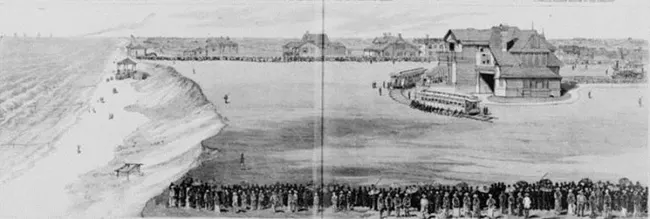
Garfield enjoyed the fresh ocean air for two weeks with his wife beside him, before succumbing in the evening of September 19, dead at age 49.
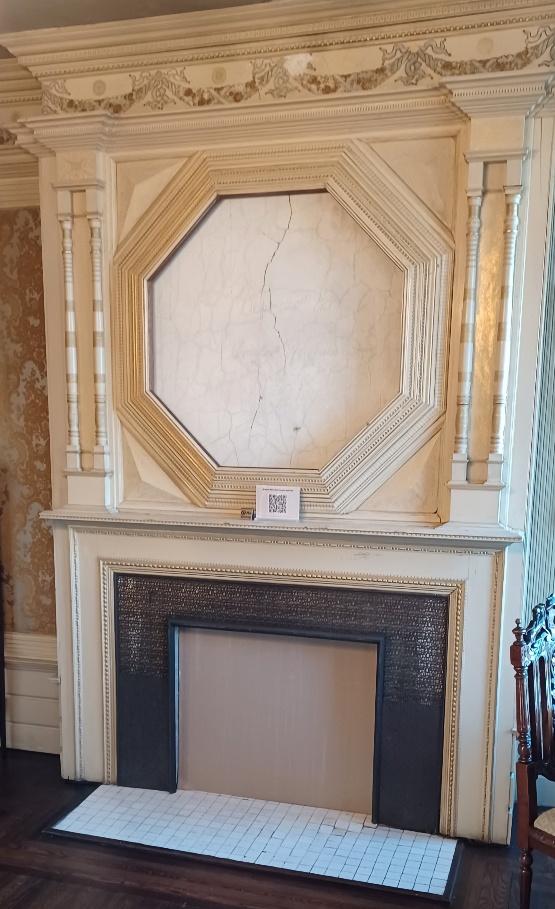
The following morning at Cornwall’s Alden Villa, heavy-hearted from the news, one of Stanford White’s workers was putting finishing touches to the elaborate woodwork over the parlor fireplace. He took the moment to commemorate Garfield’s passing with a pencil inscription. “Sept 20th 1881 President Garfield Dead.”
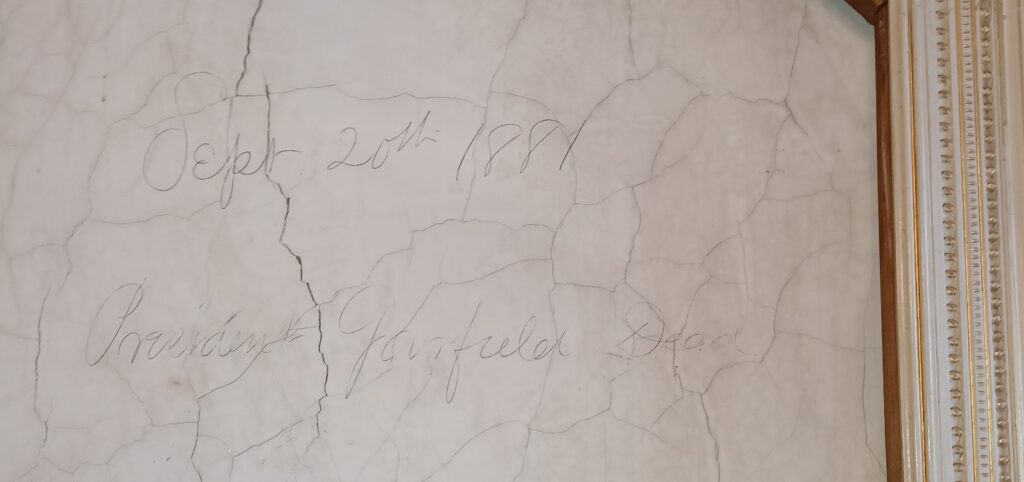
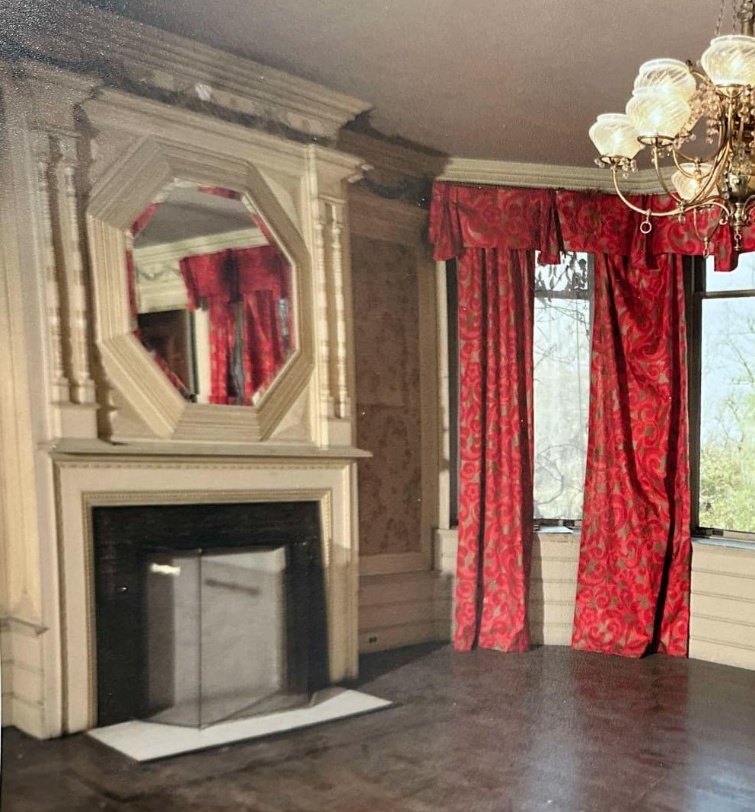
Not long after, the mantle was finished with an exquisite, beveled mirror, covering the inscription for all posterity, just as the stonework that seals Garfield’s remains in his memorial crypt in Lake View Cemetery, Cleveland.
The mirror and the fireplace graced the mansion’s parlor for about 120 years. A photograph taken about 25 years ago shows the mirror still intact.
But then, like the insanity of an assassin taking aim at another human being, senseless adolescents smashed the mirror in a spree of vandalism as they wreaked damage throughout the old mansion.
The inscription was noticed during the recent restoration of Alden Villa by Harvey Turner and has become an object of mention to visitors coming to tour the mansion. Harvey says he will preserve this bit of history with a piece of glass to protect the inscription.
Some odd bits of history
At least three familiar sub-plots of recognizable American history accompany the tragedy of Garfield’s 79 days of suffering.
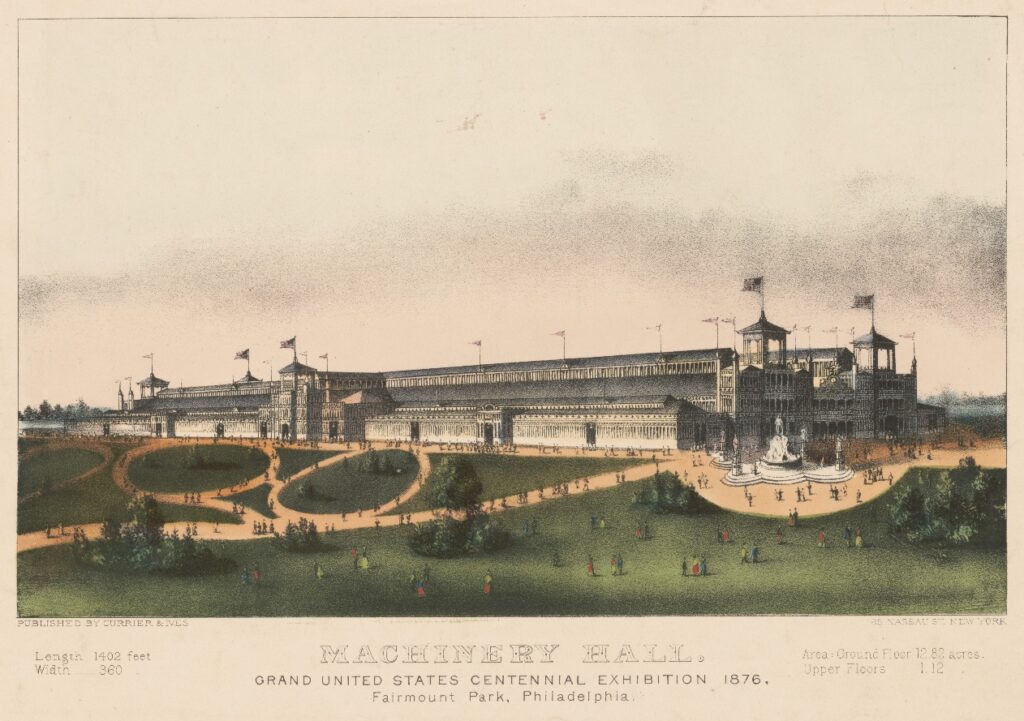
The orbits of Joseph Lister and Alexander Graham Bell passed in close proximity to Garfield and his family when all attended the 1876 Centennial Exhibition in Philadelphia. (Note: The Coleman family investment and presence at this historic venue is detailed here.)
Joseph Lister
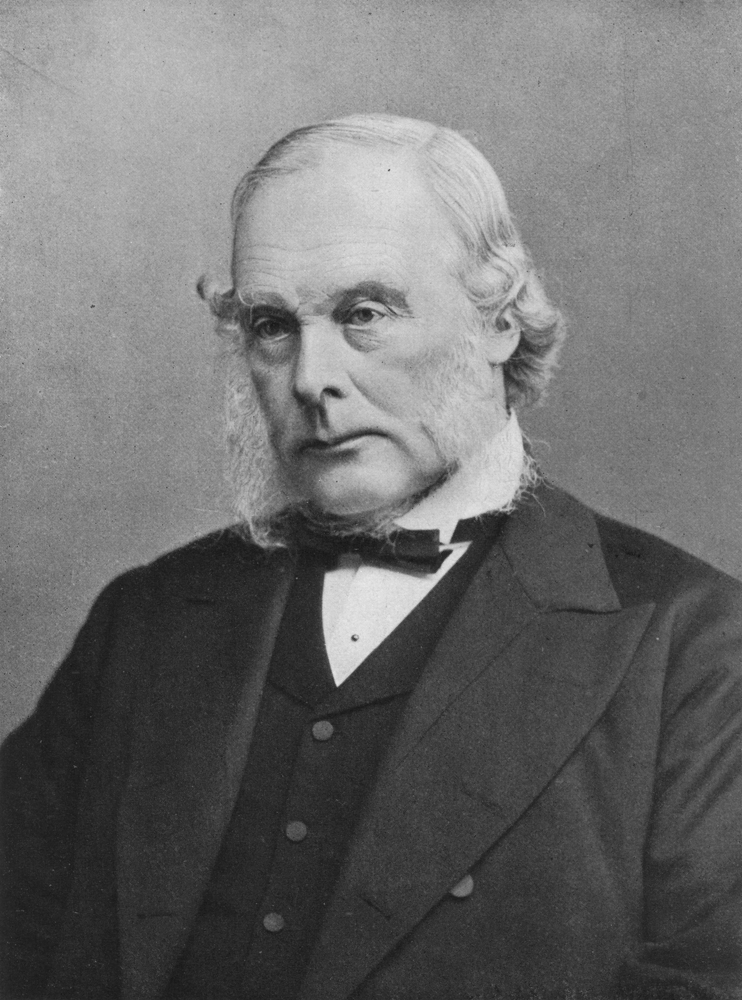
British surgeon Joseph Lister had been studying bacteria from the work of Louis Pasteur and published several papers in the 1860s on the use of antiseptics to sterilize operating rooms and surgical instruments. He was met with controversy, accompanied by accusations of plagiarism, but mostly disdain from the greater community of surgeons who rejected the notion of “invisible germs.”
It took almost 25 years to win acceptance, but Lister is now considered by many “the father of modern surgery.”
Alexander Graham Bell
At the Centennial Exhibition, during his two-year tour of North America promoting his theory, Lister had been afforded a small upstairs room out of the way in the great hall, where he discussed his principles with those who might seek him out.
Meanwhile, downstairs in the same hall, crowds swarmed the exhibit where Alexander Graham Bell demonstrated his telephone.
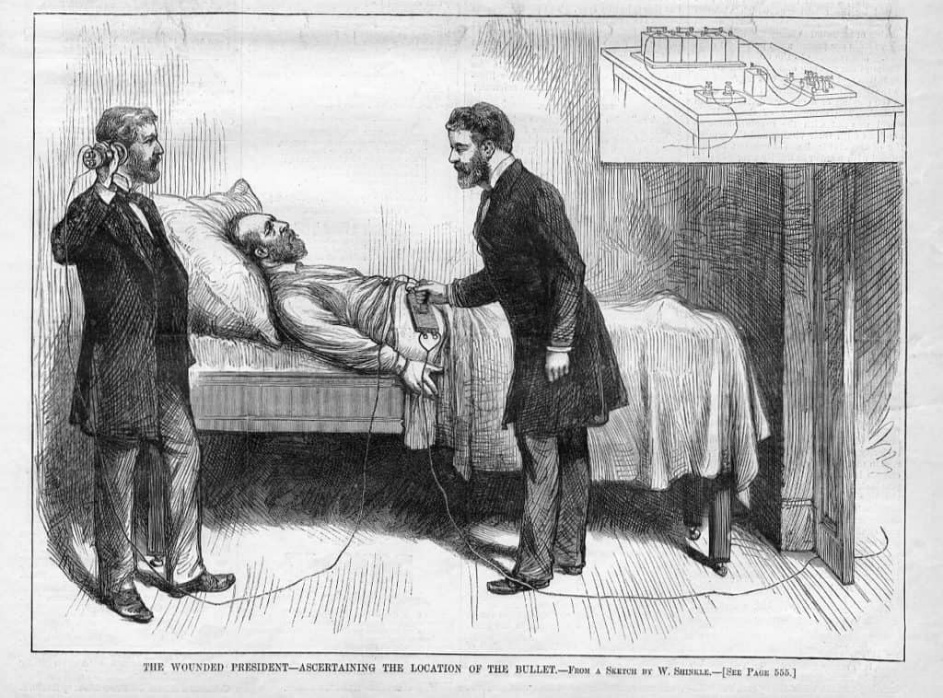
Five years later, Bell would be working in a lab in Washington D.C. and following the daily news of Garfield’s declining health. Doctors were obsessed with locating the bullet in the president’s back.
His work with the telephone inspired him to create an “induction balance” that could locate metal objects (anyone having used a modern metal detector at a beach might be amused by this early connection). Bell approached the White House doctors offering to use his device to locate the bullet. Through a variety of attempts, and interference from the chief surgeon, he was unsuccessful. Frustrated, he persisted in experimenting in his lab but fell short of assisting his president.
Dr. D. Willard Bliss
After Garfield was brought to the White House, a number of doctors had assembled to lend assistance. Robert Todd Lincoln, Garfield’s secretary of War witnessed the shooting first-hand. In the heat of the moment he recalled the doctor who had attended to his father sixteen years previously, and summoned Dr. Bliss to Garfield’s bedside.
Unlike that of Abraham Lincoln, James Garfield’s wound was non-life threatening; the bullet had missed major organs. Though his assassin was tried and eventually hanged for the crime, many accounts consider the actions of the chief surgeon the true cause of death.
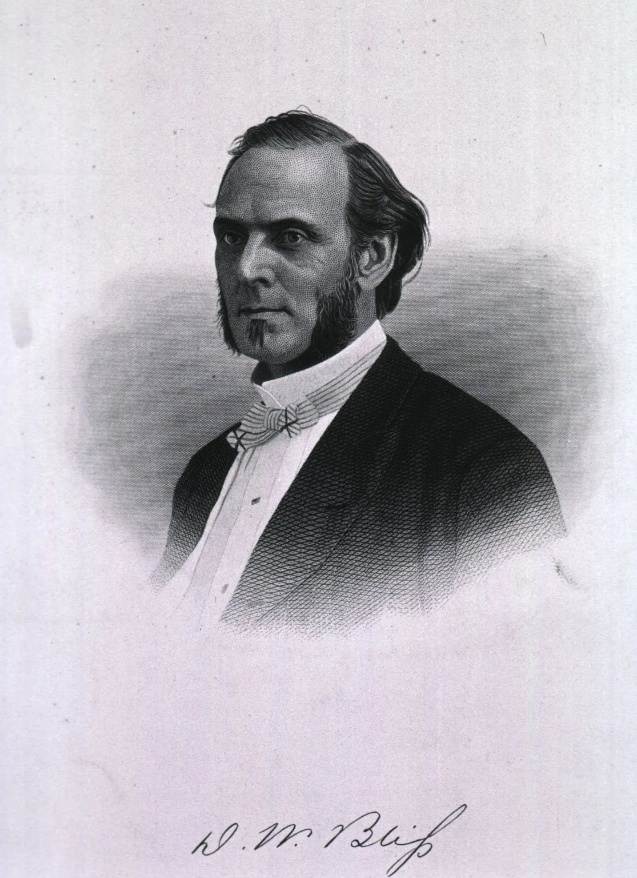
Unfortunately, Robert had been unaware of Bliss’s woeful reputation. His notoriety dated back almost thirty years, selling quack medical cures, accepting bribes and poor treatment of wounded soldiers at Bull Run.
With Lincoln’s endorsement, Bliss managed to insert himself as chief surgeon and dismissed essentially all others, making him the sole caregiver. He authored the optimistic daily reports to the press, with occasional concerns about “setbacks.”
Giving him the benefit of the doubt, perhaps it was professional pride or the opportunity to redeem his tarnished reputation that drove him to labor tirelessly for months.
Accounts describe Bliss’s daily attempts to locate the bullet by probing the president’s wound with his unsanitary finger, most certainly causing the infection that eventually killed Garfield.
Had Bliss heeded Joseph Lister’s techniques, or employed Bell’s induction balance to locate the bullet, our nation’s history might read dramatically differently.
Candace Millard’s book “Destiny of the Republic” is recommended by this author, as are the numerous resources found on the internet.
Old photos are Library of Congress, others as noted.
Questions about this story? Suggestions for a future LebTown article? Reach our newsroom using this contact form and we’ll do our best to get back to you.

Support Lebanon County journalism.
Cancel anytime.
Monthly Subscription
🌟 Annual Subscription
- Still no paywall!
- Fewer ads
- Exclusive events and emails
- All monthly benefits
- Most popular option
- Make a bigger impact
Already a member? Log in here to hide these messages
You know us because we live here too. LebTown’s credibility comes from showing up, listening, and reporting on Lebanon County with care and accuracy. Support your neighbors in the newsroom with a monthly or annual membership, or make a one-time contribution. Cancel anytime.