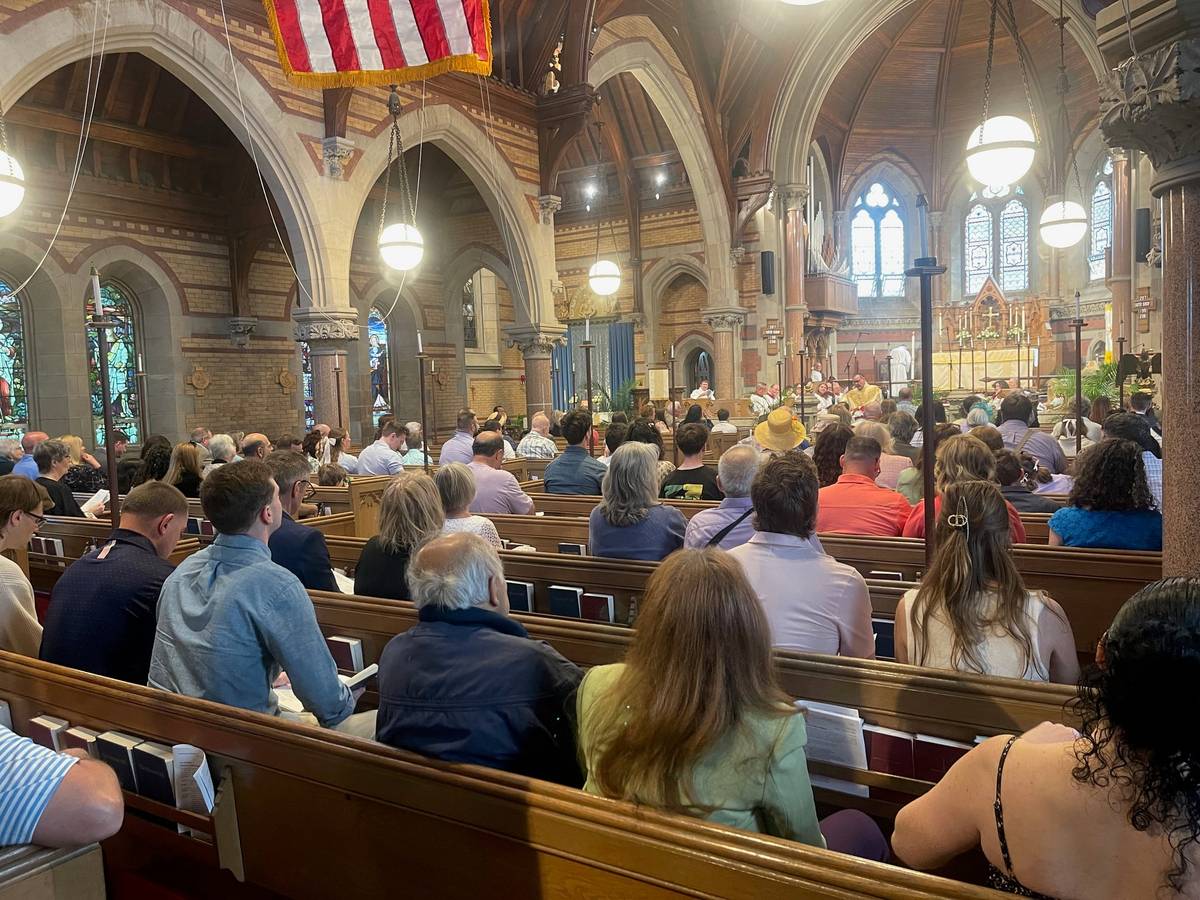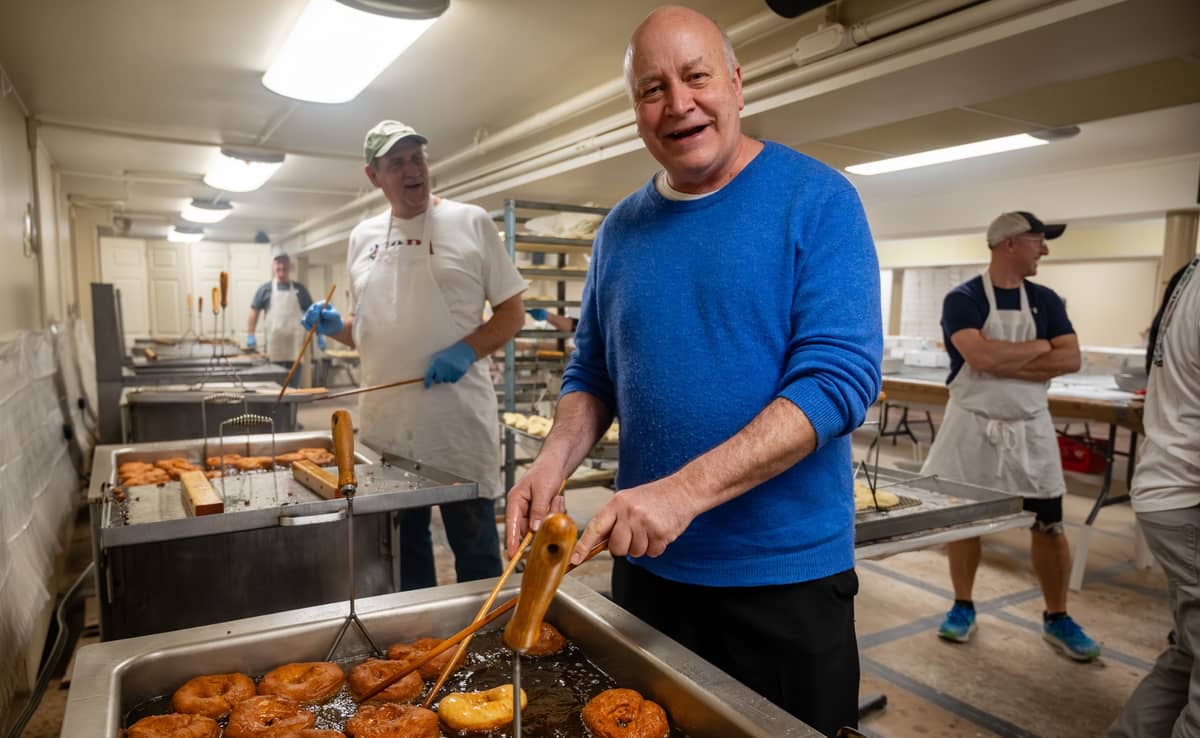

It’s a 100-year-old tradition that’s legendary in Lebanon County.
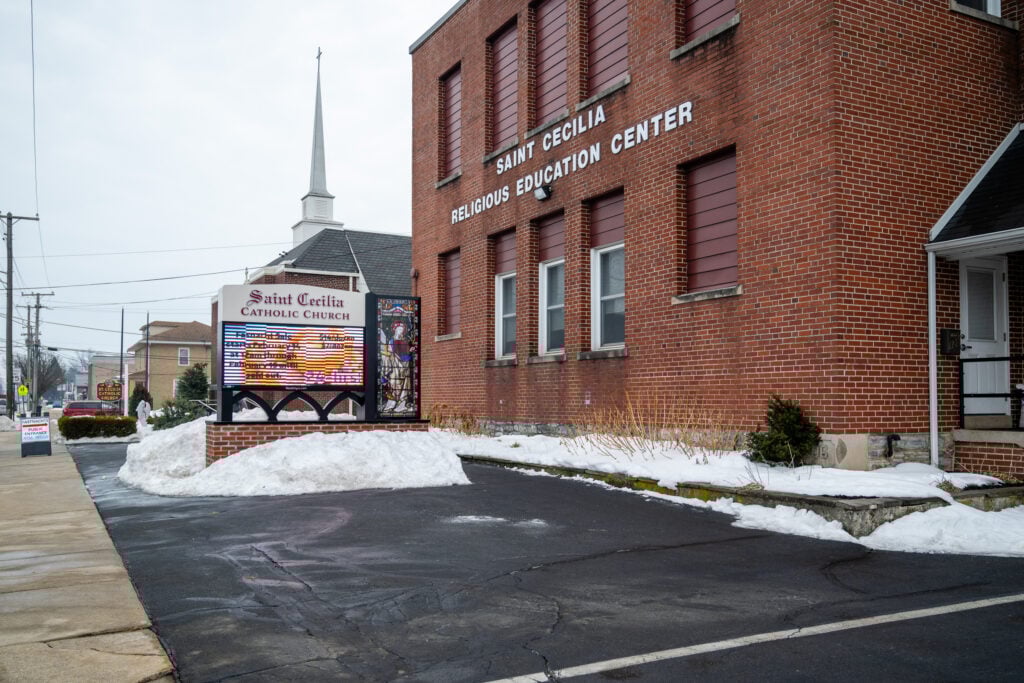
St. Cecilia’s Catholic Church this year celebrated the 101st edition of its Fasnacht Day fundraiser to benefit the Lebanon-based parish, at 120 E. Lehman St.
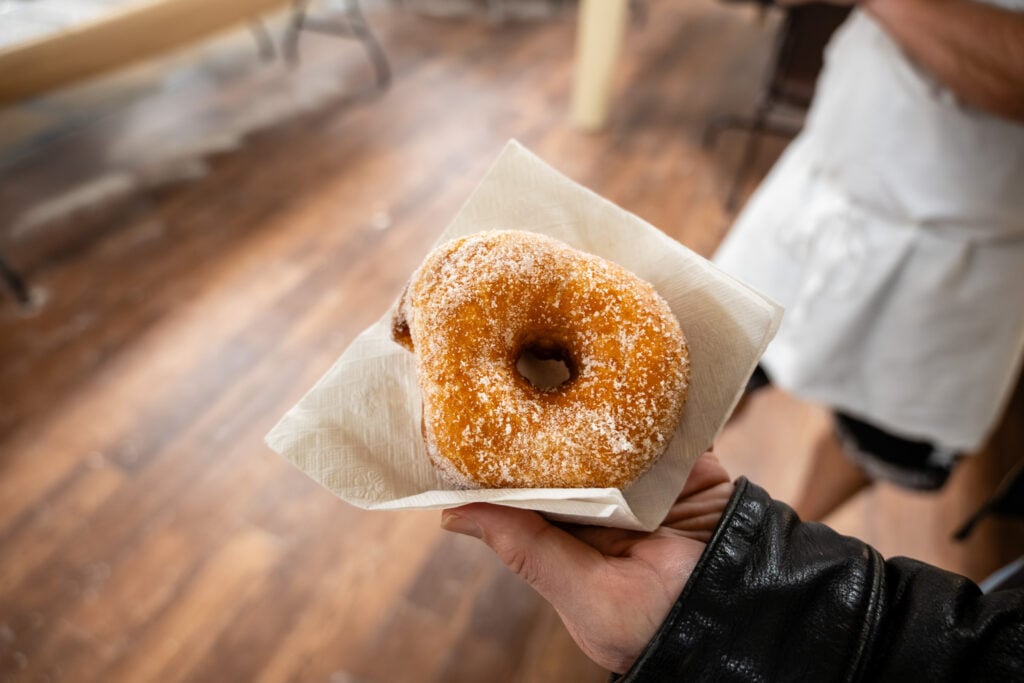
Fasnacht Day, celebrated on Shrove Tuesday, is a Pennsylvania Dutch tradition for eating rich, yeast-raised donuts, or fasnachts, to use up lard, sugar, and butter before the Lenten fast. Often made with potato dough, they are a regional, pre-Lenten staple in Central PA, typically eaten for breakfast.
“I think a lot of it is, it’s one of the really old traditions within the community,” said Ed Hicks, event organizer. “A lot of people come in and say they’ve always waited in line as a kid, and now as an adult, they wanna, they’ve seen it and they see people having fun while they’re here, and wonder how you get that many people who are volunteers to do so much work.”
Hicks, who said his children are the fourth generation to volunteer their time, said the roots run deep within this tradition across many families.
“I think there’s a deeper sense of family and it’s a positive activity. It’s not just you can see something happening and you can tell you’re bringing pleasure to other people with it,” he said. “So I think that’s one of the big things. We have a lot of multi-generations where parents bring kids down. My kids are fourth generation. I know there’s a bunch of other families that are in the church that have third and fourth generations here.”
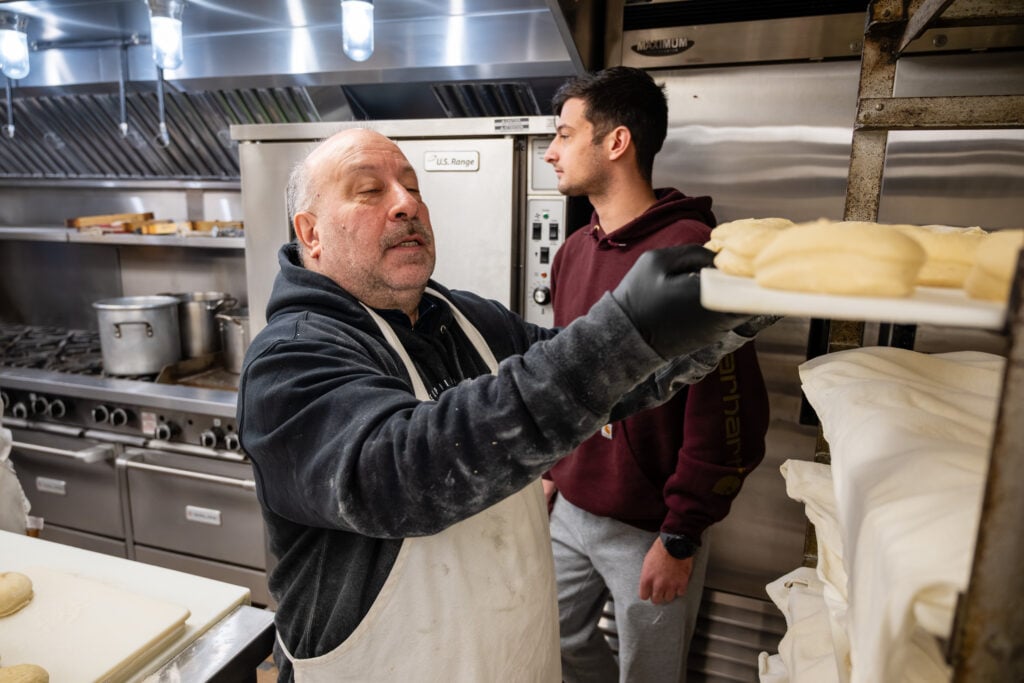
Mike Moyer of Jonestown and son Christian are among many families across several generations who help make the donuts to feed a hungry populace. The Moyer family in total, beginning with his mother Florence, and now Christian, have been volunteering their time for a collective 70 years.
“She’s 95, so I’d be willing to say she has put in 30, 40 years of service, not only to this event, but the bazaars at Christmas time. She used to wash the cassocks for father, going back to three priests ago, the ’80s, ’90s. Her being involved kind of moved me forward with it, too,” said Moyer, who has volunteered the past 30 years, including time on Sunday to fold half-dozen boxes. “I couldn’t look her in the eye without somehow doing something here right now.”
Moyer said that Christian, now in his third year, recruited two of his classmates at Kutztown University to volunteer their time this year too, and the trio was there on Sunday working in the kitchen helping to wash dishes.
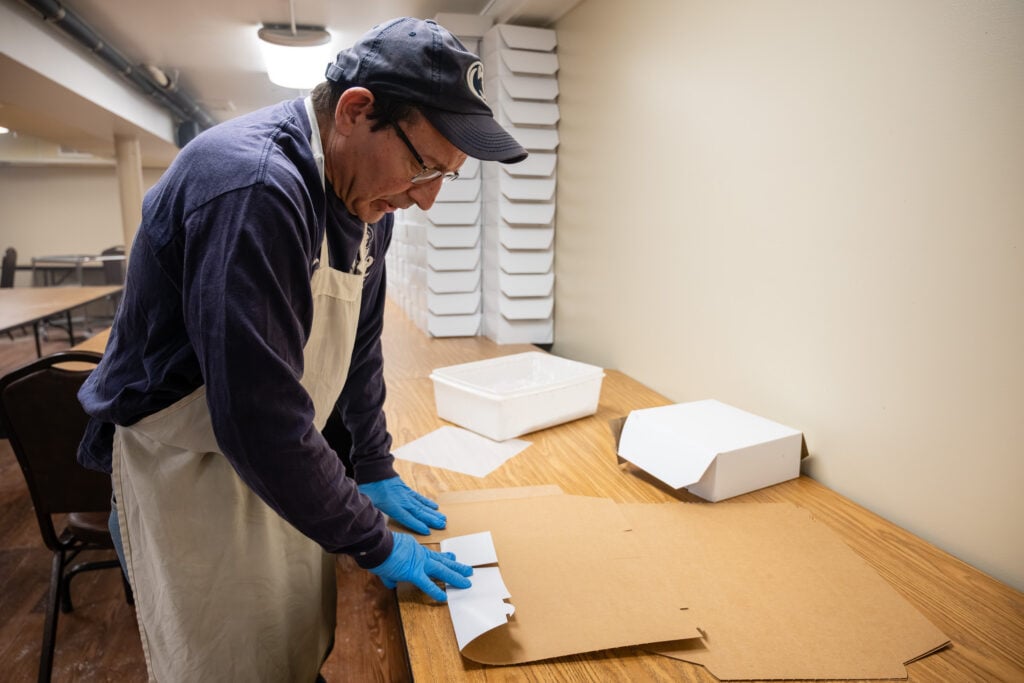
“I’m hoping it builds a foundation, you know what I mean, that they keep coming back. When they pulled in my driveway this morning, these young guys were looking forward to coming here,” Moyer said. “It’s not like they had to groaningly get out of bed and do this, they wanted to do it.”
Hicks said the fundraiser began through several women who decided to make and sell donuts to raise money for the church. This year, proceeds will be used to purchase three new large wood doors that cost $50,000, according Father Michael Laicha, pastor at St. Cecilia’s Catholic Church.
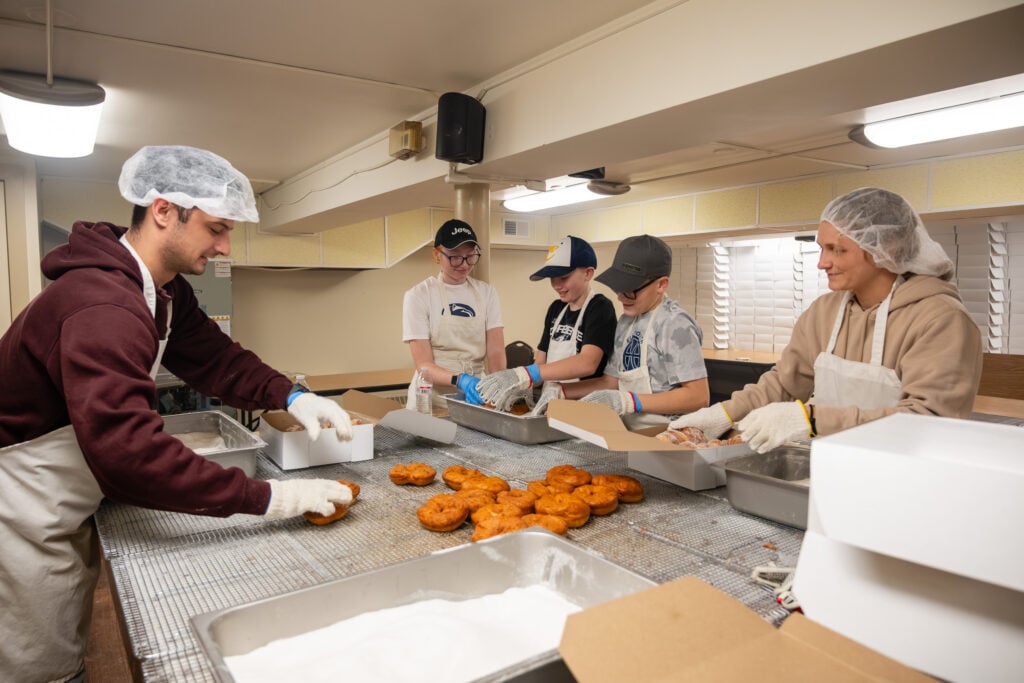
“This started when a bunch of ladies brought their mixers from home, where they hand mixed in pans. And then it evolved year over year to bigger mixers and more equipment and bigger equipment and more fryers,” Hicks said. “They used to pan fry them. Then we upgraded to commercial fryers and it just evolved and was invested in as it gained popularity in the community and within the church as not only a fundraiser but a ton of community support.”
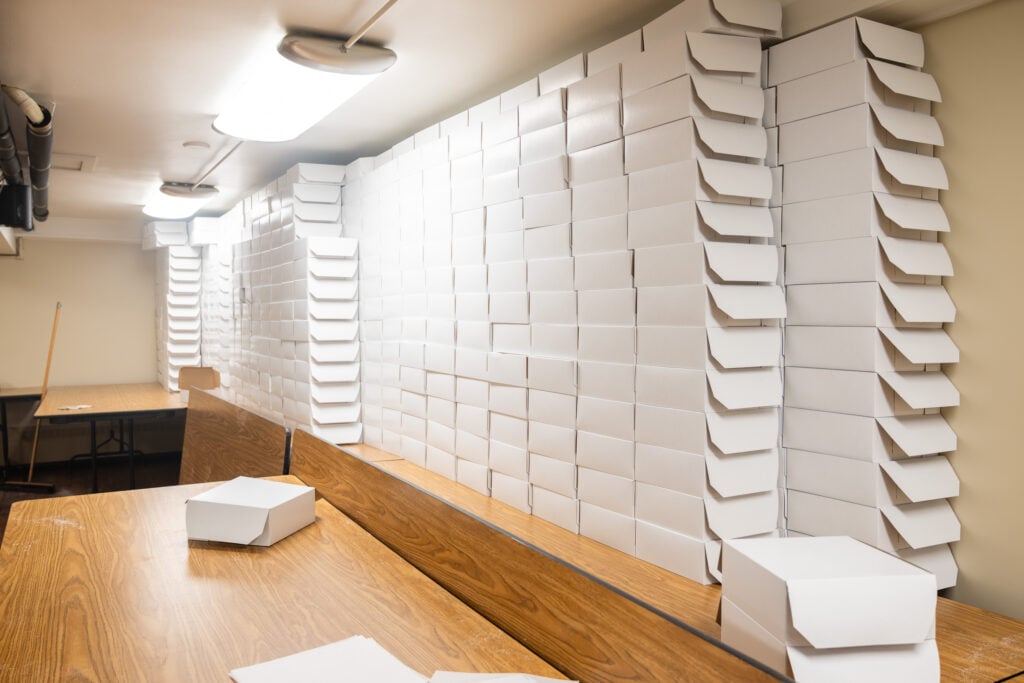
The mix of church and community involvement is nearly 50-50, according to Hicks, for shifts that begin at 11 p.m. Friday and run 24/7 through late Sunday.
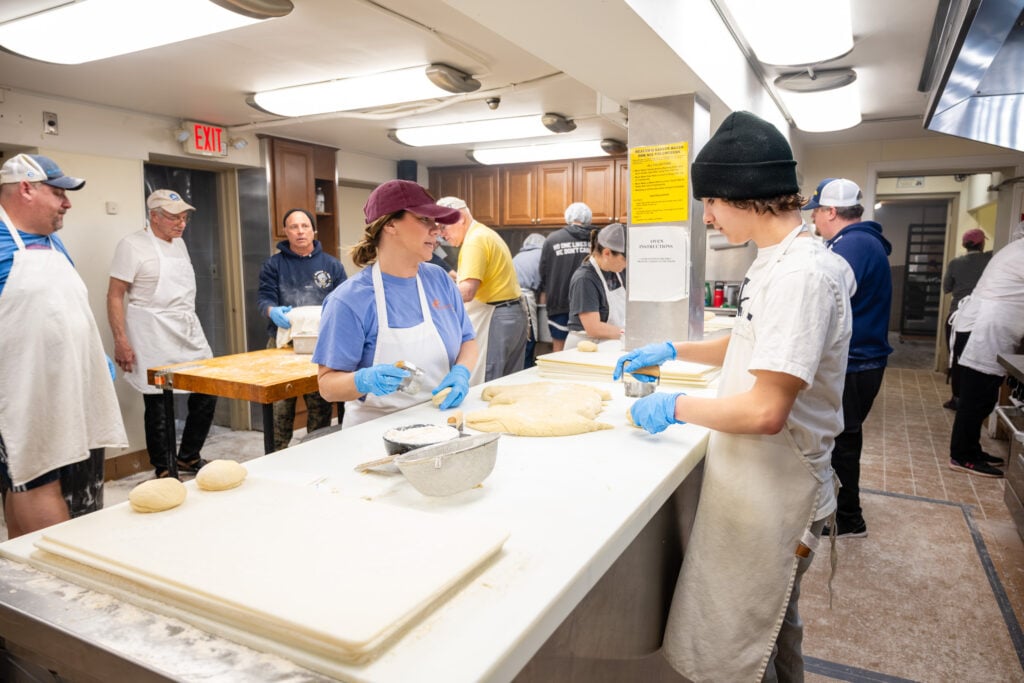
“It’s probably 60/40 for parish members and non-parish members on every shift. It takes about 45 to 50 volunteers to fill a shift. And then some you have up to probably, I bet there’s times I have 65 people here and then you get people that will transition, they’ll be for half a shift and then somebody new will come in,” Hicks said. “So I get about 250 volunteers throughout the sale.”
The work to make about 5,600 dozen donuts is quite the production, from the ingredients needed to getting them ready once it’s time to make the donuts. (Set-up begins a week before the weekend fry time and takes several days afterwards to clean the church’s basement where the donuts are made.)
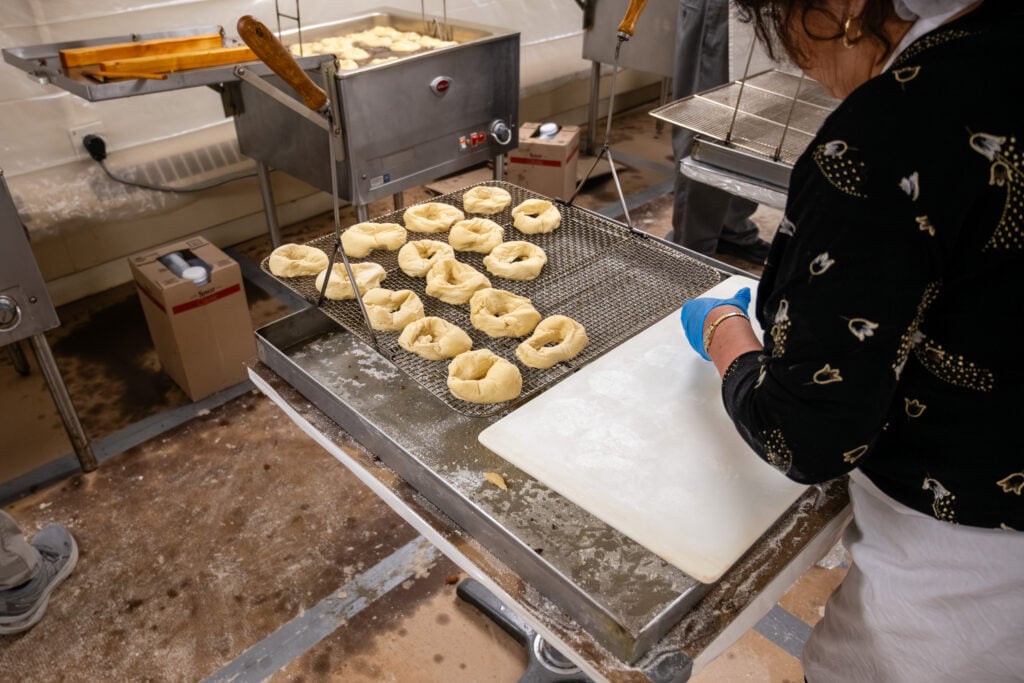
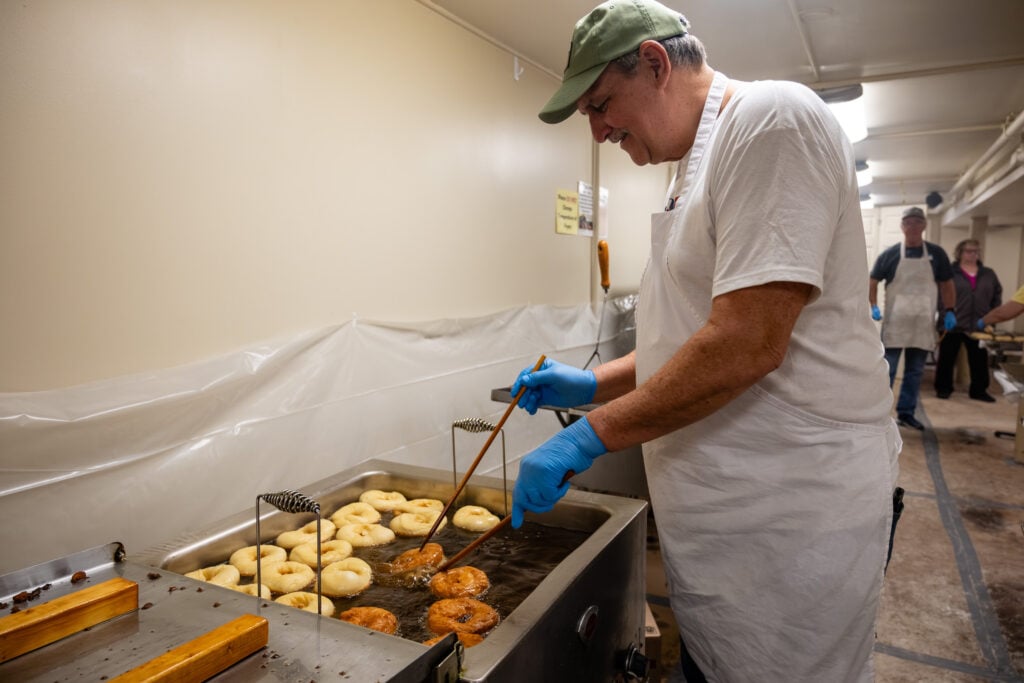
“I get 10,200 pounds of flour and I get probably about 2 or 3,000 pounds of sugar, a whole bunch of peanut oil and a bunch of other stuff. But those are the big ones, the flour and the sugar,” Hicks said, adding there are a total of seven fryers working simultaneously.
The process begins by preheating the milk while beginning to mix in the bowls.
“Our wet bowl has milk, sugar, margarine, and yeast in it. Then that moves along as we add eggs. And then we do our egg count in a separate bowl. All that gets combined with flour, eggs, the milk, the yeast, the butter, a little bit of salt, and our secret ingredient, which is a little lemon zest in there.”
From there, Hicks said, the concoction goes into the mixer.
“We mix a 39-pound mix through each of our 60-quart mixers. We run three bowls, so we get one bowl prepped, two bowls running as soon as one’s done. You throw the next bowl on and for that one out, get that prepped. So we’re just constantly, those mixtures literally run 24 hours a day for the 40 hours, 40 some hours that the sale runs.
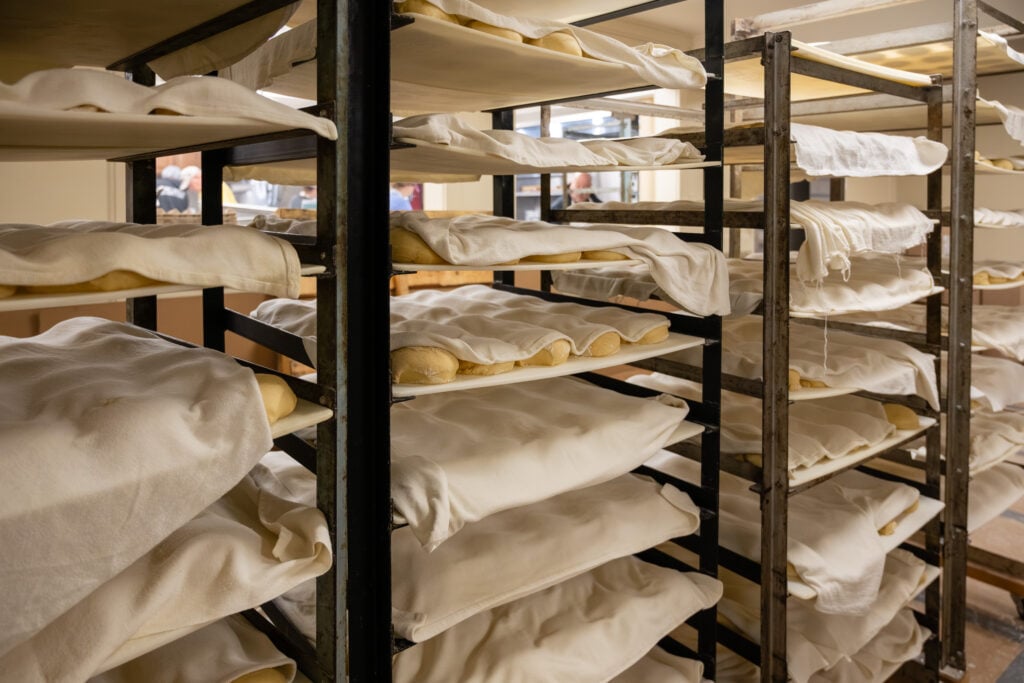
“Then from there, that 39 pounds of dough gets divided into three equal pans, goes into the raising room. Once it sits in the raising room for about an hour to proof (ferment), so proofing and raising, then it comes out. The cutters get anywhere from 3 to 4 dozen out of each of those 13-pound pans. Then they get put on racks where they raise for another minimum 10 to 15 minutes, which is ideal. They do a little more proofing. Then from there we put the holes in them, put them on the fry rack, fry them, sugar them, box them and send them out the door.”
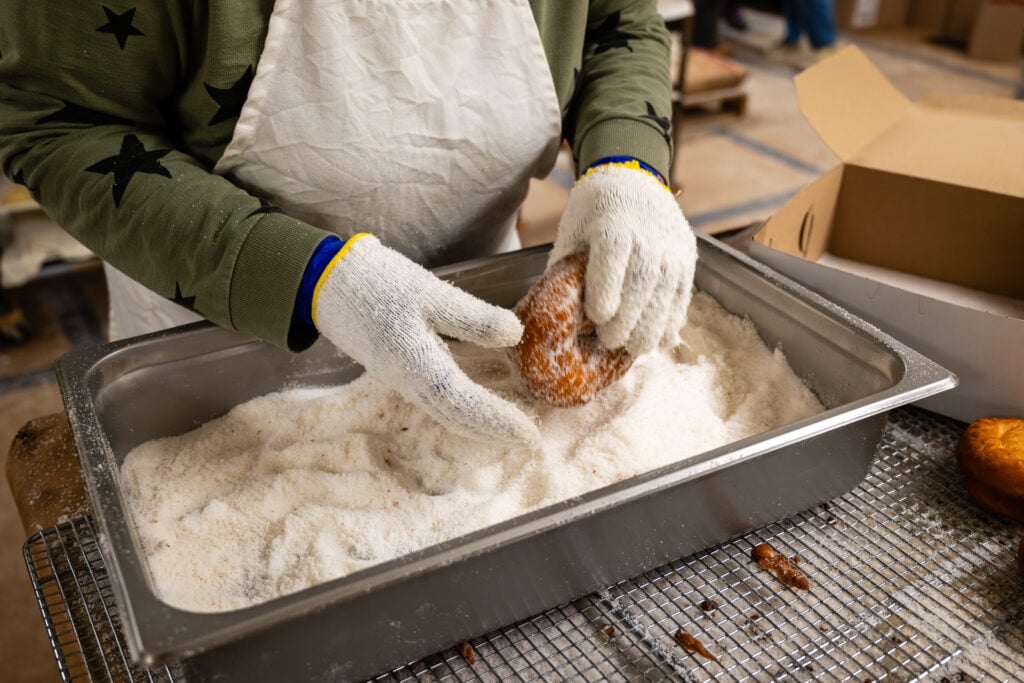
Production is just like a manufacturing line in a factory, a process that is apparent to Moyer.
“If I’d have half of these people in my factory, we’d be setting records for production, you know what I mean?” he said. “That’s just, as you see the age group here, now we have a pleasant mix of people here right now, but in order to keep that moving, we need to get the word out. I think the world of these people, the church, the faith, the whole thing.”
Moyer was quick to credit the assistance of the young people working there on Sunday.
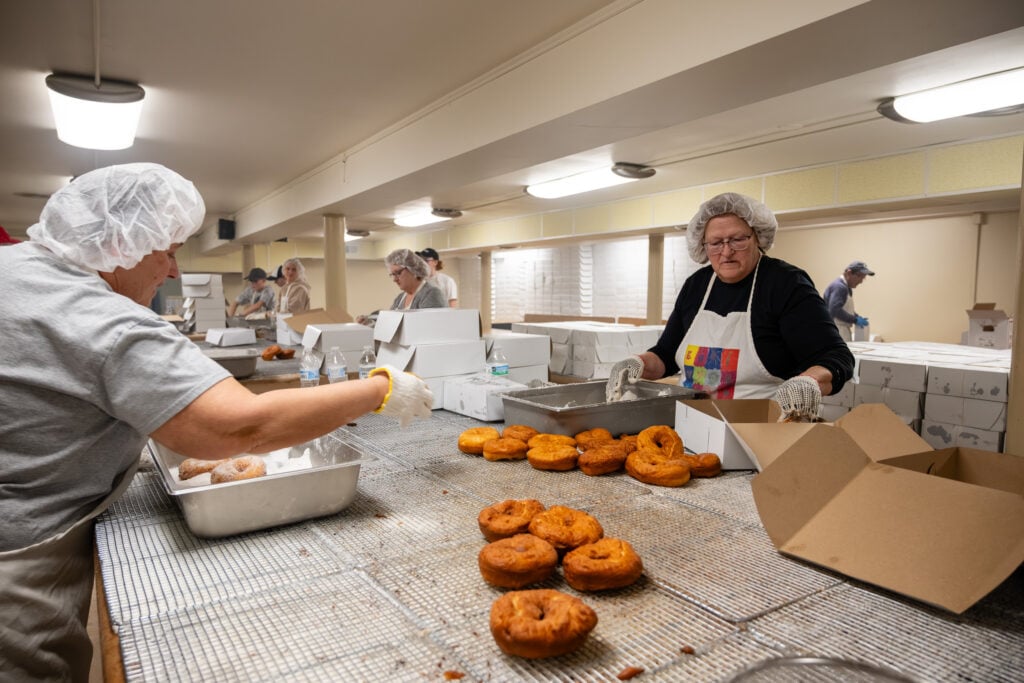
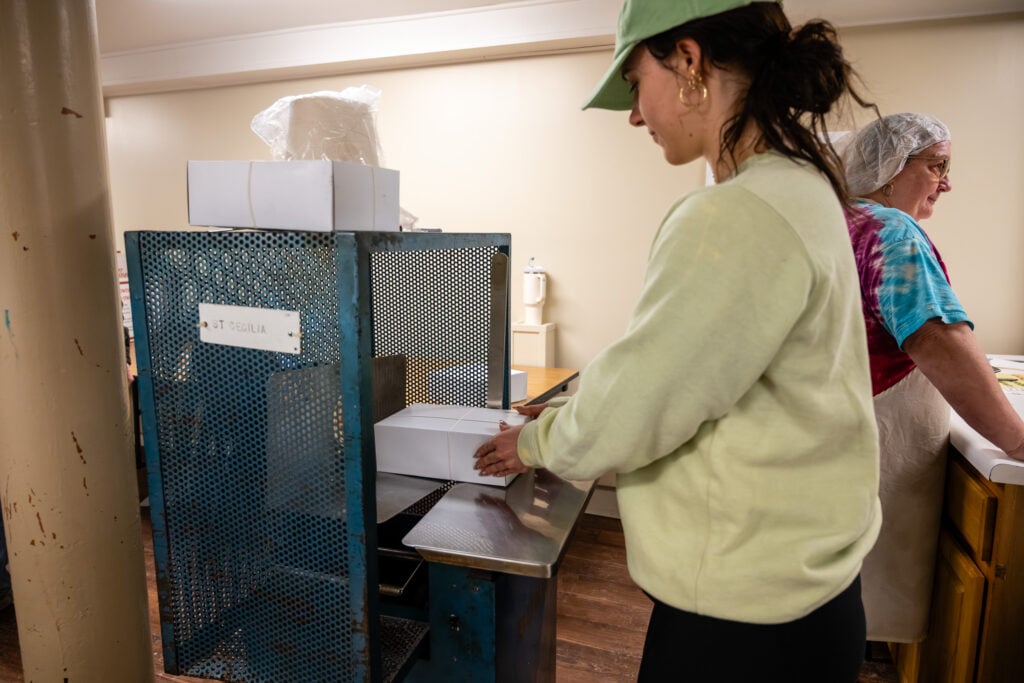
Tasia Rutter was one of the young people, which was about a 50-50 age mix on Sunday, who was working that day. It is also a tradition within her family. She was working the machine that wraps string around each box of donuts.
“We didn’t do it last year, but before then I was doing it for three years,” Rutter of Cornwall said. “I go to St. Cecilia’s Church and my mom went to this church when she was young, so she kind of just brought me along the first year and I’ve been doing it ever since then.”
2026 turned out to be a banner year for the annual fundraiser.
“If the walk-ins come in, this will be the first time in four or five years that we ran through all the material that we bought to make and sell,” Hicks said, when there were about 500 dozen still to be made on Sunday. “If we have to be here until 8 tonight, we’ll be here until 8 p.m. tonight. But we will go through the last 500 dozen.”
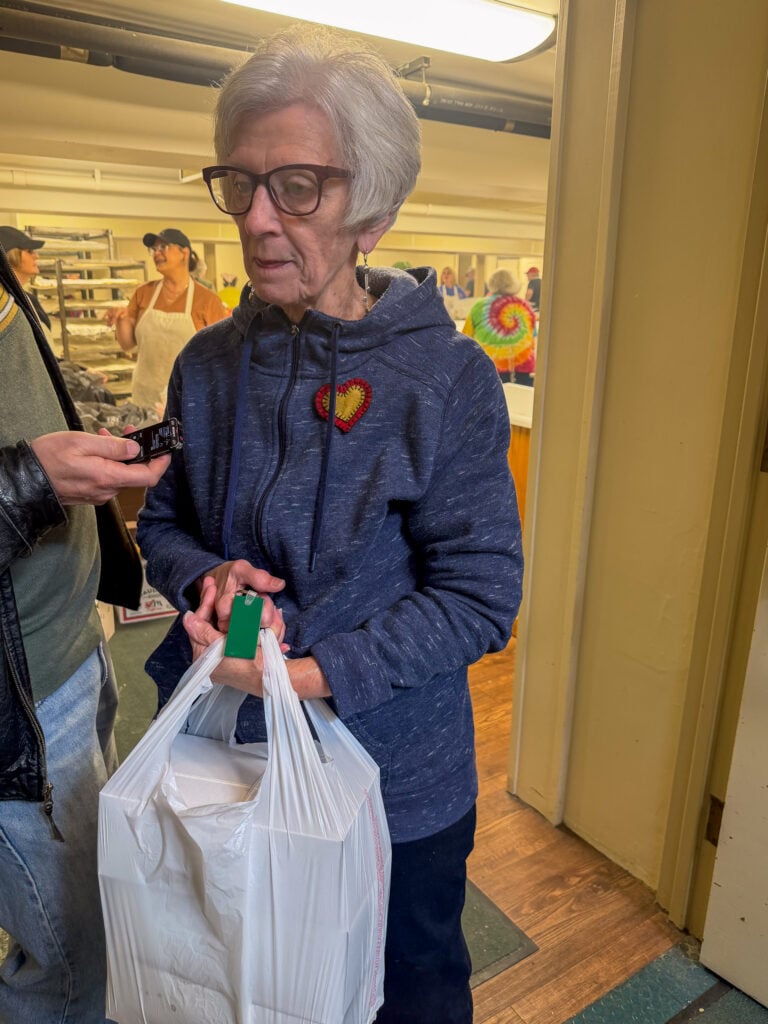
By 5 p.m. Sunday, all dozens had been made and were, as Hicks says, “out the door” to make the 2026 fundraiser an overwhelming success.
Prior to that, around 10 a.m., 82-year-old Margo Flock was a walk-in sale of 1.5 dozen donuts. A 20-year veteran of making donuts, Flock said she doesn’t miss making the donuts but she does miss eating them out of season.
“They’re the best,” she answered when asked why she misses them. “I think the ingredients, the secret ingredients make them the best. They’re also really particular about how they put it together. They don’t just throw it in the pot mix. They’re particular about that.”
Questions about this story? Suggestions for a future LebTown article? Reach our newsroom using this contact form and we’ll do our best to get back to you.

Support local journalism.
Cancel anytime.
Monthly Subscription
🌟 Annual Subscription
- Still no paywall!
- Fewer ads
- Exclusive events and emails
- All monthly benefits
- Most popular option
- Make a bigger impact
Already a member? Log in here to hide these messages
An informed community is a stronger community. LebTown covers the local government meetings, breaking news, and community stories that shape Lebanon County’s future. Help us expand our coverage by becoming a monthly or annual member, or support our work with a one-time contribution. Cancel anytime.