
A new organization called Lebanon County Youth Ag & Community Clubs was launched at the end of 2025 as an alternative to the various Lebanon County 4-H livestock clubs.
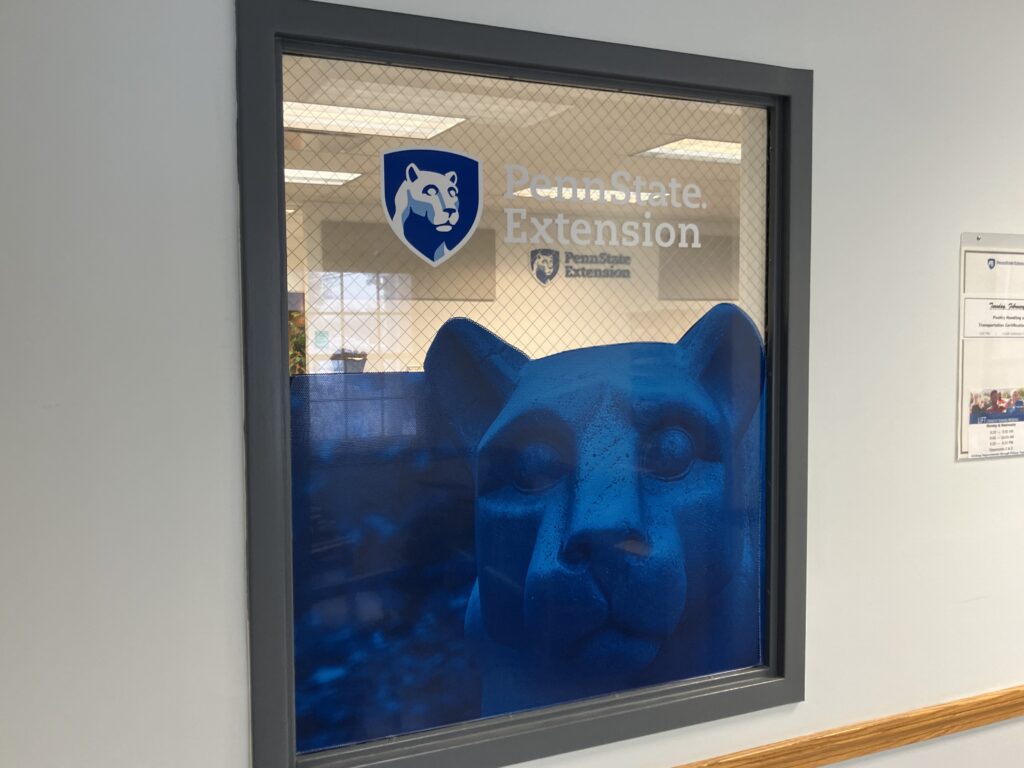
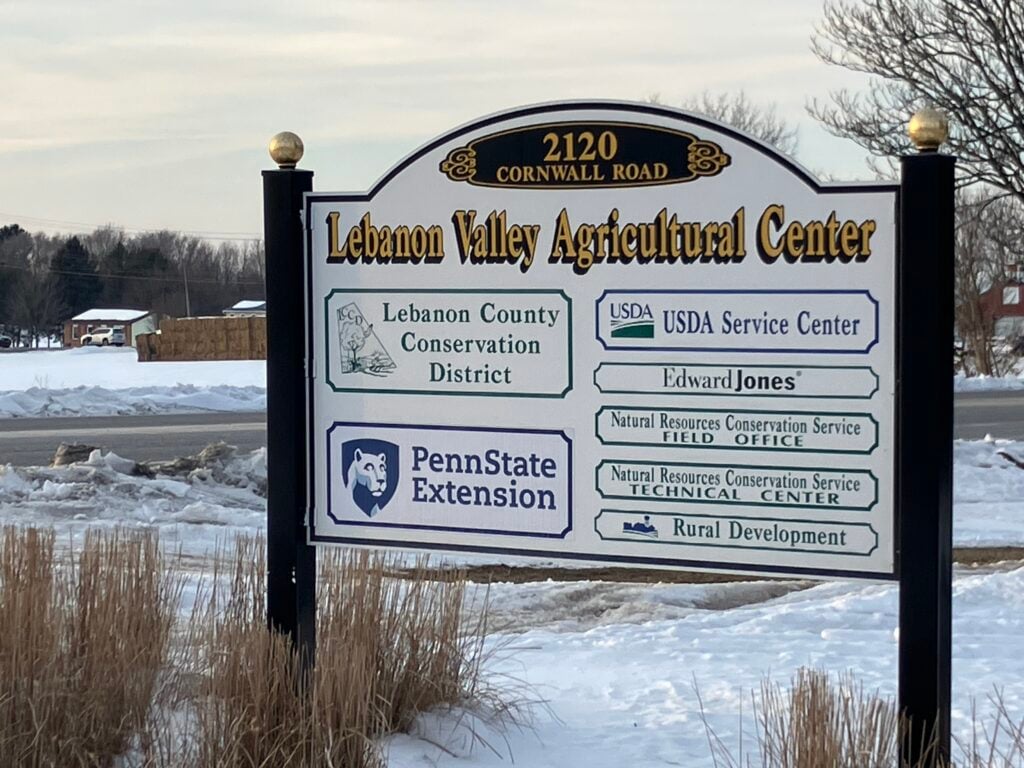
Organizers of the new group said differences with 4-H’s leadership at the Penn State Extension over training and costs caused a rift between the two groups.
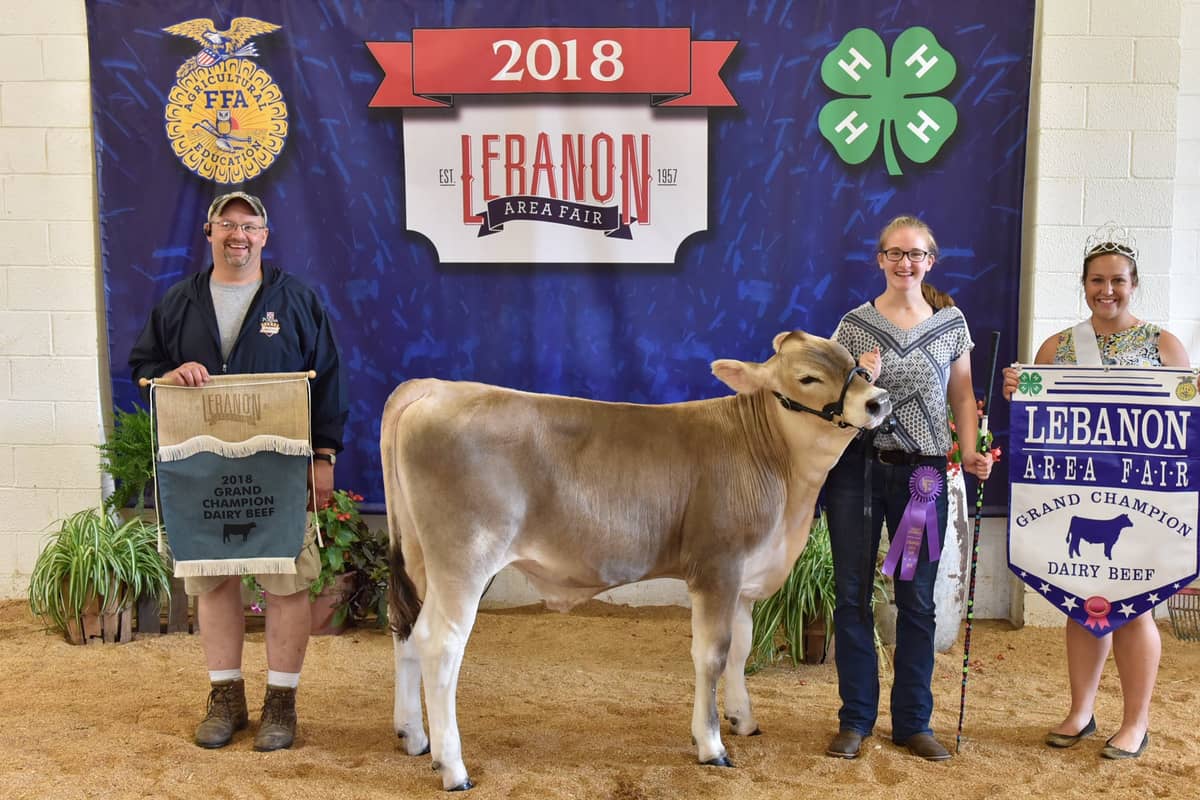
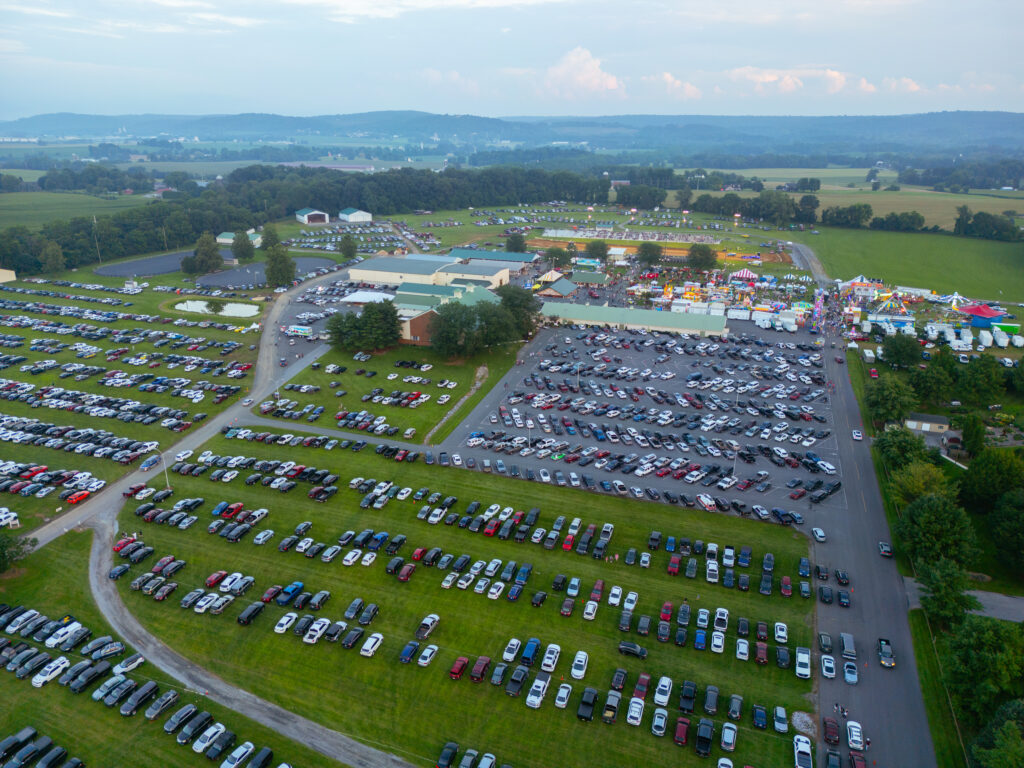
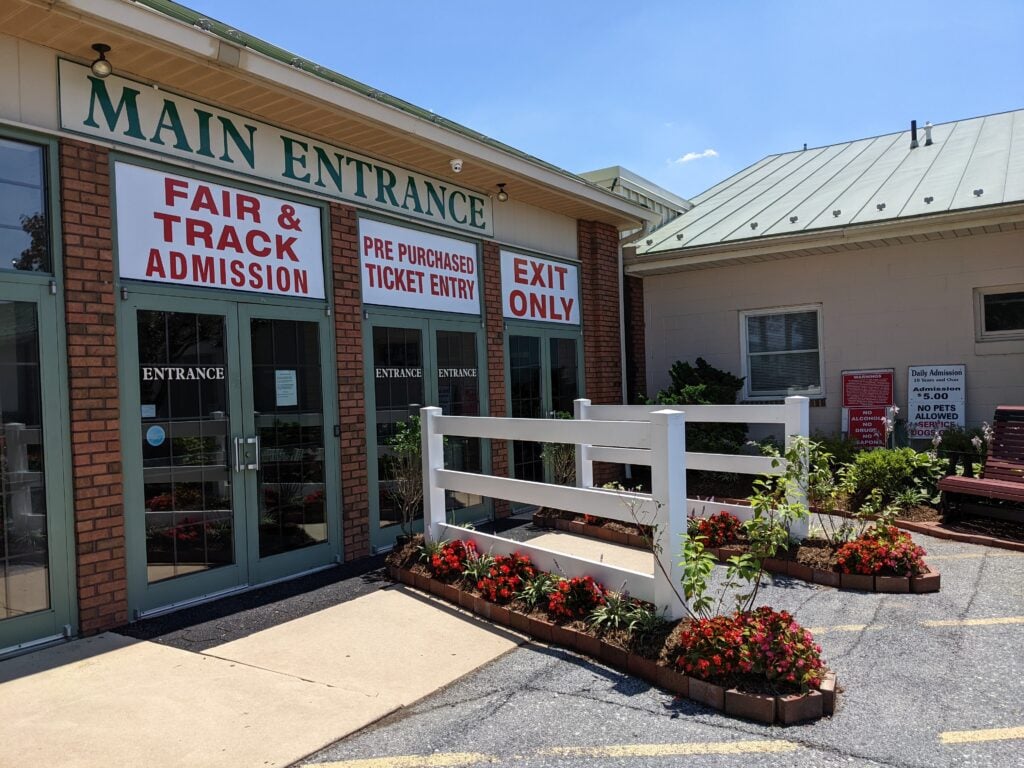
Duane Nolt, an adult organizer and leader of the new group’s dairy beef cattle club, said 65 members are in that club, the organization’s first. He said he expects about 75 youth members to show dairy beef cattle at the 2026 Lebanon Area Fair this July.
“We have been recognized by the fair. They’re definitely supporting us,” Nolt said. “They are recognizing educational clubs like this one here. They’re supporting and they’re basically saying, ‘Yes, we are gonna recognize you at the Lebanon Area Fair as a youth show and being part of that.’ So, unfortunately, I would say, I don’t know how much 4-H Dairy Beef Club there is anymore, because I think for the most part, a lot of the people have made the switch over.”
Dr. Jeff Hyde, associate dean and director of Penn State Extension, said there have been no changes that he’s been told concerning Lebanon County’s 4-H dairy beef cattle program, meaning it will still operate this year.
4-H programs are administered by Penn State Extension staff. Adult volunteers provide assistance to the staff in executing 4-H’s educational offerings.
“To the best of my knowledge, it’s still on and going. So we’re still planning to have a dairy beef club,” Hyde said in a telephone interview with LebTown.
The local 4-H program, including the livestock clubs, has been in Lebanon County since at least 1957 when today’s Lebanon Area Fair was called the Lebanon County 4-H Fair.
The new youth livestock club includes individual departments for cattle, goat, pig, poultry, rabbit and sheep while also offering programming for educational opportunities in what Nolt said are within home economics.
“It may seem a little bit of a long name, but when the organization was founded, we wanted to include more than just animals and livestock and dairy,” Nolt said. In the future, he said, home economics “could certainly be incorporated into the club as well.”
Nolt added that it will be business as usual at the fair as far as the animal judging competitions are concerned.
“They (fair officials) are recognizing the youth club and there will be nothing different as it relates to the show and/or the (livestock) sale at the fair,” Nolt said. “Pretty much gonna be a seamless transition from that standpoint.”
Nolt said the organization was officially recognized as a nonprofit organization by the Internal Revenue Service on Dec. 31.
“So we’re pretty much gonna run like other organizations, I would say, from the nonprofit standpoint,” Nolt said. “Basically, there’s gonna be the general board for the name that I gave you, then each club is going to be able to operate independently underneath that. That’s what it will be able to do.”
A board of directors is also in the works, he added.
“Basically the way the board is going to get formed is it’s going to be an organizational leader from each species that will be able to sit on the board,” Nolt said. “That’s what they (adult leaders) will be doing.”
Nolt noted the clubs will function similar to the ones supported by 4-H.
“I would say the education part of it is going to be very similar. You’re using a lot of hands-on type education, working with animals. And that part of it, I don’t think that we see anything really different there,” he said, adding the group may use educational materials provided by Penn State.
But he didn’t discount using other educational sources and industry experts as well.
“There are no boundaries from that standpoint, but, yes, we will continue to use university information and very much so. I mean, they’re local, but we also recognize the fact that we can go to Ohio State and get information as well. We can go to Virginia Tech and get information,” Nolt said. “So, we’re basically gonna be focusing on where the strongholds are in the industry for the animal, the dairy beef project, and marketing steers, things like that.”
The organization’s website says:
“Lebanon County Youth Ag and Community Clubs is a youth-driven agricultural organization designed to support education, hands-on experience, and community involvement. We provide opportunities for young people across Lebanon County, PA to learn, grow, and showcase their hard work at the Lebanon County Fair. In addition, being eligible to sell their projects at the livestock sale.
Our program welcomes youth who are eager to explore agriculture, develop life skills, and become part of a supportive community rooted in tradition, respect, and responsibility.”
Nolt said adult leaders in the other 4-H clubs have until March 1 to make a decision about their participation in the new organization for 2026.
“We’ve had a number of folks, you know, say that, well, they already started in December, January, and that they’re gonna see the year through and then they’re considering making some changes next year,” Nolt said. “So if we don’t get our numbers by March 1st, we’re not disturbed about it. So something new like this here is gonna take a year for people to understand maybe the differences, should I say. And then as some leaders may come on board through the summer, we’re definitely, we’ll start a new year, come fall, is what we would do.”
Dan Siegel, Lebanon Area Fair chairman, said he assisted Nolt in establishing the nonprofit and secured funding of $10,000 through the Dixon Foundation to start the new club. Siegel noted that his work and the decision of the Lebanon Area Fair board to recognize the new club is to ensure that all livestock clubs function to the benefit of Lebanon County youths.
LebTown asked Nolt why a new club was created given the past successes of 4-H in Lebanon County. He referenced, and Hyde confirmed, differing perspectives with some adult 4-H leaders about how 4-H programs are administered by Penn State Extension, along with financial considerations.
“I will say there was a lot more scrutiny on some of the training and it just seemed to be starting to get repetitive. There’s just more required from volunteers from the training standpoint,” Nolt said. “And then it’s the more oversight as to the decision-making process that you are allowed to make or not allowed to make.”
He said decision-making by local volunteer leaders has become more difficult.
“Decisions that we used to be able to make within our livestock club or our dairy or dairy beef club, that decision-making power got removed from us. That’s where we started to feel the stronghold of the organization, rather than leaders who’ve been very successful the last 30-plus years at running a program that has been growing all the time, sales have been growing all the time and it just seemed like we weren’t checking enough of the boxes for Penn State,” he added.

Hyde said there are differences between the “policies, processes and procedures” required by Penn State with its 4-H initiatives and the adult leaders who volunteer their time to run those programs locally. He said some requirements involve a level of comfort for parents as well as their children and the overall safety of the youth participating in 4-H programs.
Hyde said the university had received a letter within the last 30 days listing the local leaders’ concerns. He declined to share the letter with LebTown and further details, repeatedly saying it is a matter of “policies, processes and procedures.” Siegel also declined to share the letter, citing a desire for the differences to be worked out internally.
“A quality volunteer needs to be seen, heard, understood, valued, and empowered,” said Seigel in a follow-up email. “The ability of a volunteer leader to have freedom and control and leave their personal mark on an Organization is a hallmark of a healthy program. And that is what the volunteers are stressing in their letter.”
Financial differences
The other disagreement between the university and adult leadership extends from the distribution of funds back to Lebanon County 4-H through an endowment to 4-H that was created by Esther Martin as part of her estate.
Lebanon County 4-H, along with the Lebanon County Agricultural Preservation Board, and the Humane Society of Lebanon County were equal beneficiaries of the generosity of county resident Esther M. Martin, who died on March 12, 2022, at the age of 88.
Those three Lebanon County organizations were slated to receive at least $550,000 each from her estate.
Nolt expressed frustration over increased 4-H fundraising requirements for Lebanon County youth to fund events, and said that access to fund programs had become problematic. He offered an example of a request to 4-H officials for $1,800 to purchase a scale to weigh livestock, which he said was a difficult process.
The livestock club is out raising funds for the trips to show their animals, “and they shouldn’t have to,” he said, adding there was a long delay in getting the Martin endowment funding distributed locally.
Hyde acknowledged funding disbursement delays, and said there were multiple personnel changes involving the Penn State University staff who would have endowment funding oversight. He said Martin’s heirs have been informed about the disbursement delays and how the endowment is now being administered by the university for Lebanon County 4-H.
“The dean’s been in place for a little over 18 months,” said Hyde, referencing Dean Troy Ott, a Penn State alum who rose to the deanship in June 2024.
Hyde said the the gift is now invested according to Penn State’s endowment protocols.
“My understanding is that our educators are in touch with the family of Ms. Martin,” said Hyde. “As part of our stewardship of those funds and also in communicating with, we have a 4-H Program Development Council in Lebanon County. The PDC has input into the application process and how to allocate the proceeds of that endowment to be utilized by the clubs.”
Nolt said that the new club will have autonomy to manage its own finances.
“(New clubs are) going to have the financial freedom to manage their club more on a local level rather than through the oversight of 4-H and Penn State. They’ll be able to manage their finances as well as a local club rather than a county, a region, or via state oversight,” Nolt said. “So scholarship-wise, we’re going to be providing the same scholarship opportunities for those who are doing post-education learning.”
Nolt said financing the new organization will be seamless.
“That part of it is going to be pretty much the same – going to be active in the community where the youth members are going to be able to certainly get involved in their community and whether it be through volunteer work or being able to tie their project work into the community and educating consumers about livestock. So that’s part of it, too,” he added.
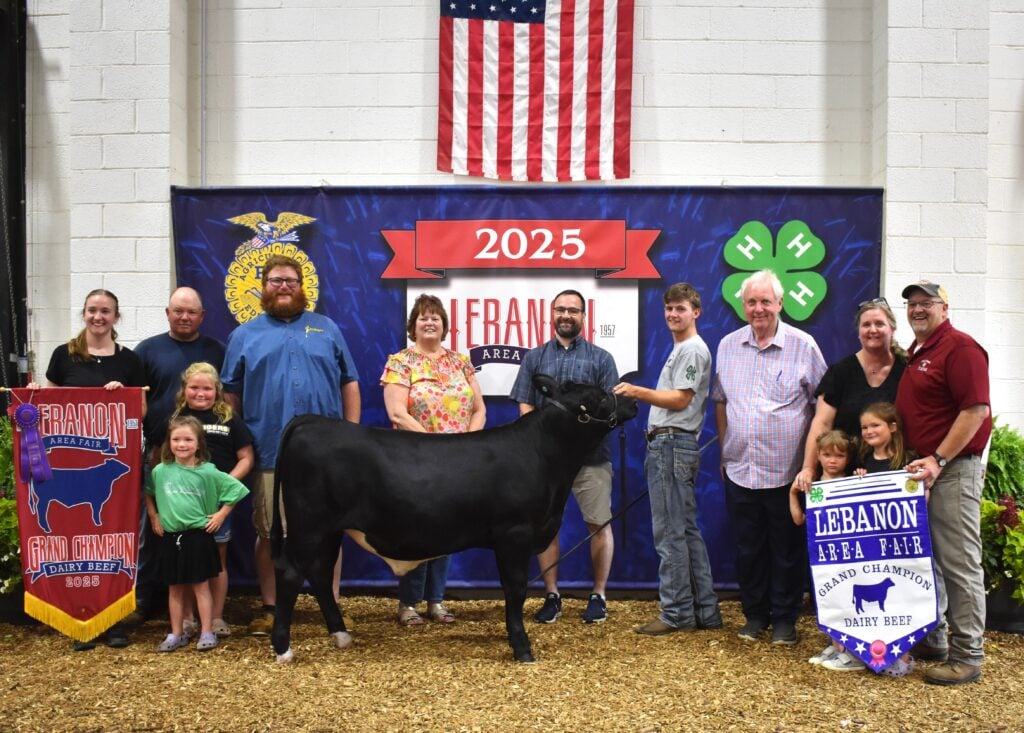
Nolt said the new club will have the “financial freedom” to manage its funding, and participants who wish to seek higher education scholarships will have the same opportunities as before.
“There’s no cost for the members to be a part of the club or the organization from that standpoint,” Nolt said. “And like I said before, we’re being fully funded locally so that we’ll be able to do that for a long time.”
Lebanon County 4-H Club members are charged an annual $30 membership fee, which is reimbursed back to them through the generosity of the Wenger Foundation. 4-H Club participants also have access to scholarships for higher education.
Nolt attributed the county’s past 4-H successes to the volunteers, not the organization, and said this move is to preserve the future for Lebanon County youth.
“I want to say that we needed to preserve the future of these community clubs, you know, for the kids that were in agricultural learning,” Nolt said. “There’s a lot of frustrated leaders out there right now. So we will continue to wait and see. But I think to really say what drove us is that we relish the success and it was the need to preserve the future for these next generation animal lovers that led to the need to do something.”
Questions about this story? Suggestions for a future LebTown article? Reach our newsroom using this contact form and we’ll do our best to get back to you.
Keep local news strong.
Cancel anytime.
Monthly Subscription
🌟 Annual Subscription
- Still no paywall!
- Fewer ads
- Exclusive events and emails
- All monthly benefits
- Most popular option
- Make a bigger impact
Already a member? Log in here to hide these messages
You know us because we live here too. LebTown’s credibility comes from showing up, listening, and reporting on Lebanon County with care and accuracy. Support your neighbors in the newsroom with a monthly or annual membership, or make a one-time contribution. Cancel anytime.