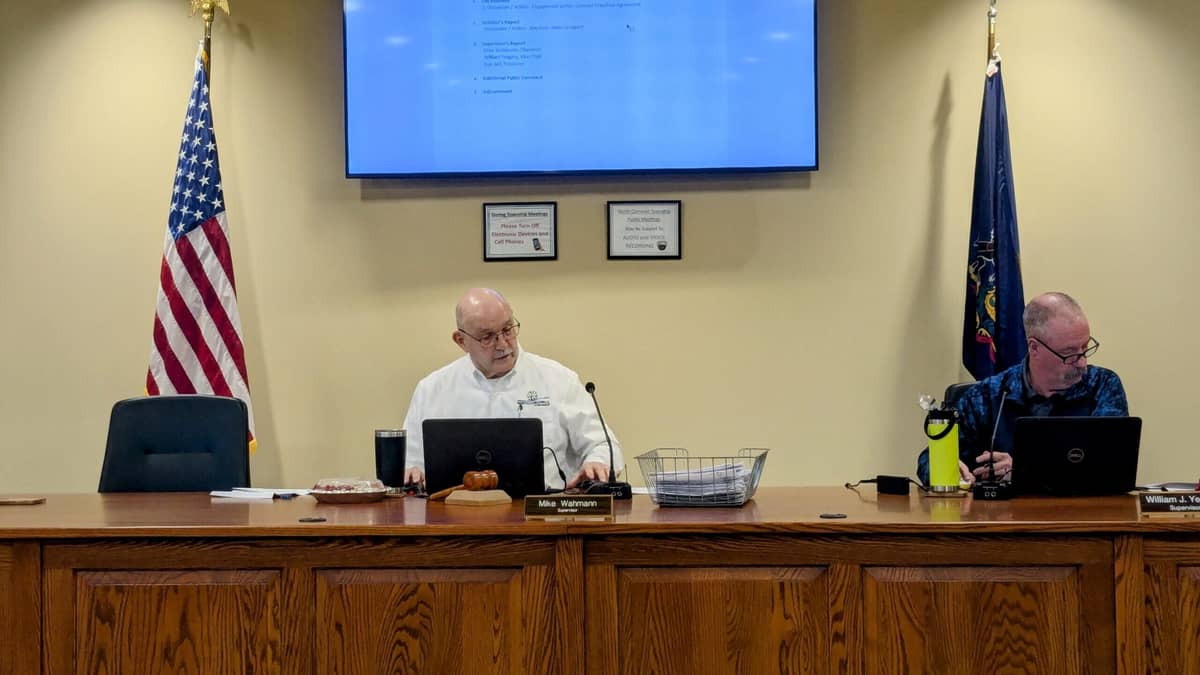
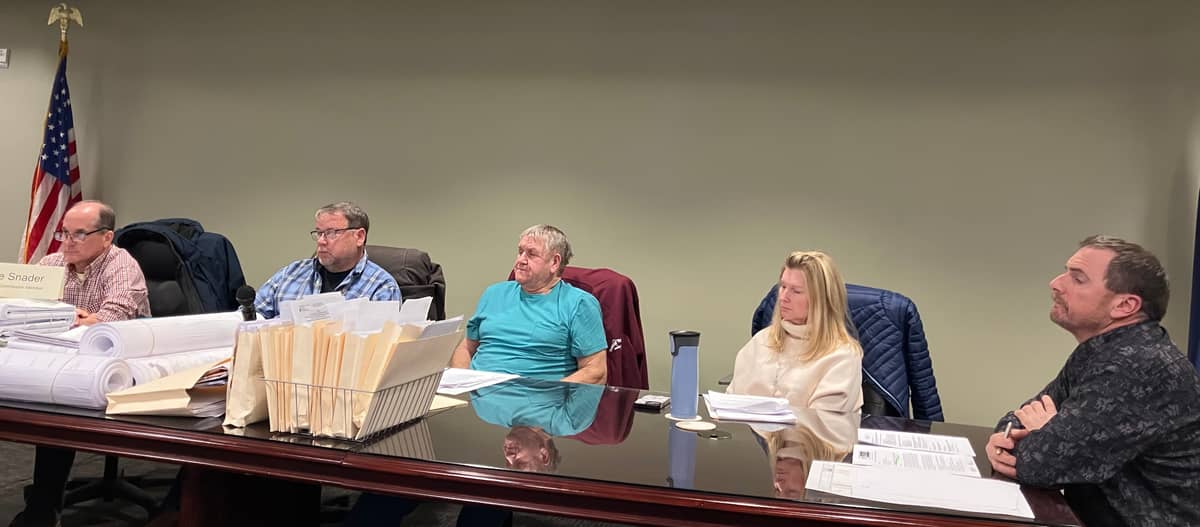
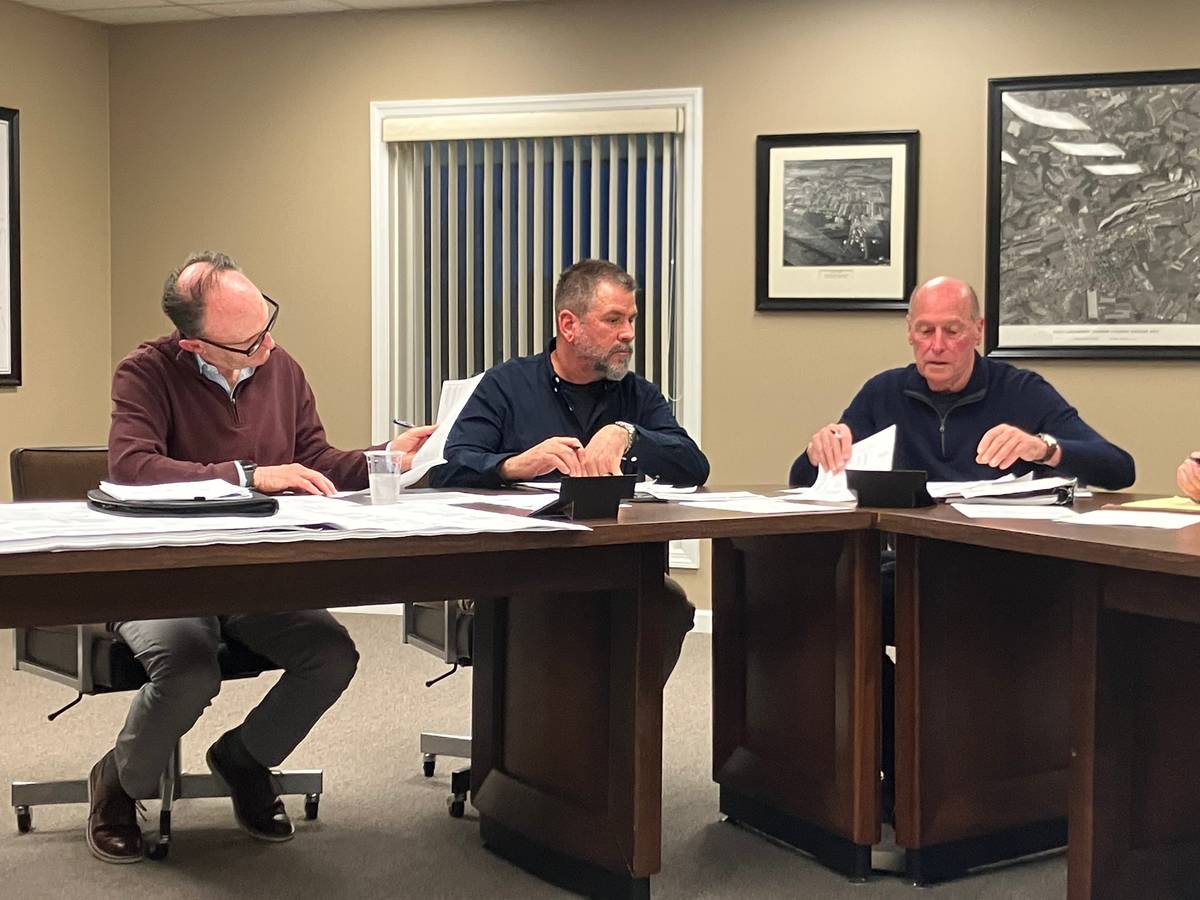
The Sunshine Act is a state law that outlines how governments and agencies must conduct business with public access. In Pennsylvania, this can include boards, councils, authorities, commissions, and committees.
According to the state open records office, a “meeting” is considered “any prearranged gathering of an agency which is attended or participated in by a quorum of the members of an agency held for the purpose of deliberating agency business or taking official action.”
A quorum is a majority of the governing body. This means two people out of a three-person board of supervisors, four people out of a seven-person city or borough council, or five people out of a nine-person school board. A quorum is not allowed to take action on or discuss business when not in an official meeting.
If a quorum is not met during a meeting, the governing body can deliberate but cannot take official action.
Regular meetings must be advertised in a paid newspaper of general circulation at least three days in advance, with the advertisement including the date, time, and location. Special or rescheduled public meetings must be advertised at least 24 hours in advance.
The agenda must be posted at least 24 hours in advance. If the governing body has a website or social media page, the agenda should be posted there, as well, and printed versions should be available at the meeting. The agenda should include topics of discussion and planned action.
Agencies are required to take detailed minutes of their meetings and include any action that is taken.
Executive sessions
One aspect that Melissa Melewsky, media law counsel with the Pennsylvania NewsMedia Association, said leads to the most violations is the executive session. There are a few defined reasons that governing bodies can go into a session away from the public’s viewing for deliberation and informational purposes.
They cannot take action during these sessions, and the sessions must be announced either directly after they take place or before the governing body enters into one.
The permitted reasons include:
- Holding an information, strategy, and negotiation session related to a collective bargaining agreement.
- Considering the purchase or lease of property.
- Consulting with an attorney about active or pending litigation.
- Discussing agency business, which, if conducted in public, would violate a lawful privilege or lead to the disclosure of information or confidentiality protected by law.
- Discussing certain academic matters.
- Discussing certain public safety issues, if disclosure of the information discussed would be reasonably likely to jeopardize or threaten public safety, preparedness, or public protection.
Melewsky said many governing bodies use executive sessions to deliberate and come to a result away from the public, which would be a violation of the Sunshine Act.
“The problem that I see most often is that agencies routinely take executive sessions and rely on them to kind of hash out what they’re going to do at the public meeting, and it’s basically no more than a skeleton agenda with not a lot of discussion and really an affirmation or ratification of what was discussed behind closed doors during an executive session,” she said.
Melewsky said officials also regularly don’t give proper details about why the executive session took place.
“When you see an agency say, ‘We’re going to take an executive session for litigation or personnel or for consultations,’ the courts have said that’s not enough,” she said. “They have to give more than just a generic one- or two-word justification.”
Melewsky said if the session regards litigation, the public should be told the party names, the docket number, and the court in which the lawsuit was filed. For pending litigation, reasoning should include the nature of the legal complaint — for example, employment discrimination, Sunshine Act, or failure to provide bid requirements.
Overall, the governing body needs to tell the public the reason the executive session is justified.
Public participation
Another requirement in the Sunshine Act is that the public must be able to make comments. Governing bodies can limit how long individuals can address the officials, with three- or five-minute limits being common.
People are allowed to ask questions, but the Sunshine Act doesn’t require officials to answer.
The public can also record audio or video without prior approval. Agencies can make reasonable rules about the use of recording devices to avoid disruptions, but the rules cannot attempt to prevent a member of the public from recording a meeting.
Why it matters and what you can do
The Sunshine Act is one of Pennsylvania’s two major government transparency laws — the other being the Right-to-Know Law.
“Government transparency is really about the public’s voice in government, and without transparency laws, without Sunshine laws, the government can do what it wants, whether you like it or not,” Melewsky said. “It gives the public the ability to participate and make your voice heard before decisions are made, and those are critically important in a democratic society.”
Even though the laws are important, Melewsky said the Sunshine Act is entirely citizen-enforced. If someone believes a violation took place, they can pursue civil or criminal penalties, and the burden of proof is on them. Melewsky said she doesn’t recommend individuals take action without legal counsel.
“It takes time, it takes legal representation, and obviously, litigation costs money, so there are some significant barriers to enforcement on the civil side,” she said.
Sunshine Act litigation is rare, and violations are more commonly called out through the news media.
Melewsky said violations are typically not malicious and rather come from ignorance of the law.
“Especially at this time of year when we’ve just gotten new elected officials onto boards across the commonwealth, there’s going to be a learning curve,” she said.
Questions about this story? Suggestions for a future LebTown article? Reach our newsroom using this contact form and we’ll do our best to get back to you.
Be part of Lebanon County’s story.
Cancel anytime.
Monthly Subscription
🌟 Annual Subscription
- Still no paywall!
- Fewer ads
- Exclusive events and emails
- All monthly benefits
- Most popular option
- Make a bigger impact
Already a member? Log in here to hide these messages
Our community deserves strong local news. LebTown delivers in-depth coverage that helps you navigate daily life—from school board decisions to public safety to local business openings. Join our supporters with a monthly or annual membership, or make a one-time contribution. Cancel anytime.