
Four local law enforcement agencies recently signed delegation of authority agreements with ICE to help enforce immigration laws.
Additionally, Lebanon city officials are weighing a possible agreement, but council has not yet deliberated on the issue, according to LebTown reports.
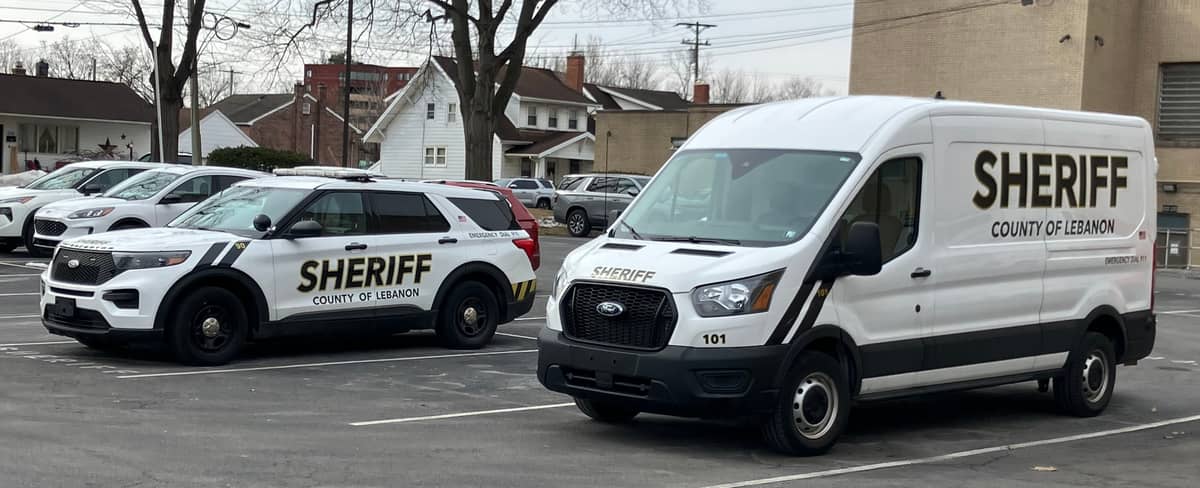
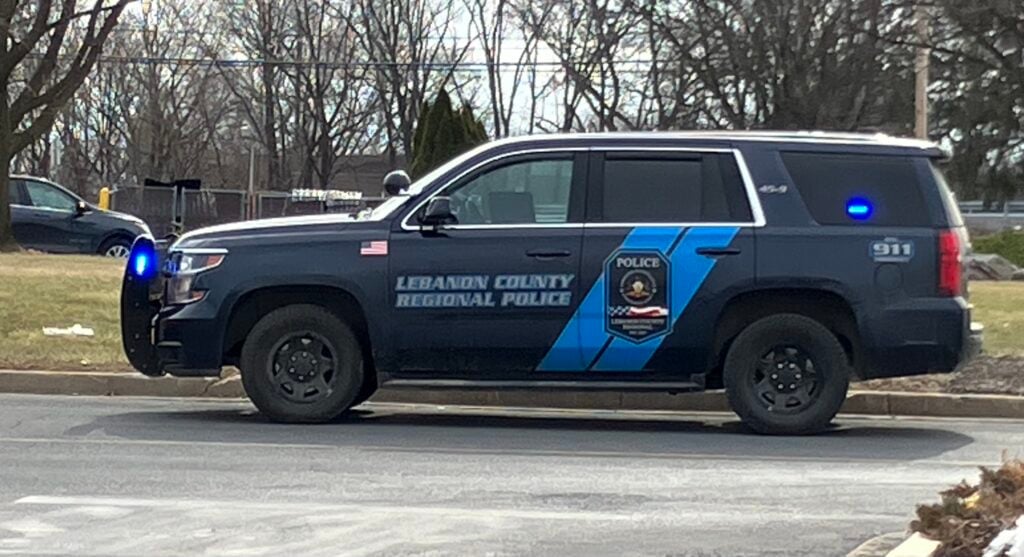
Last month, the Lebanon County district attorney’s and sheriff’s offices, as well as Lebanon County Regional and South Lebanon police departments, signed Section 287(g) agreements with the U.S. Immigration and Customs Enforcement that delegate state and local law enforcement officers to perform specified immigration officer functions under ICE’s direction and oversight.
LebTown interviewed representatives with these departments to ask how county and local officials reviewed these contracts prior to them being signed, potential impacts to their respective budgets, and whether any liability concerns can arise from services rendered.
Approval process
The boards of these agencies did not take formal action prior to agreements being submitted to the Department of Homeland Security, the agency in charge of ICE.
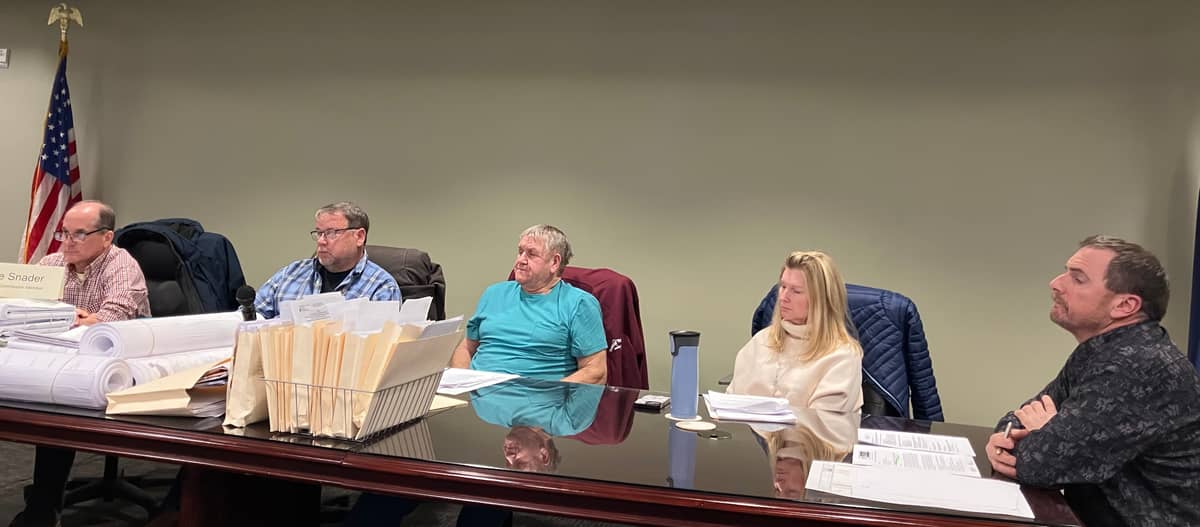
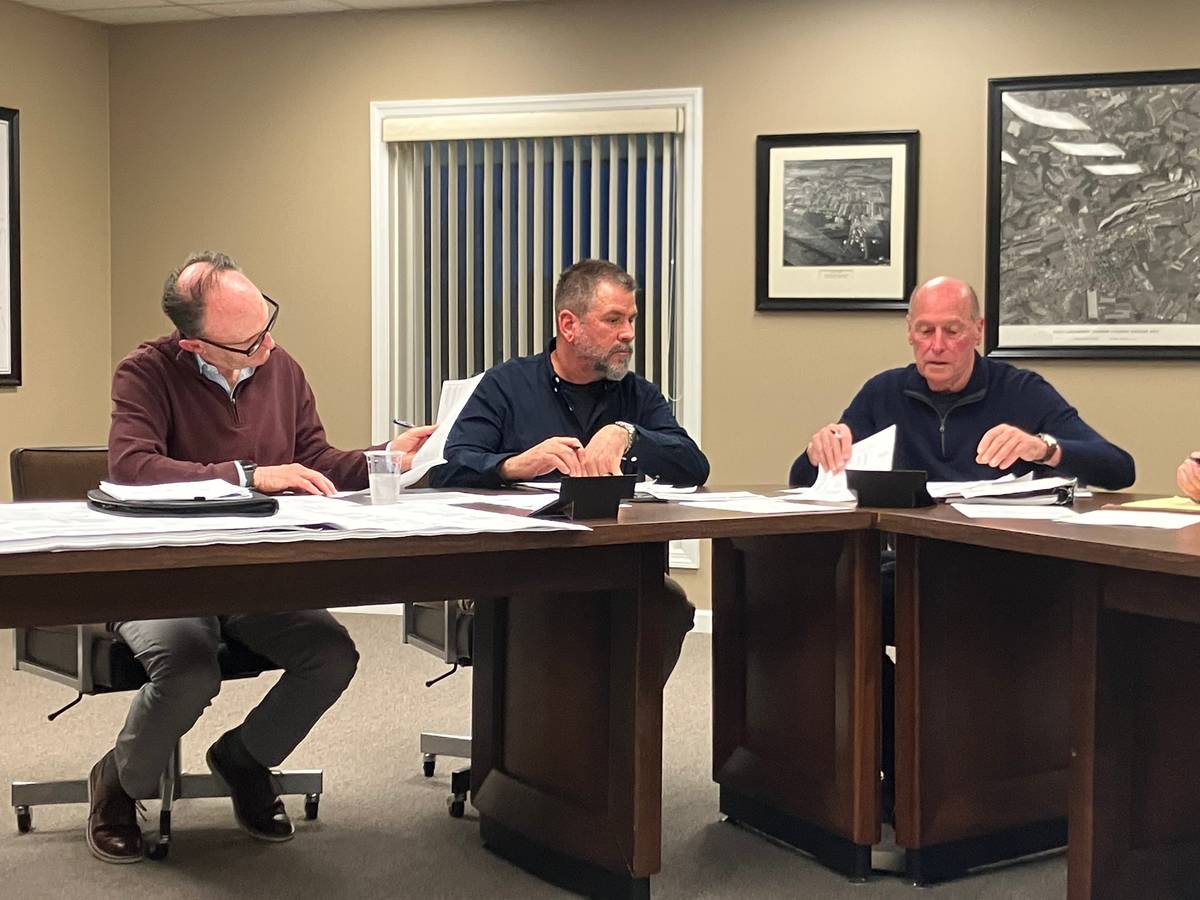
Lebanon County Commissioners did not have to vote on the agreements by the sheriffs’ and district attorney’s office, while South Lebanon Township supervisors retroactively approved by a unanimous vote their department’s agreement with ICE on Feb. 24.
Lebanon County Regional Police’s commission gave verbal approval but has not yet formally adopted the agreement, which is expected to happen in March.
As elected row officers, Lebanon County District Attorney Pier Hess Graf and Sheriff Jeffrie Marley are not required to seek or be granted permission by county commissioners to execute agreements like this. A court case ruling in Bucks County, where commissioners sued the sheriff who signed a similar agreement without commissioners’ knowledge, was adjudicated in favor of the sheriff’s office.
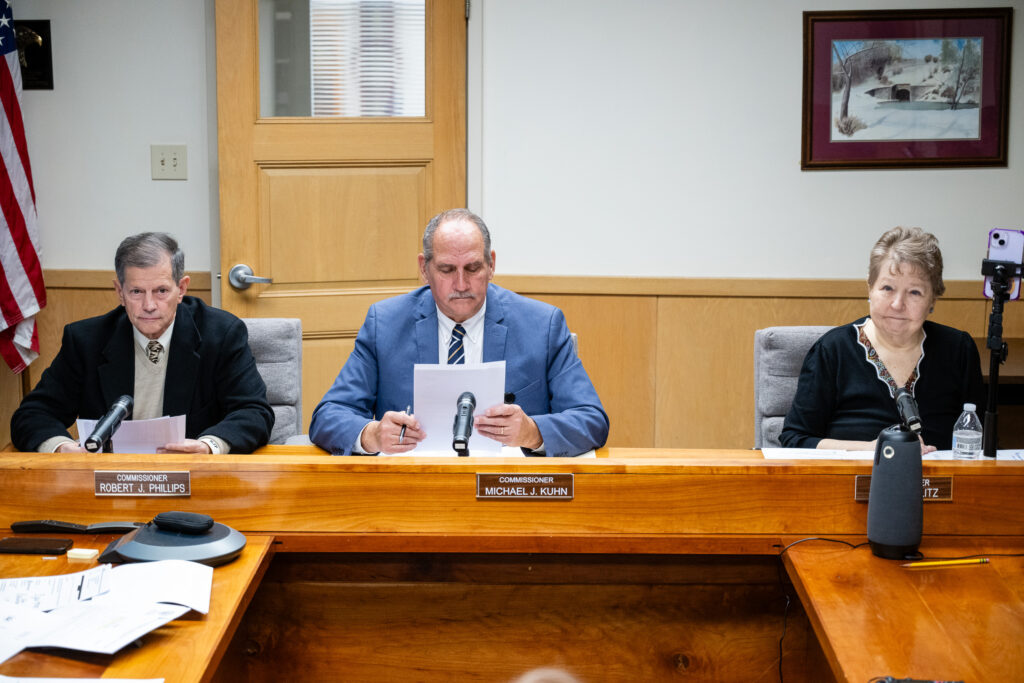
LebTown asked if commissioners were contacted before agreements were signed. Commissioner Jo Ellen Litz “respectfully declined” answering questions related to the subject, deferring all of LebTown’s enquiries to county solicitor Matt Bugli.
“Now that you tell me the subject, I must respectfully decline,” Litz said. “This is awkward and unusual for me, but I must respectfully decline.”
In an email to LebTown, Graf said that “the County was made aware of the partnership agreement and voiced no opposition.”
LebTown asked Litz if anyone can oppose something they know nothing about. She responded, “You make good arguments, but I cannot respond.” However, county officials said Litz and the other commissioners were informed of pending execution of the 287(g).
Bugli said the commissioners’ office – meaning specifically county administrator Jamie Wolgemuth and himself – had learned that execution of the agreements was pending and passed that information to commissioners. Commission chairman Mike Kuhn confirmed decisions about executing agreements with ICE were made by Graf and Marley.

“Those decisions were made by the district attorney and the sheriff independently, and we were informed as the process was developing, you know, they were moving forward with that,” Kuhn said. “They need to make the decisions they need to make as far as law enforcement and I trust their judgment on that and we’ll see what happens.”
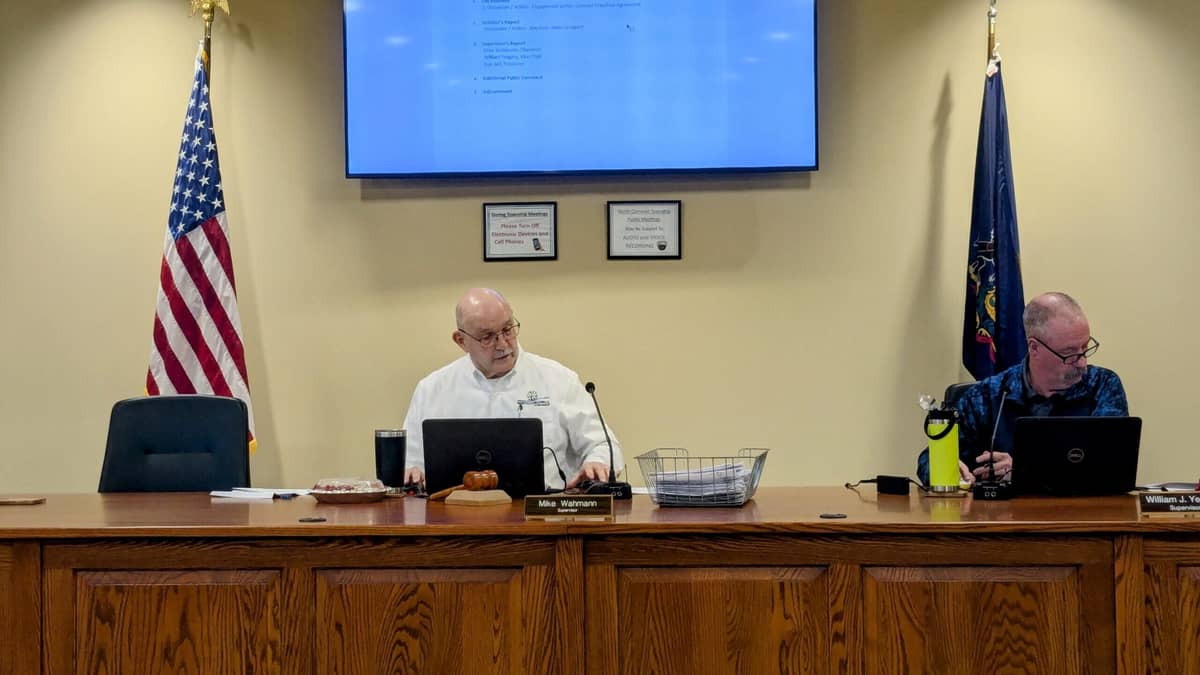
The Regional Police Commission, which has oversight of the Lebanon County Regional PD for law enforcement in North Cornwall and North Lebanon townships, has not voted to adopt the agreement, according to commission chairman Michael Wahmann.
Wahmann said the agreement was discussed without taking a formal vote, and consensus among the five commission members was for department chief Timothy Knight to advance it to DHS. Wahmann said he had not read the agreement draft prior to indicating tentative approval.
The agreements are a standard template used by ICE, with approximately 1,500 in place with local and regional police forces across the country, according to the ICE website.
“It was discussed among the commission members and we all agreed that it should be signed,” said Wahmann. When asked if the agreement followed a public vote, Wahmann said he didn’t think the issue has come up at a public meeting yet but it was discussed at a conference between members who decided to proceed.
He reiterated public action is pending.
“We’ll probably take formal action on it at our next meeting. We haven’t taken formal action on it. I mean, we’ve individually discussed it, one member talking to another member, and the consensus was to go ahead. But we’ll have to take a formal meeting, or a formal vote on it, at our next meeting, which I think is the second Tuesday of the month.”
Funding sources
While the county row officers may independently execute agreements with ICE, commissioners set the budgets for both offices. Neither the commissioners, nor the other two agencies, included funding specifically for these activities in their 2026 budgets.
Funding may become a factor since participating law enforcement agencies are responsible for the lion’s share of the upfront costs associated with serving as ICE agents.
A provision of the agreement states that, “the LEA (law enforcement agency) is responsible for personnel expenses, including, but not limited to, salaries and benefits, local transportation, and official issue material used in the execution of the LEA’s mission.” All of those expenses include overtime and some training costs associated with the program.
However, the program includes financial incentives. A fact sheet provided by ICE states that LEAs may receive $7,500 for equipment per trained task force officer, $100,000 for new vehicles per agreement, and reimbursement of salary, benefits, and overtime.
LebTown asked Commissioner Robert Phillips if the county is prepared to pay overtime and the process for determining if these upfront costs will be paid – particularly authorization of overtime – that may be incurred in connection with fulfilling duties requested by the federal government by either the district attorney’s or sheriff’s offices.
“So I guess my answer to that would be if we have to pay for anything, my hope would be that she would bring it to us ahead of time so we can have a conversation about it,” Phillips said. “But if it’s going to be paid for by the federal government, if that ends up being the case, then her autonomy would prevail and I would support the law enforcement view that she has and support that.”
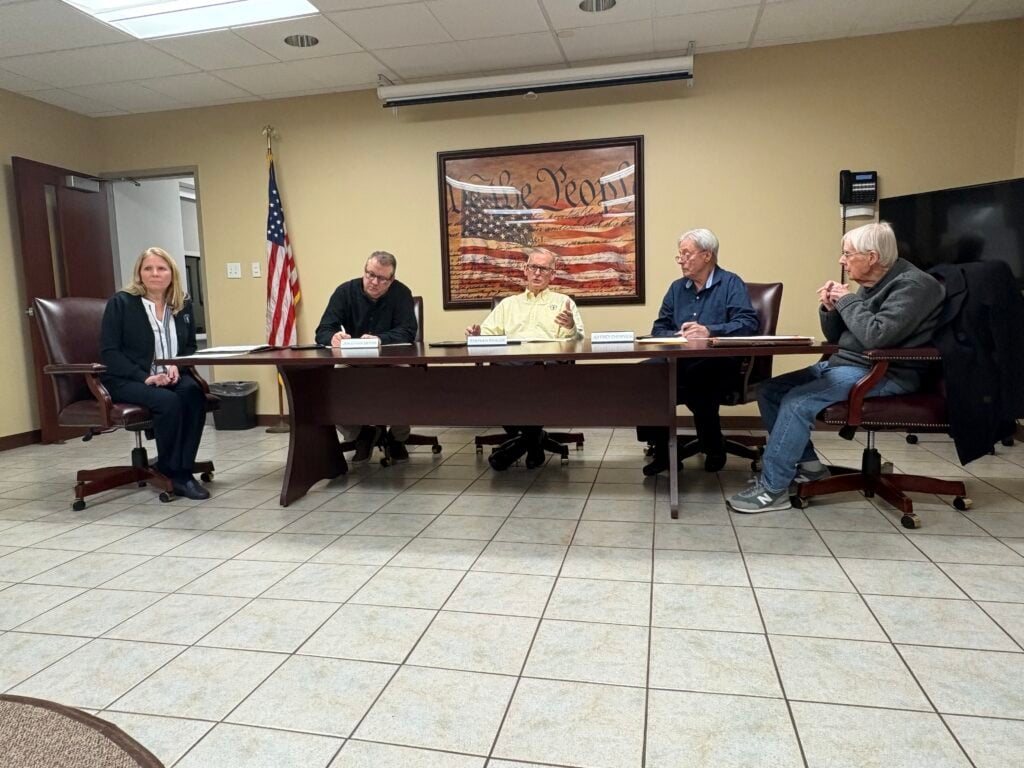
Sheriff Marley and South Lebanon Township secretary Jamie Yiengst said their officers only plan to cooperate with ICE as part of what they called their usual duties.
“This agreement is not like making them out to be ICE agents. They’re not going to be taking on new duties under this agreement. They’re still going to be just performing their normal duties,” Yiengst said. “And it’s just a cooperation agreement, which we have with lots of different agencies. It’s just one law enforcement agency agreeing that they will cooperate with another law enforcement agency.”
“Again, to reiterate, this will be during our normal duties. We are just dealing with people in the court system or that have police contact. This does not occur on a very frequent basis, but when it does, we want to be able to deal with it,” Marley wrote in an email to LebTown. “If no one has police contact or is arrested, we will not be performing ICE duties. So, there will not be an added cost to the taxpayer.”
LebTown asked about services they intend to provide ICE if requested because a variety of duties are enumerated as “Designation of Authorized Functions.” Services listed include authorization to interrogate, to arrest without a warrant, power to serve and execute warrants of arrest for immigration violations, and the power to issue charging documents.
LebTown asked Marley if his officers would participate in ICE sweeps if they came to Lebanon County, including in municipalities that may not execute agreements with ICE.
“We’re not going to be out enforcing, like, immigration orders unless people are involved in the criminal justice system. So that’s where it boils down to. We’re not going to knock on people’s doors if we don’t have a reason to,” Marley said in a follow-up call. “We come across people occasionally that have warrants and, you know, have paperwork for ICE and we end up turning them over to ICE or we hold them on our charges or on the local charges, and then notify ICE. And that’s pretty much how everything has worked in Lebanon County since, you know, for the last 30 some years that I’ve been a cop. Nothing’s changing.”
Liability coverage
The question of who bears liability when local agencies are working on behalf of ICE is complex and does not have a simple answer, but generally the federal government is expected to provide liability coverage when local officers are working on behalf of ICE.
The agreement reads, “The LEA will be responsible and bear the costs of participating LEA personnel regarding their property or personal expenses incurred by reason of death, injury, or incidents giving rise to liability.”
Bugli explained that preamble sets the legal framework for what comes next in the agreement: “Participating LEA personnel named as personal-capacity defendants in litigation arising from activities carried out under this MOA (Memorandum of Agreement) may request representation by the U.S. Department of Justice….”
Graf wrote in her email that, “Liability coverage is provided by the federal government for any police officer when he or she is acting under the 287(g) agreement. The addition of deportation and detention as a local police tool comes at no cost to the Lebanon County taxpayer.”
However, Bugli provided one caveat by saying any issues involving liability and potential litigation would also be determined on a case-by-case basis.
“That (final) determination is very much a case-by-case, fact-specific review when an incident occurs,” Bugli noted.
Questions about this story? Suggestions for a future LebTown article? Reach our newsroom using this contact form and we’ll do our best to get back to you.

Support local journalism.
Cancel anytime.
Monthly Subscription
🌟 Annual Subscription
- Still no paywall!
- Fewer ads
- Exclusive events and emails
- All monthly benefits
- Most popular option
- Make a bigger impact
Already a member? Log in here to hide these messages
You know us because we live here too. LebTown’s credibility comes from showing up, listening, and reporting on Lebanon County with care and accuracy. Support your neighbors in the newsroom with a monthly or annual membership, or make a one-time contribution. Cancel anytime.