
This article was funded by LebTown donors as part of our Civic Impact Reporting Project.
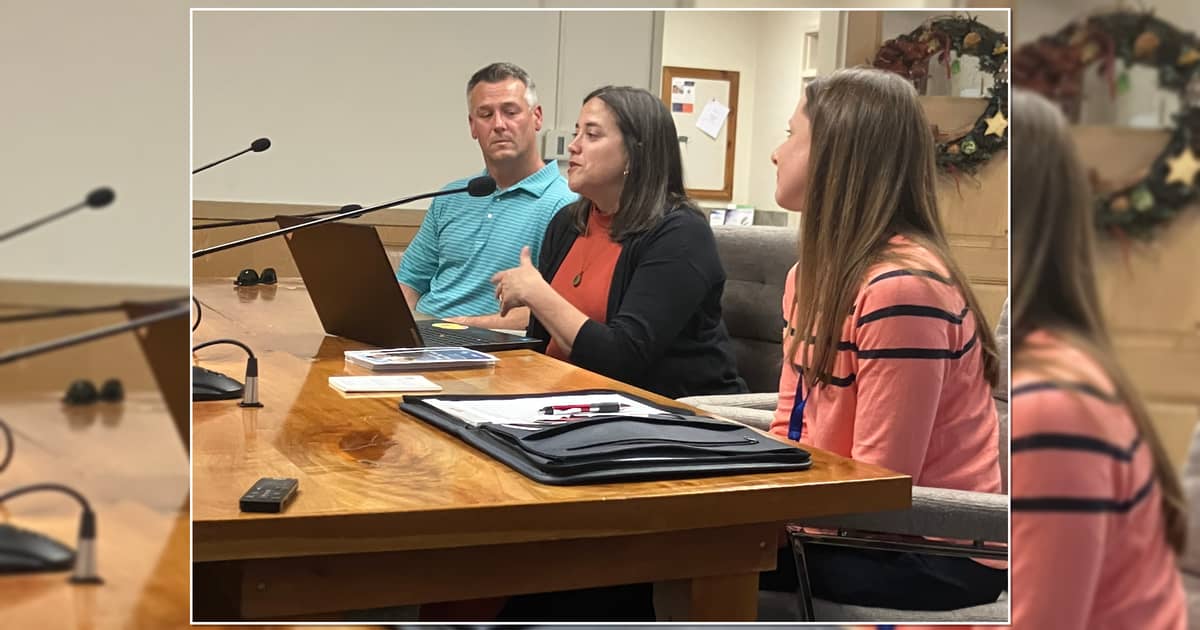
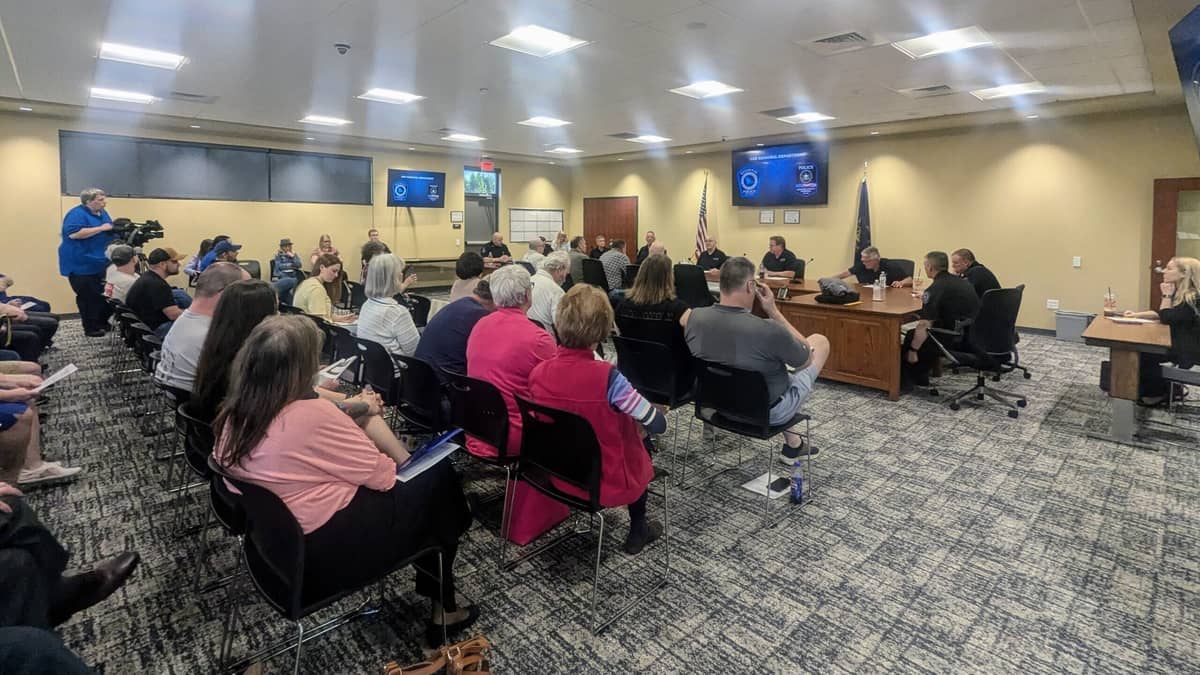
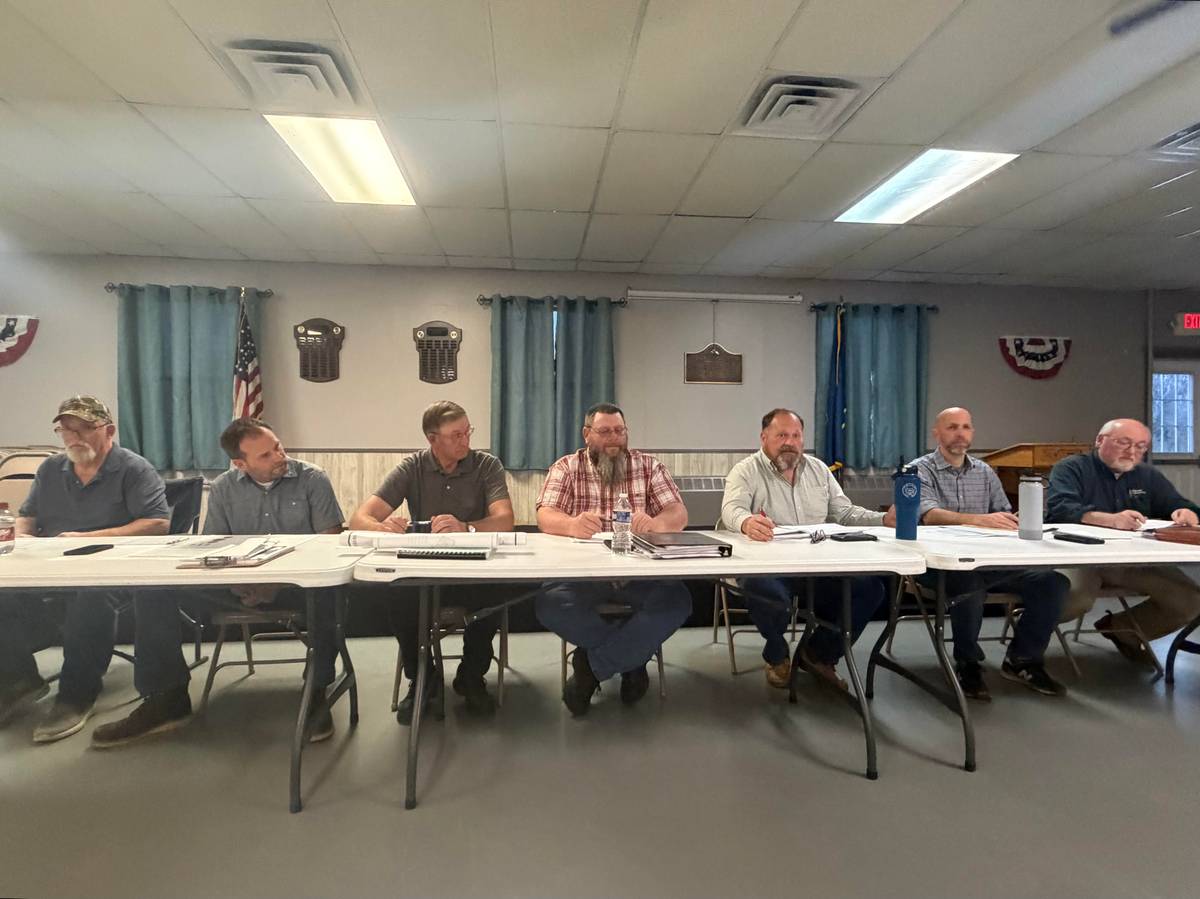
The East Hanover Township Planning Commission received mostly negative feedback and questions during the March 31 meeting regarding their proposed introduction of an agriculture conservation zoning district meant to protect agricultural land.
The township is early in the drafting process, and no formal action was taken.
Planning commission chairman Marvin Smith said they focused on regions of the township with high-quality soil, large contiguous areas, and environmental conditions most conducive to productive crop farming. Maps presented at the meeting showed three potential areas that met all three conditions.
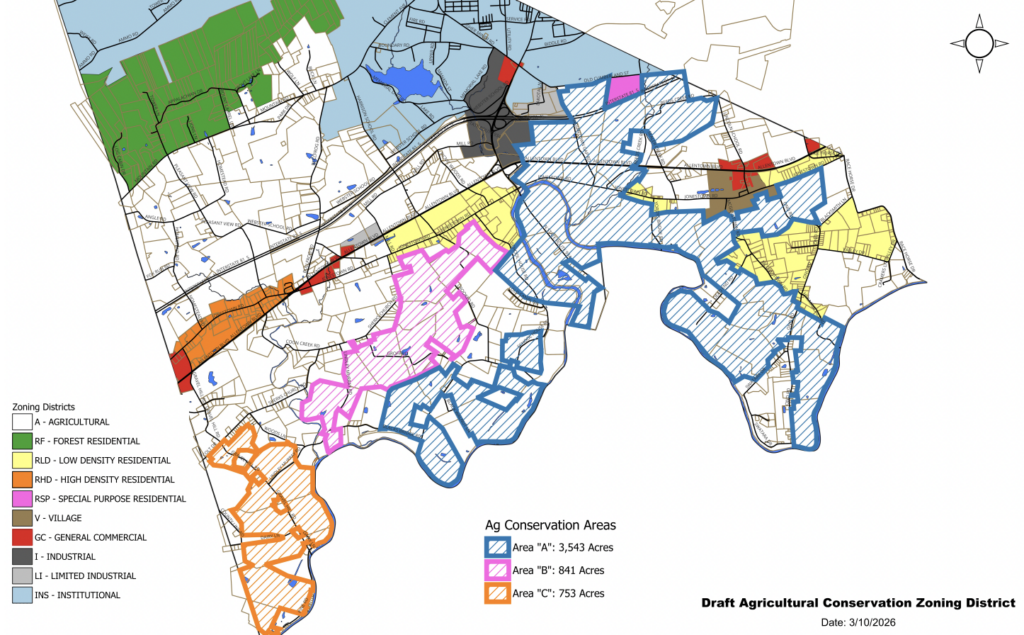
If the conservation zoning moves forward, the major changes would be the permitted uses and the number of subdivisions that can come from a parent tract.
Notable uses not allowed in the agriculture conservation zoning, according to the handout provided at the meeting, could be the following:
- Pet kennels
- Golf courses and country clubs
- Agricultural enterprise, education, and tourism
- Semipublic or private recreational areas
- Riding clubs
- Animal hospitals and veterinary offices
- Sawmills
- Agriculturally oriented commercial establishments
- Stockyards
- Businesses in the agricultural district
- Airfields, strips, or landing facilities
- Sandpits, gravel pits, removal of topsoil
- Oil and gas operations
The above uses are either outright permitted or allowed through a special exception in the regular agriculture zoning area.
The ag conservation district would limit the maximum number of lots or uses to three, in addition to the existing farm, house, or principal use, compared to the six or seven (including the farm, house, or principal use) allowed in the agriculture zoning, depending on the acreage of the property.
Smith said this is meant to keep farmland as farmland and maintain contiguous, high-quality land for future farming generations.
However, most of the feedback received on the proposal was negative. Township resident Steve Levengod said he is not in favor of the change.
“My farm’s in it — I want it out,” he said. “I don’t need your control, government control.”
Levengod said this would devalue properties because, if farmers need to sell part of or all of their land, the buyer would be limited in what they can do with it. Later in the meeting, another resident disagreed that it would devalue the area because farmers would be attracted to an agricultural property that is surrounded by other protected land.
“We don’t need it,” Levengod said. “Our farmers, we’re smart enough to control our own properties. We don’t need you to control it.”
Farmer Kyle Cassel said the list of uses could take away opportunities if people have to adjust their business in the future. He said he doesn’t have a plan to move away from farming, but he doesn’t know what the future could hold.
Smith said they could change agricultural enterprise, education, and tourism, and agriculturally oriented commercial establishments from not permitted to permitted under special exception. Then, there would be requirements that had to be met before the zoning hearing board could vote on whether a property is allowed those uses.
Common comments throughout the night disagreed with the government control and regulations, with some saying the township should pay people to be in this district or allow people to opt in. Township manager Erik Harmon said he doesn’t think zoning should be an opt-in or opt-out process.
The handful of individuals who spoke in support of the zoning said it would protect the township’s farmland. The land, they said, would remain agricultural rather than being divided and then used for things like residential development.
Smith thanked the crowd for coming and sharing their thoughts, questions, and concerns with the commission. He said they will go through the feedback and continue to make changes, if necessary.
Smith described zoning as a balancing act where they’re trying to do what’s best for the township as a whole. He said they could move forward with the proposal as is, take some parts and make changes based on feedback, or decide against the new zoning district entirely.
“Speaking for the planning commission, we’re going to take all this feedback and digest it and talk through all of it,” he said after the meeting. “So I wouldn’t say, at this point, that we know which way we’re going to go because we need to talk through all those different points. How do we address that comment, that concern?”
Questions about this story? Suggestions for a future LebTown article? Reach our newsroom using this contact form and we’ll do our best to get back to you.
Build the future of local news.
Cancel anytime.
Monthly Subscription
🌟 Annual Subscription
- Still no paywall!
- Fewer ads
- Exclusive events and emails
- All monthly benefits
- Most popular option
- Make a bigger impact
Already a member? Log in here to hide these messages
You know us because we live here too. LebTown’s credibility comes from showing up, listening, and reporting on Lebanon County with care and accuracy. Support your neighbors in the newsroom with a monthly or annual membership, or make a one-time contribution. Cancel anytime.