
The Greater Lebanon Refuse Authority (GLRA) has submitted a proposal to accept municipal incinerator ash from Lancaster County to cover daily loads of waste deposited in the landfill, the authority board learned last week.

Margaret Hopkins
Margaret Hopkins reports primarily on West Cornwall Township, the City of Lebanon Authority, and the Lebanon County Metropolitan Planning Organization. A resident of Mount Gretna Campmeeting, she is interested in the area’s history and its cultural and economic roots.
As a former print journalist, Margaret has covered many municipal, school board and county meetings, learning firsthand the impact of local decisions on our lives and communities. She also learned how much readers depend upon a trusted news source to clarify, check and document those decisions—and to hold decision makers accountable.
Posted inNews
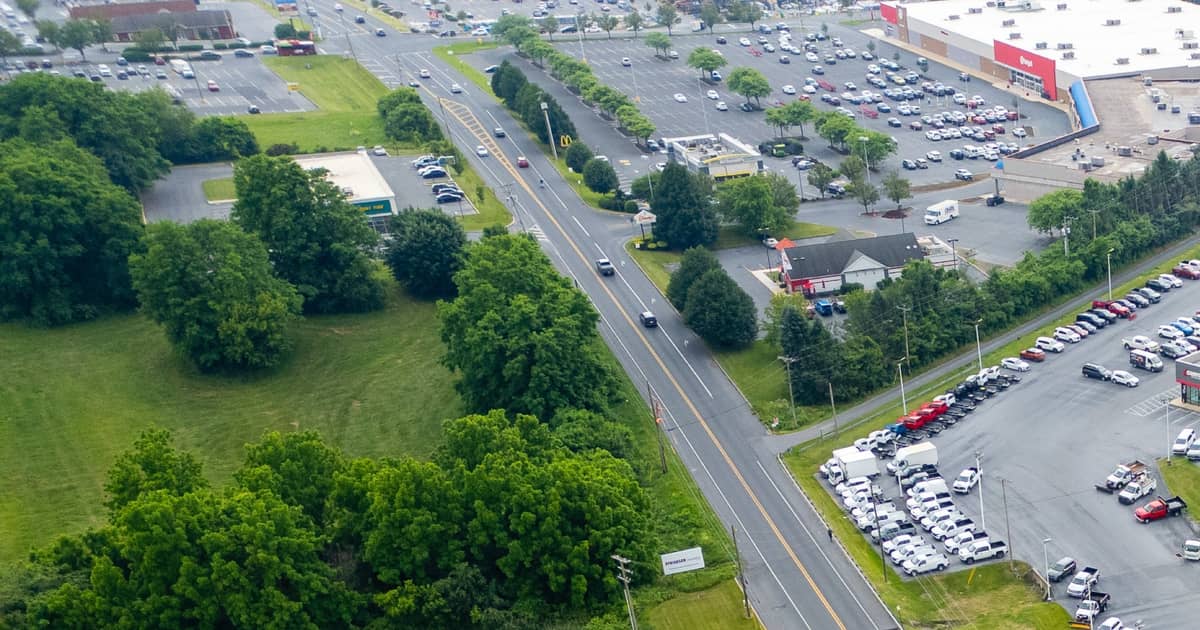
PennDOT District 8 tells local planners: No new projects until next transport bill
PennDOT District 8 plans to focus on projects approved in the county’s current Transportation Improvement Project rather than taking on any new ones in the immediate future.

Posted inPeople & Places
ZooAmerica, Fort Indiantown Gap protect butterfly through captive rearing program
For more than a decade, wildlife biologists with Fort Indiantown Gap and ZooAmerica have partnered to keep the only known population of the eastern regal fritillary from extinction.
Posted inNews
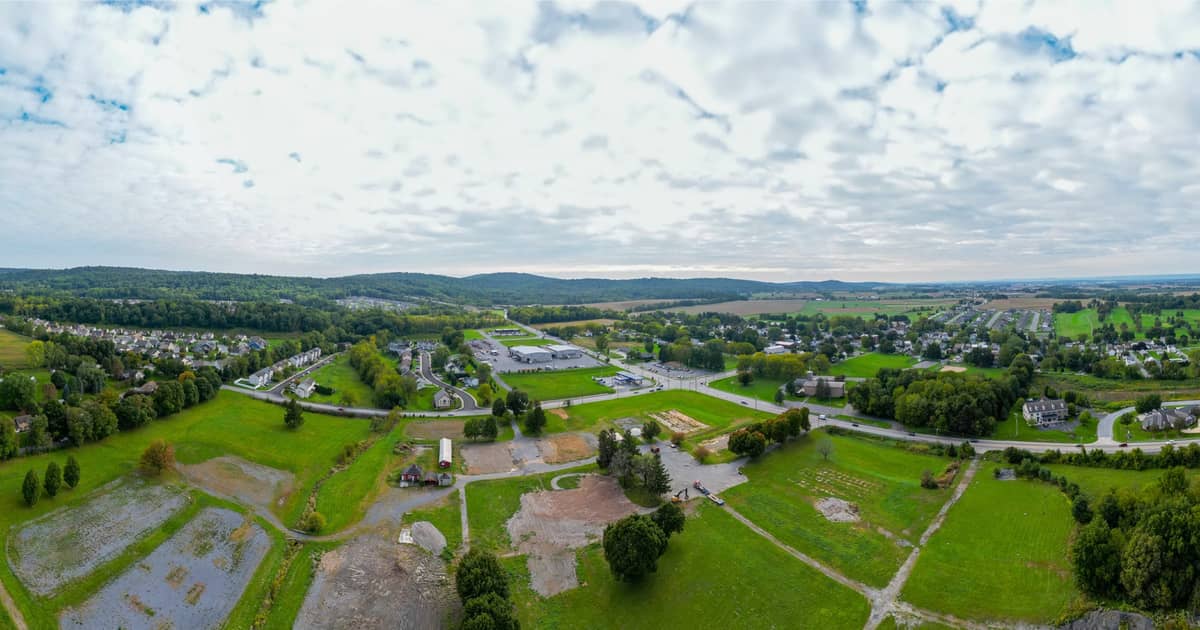
Analysis shows no need to zone for more residential development in West Cornwall
West Cornwall Township has sufficient land zoned for residential development to accommodate community growth for the next three to five years, supervisors were told at their Monday meeting.

Posted inNews
City of Lebanon Authority shares results from August water testing
City of Lebanon Authority reported Monday that water samples tested for lead from 29 water customers in August contained no lead particles or contained lead below the 15 parts per billion action level, and one sample exceeded 15 ppm.

Posted inUpcoming Events
Author of Lebanon County Reads selection to speak at Beth Israel
Author Mikki Brammer will discuss her novel “The Collected Regrets of Clover,” the 2025 selection for Lebanon County Reads, in a lecture at Congregation Beth Israel on Wednesday, Sept. 10.
Posted inNews
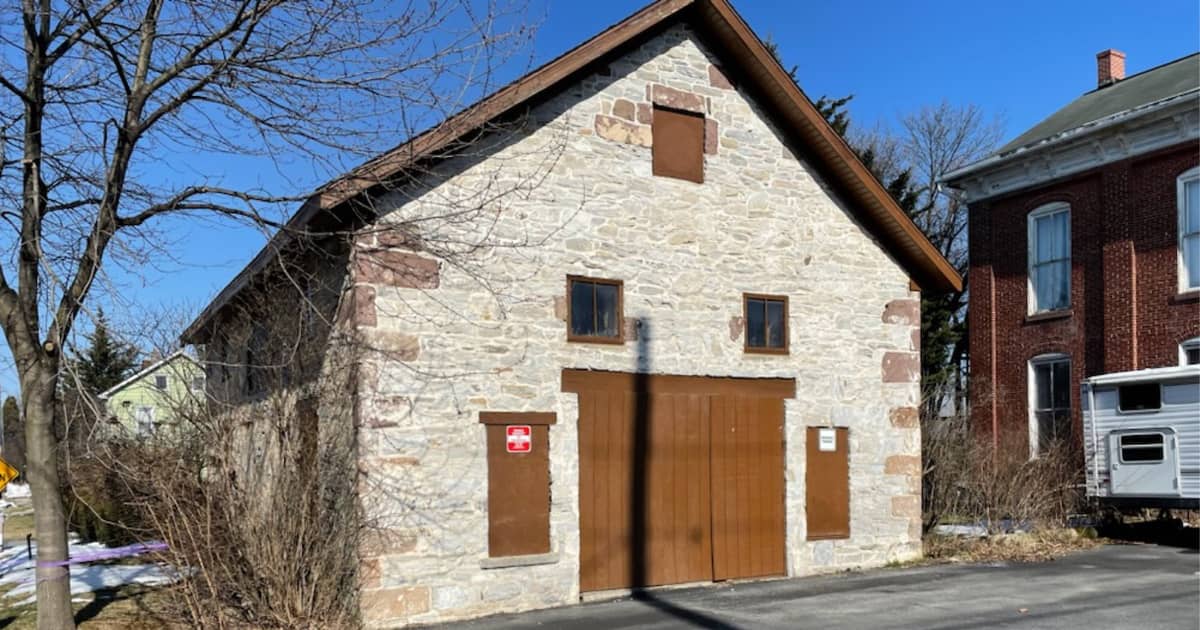
Revised plans for curb and sidewalk work in Quentin under PennDOT review
Curb and sidewalk work on the township’s property at 67 W. Main St., Quentin, is still on hold, awaiting approval by PennDOT and issuance of a highway occupancy permit.
Posted inNews
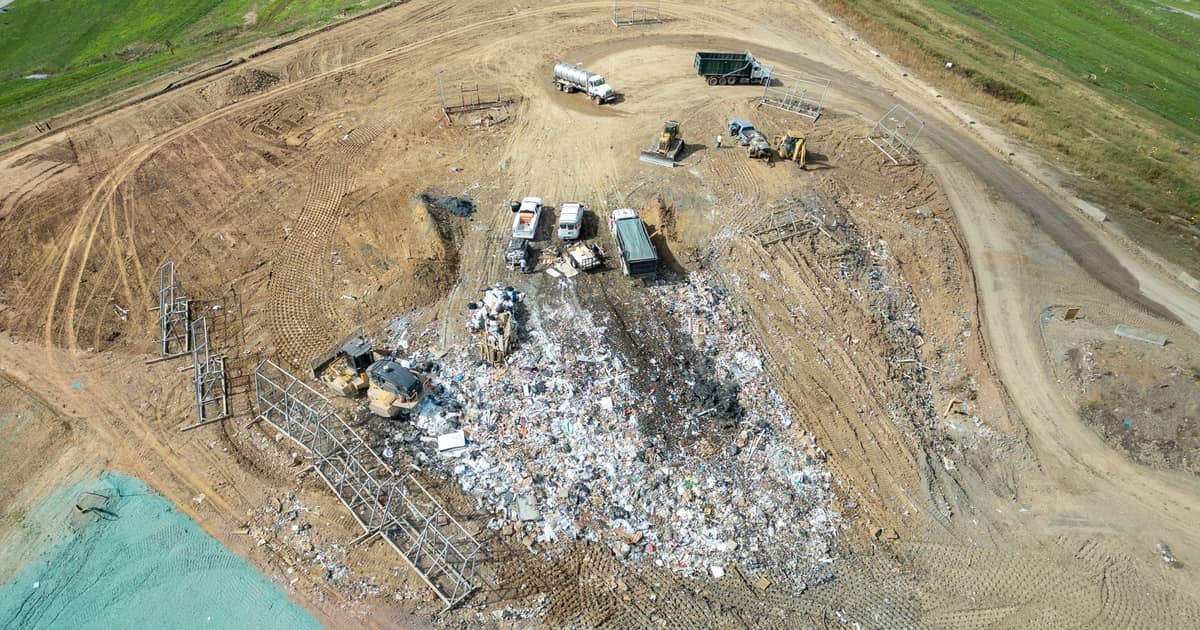
Greater Lebanon Refuse Authority’s tipping fee is lowest in the region
The tipping fees for disposal of municipal waste at the Greater Lebanon Refuse Authority —now the lowest in the region—could increase in 2026.

Posted inNews
City of Lebanon Authority customers to test for lead in drinking water
On Wednesday, 21 customers of the City of Lebanon Authority who have known lead service lines will take a sample of their water for analysis to determine the presence or absence of lead.

Posted inNews
West Cornwall Township planners review proposed driveway off of state Route 117
A proposed driveway off of State Route 117 in Mount Gretna received a more favorable response from township planning commissioners Wednesday than when it was first presented in May.
Posted inNews
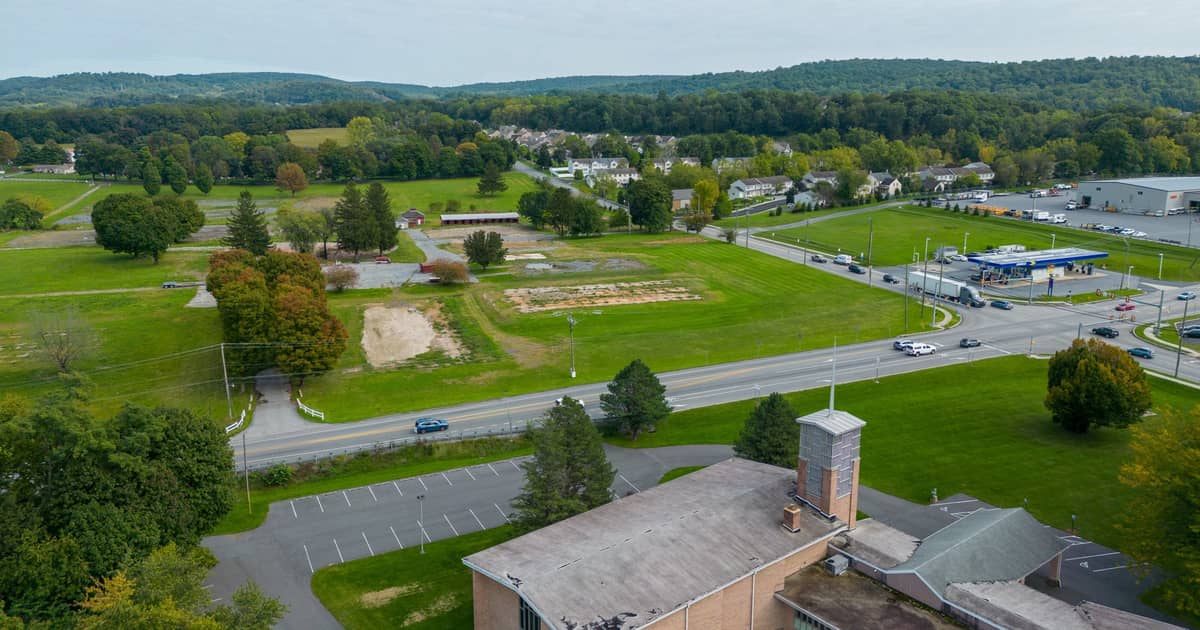
Cavalry at Quentin wins conditional approval, clearing last hurdle for Wawa
West Cornwall Township supervisors gave conditional approval Monday to the final subdivision and land development plan for Cavalry at Quentin that will include a Wawa gas station and convenience store and therapeutic riding facility.
Posted inHistory
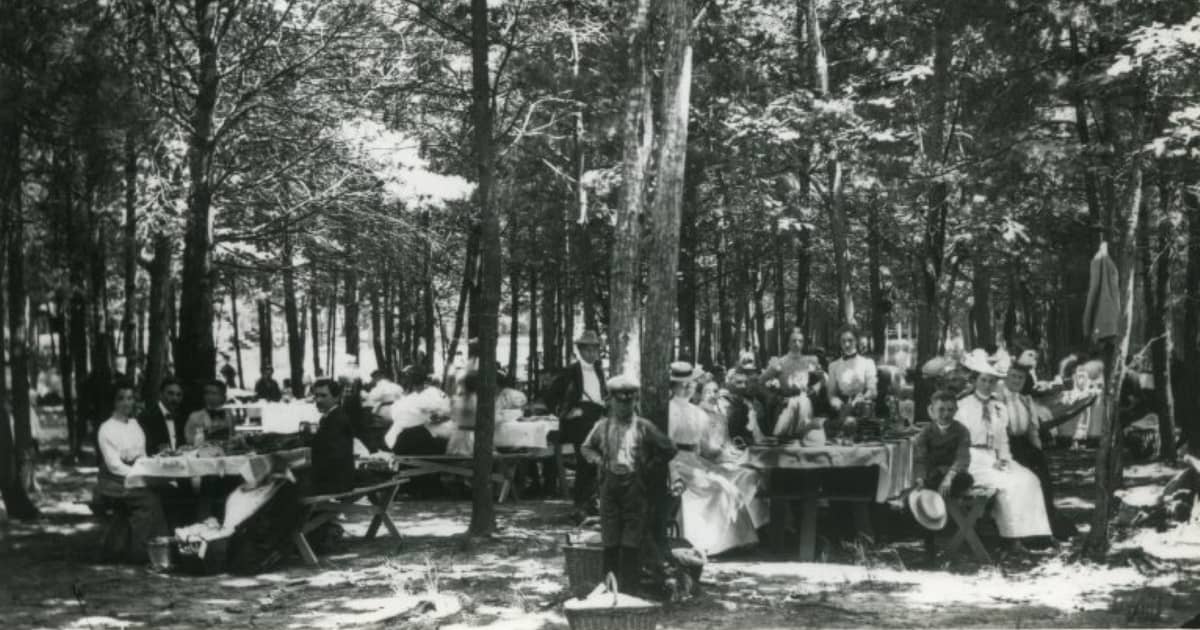
How Mount Gretna went from a ‘howling wilderness’ to a ‘paradise for visitors’
When the Colebrook Valley Railroad added Mount Gretna to the map in 1883, the area was untouched, untamed and—until that moment—unnamed.

Posted inNews
Mosquito control program surveilling standing, stagnant water for larvae
Since April, technicians with the county's Mosquito-borne Disease Control Program have been visiting sites with standing and stagnant water to check for mosquito larvae.
Posted inNews
Plan for redevelopment of Quentin Riding Club, including Wawa, is moving forward
The subdivision/land development plan for the former Quentin Riding Club at the intersection of state routes 72 and 419 in Quentin could come before supervisors at their July meeting.
Posted inNews
North Lebanon Township to turn over water mains to City of Lebanon Authority
North Lebanon Township has begun the process of dedicating almost 12 miles of water mains and service lines to the City of Lebanon Authority (CoLA), a process that will take several months to complete.