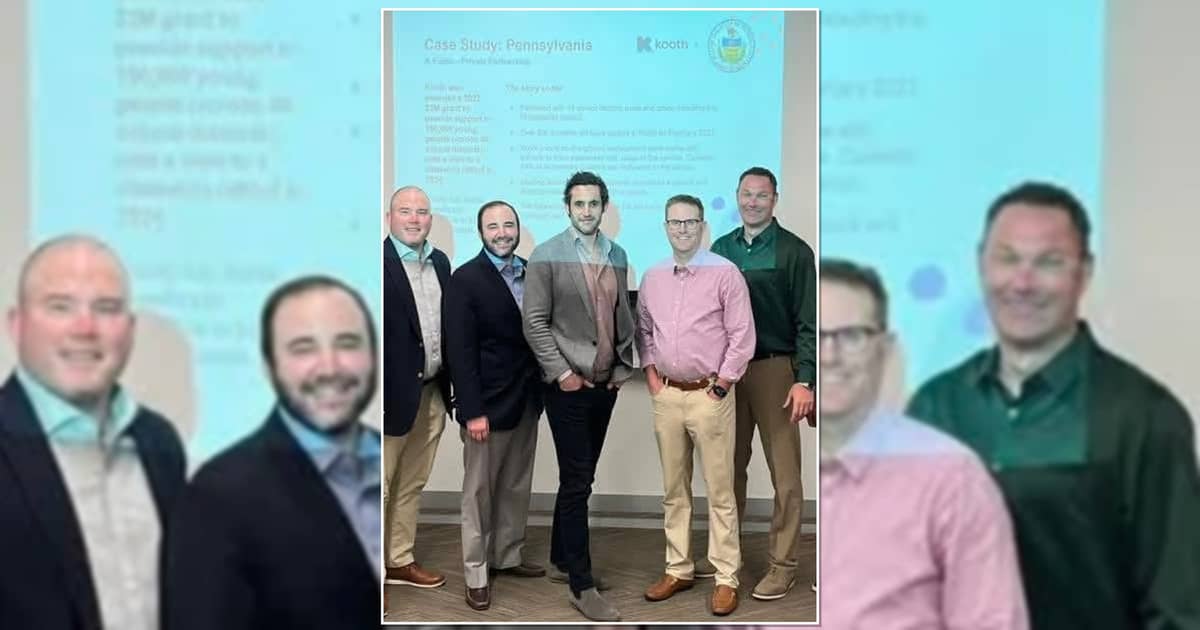

Executive coaching can impact more than an immediate job; the skills learned through coaching can translate into other positions both in and outside of a career life.
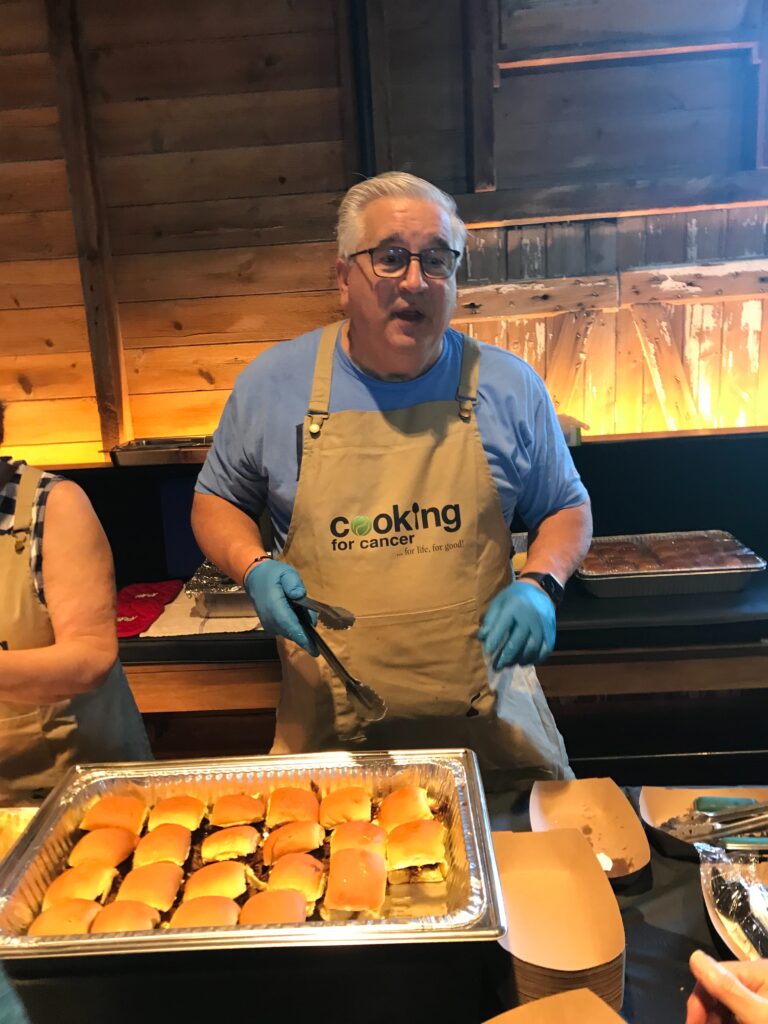
“Executive coaching started out in the C-suite (a term that describes an organization’s top executive level), but it’s evolved to include people seeking to develop leadership skills. It’s all about leading people; trying to build the best approach to solving problems and then trying to create an environment where people can do their job with the leader providing guidance where needed,” explained Paul Kreider, an executive coach and organizational design consultant with Hershey-based Kreider Associates.
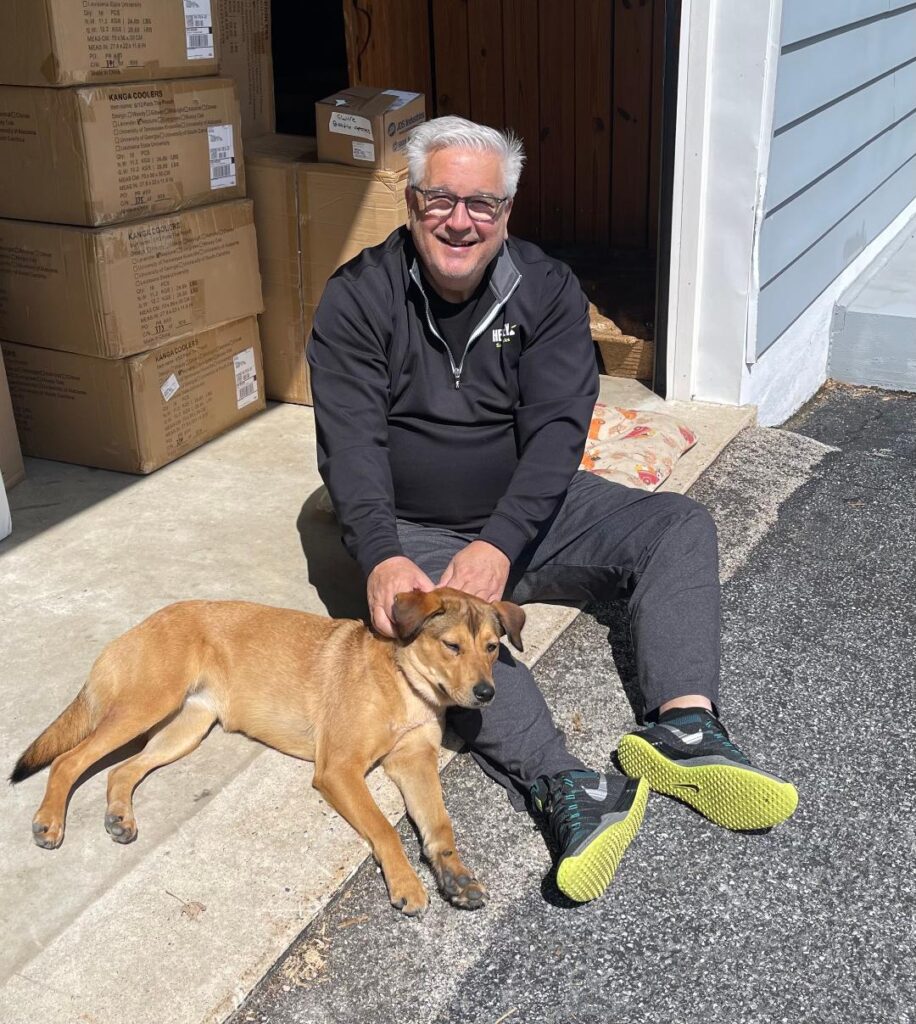
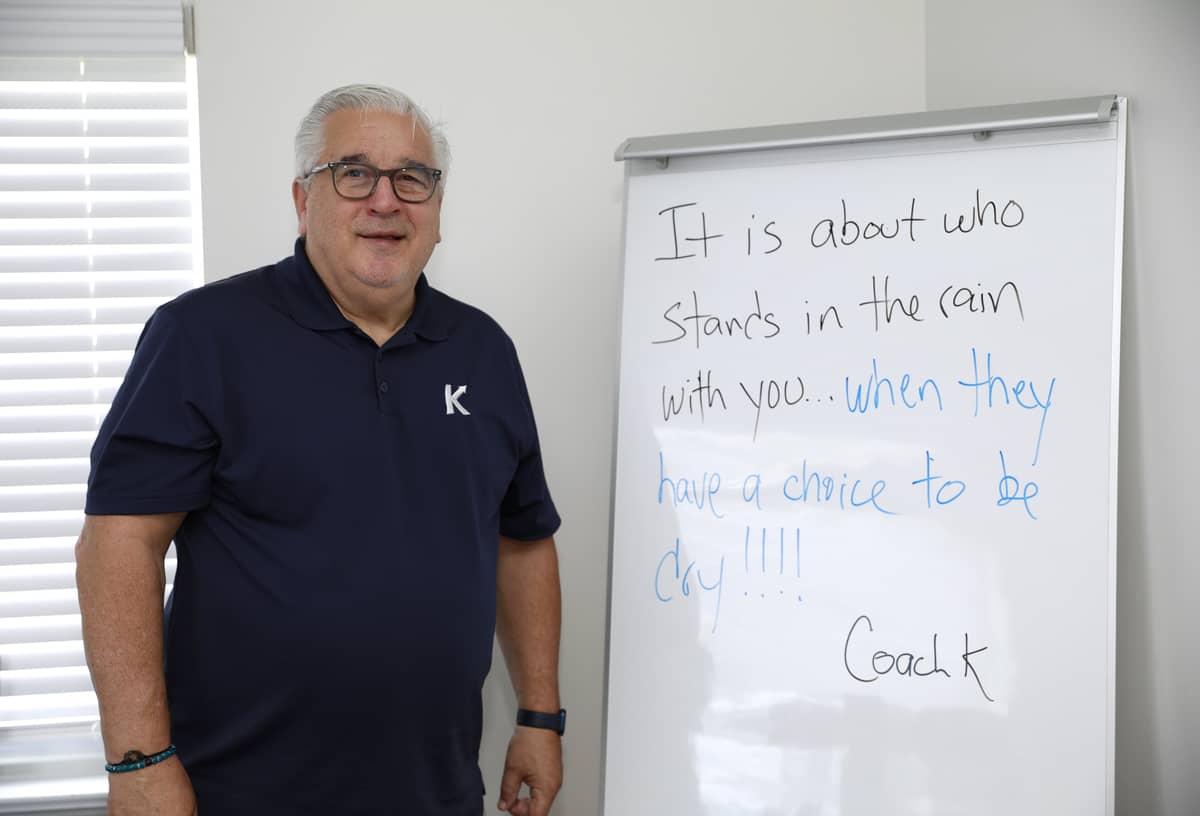
A 1972 Annville-Cleona graduate, Kreider said he became “a student of leadership” during a 35-year career at the Hershey Company, where he filled several human resources-related roles and earned the moniker “Coach k”. He said he uses a small “k” in deference to Mike Krzyzewski – the Coach K (the former Duke University basketball coach).
Kreider and his wife of 40 years, Susan, live in Hershey. They have two adult daughters.
Kreider also taught human resources and management courses at Penn State University’s Harrisburg campus for 12 years. He launched his consulting firm, Kreider Associates, in 1997 and made it his focus after retiring from the Hershey Company in 2013.
“I thought continuing my work growing and developing leaders would give me an opportunity to give back,” Kreider said.
He credits his career at the Hershey Company with helping him to build the skills to offer executive coaching – either through his positions or through seminars he attended while employed there. “Nothing brought me more joy than to enter into a handshake and say ‘Hello, I’m Paul, I work for the Hershey Company.’ Little did I know that all the marvelous experiences, development and support from my colleagues would position me for a second career as an executive coach,” he said.
One of the executives he coached during his career there was David J. West. His first role with the company was vice president strategy and development, followed by chief customer officer and chief financial officer before being named CEO, president and director. He said when he joined Hershey in 2001 the company was still very insular and had just gone through a difficult period with a failed software implementation.
“I was one of the first people that was hired from outside the organization. Paul was my HR business partner in my early years and he was open to new ideas and business approaches and his ‘buy in’ was very helpful to my establishing credibility as he had enormous internal respect from his peers. He also helped me to modify my approach to better tailor my messages and pace to align with the culture. He gave me tools and a rubric to focus not only on what people could do but how they would fit and therefore enabled me to forge better teams throughout my career,” West explained.
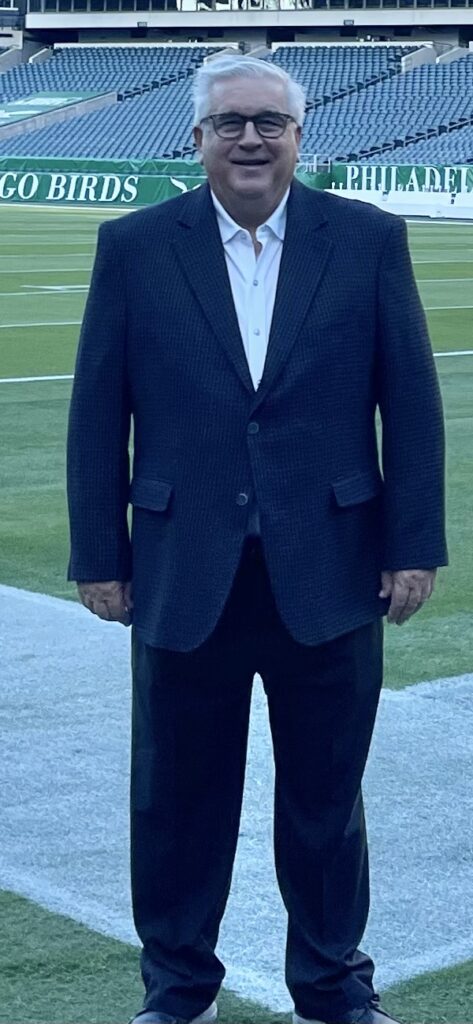
He said there are a number of benefits of using an executive coach. “It is often helpful to have someone from outside who is not totally immersed in the day-to-day that provides perspective. It is often helpful to have someone from outside who is not totally immersed in the day-to-day that provides perspective. And it is important that as an executive you spend a lot of time working on making your team better or helping your direct reports develop,” West said, “But the coach is there to remind you that YOU need to be better. And YOU need to develop. And that pulling up to 30,000 feet to reflect on how you are progressing as a leader is invaluable and the coach brings you that perspective.”
One of the quotes Kreider frequently uses when coaching someone is “I hired employees and people showed up.” Another one of his favorite quotes – “When you can’t control what’s happening, challenge yourself to control the way you respond to what’s happening. That’s where your power is” – is attributed to Austrian neurologist, psychologist, philosopher Viktor Frankl. Kreider also noted that the smartest people in the world try to gain knowledge from others.
Kreider has coached senior leaders in a number of industries including hospitality, healthcare, government (federal, state and local), packaged consumer goods and athletics. He’s worked with not only individuals such as Dave Culley, former head coach of NFL’s Houston Texans and Dick Vermeil, former head coach of the Philadelphia Eagles and Kansas City Chiefs, but also peer groups, project teams and intact work teams.
He said a lot of his recent work has focused on transitions – either internal promotions or starting at a new company. “Many of these transitions require learning new skills on the fly – working at different levels of an organization require a different level of organizational skills. As Marshall Goldsmith once said ‘what got you here won’t get you where you want to go.’ It’s navigating the white waters of change,” he said.
Another area of what he calls “transitional coaching” is working with college graduates. “For college graduates, it’s important to build a plan for their career. A coach can help them do that as well as help them identify their strengths – what they can contribute to the company – and encourage them to talk about that in an interview,” Kreider explained.
He also contributes his skills to serve local organizations. A few years ago, he facilitated the development of a strategic plan for the United Way of Lebanon County. He currently serves as treasurer of the LeSean McCoy Foundation and is on the board of directors of the Pennsylvania Sports Athletic Directors Association.
Questions about this story? Suggestions for a future LebTown article? Reach our newsroom using this contact form and we’ll do our best to get back to you.
Support Lebanon County journalism.
Cancel anytime.
Monthly Subscription
🌟 Annual Subscription
- Still no paywall!
- Fewer ads
- Exclusive events and emails
- All monthly benefits
- Most popular option
- Make a bigger impact
Already a member? Log in here to hide these messages
Quality local news takes time and resources. While LebTown is free to read, we rely on reader support to sustain our in-depth coverage of Lebanon County. Become a monthly or annual member to help us expand our reporting, or support our work with a one-time contribution. Cancel anytime.