
Interested in helping shape Lebanon County’s future?
Then read on.
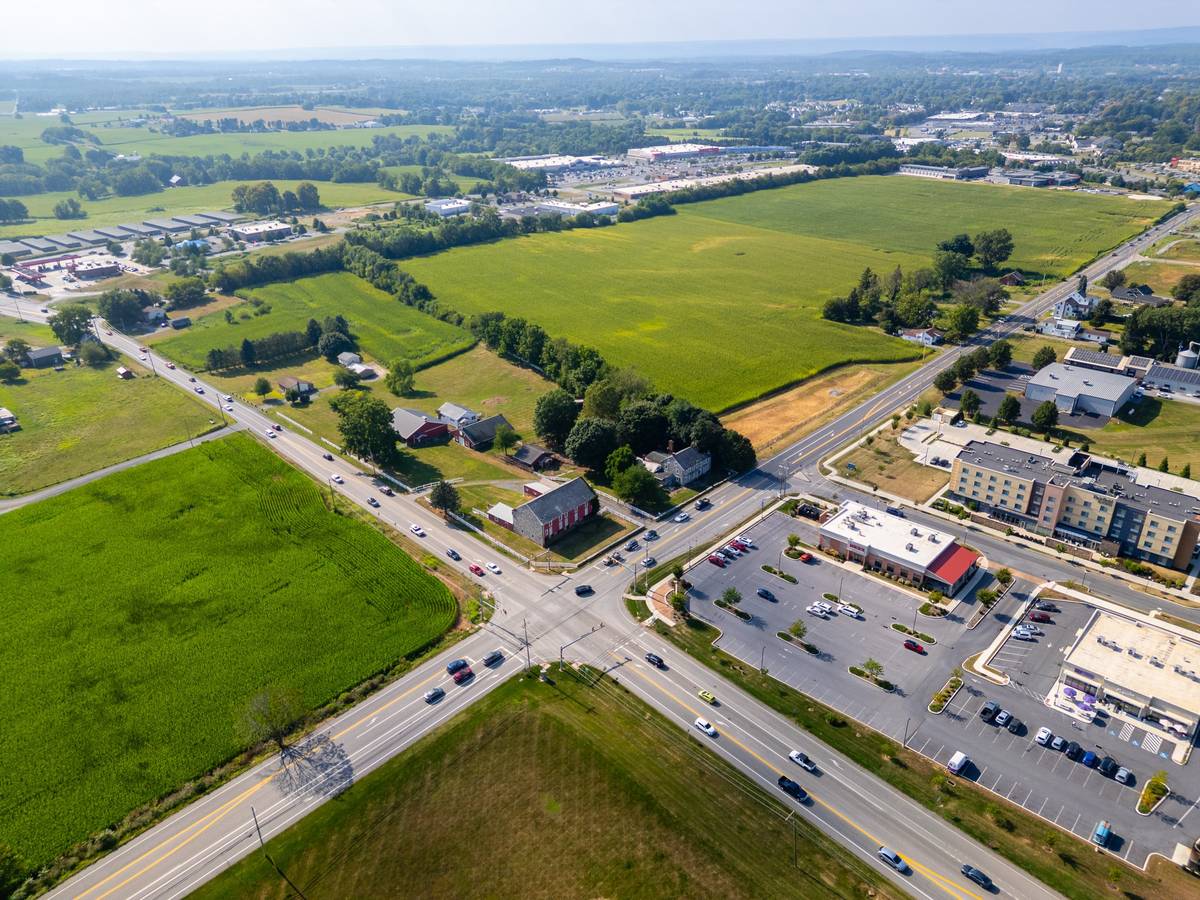
County government officials are in the process of mapping how Lebanon County will look from a planning perspective through 2040.
And they need the general public’s help in determining the county’ will look like’s growth over the next 15 years.
Julie Cheyney, director of the Lebanon County Planning Department, and Michelle Brummer, senior planner with Gannett Fleming, said plans are in the works to hold public meetings across the county this fall to gather information to assist county officials with crafting the county’s new comprehensive plan. (Follow LebTown for updates as meeting dates are announced.)
A comprehensive plan is a long-range policy document that sets a vision for the future, outlining strategies for growth and development across various sectors, including land use, housing, transportation, infrastructure, economic development, and environmental protection.
It acts as a blueprint, providing guidance for future decisions, establishing priorities for public investment, and serving as the legal foundation for land-use regulations such as zoning and subdivision ordinances.
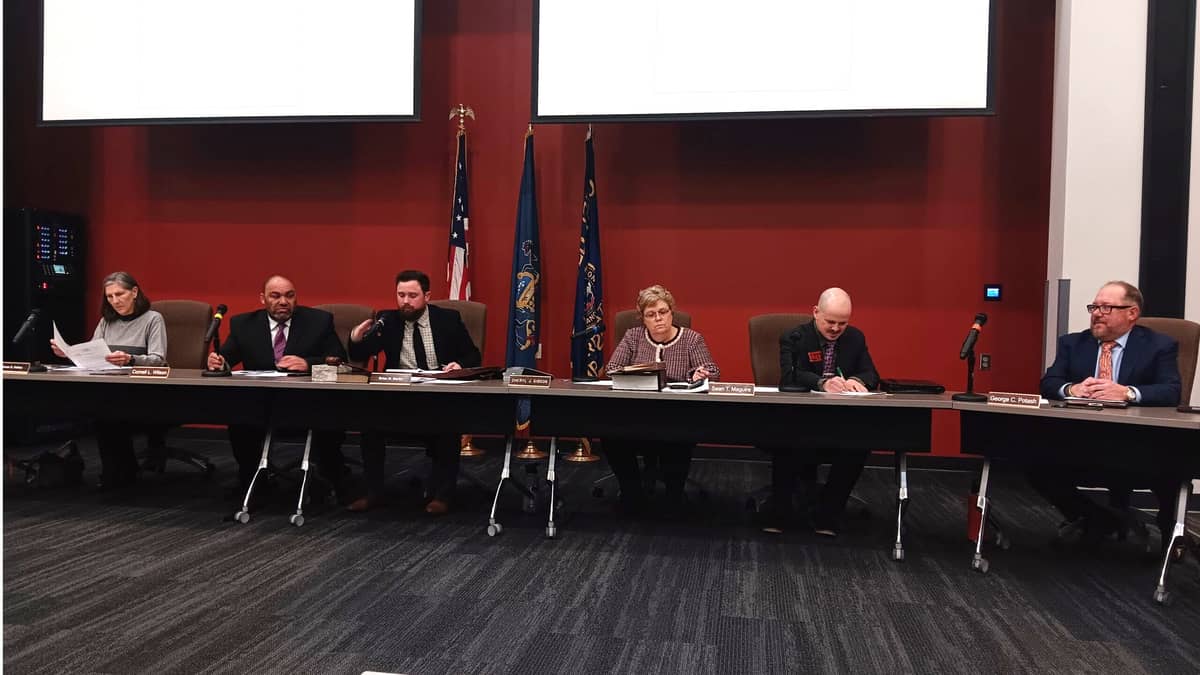
“In June, I believe, we met with the steering committee for the first time, and we’ve had two steering committee meetings, so we’re just at the very, very beginning of the process,” Cheyney said. “But we’re looking to now start engaging the public in different aspects of the plan as well.”
Brummer said she’s been working with Lebanon County’s Geographic Information System (GIS) Department to create a soon-to-be launched website that will keep the public informed about all things concerning the comprehensive plan.
“We’ve been working with Cherie Prentiss-Brown over in the GIS office and expect to set up a website where we’ll share information about how the plan is developing (and list) some milestone pieces,” she said. “Those might be like quarterly updates. It’s not going to be week-by-week necessarily as you would conventionally report.”
Brummer added there are clear goals for launching an informational website to keep the public informed as this process comes together and Lebanon County citizens have a say in Lebanon Valley’s future.
“We do want to be able to share information out, including where we’re at, what we’re thinking, what questions we’re asking next, and how the public can engage with those questions,” she said. “We’re anticipating some meetings this October, some that will be by invitation and some that will be more general public forum kinds of things. I don’t have the program yet to share with you for that, but it will be scheduled for this fall.”
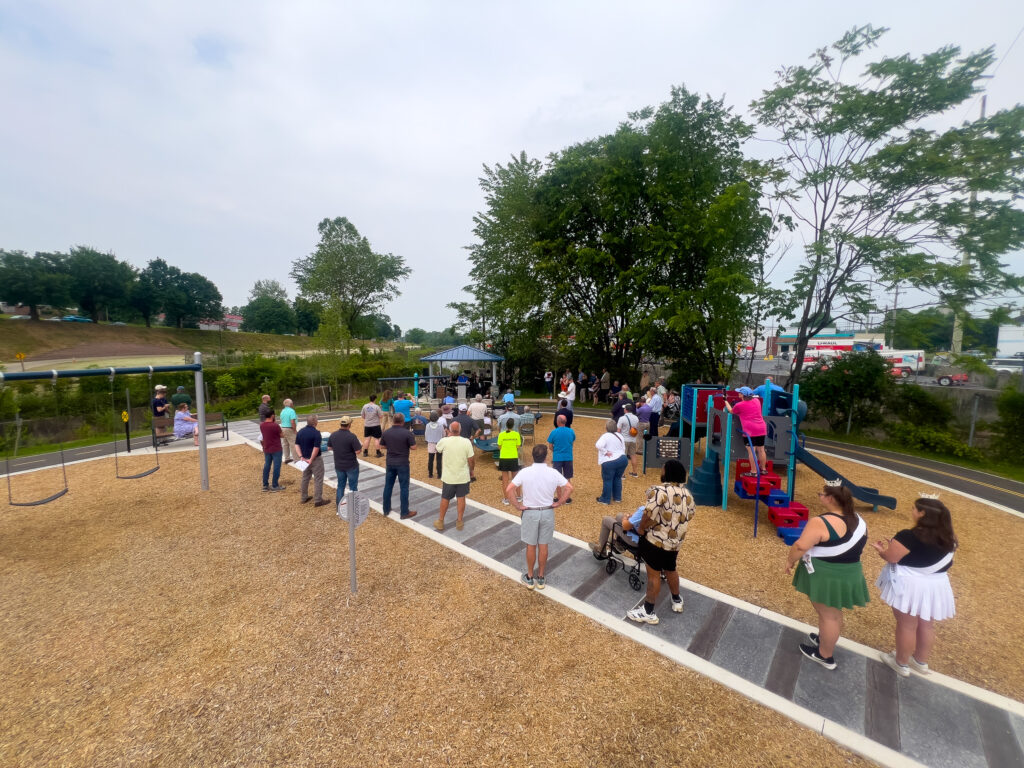
Brummer added the public input will likely take two forms.
“We’re interested in hearing from them (the public), either at the meeting if they’re willing to speak, but we’ll also have probably some sort of survey if they want to be quiet, an exit survey or somewhere else that they can give input, either through their device or something,” she said. “Because not everybody has time to speak, and not everybody is interested in being quite so vocal, but still has great thoughts and perspectives that we want to hear, even if they come through those different methods.”
LebTown asked what the steering committee, which is composed of county government officials, business leaders and other non-governmental public agencies, has accomplished.
“I think we’ve kind of laid some groundwork, not in print for public consumption just yet, but sort of where is Lebanon County today? What are some of the basic measures, population, economy, housing kinds of conditions?” Cheyney said. “Some of that is coming from the housing assessment that was done just a couple years ago.”
Cheyney said the housing study is still current and data will be utilized from it.
Read More: New study highlights countywide housing problems, provides potential solutions
“It was recent enough for us to consider it current. And land use pattern data that we got from this spring that has an April 2025 stamp on it. So we have some new maps in that area,” she said. “At our second committee meeting, we talked about some good things that have happened in Lebanon County over the past 10 to 15 years. Good things in terms of development and land use changes and how the physical look of the county has been evolving because it’s always in flux.”
That information-gathering process is ongoing, she added.
“So we had our steering committee members talk about the good and that we’re still waiting for the return on investment because there were a few things where they thought we just don’t quite know how this is going to pan out yet. A structure is up, maybe it’s not fully occupied, we don’t know what jobs are coming from that or how much productivity is going to come from that. And there were a few things that were less favorable that were mentioned, so it was that kind of discussion,” Cheyney said.
LebTown asked about the housing crisis – a problem that’s occurring everywhere – and how the comprehensive plan may address it.
“The result of that is that we don’t have enough housing of all types. And again, I don’t know that that’s unique to Lebanon County. I think that is now a national issue, where it just seems to be behind the curve for our housing demands and so I don’t see that Lebanon County is really any different than that,” Cheyney said. “Certainly affordable housing, workforce housing, obviously is something that I feel that does need to be addressed. How we accomplish that, I don’t know.”
There’s hope those questions get answered during the comprehensive planning process.
“I’m hoping, obviously, as a result of the housing study and maybe some of the things that come out of the comprehensive plan that we have some general guidance, you know, that can help. If we have a housing collaborative now that’s starting to kind of come into effect, that some of what we produce here would be able to kind of guide and direct resources to some of those things and the results that we would like to see coming out of that,” Cheyney added.
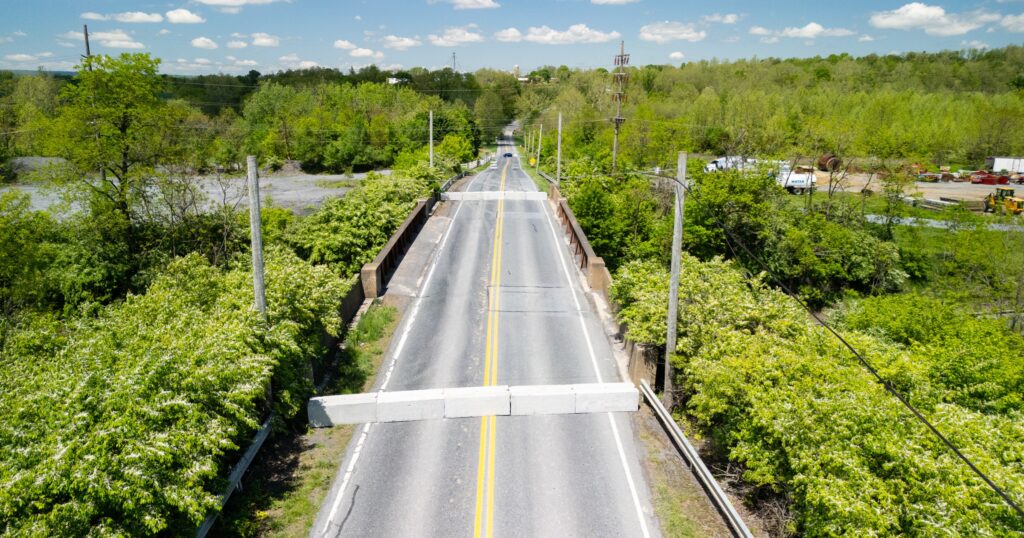
But housing isn’t the only concern to be addressed as part of the comprehensive plan. It’s just one piece of a much larger puzzle.
“I’d say it’s one of (them), but it’s not No. 1. I mean, I think first and foremost, the comprehensive plan focuses on land use. Residential uses are then what have implications for housing,” Brummer said. “So talking about what land is used for. How much residential land we’re going to have. How much business and industry land we’re going to have. Where does ag fit?”
Conservation is another piece in that much larger puzzle.
“Where do conservation lands that can still be economically productive fit in that, but also how they look different than an industrial park. All those sorts of things. But yes, housing is certainly on our radar as something that will need to be addressed, in part through land-use recommendations or policy,” added Brummer.
As are transportation needs.
“How do we tie housing, or at least be cognizant of the relationships that it has with other factors, such as transportation, proximity to parks and recreation that people, where they want to spend their leisure time, access and proximity to schools for education or workforce training environments,” Brummer said “So sure, we could say there needs to be more housing. Does it need to be equally spread across Lebanon County? I would say, ‘No, we need to think about some of these other factors.’”
Read More: Wengert Memorial Park dedicated in memory of dairyman, community leader
One factor is what transportation is available and how it’s used by local residents along with accessing future needs.
“Where’s our transportation network? Where’s our transit network? Where’s our bike/ped network that people of all ages can use to get to the places they need to go?,” Brummer said. “Not everybody has a driver’s license. Not everybody can afford a car to, you know, be driving around on the roadway network per se. So housing and transportation, when I think about the costs of those for a household, I don’t see them as separate. I often try to think about where we need to think about them being together as we make those decisions.”
Both Cheyney and Brummer know that the comprehensive plan won’t necessarily please everyone.
“A comprehensive plan is really looking at multiple aspects of a community. Again, a comprehensive plan is not the Bible,” Cheyney said. “I think it’s a document that can take a look at all of this through the data, through the information that we gather from entities and individuals, and looking for that balance. But the other aspect of this is you’re never going to please everybody ever.”
It’s more about taking a snapshot of how community residents want their local municipalities to be in the future.
“I think we’re just trying to do our best at taking a snapshot of where we are now based on the information that we get, where does the future look like 10, 15, 20 years down the road, and balancing all of those things to come up with some recommendations that we are pulling from all of that information,” Cheyney said. “But we are not going to please everybody because development does need to happen. But hopefully some of the recommendations that come out of this and are done in a responsible fashion or where it makes sense to happen. But that’s not going to please somebody that says, ‘No development ever’ because that just isn’t realistic.”
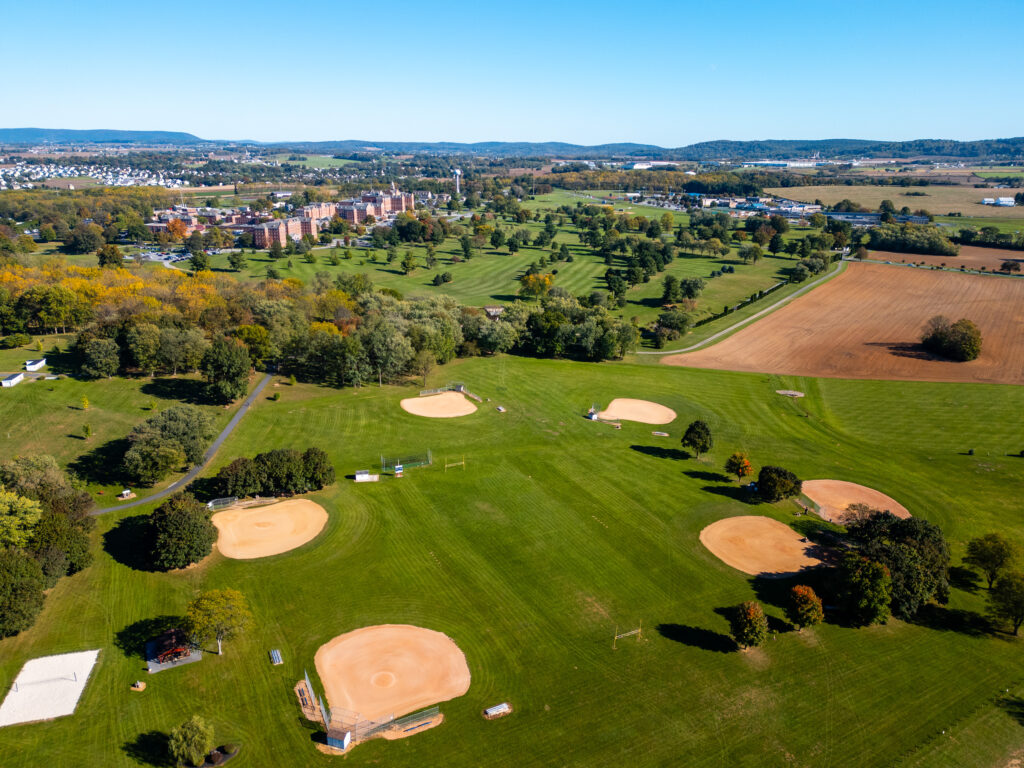
Brummer spelled out a tentative timeline, which still needs to be finalized, concerning what’s to come between now and when the plan is formally adopted.
“I think we’re gonna start looking at what are the possibilities looking forward? There’s sort of a status quo. If we look at the trends that we’ve been producing over the past 10 years, what does projecting that forward look like in terms of how much development, where would it happen, just as a hypothetical,” she said. “And then, are there alternatives to that? That might be a little more of a winter activity.”
Various factors will be part of that consideration, she added.
“If we made some different choices through local zoning, again, hypothetical, but infrastructure expansion, infrastructure modernization – I’m talking both transportation infrastructure as well as water/sewer that’s needed to support building operations – we might get to some different pictures of Lebanon County in 2035, 2040, 2050.”
The process will take some time to complete.
“So I think later this fall and into the winter, we’ll start kind of sketching out what some of those alternatives might look like. Having some discussion about what’s good or not good about those alternatives versus our status quo and how do we sort of hone our compass to a pretty singular direction by next spring.”
Questions about this story? Suggestions for a future LebTown article? Reach our newsroom using this contact form and we’ll do our best to get back to you.
Support Lebanon County journalism.
Cancel anytime.
Monthly Subscription
🌟 Annual Subscription
- Still no paywall!
- Fewer ads
- Exclusive events and emails
- All monthly benefits
- Most popular option
- Make a bigger impact
Already a member? Log in here to hide these messages
Free local news isn’t cheap. If you value the coverage LebTown provides, help us make it sustainable. You can unlock more reporting for the community by joining as a monthly or annual member, or supporting our work with a one-time contribution. Cancel anytime.