This article was funded by LebTown donors as part of our Civic Impact Reporting Project.
In August, 30 customers of the City of Lebanon Authority (CoLA) followed an EPA-designed protocol to collect a water sample at their homes for laboratory analysis for the presence of lead particles.
Twenty-nine of those samples showed either no lead or contained lead that didn’t exceed 15 parts per billion (ppb), the level set by EPA for action, CoLA deputy director Tom Deitzler explained at Monday’s authority board meeting.
The 30th sample “significantly exceeded” that limit, Deitzler said.
“The customer was notified immediately and offered risk mitigation until we replace the service line,” said Deitzler, who declined to provide the level of lead in the water when asked by LebTown.
To confirm the test result, CoLA plans to analyze a water sample at this property again this week, said Brian DiScuillo, CoLA water systems director, in an email Tuesday.
“It’s possible there were issues with the sampling process with this property,” DiScuillo said after the board meeting. “The other 16 properties with lead service lines were well under the action level.”
Lead pipes have been known to leach lead particles into drinking water, which can cause irreversible health problems for children, pregnant women and adults with compromised health.
CoLA has tested for the presence of lead throughout its distribution system since 1992 and never had results showing issues with lead in drinking water, CoLA officials said previously.
But this was the first time properties known to have lead service lines were targeted for testing.
Read More: City of Lebanon Authority customers to test for lead in drinking water
It also was the first time using the EPA protocol that required customers to collect a sample of cold water from a kitchen or bathroom tap that had not been used for at least six hours. The line also was not to be flushed before collection or have any filtering devices.
Of the 30 properties sampled for lead, 13 had copper service lines, none of which showed lead contamination. The other 17 were known to have lead service lines running from CoLA’s main into the dwellings.
EPA has set 15 ppb of lead in water as the level at which action must be taken to reduce lead contamination.
Lead in drinking water has long been a public health concern but came to the forefront with the Flint, Michigan, water crisis when lead concentration skyrocketed due to high corrosion in the water system’s lead pipes.
CoLA treats water to reduce the possibility of corrosion. Additionally, the water’s chemistry also helps to provide protections from materials leaching into the water, DiScuillo has said previously.
Deitzler noted that CoLA continues to identify lead service lines both from the mains to curb stops and on the customers’ side, or from curb stops into dwellings.
Use of lead pipes and fittings in residential construction was common for decades, but after 1990, lead was no longer used because of recognition of the dangers of contamination.
Deitzler also updated the board on the two SRBC grants that CoLA received. Leak detection equipment, specifically below-ground sensors and listening equipment, have been ordered and will be installed throughout Lebanon city, which has the system’s older water mains. SRBC is funding $516,000 of the cost estimated at $619,424.
The second project involves installation of a new pipe at the Siegrist Dam. DEP dams division is reviewing the project, Deitzler said. Once the plans are approved, CoLA will put the project out to bid. Cost of that project is $136,000 with SRBC contributing $113,000.

The new pipe will allow more water to flow from the dam into Mill Creek. Increasing that water flow is required in CoLA’s water allocation permit approved by DEP in 2024.
In other business, the board approved several invoices for the wastewater treatment plant upgrades project due to be completed Dec. 1. These included:
- $741,950 to Pact Two LLC, general contracting.
- $76,155 to Garden Spot Mechanical, HVAC.
- $262,675 to Garden Spot Electric, electrical.
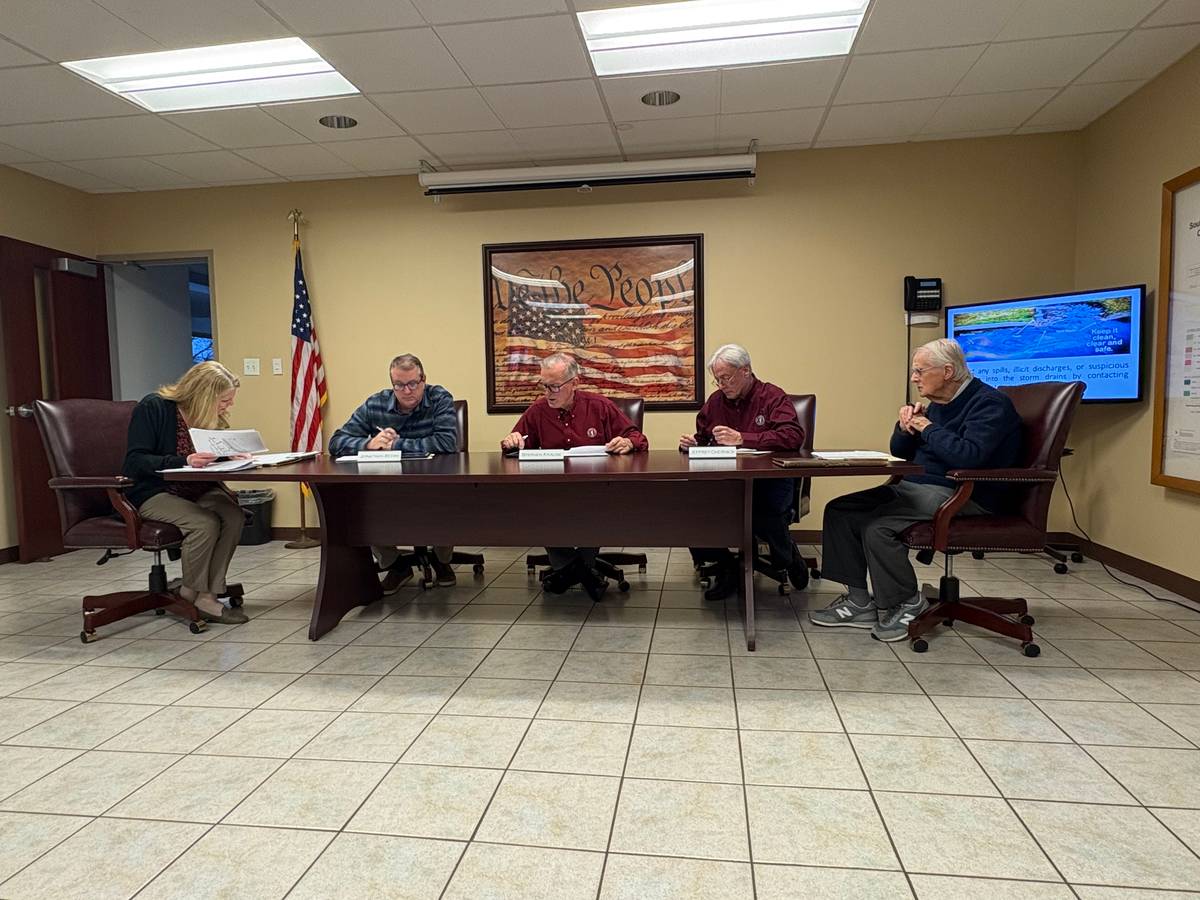
The City of Lebanon Authority Board meets at 2311 Ridgeview Road, Lebanon, on the second Monday of each month at 3 p.m. The next meeting will be Monday, Oct. 13. These meetings are open to the public and do not require registration.
Questions about this story? Suggestions for a future LebTown article? Reach our newsroom using this contact form and we’ll do our best to get back to you.
Support Lebanon County journalism.
Cancel anytime.
Monthly Subscription
🌟 Annual Subscription
- Still no paywall!
- Fewer ads
- Exclusive events and emails
- All monthly benefits
- Most popular option
- Make a bigger impact
Already a member? Log in here to hide these messages
Quality local news takes time and resources. While LebTown is free to read, we rely on reader support to sustain our in-depth coverage of Lebanon County. Become a monthly or annual member to help us expand our reporting, or support our work with a one-time contribution. Cancel anytime.