
The Lebanon Valley Conservancy has demonstrated its sustainability through the collaborative relationships it has with its various partners over the past 25 years.
On Saturday, that partnership was on demonstration at the organization’s Sustainability Fair, which was part anniversary celebration, part educational and definitely fun for attendees who came to mark the occasion during the four-hour event at Coleman Memorial Park, Lebanon.
“We have some fun activities for the kids but there’s stuff for everyone,” said Abigail Harvey, executive director of TLVC.
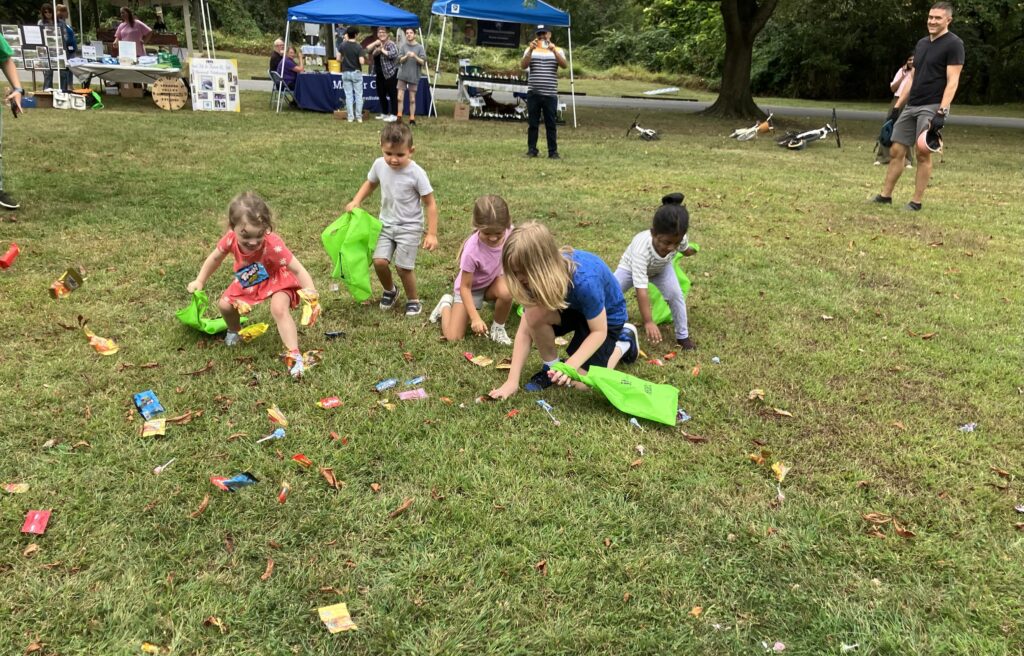
There was tiny pumpkin painting, face painting, pine cone birdhouses, a bounce house, and a candy scramble for the children.
Read More: 25 in ’25: Lebanon Valley Conservancy poised to celebrate silver anniversary
Fun merged with education for the kid’s activities.
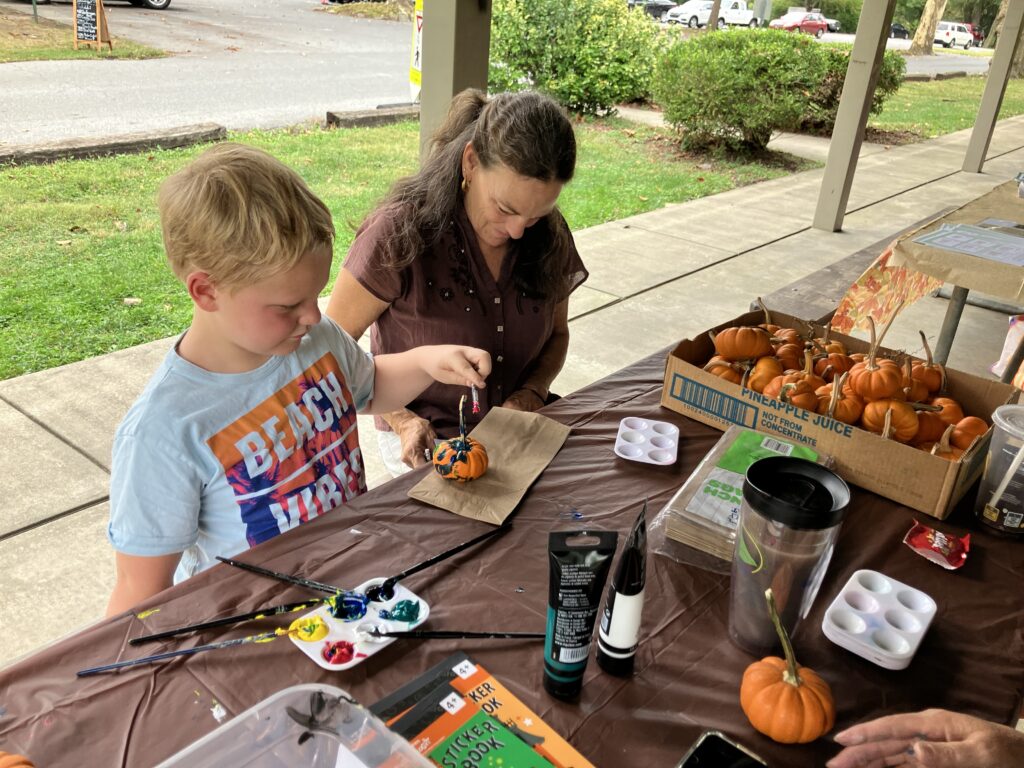
“So we have some earth-friendly activities for the kids over there. They can paint pumpkins to take home. They can make pinecone bird feeders with pinecones, nut-free butter and birdseed. And then we have some handouts and coloring books from the Greater Lebanon Refuse Authority,” Harvey said.
“And then my small business, Fount and Fill, has a small donation center for hard to recycle items, information about plastic and how to reduce and reuse plastic. And then we also have our poster contest over there. So that’s kind of like a creative station for the kids.”
For kids of all ages were educational displays from conservancy partners, including the Quittapahilla and Swatara watersheds, Penn State Cooperative Extension’s Master Gardener program, Recycle Bicycle, Greater Lebanon Refuse Authority, and the Lebanon County Conservation District.
“I definitely think that it’s always going to be collaboration, collaboration, collaboration,” Harvey said. “The more we can do with our community partners to bring awareness about the work that we do and harness each other’s networks to create more volunteer opportunities and get more work done, I think that’s definitely what everybody’s focused on moving forward because there is so much to be done.”
One sustainable-based display was sun-centric.
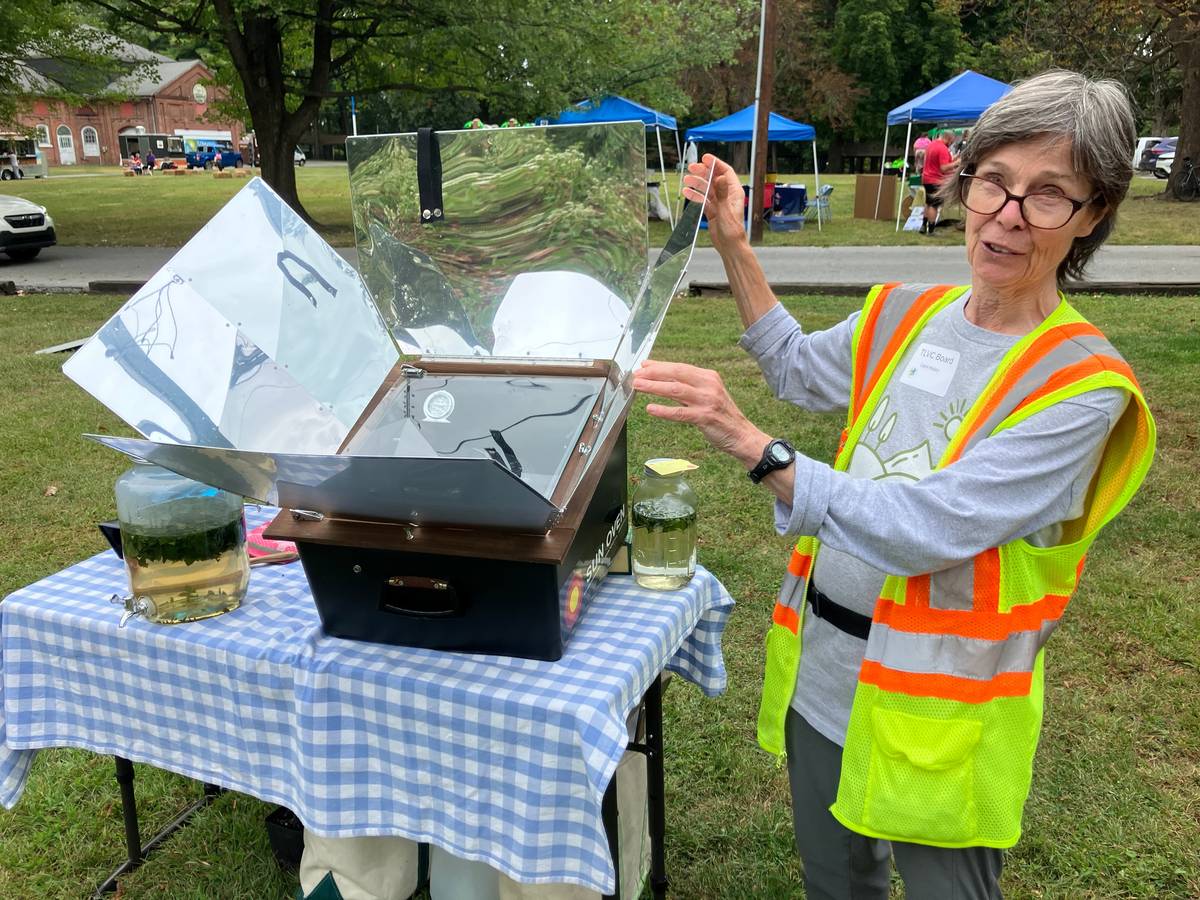
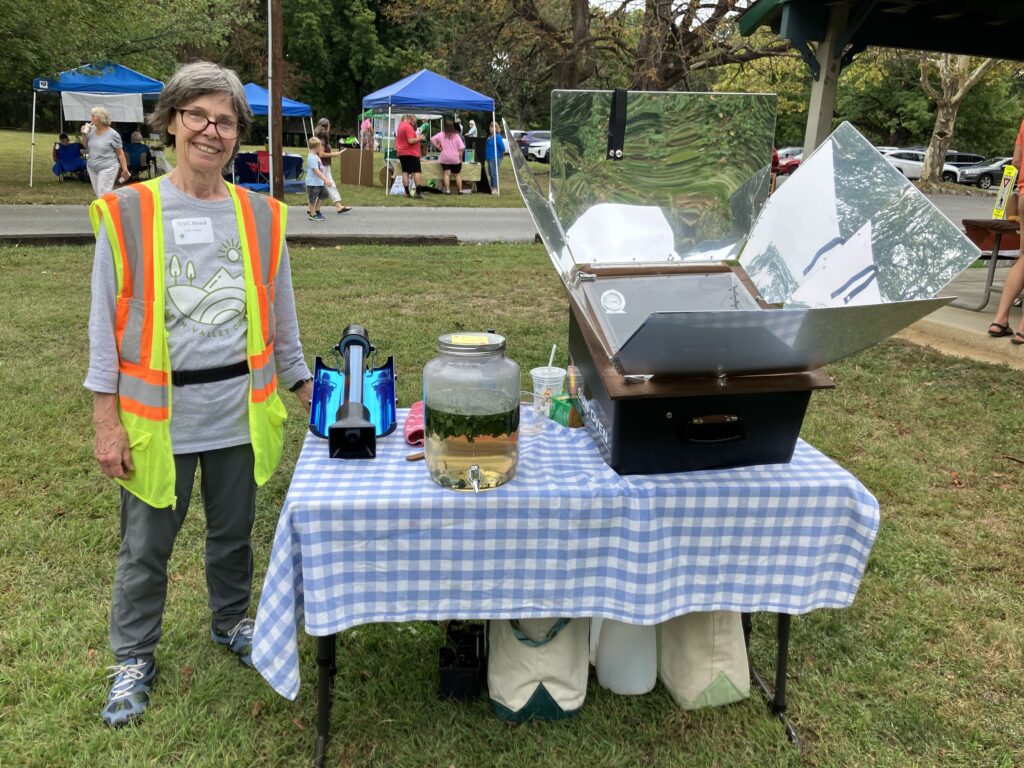
“We also have a display of a solar oven. We don’t know if we’ll be able to actually serve anything out of it today because the sun is kind of hiding behind the clouds. But it’s a cool demonstration of how it could work,” Harvey said. “And we also have some sun teas over there, which are to demonstrate how you can use the sun for energy.”
TLVC vice president Carol Hickey was attempting to cook potatoes and green beans in the sun oven, which has solar-like panels around a black kettle-like device with a clear cover. The sun rays heat the device that then cooks the food is the basic principle of using a sun oven, according to Hickey.
“My friend used it for a bunch of years and she actually cooked meals in it. You can make rice, potatoes, vegetables, and meats,” Hickey said. “It’s still going to take longer than just sticking on a normal stove, but one of the advantages is that, presumably, you could put this out, walk away, do other things, go someplace, come back, and it’s cooking.”
Hickey noted it does require some attention, however, because you are “supposed to keep orienting it so that its angle is perpendicular” to the sun.
“It gets really hot and hot would get very hot,” she said. “You wouldn’t want to touch it with your hand. It would be like a house oven.”
Another sun energy-fueled product was a device that looked nothing like a tea kettle but works on the same principle. The device has mini solar-like panels along the side and can boil up to two cups of water after sitting in the sun.
“This thing is called a sun kettle,” Hickey said, adding that you know the water is hot when steam comes out a small hole at the top. “But this thing is rather new.”
Hickey said there are other advantages to having a sun oven and sun kettle.
“Obviously you’re not using any fuel or electricity to do it. You can take it with you wherever you go. This could be used for camping. This thing (kettle) comes apart and that keeps it warm and then you can carry it,” she said. “So for camping or people who live where there’s no grid, you know, that’s out in New Mexico and Arizona, and those people use this a lot.”
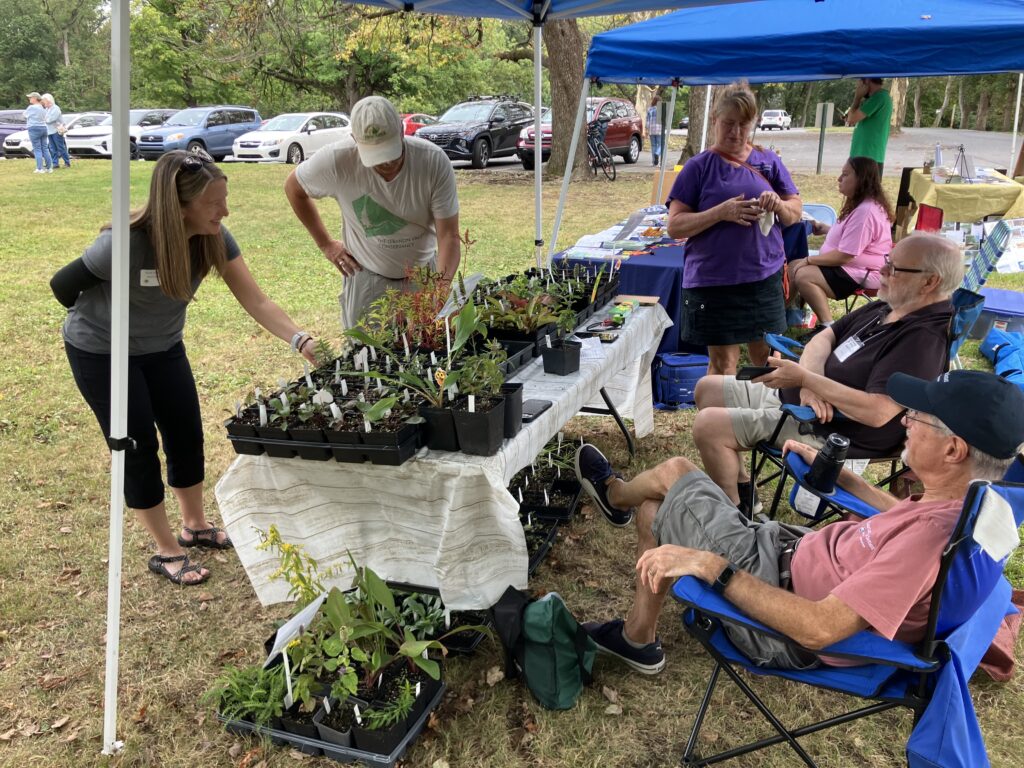
Near the sun oven and kettle display were volunteers from the Master Gardener program, an initiative of Penn State Cooperative Extension. There, workers were distributing native plants to anyone who has a green or inspiring green thumb and wishes to beautify their world.
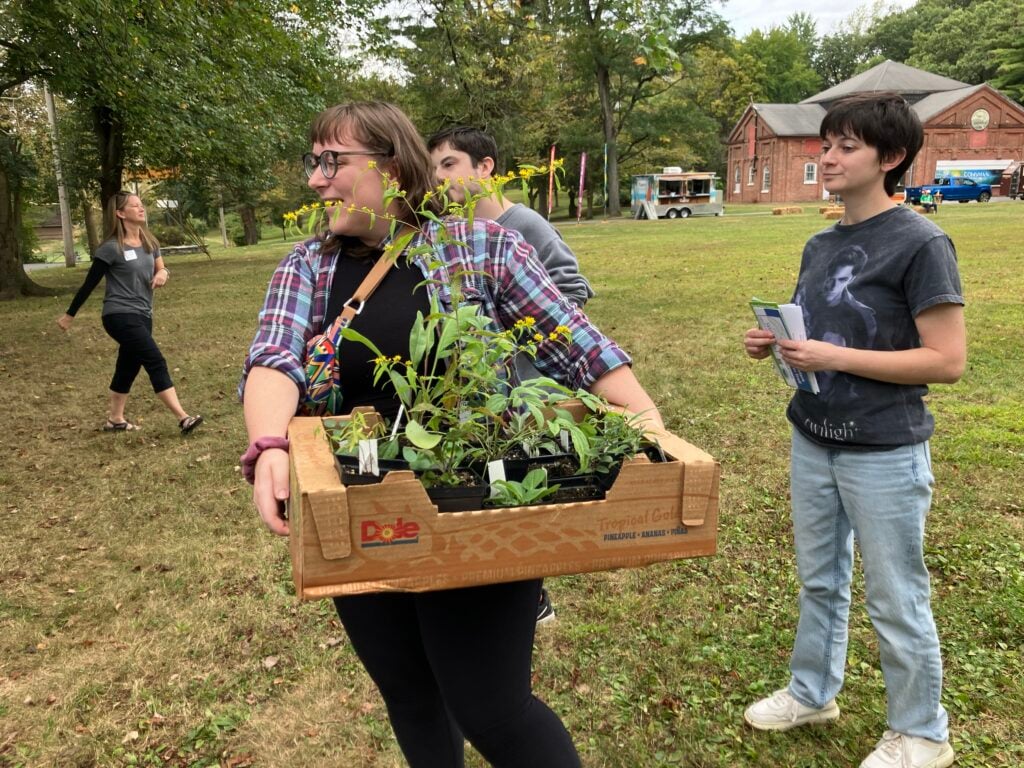
Hannah Hartman of Campbelltown was smiling from ear to ear as she carted a boxful of native plants to place around her home.
“I’m going to plant them where I see a lot of pollinators in my backyard and encourage more pollinators to come to my yard,” said Hartman, who had a variety of small plants in an open-top box. “I’m most excited about the milkweed. It’s really good for butterflies. It’s one of the host plants, I believe, of the monarch butterfly.”
LebTown asked why putting in native plants is important for her world and the community in which she lives.
“That’s a really great question. I don’t know if I have a really good answer for it. I mean, I love to see pollinators. We have a lot of birds. We’re birdwatchers, so we really like to see them,” she said. “And it’s kind of amazing to see the diversity of life that you can get when you try and support it on your property. We like to watch them just to watch them, but, you know, we’re providing food and habitat for animals that might be losing it with development and human encroachment.”
It was noted that Homegrown National Park is a nationwide initiative to “get everybody to plant native plants.” On their website you can add your home and record how much space you have in your yard devoted to native plants.
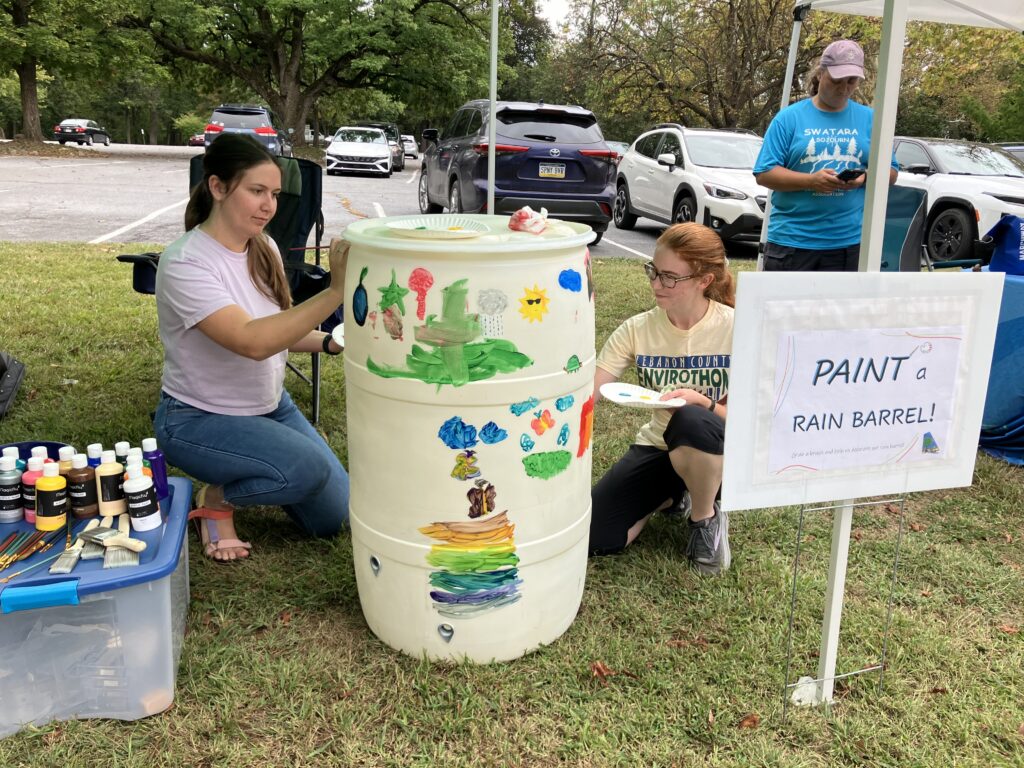
To help water those plants, staff of the Lebanon County Conservation District were accepting names to give away a free 55-gallon rain barrel. To beautify the barrel, guests, including many children, were encouraged to paint it.
“You actually drill a hole in a downspout. I mean, if you needed to, you could cut it off, but it comes with a downspout diverter. So you drill a hole and then you connect it with that,” said LCCD watershed specialist Katie Hollen.
Next to the LCCD booth were Swatara and Quittapahilla watershed booths, where free literature was being given to visitors. Michael Schroeder of the Quittapahilla Watershed Association was using garlic powder and a spray bottle to show how things can be swept into waterways when it rains.
One volunteer noted the demonstration draws in the children and then members discuss with the parents how those rain events can harm local waterways.
As 2025 winds down and the conservancy’s 25th anniversary year comes to an end, there are a couple additional goals to be achieved this year.
Harvey said that the organization will plant around 300 trees in two locations while Courtney Reimann, TLVC’s land protection director, said two farms totaling several hundred acres would bring the total amount of land conserved through the agency since its founding to around 1,500 acres.
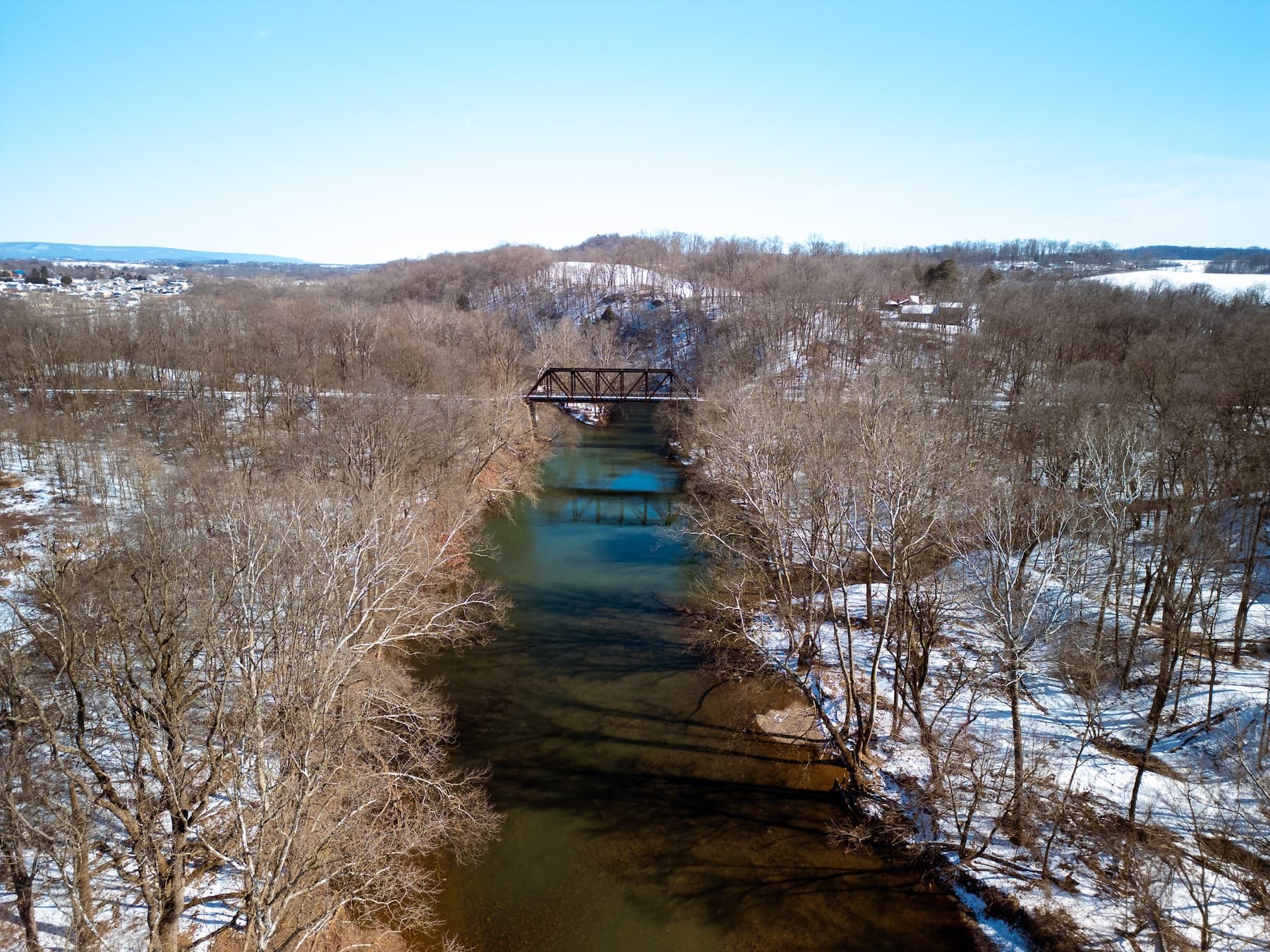
“Everyone talks about how unique this area is and picturesque and we like the farmland and trying to keep it that way instead of losing farmland to distribution centers and warehouses,” said Reimann about why individuals should consider conserving their land. “There’s peace of mind that their farm – that maybe their parents started or their grandparents – is going to stay the same way. We also try to add forested areas onto other areas like state parks or game lands or Governor Dick (Park) to extend those woods so that the animals have a place to roam freely.”
Questions about this story? Suggestions for a future LebTown article? Reach our newsroom using this contact form and we’ll do our best to get back to you.
Support Lebanon County journalism.
Cancel anytime.
Monthly Subscription
🌟 Annual Subscription
- Still no paywall!
- Fewer ads
- Exclusive events and emails
- All monthly benefits
- Most popular option
- Make a bigger impact
Already a member? Log in here to hide these messages
Our community deserves strong local news. LebTown delivers in-depth coverage that helps you navigate daily life—from school board decisions to public safety to local business openings. Join our supporters with a monthly or annual membership, or make a one-time contribution. Cancel anytime.