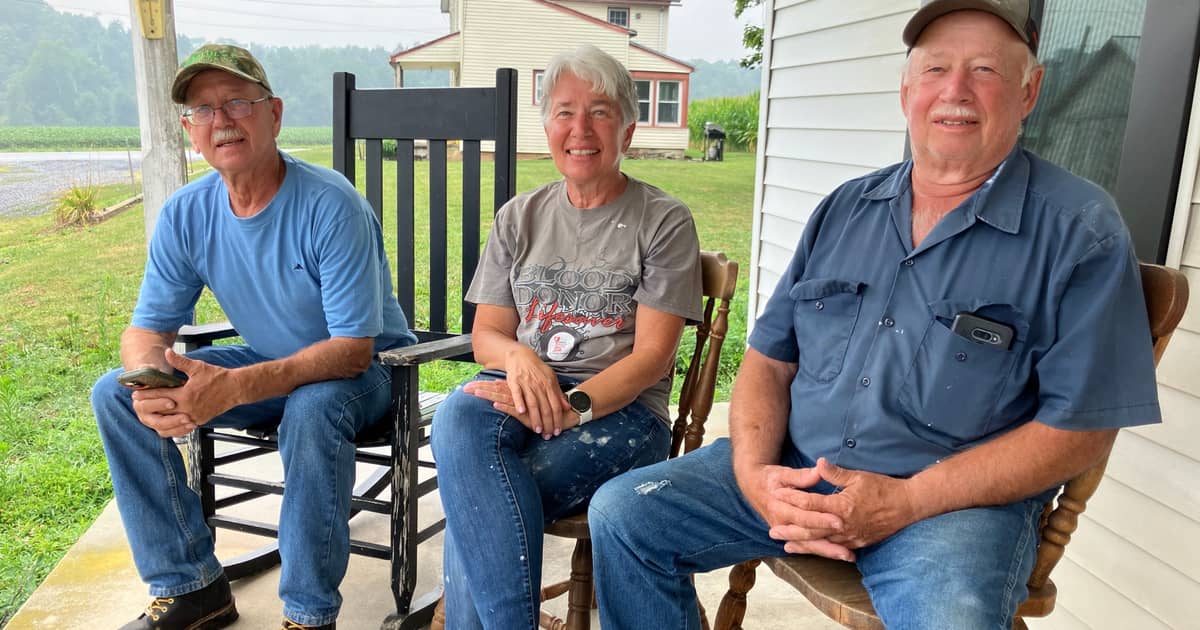
For David, Daniel, and Joann Hostetter, their family farm is a treasure trove of fond memories from their youth.
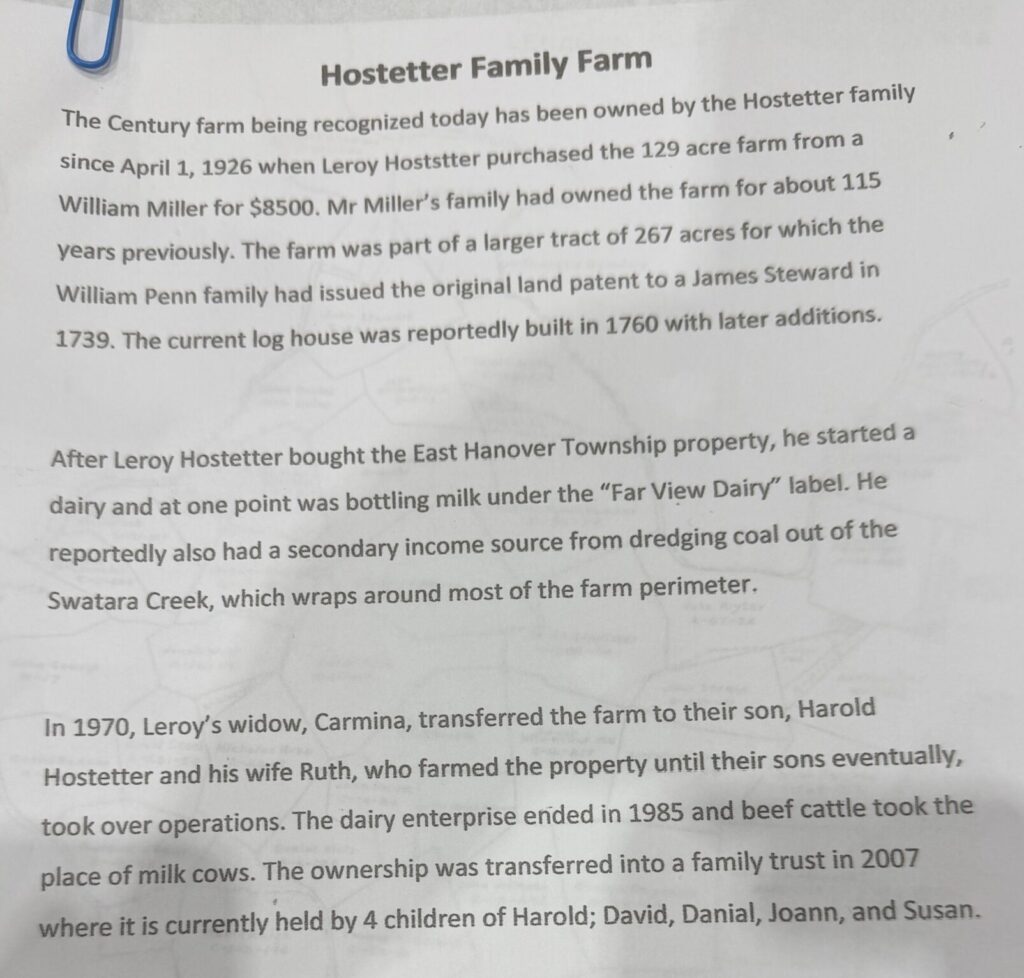
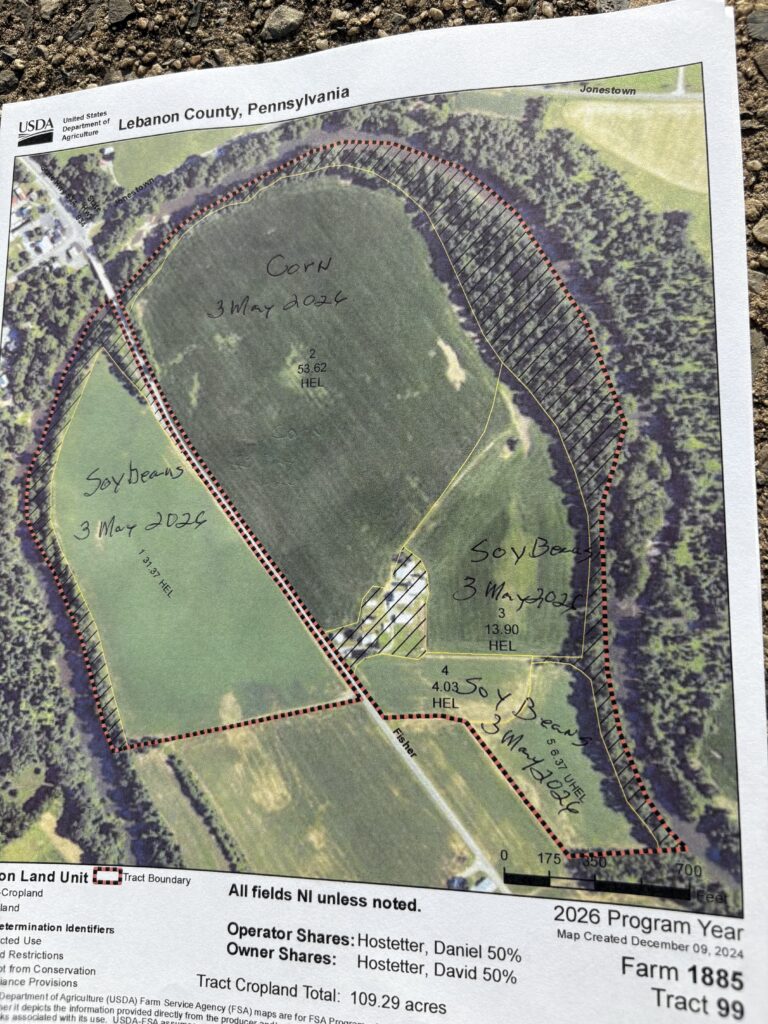
Their 129-acre property was recently recognized as a Century Farm during the annual farmer’s breakfast at the Lebanon Area Fair. The property, which has 110 tillable acres, is in East Hanover Township, just south of Harper’s Tavern on state Route 934, and was founded by grandfather Leroy Hostetter on April 1, 1926, according to county tax records.
To qualify as a Century Farm, a property must be owned by the same family for 100 years. The award was presented by the Lebanon Valley Chamber of Commerce’s Farm/City Committee at the breakfast meeting during the 70th annual Lebanon Area Fair.
“Dan and I used to get out of the woods and play on the vines down there,” 72-year-old David said, referring to the nearby Swatara Creek, which runs by their farm on three sides. “We had a heck of a time here on the farm.”
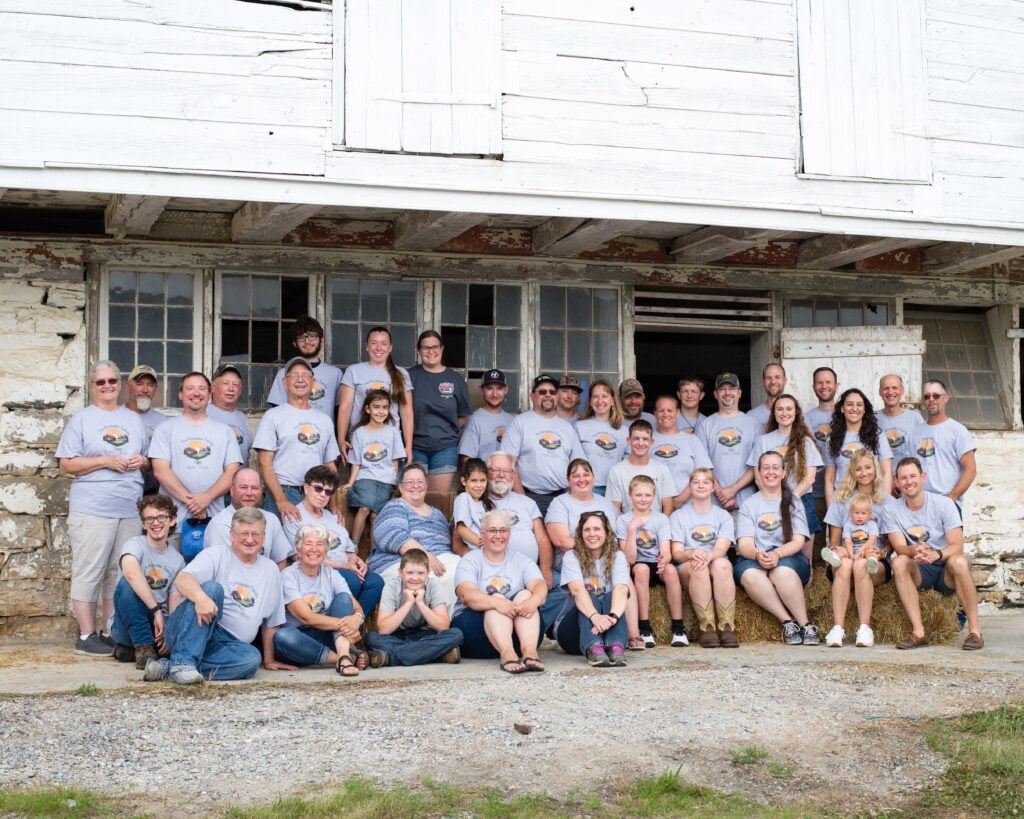
There was also arrowhead hunting around the property.
“That is amazing how you could go walking along, and you’d find three or four arrowheads in no time, and then sometimes you’d go out and you’d find nothing,” David said, noting his and Daniel’s arrowhead collections total in the hundreds each.
“They enjoyed that a lot more than I did,” Joann said. “I wasn’t patient enough to stand and walk and stare (at the ground).”
Spending time on the Swattie was also a favorite pastime activity.
“I wouldn’t say we swam because I didn’t learn how to swim till I was in my late teens, but we played in the creek, we walked in it, we built rock things, we did all kinds of stuff. I laid out on the little beaches. It was so fun. We just enjoyed being here,” Joann said.
There was also plenty of work to do on the dairy farm, which was also owned by father Harold Hostetter. Today, the farm is a crop operation that grows such market commodities as corn and soybeans.
Part of the success of the farm over the past 100 years is the work ethic of the Hostetter family, a characteristic instilled in its members by their grandfather who was a businessman and entrepreneur as well as a farmer.
Leroy’s grandchildren said he owned a threshing business and milk bottling operation, butchered animals, and dredged coal from the Swatara Creek, the latter bringing income that allowed him to pay off the mortgage.
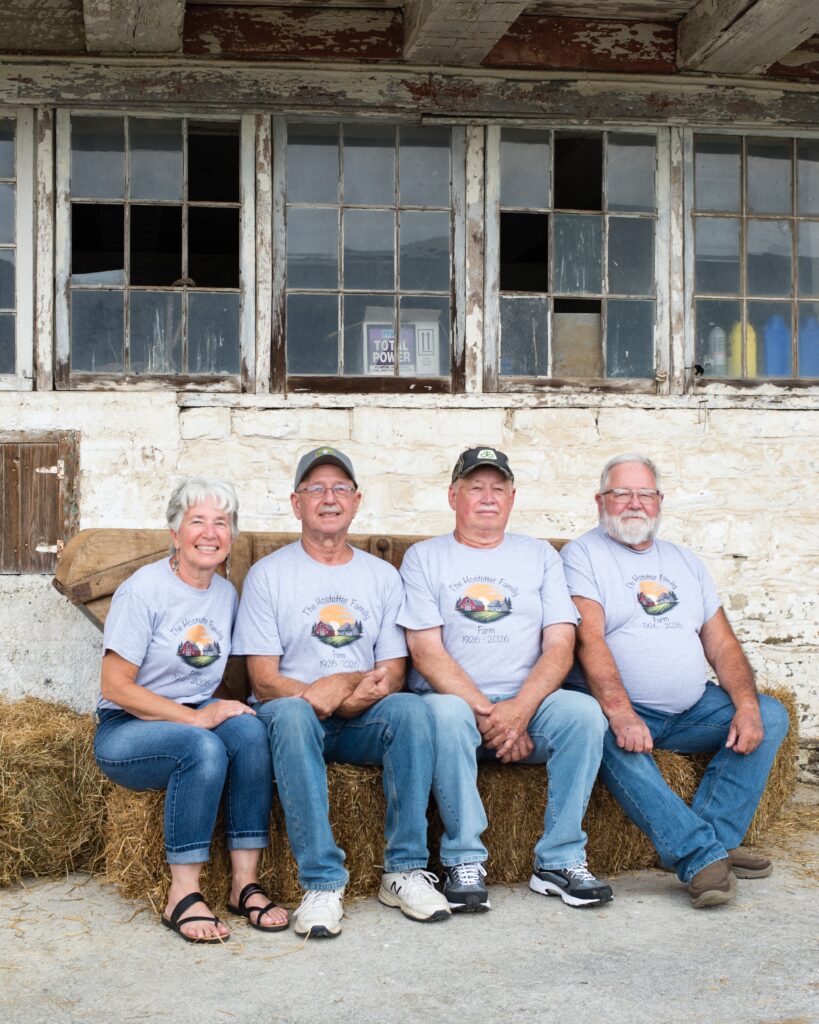
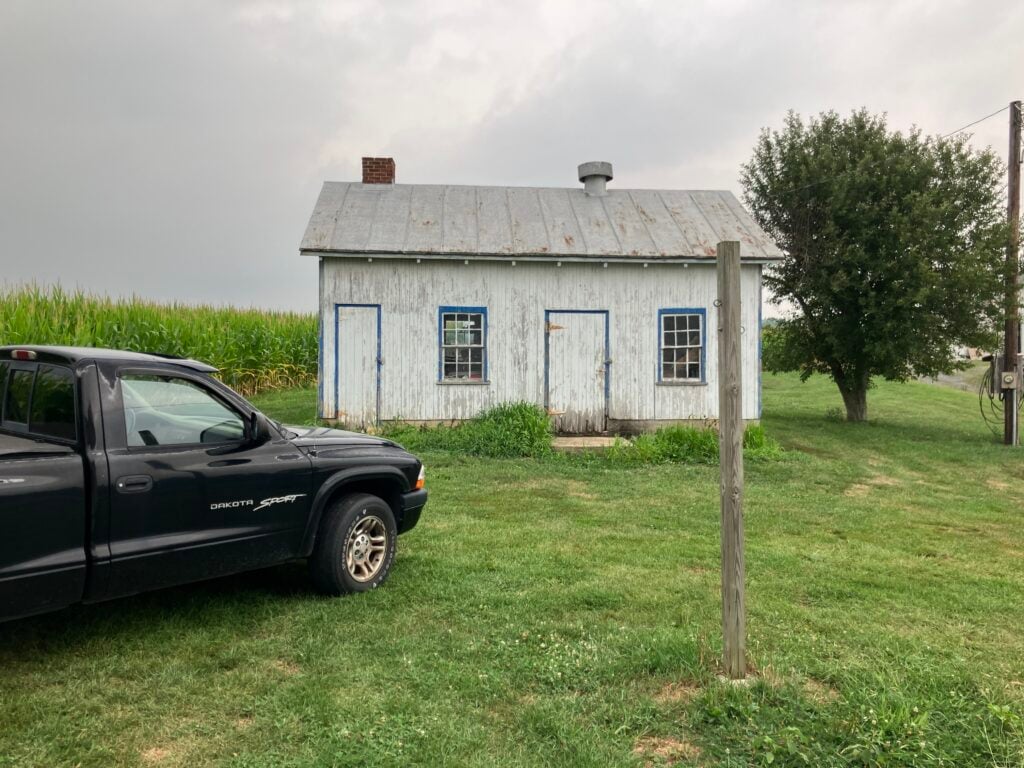
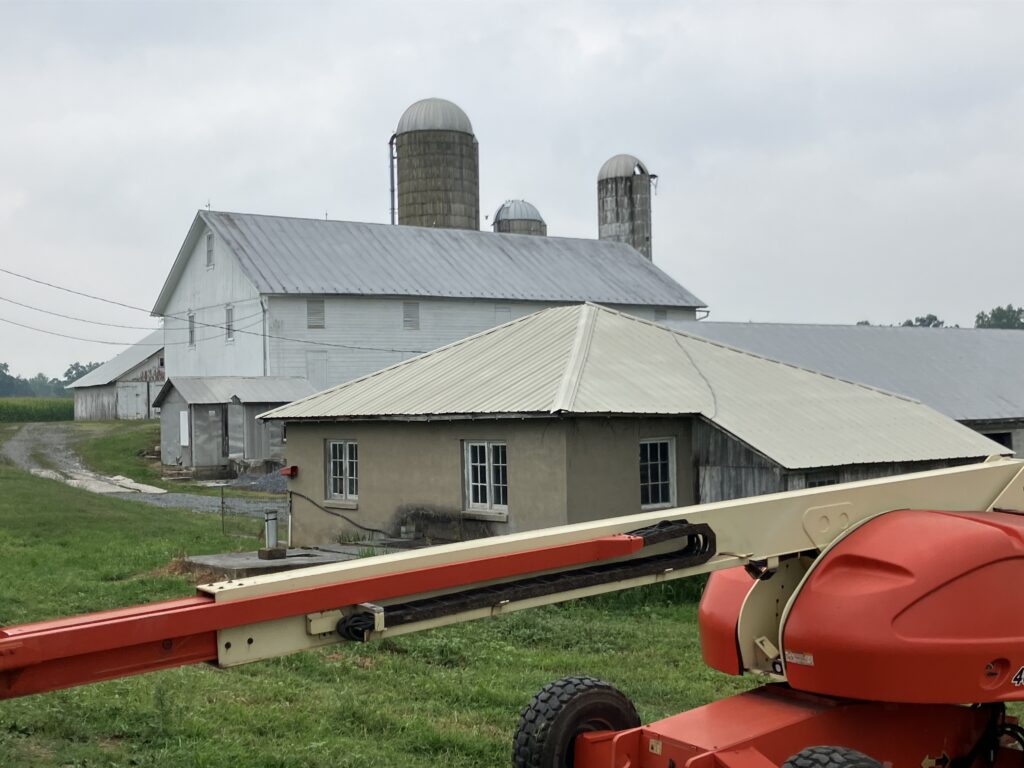
“That building there, my granddad built that for the milk bottling operation,” David said, pointing to a building to the rear of the farmhouse. David noted that the family found old milk bottles from that operation, which dated to the early ’30s.
During the breakfast meeting, David and Daniel highlighted Leroy’s coal dredging business.
“They dredged coal off the creek, and washeries up in Schuylkill County lost a lot of coal. Their washeries were really bad, and a lot of coal floated down the creek,” David said. “My granddad dredged coal, and a number of different people dredged coal off the creek. They had barges that they set on the creek.”
The dredged coal would be placed on barges and sent down the Swatara to be sold to make electricity in Middletown, Dauphin County, according to Daniel.
“So in addition to this milk and coal story, my grandfather bought the farm in ’26 and got out of a coal-dredging business in ’30 because of the Clean Water Act. Whatever you took out (of the Swatara) had to stay out,” said Daniel at the breakfast meeting. “They only wanted to capture the pea (coal) and larger coal. He paid the farm off, $8,500, in four years during grinding poverty. This was a terrible time, of course, the Great Depression.”
LebTown asked the siblings what it means to have the farm they grew up on remain in the family 100 years after it was first purchased by their grandfather. Their father Harold ran the dairy farm until 1975 and it remained in operation another 10 years. They also used to grow wheat and tobacco with David noting that he was the first farmer in the area to start growing soybeans.
An added bonus of owning a farm they grew up on is those childhood memories – both good and bad – experienced over the years.
Snowdrifts that piled high in winter aren’t the fondest recollection, but memories of sled riding on the nearby hills conjure a smile. There are also pleasant thoughts about Ruth’s (their mom’s) vegetable garden just outside the farmhouse and her various uses of hickory nuts when baking.
“We had a big garden right down here,” Joann said, pointing to an area behind the main farmhouse. “In the summer we were always – I was always sitting here – doing peaches or green beans or something.”
“She (Ruth) loved to make stuff with hickory nuts. And you know, there ain’t much meat in a hickory nut, but she’d sit and crack them,” David said. “We went down along the Swattie and found them and picked them up. … She used to crack them and she’d make cookies with them and all sorts of stuff with hickory nuts.”
Then there’s the Tropical Storm Agnes flood in 1972, an unforgettable, once-in-a-lifetime weather event.
“I never saw anything like that. I mean, I had no idea water could move macadam right off the road,” Joann said.
“I had a rubber raft and we were paddling around and we didn’t get out in the rough water, but we were paddling around in the water out here in the field,” David said, adding the creek came up on the west side of Route 934 from their property between 12 and 14 feet. “I was working at Agway in Lebanon at the time, and everything was flooded in Lebanon. I was helping dad milk and we were watching the fence post disappear. The water was coming up, and the fence post was high but the water kept coming up. … It was a tremendous thing.”
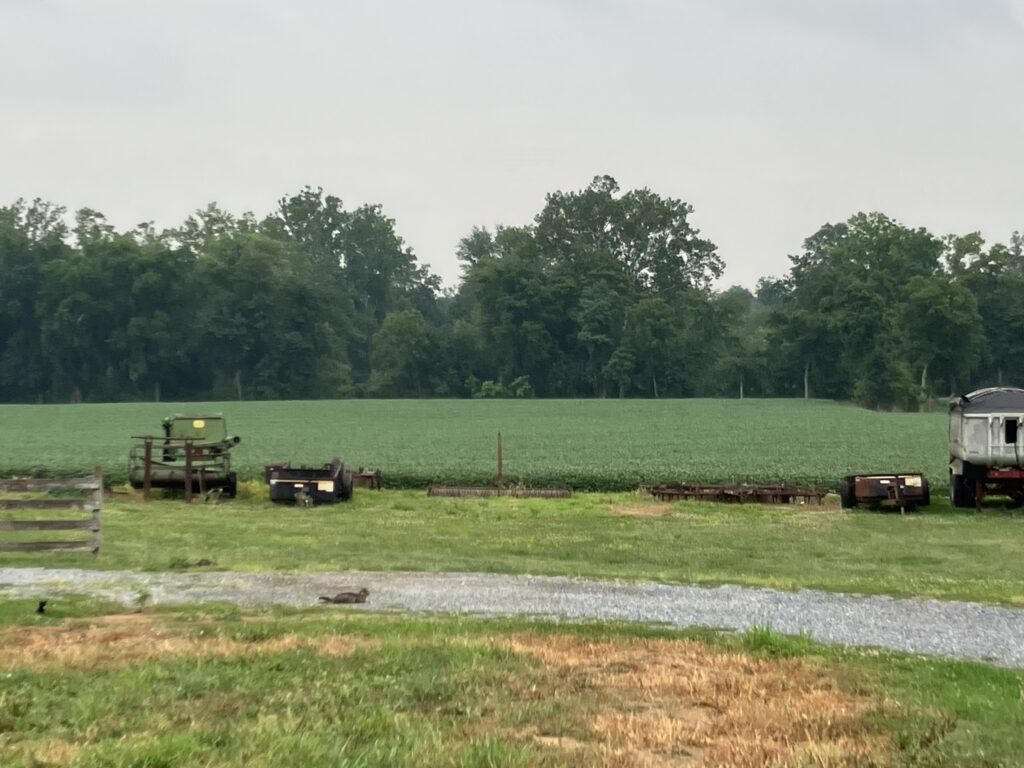
Today, the family is remodeling the farmhouse, which is a log home first built in the mid-1700s, is surrounded by fields of corn and soybeans.
“Well, I was born in the house. My dad was born here in 1930 and I was born here in 1960,” Joann said. “I was the only one of the five and I was the youngest. So, I love it here. I love being outside. They (her brothers) probably got sick of me. I followed them everywhere,” she added with a laugh.
Questions about this story? Suggestions for a future LebTown article? Reach our newsroom using this contact form and we’ll do our best to get back to you.

Join our community of local news champions.
Cancel anytime.
Monthly Subscription
🌟 Annual Subscription
- Still no paywall!
- Fewer ads
- Exclusive events and emails
- All monthly benefits
- Most popular option
- Make a bigger impact
Already a member? Log in here to hide these messages
Strong communities need someone keeping an eye on local institutions. LebTown holds leaders accountable, reports on decisions affecting your taxes and schools, and ensures transparency at every level. Support this work with a monthly or annual membership, or make a one-time contribution. Cancel anytime.