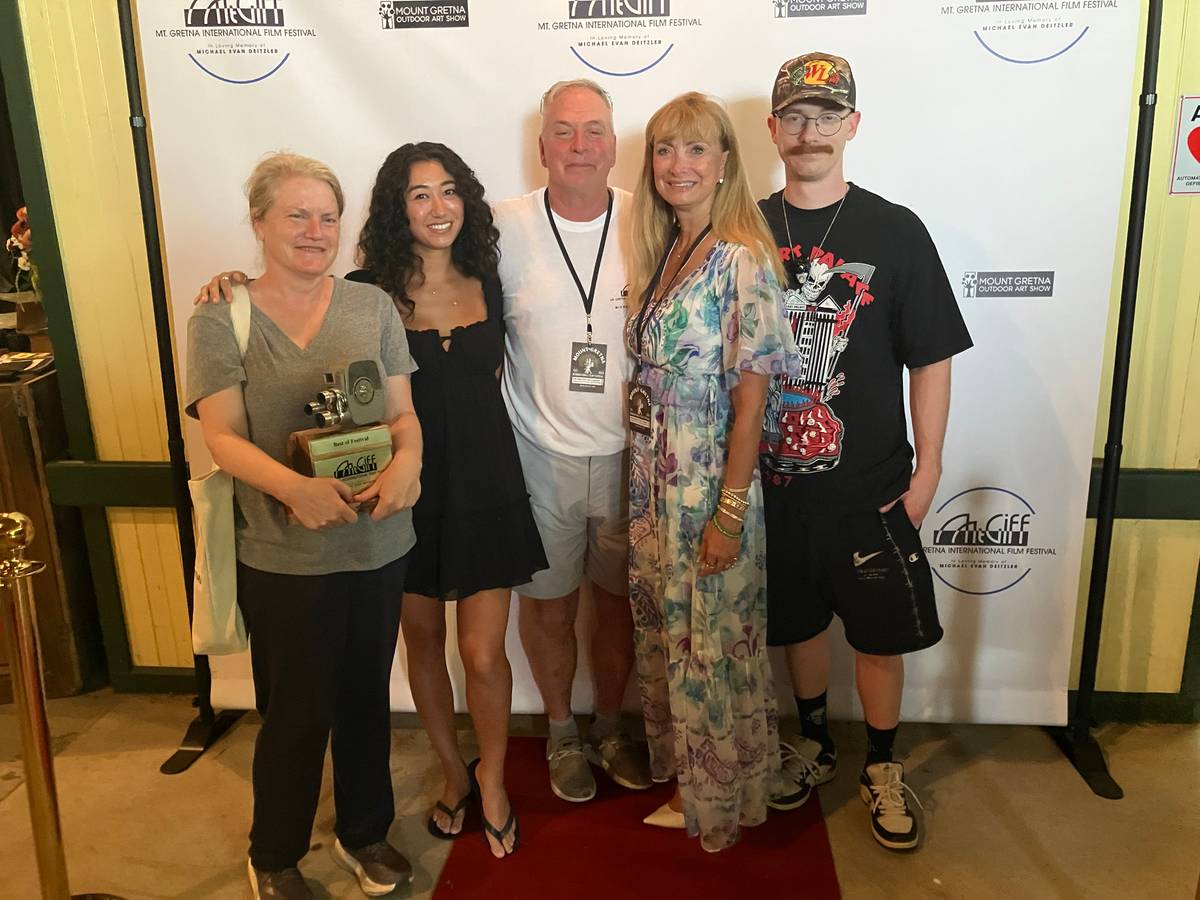
A comedic short film that humorously depicts the difficulties of the audition process was named Best in Show at the second annual Mount Gretna International Film Festival.
Syracuse filmmaker Kara Herold’s “The Callback” examines the highs and lows of a would-be actress facing one rejection after another on the road to having a Hollywood career.
For Herold, the short film, which won the festival’s “Vita Maxima” (Best in Show) award, is somewhat biopic since she had her own short-lived acting career. The two-day film festival was held in conjunction with the 51st annual Mount Gretna Outdoor Art Show this past weekend.
Read More: Lebanon County shines at second annual international film festival in Mount Gretna
“I was an actor myself and I think I have an idea of what it would be like. I did a lot of regional theater as a child, and I wanted to be an actor (full-time),” said Herold. “But then I realized what little control I would have, so that’s why I then went into filmmaking – to write my own stories.”
The 14-minute film balances live action with animation to create a colorful palette of the lead’s journey through what’s described as a “comedy about following a dream into a waking nightmare.”
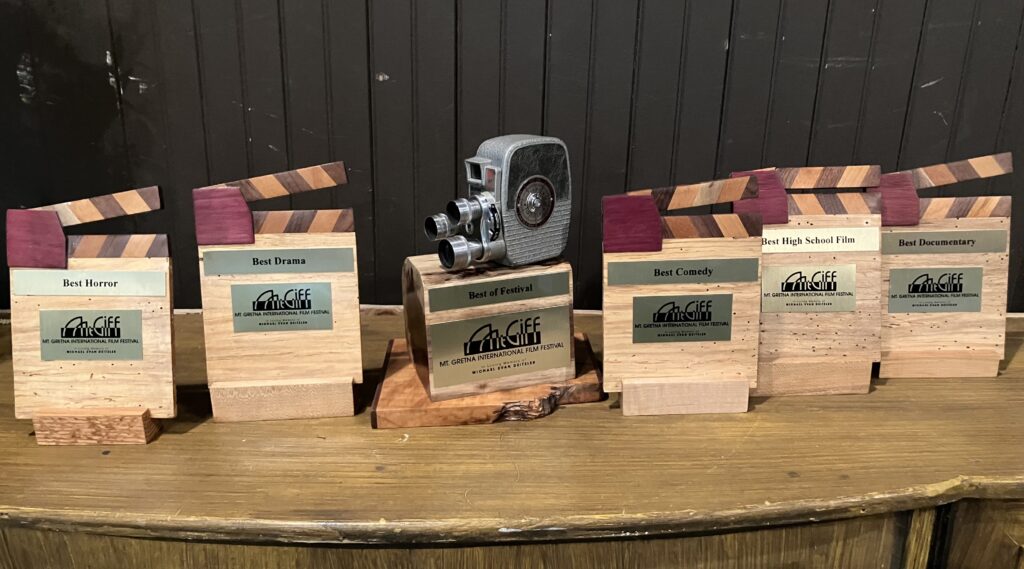
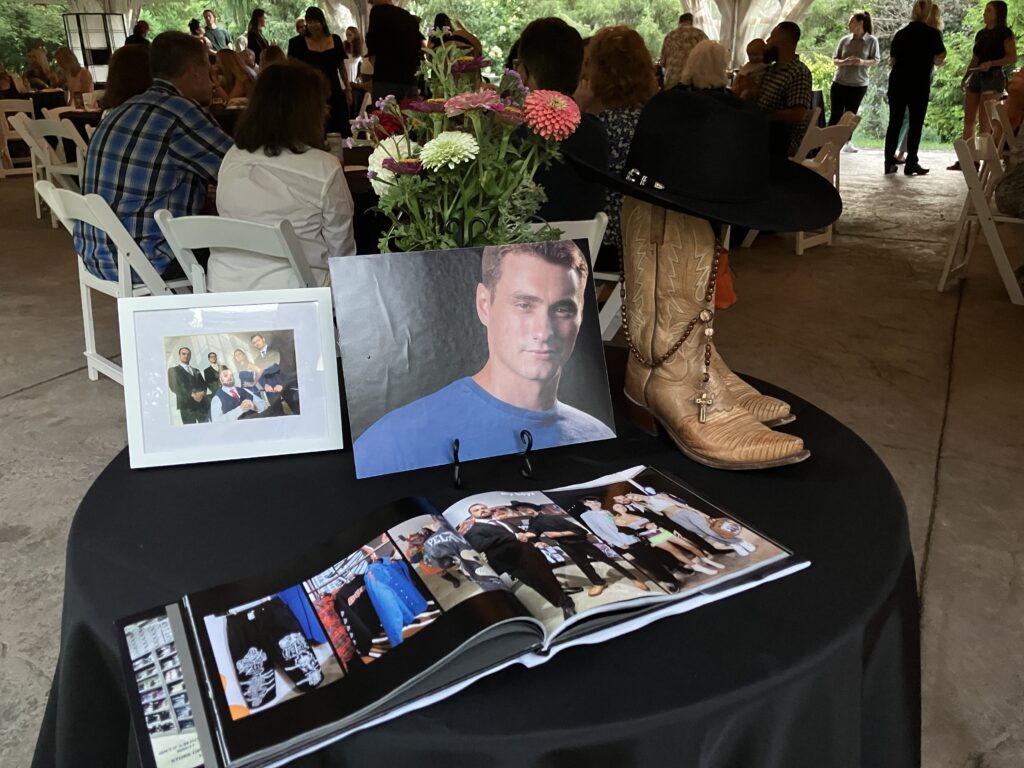
Forty-one short films across five categories – drama, horror, comedy, documentary and high school – aired in the Gretna Theatre during the festival, held in honor of Michael “Evan” Deitzler, an actor/director who died at age 30.
“A woman named Lisa McElroy was my collaborator and she actually co-wrote this with me, so she should actually share this writing award with me,” Herold said. “She did all of the illustrations and I animated her illustrations. The idea of the animations was to bring the interior life of the character alive.”
Unfortunately, the film is not online for LebTown readers to screen since Herold’s work is touring on the film festival circuit. It has been featured in numerous U.S. and international film festivals and has more showings before it can be aired.
“It won an award at the Rochester Film Festival, where it won Best of Fest, and it won the Director’s Choice award at the Thomas Edison Film Festival, which is in New Jersey,” Herold said.
The movie has legitimate laugh-out-loud moments, to which Herold said she’s at a loss as to why audiences find it funny. The ending visual, which LebTown won’t spoil for readers, is a visual treat as the dream of an acting career does become somewhat of a waking nightmare for the protagonist.
“Most of my films are comedies,” said Herold. “I guess for most people who do comedies it’s a way of interacting with people. In real life, I am very serious, so I don’t know. Maybe it’s because my parents are so funny and they have such a great sense of humor.”
The film festival upped its game in year two by expanding to two days and nearly doubling the number of aired entries. Film festival director Claire de Boer said 82 films were entered, with four Lebanon County entries, nine international films, and the rest coming from around the U.S.
Read More: Mount Gretna Film Festival honors film shorts, memory of area actor/director
“It was a tough process, but I’m pretty happy with the process that we designed. There were three tiers,” said de Boer. “The first tier involved all of our volunteers. So 32 screeners who just watched every film to say, ‘Yes, no, or maybe.” Then the highest scores were passed on to the next tier of judges. That’s six judges all with judging or with filming experience.”
The onus was on those judges to select the top three films in each category, as well as the Craft Awards, which celebrate filmmaking in a variety of creative categories.
“They’re either filmmakers or they’re film critics or they’re film professors,” added de Boer. “And those six did very rich, qualitative discussions about the films and selected them. Then they were passed on to our film consultant. He’s a veteran film festival director, and he pretty much gave the final approval.”
Additionally, the maximum length of film entries this year was raised from 5 minutes to 15. She believes that may have impacted the number of entries this year.
“It accessible for many more filmmakers,” said de Boer, adding it may have influenced the international category as well, which jumped from one entry in 2024 to nine this year. “Maybe it’s just because we’re slowly getting our name out there.”
A bonus for filmmakers was the addition of presentations from California-based filmmaker Jay Rosenblatt. In addition to showing two of his Oscar-nominated films, Rosenblatt conducted a breakfast meeting on Sunday morning informing fledgling filmmakers how to navigate the film festival circuit.
“I went through the reasons why festivals are important and also how to navigate them and how to be able to decide which festivals to apply to and to build it into their budgets because it gets very expensive,” Rosenblatt said. “And I talked about all the items they will need to have ready and also a bit of a strategy of top tier festivals, middle tier, regional, local, niche festivals, and all those different categories.”
Rosenblatt, a film school instructor, said he gave the same advice to festival attendees as he does his students.
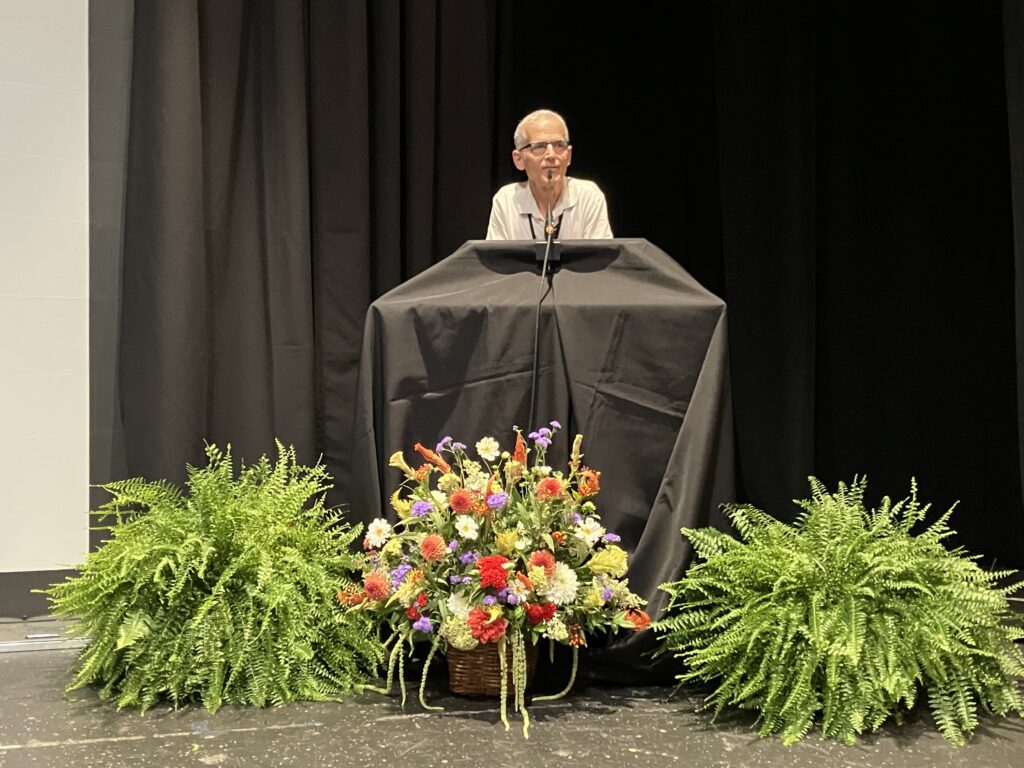
“I think what I used to say to all my students, and I said to them, I think, within the context of talking about this was, persistence, don’t give up. Don’t let anything distract you. If you believe in your project, you’re the best shepherd of your project,” Rosenblatt said. “Distributors are not gonna do what you’ll do for yourself. So just persist, stay with it, and hope for the best, you know, to control everything.”
Day one of the festival closed with the airing of Rosenblatt’s two moving films, “When We Were Bullies” and “How Do You Measure a Year?” “Bullies” recalls an episode where his entire fifth-grade class bullied one of their fellow students, while “Year” tracks his daughter annually on her birthday from age 2 until she turns 18.
Both are powerful films in their own right and can be viewed for a small fee on Rosenblatt’s website. After they aired, Rosenblatt conducted a Q&A session with festival attendees and spoke of the genesis for both projects.
“I started working on it (“Bullies”) and it just grew. It took over four years to make. I originally thought, I’ll say Dick, I didn’t call him that at the time, but just so you know who I’m talking about, I thought he would be at the end of the film somehow. But as I was making it, I just didn’t want to potentially re-traumatize him and didn’t really think the film needed that,” Rosenblatt said, explaining why he left the bullied victim out of his film.
Caught up in the COVID pandemic in 2020 and without a film in the works or in the editing process, Rosenblatt said he sought a way to pass the time while practicing his craft.
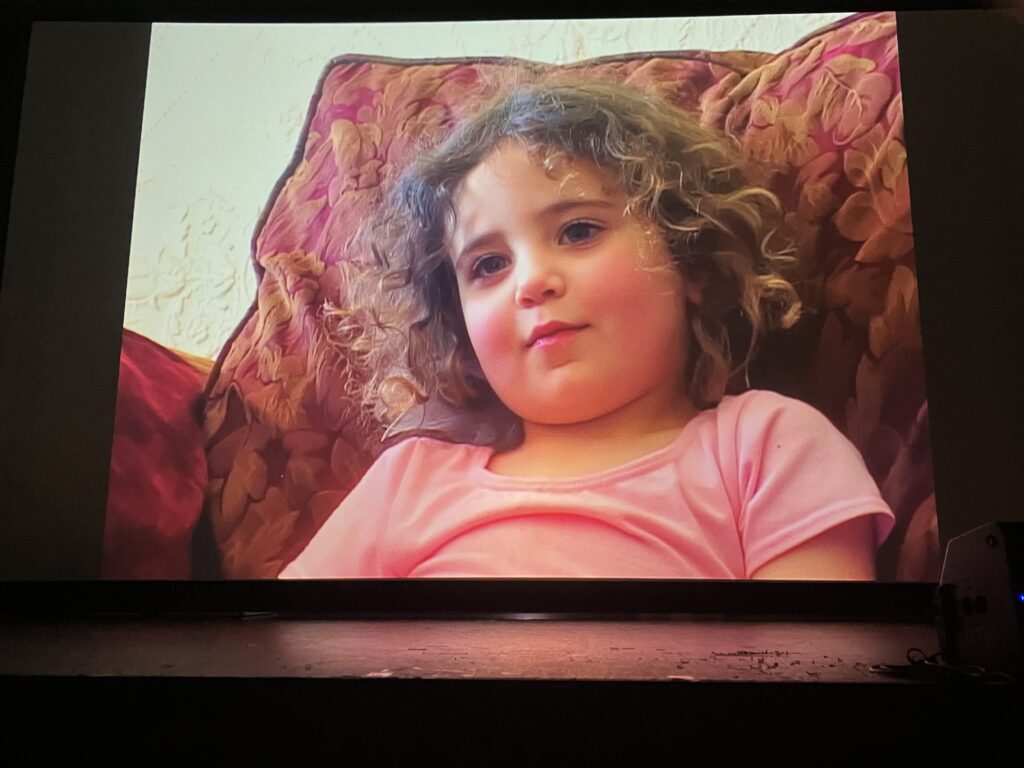
“I thought, maybe I should look at the tapes, the birthday tapes. And I purposely never looked at any of them. Mainly because I was a little worried that they didn’t actually come out because the camera I was using was an older camera,” Rosenblatt said. “When I saw that it came out and I watched each tape I thought, ‘I think there is a film here.’
“And even though it took 17 years to shoot, the editing went, for me, relatively quickly. In a few months, I edited the film, and it was the most enjoyable film to edit because just to watch her grow up was just amazing.”
Rosenblatt spoke of the power of time as demonstrated in the film.
“I think part of the power of that film is actually, we see this person go, we see time move in 29 minutes, and it’s just, I think that’s what kinda makes it special,” he added.
Several filmmakers spoke highly of the festival at its conclusion, noting they were planning to tell their colleagues to enter it next year. Rosenblatt told LebTown he was impressed that the fledgling festival was so well organized and called the hospitality among the best he has experienced at the many festivals he’s attended.
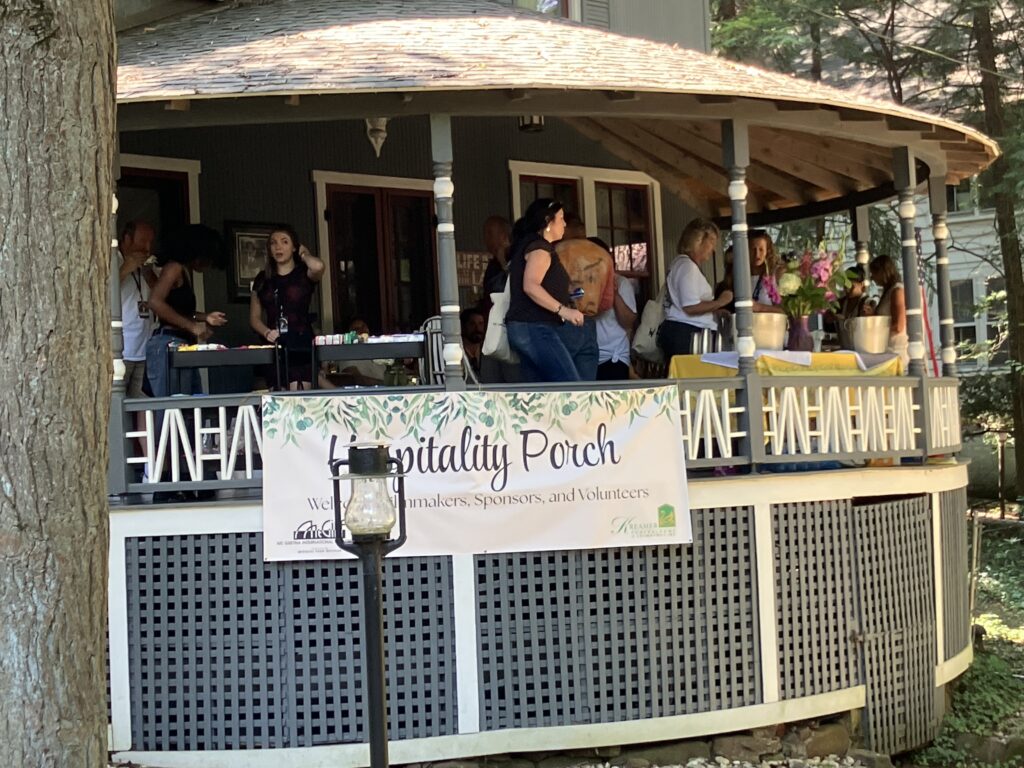
A reception was held for the filmmaker on Saturday evening at the Cornwall Inn. The Hospitality Porch provided refreshments and an opportunity for filmmakers to network.
Vicki Deitzler, whose son the festival is held in memory of, said the 2024 volunteers wanted it to return this year and she spoke highly of their efforts to make the 2025 edition a success for everyone involved.
She noted that the festival will be back for a third year.
“It takes an army to do this, and we have so many people sharing their talents to pull it together,” Vicki said. “It’s just an amazing team.”
The awards
Just like the Oscars, additional honors were given for those films that showcased the “best” acting, cinematography, directing, editing, sound design and writing as determined by the judges. To encourage attendee participation, one film was named audience choice winner.
The craft award winners by craft category, film name and film director are:
- Writing: “The Callback” by Kara Herold
- Cinematography: “Tiger” by Loren Waters
- Acting: “Sins of a Father” by Nuekellar “Nuek” Hardy
- Sound Design: “Iron Lung” by Andrew Reid
- Editing: “Noggin’” by Case Jernigan
- Directing: “Sage” by Max Blustin
The top winners in each film category are:
- Drama: “Iron Lung” by Andrew Reid
- Documentary: “Noggin’” by Case Jernigan
- Horror: “Lily” by Kate Siegel
- Comedy: “The Callback” by Kara Herold
- High School: “Judy Williams Henry: Goodwill Through Dance” by Olivia Wickenheiser
Several other awards were also presented.
- Human Spirit Award: “Abstract Tendencies” by Daniel Freeman
- Hometown Spotlight: “Goodbye Neverland” by Jeremy Kessler
- Audience Choice: “Bita Joon” by Sara Boutorabi
- Vita Maxima (Best in Show): “The Callback” by Kara Herold
Questions about this story? Suggestions for a future LebTown article? Reach our newsroom using this contact form and we’ll do our best to get back to you.

Join our community of local news champions.
Cancel anytime.
Monthly Subscription
🌟 Annual Subscription
- Still no paywall!
- Fewer ads
- Exclusive events and emails
- All monthly benefits
- Most popular option
- Make a bigger impact
Already a member? Log in here to hide these messages
You know us because we live here too. LebTown’s credibility comes from showing up, listening, and reporting on Lebanon County with care and accuracy. Support your neighbors in the newsroom with a monthly or annual membership, or make a one-time contribution. Cancel anytime.