Lebanon County’s story is America’s story. And America’s story is Lebanon County’s story.
On July 4, 2026, the United States will mark 250 years since the signing of the Declaration of Independence—a milestone known as the semiquincentennial. Here in Lebanon County, preparations are already underway for what promises to be a historic celebration of our nation’s founding and our community’s role in American history.
The Lebanon County America250 Commission has been working since spring 2024 to plan a countywide celebration that will bring our community together at the Lebanon Valley Exposition Center & Fairgrounds on Independence Day 2026. Plans include a free community picnic, enhanced fireworks display, readings of the Declaration of Independence, colonial performances, and recognition of local Revolutionary War veterans.
But the celebration extends far beyond a single day. Lebanon County residents have already begun creating lasting tributes to this milestone—from a stunning community mosaic featuring approximately 1,100 hand-crafted tiles to a patriotic quilt stitched by hundreds of local hands. These projects embody the Latin phrase “E pluribus unum”—out of many, one—bringing together diverse voices and perspectives to honor our shared heritage.
America250 Lebanon County is LebTown’s dedicated hub for all coverage related to this historic celebration. Here you’ll find stories about community projects, upcoming events, historical features exploring Lebanon County’s Revolutionary War connections, profiles of local organizers and participants, and a comprehensive calendar of activities leading up to July 4, 2026.
As Lebanon County prepares to celebrate a quarter-millennium of American independence, LebTown will be your source for how our community is marking this once-in-a-lifetime occasion.
America250 Coverage
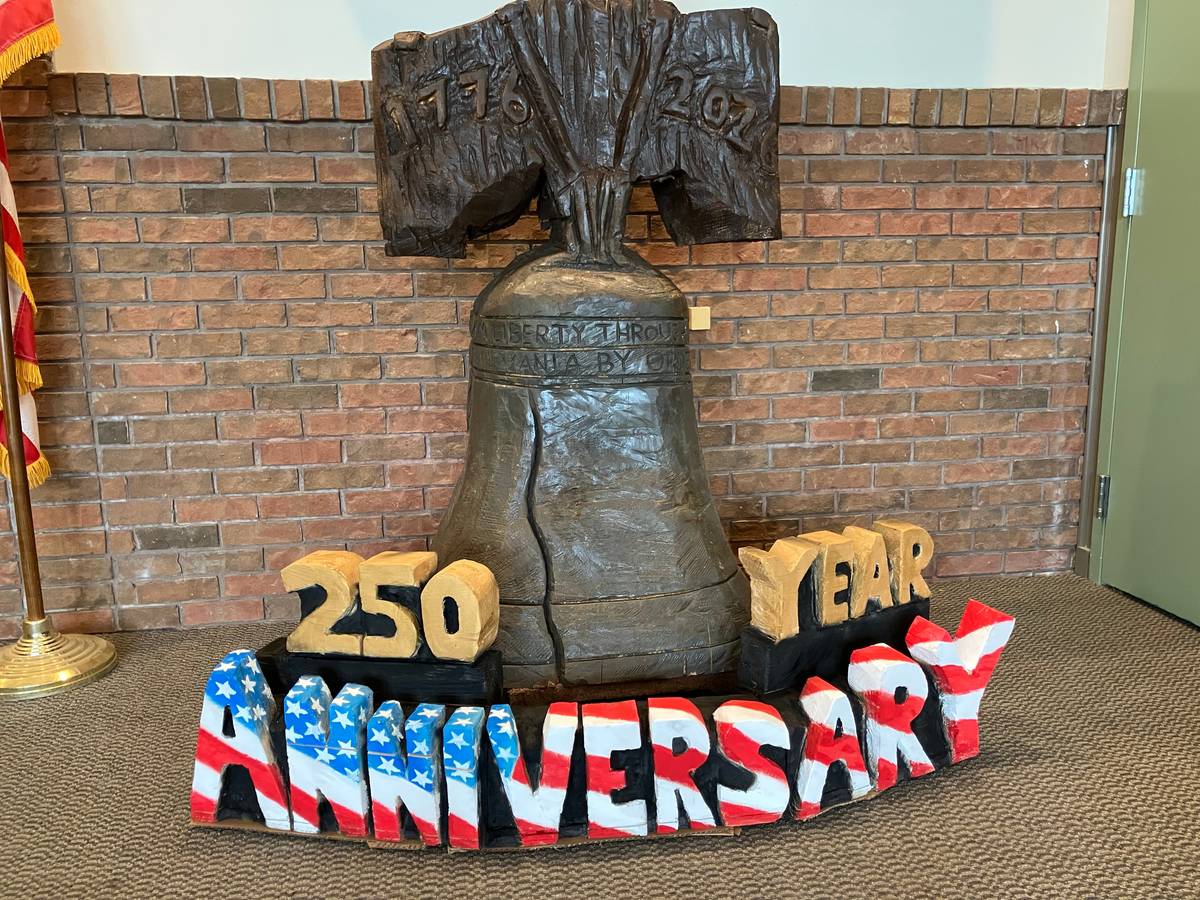
Replica Liberty Bell set to travel to all Lebanon County Schools
The bell has already visited Cornwall-Lebanon schools, which struck up conversations about history as the country’s 250-year anniversary approaches this summer.
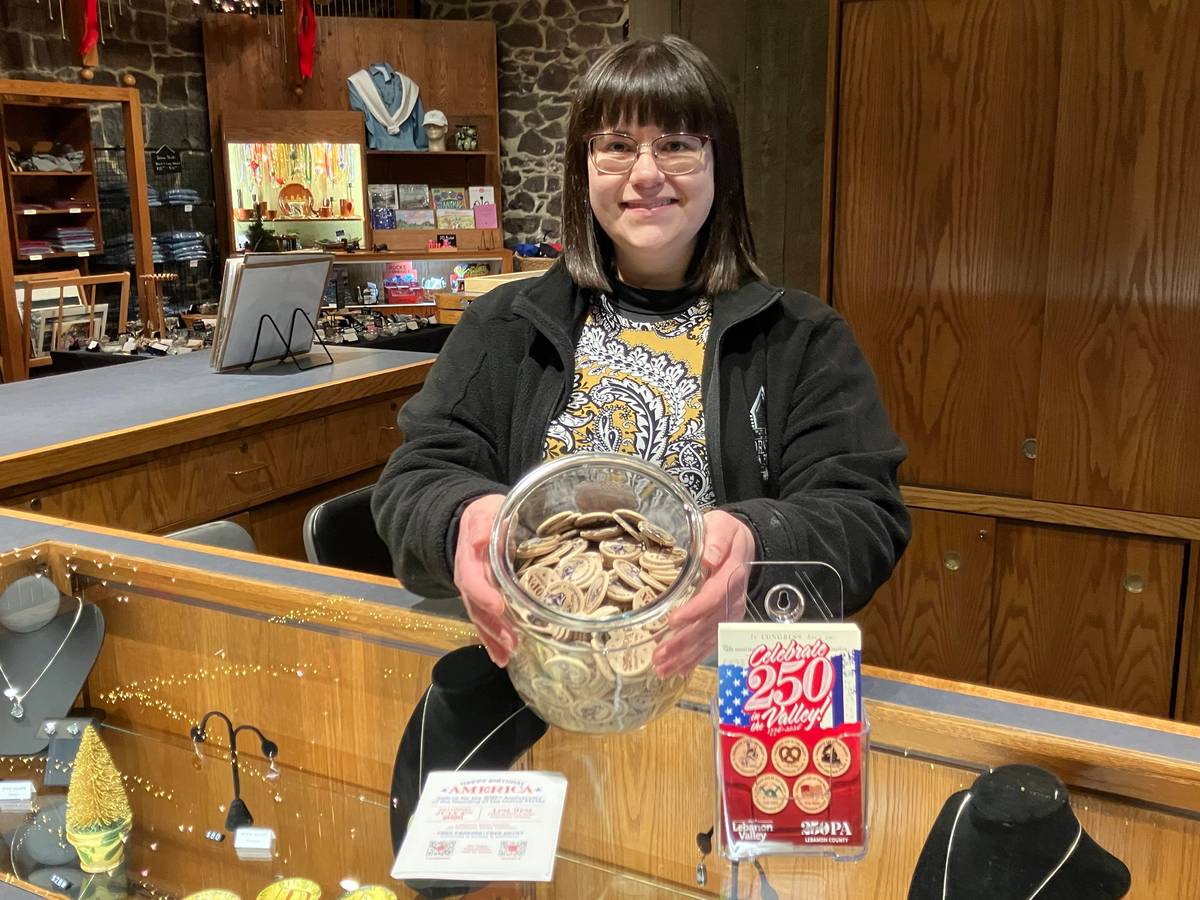
Wooden nickels promote, celebrate Lebanon County’s rich history & heritage
Lebanon Countians are collecting wooden nickels to celebrate, commemorate the nation’s 250th birthday this year.
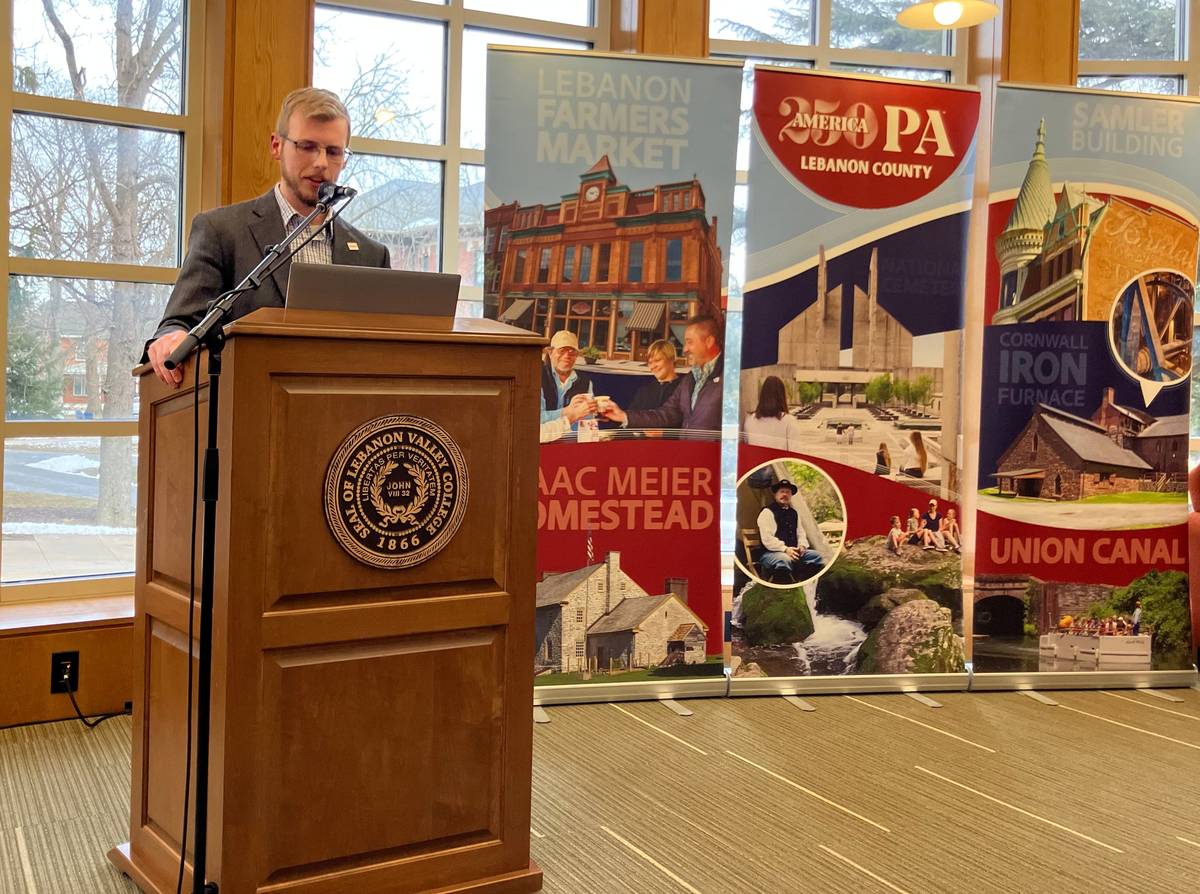
Lecture explores Lebanon County’s ‘resolve’ to break free of England
Lebanon County’s contributions to the American Revolution were discussed during a lecture celebrating the upcoming 250th anniversary of the nation’s birth on July 4, 1776.
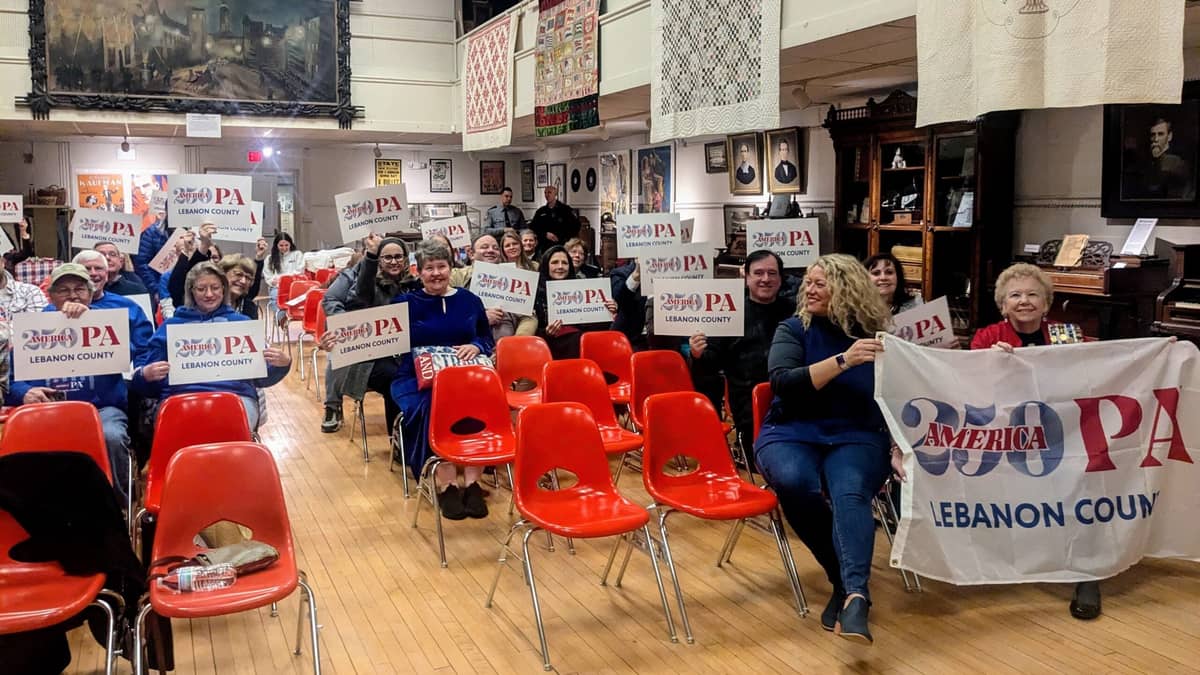
Lebanon County kicks off America250PA celebrations (photo story)
Lebanon County began celebrations of the nation’s 250th birthday with a rally at the Lebanon County Historical Society Saturday.
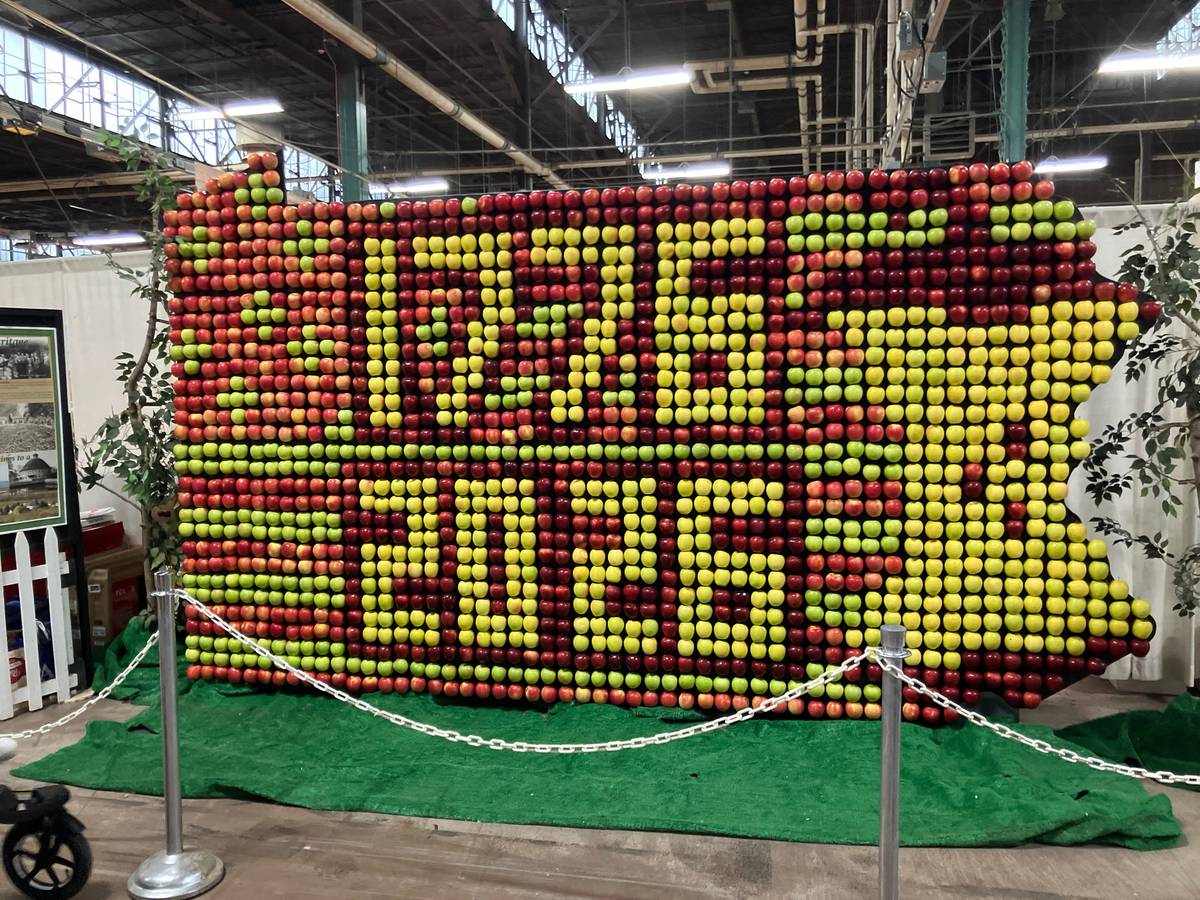
Pa. Farm Show launches statewide celebration of nation’s 250th birth
Celebrate history – and Pennsylvania’s rich agricultural heritage – at the 110th edition of the Pennsylvania Farm Show, now through Jan. 17.
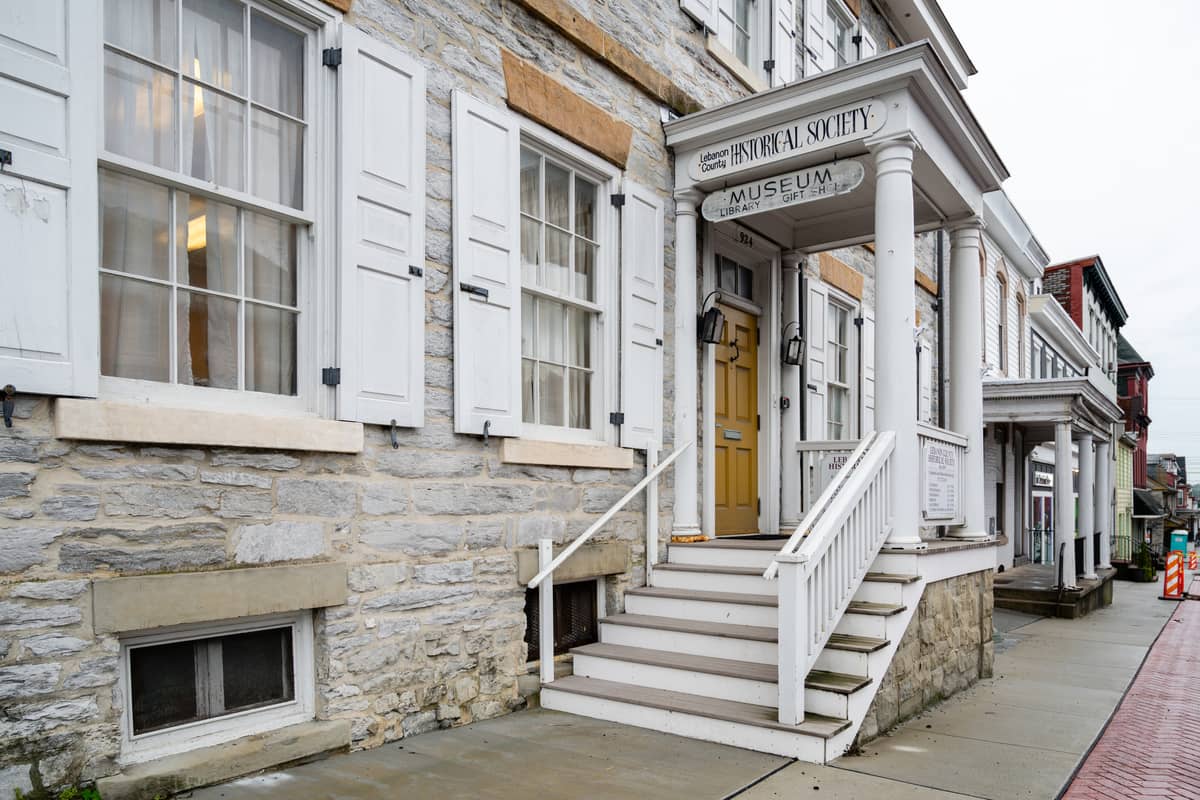
Lebanon County to launch America250PA celebration with historical society event
The free kickoff rally at the Lebanon County Historical Society marks the start of the county’s participation in Pennsylvania’s 250th anniversary commemoration.
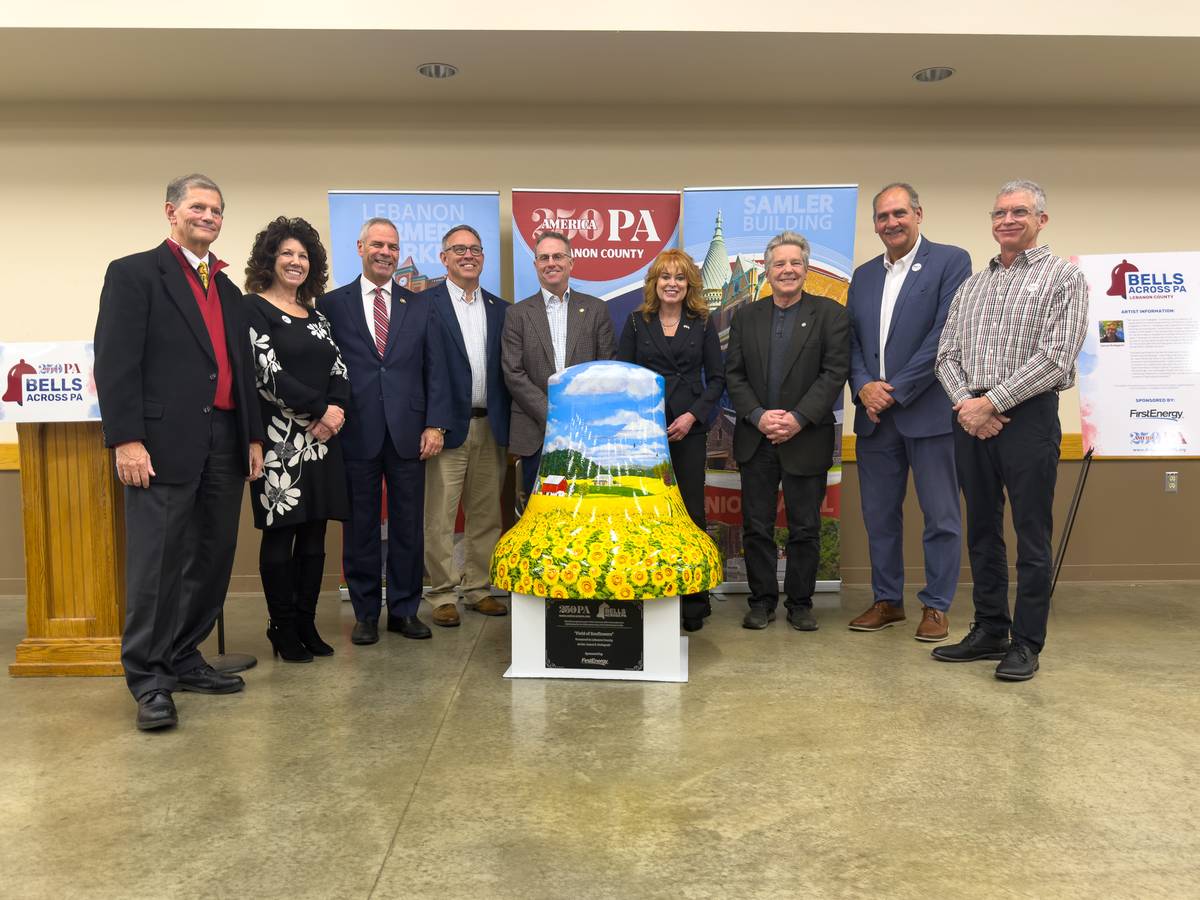
Second Liberty Bell revealed for 250th anniversary countywide celebration
A second Liberty Bell to commemorate the nation’s 250th anniversary was unveiled on Wednesday at a ceremony at the Lebanon Valley Expo Center.
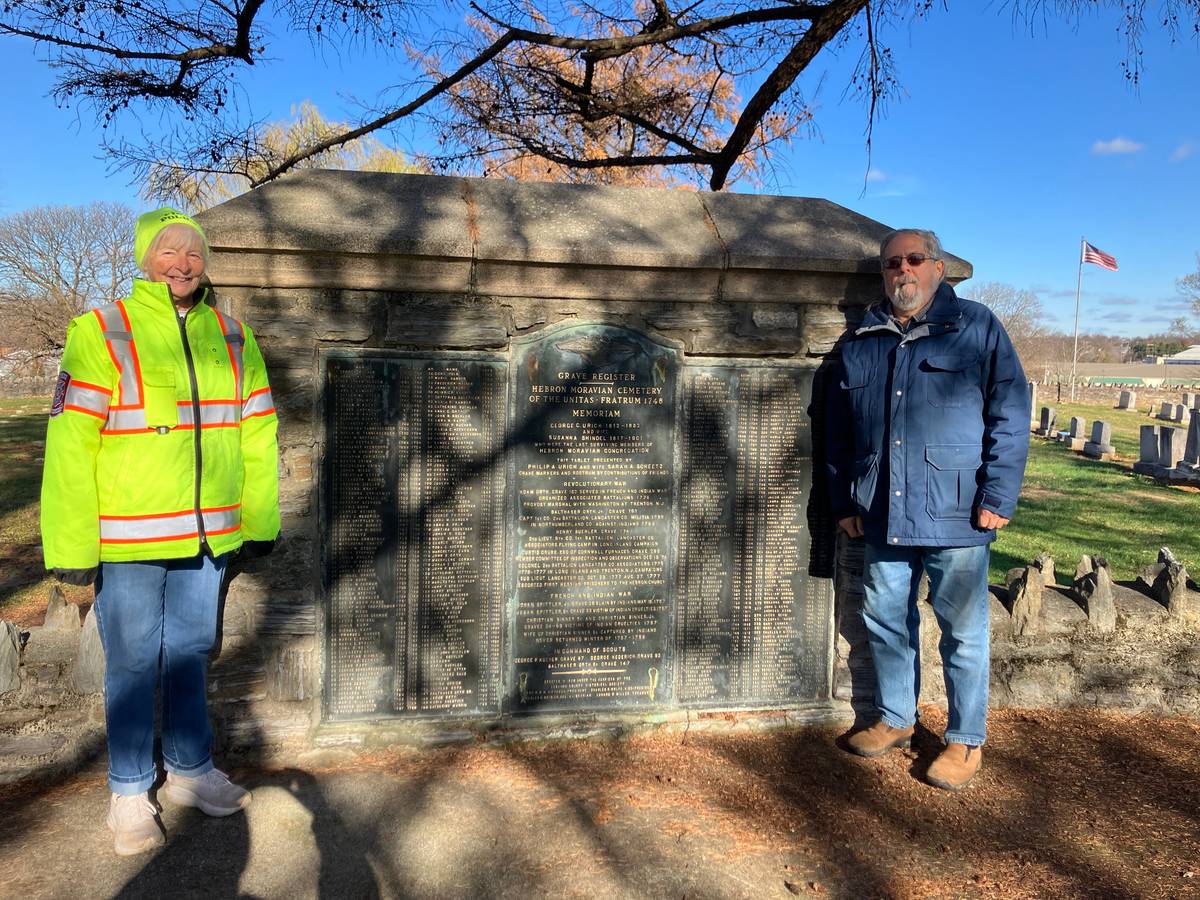
Hebron Moravian Cemetery receives historic designation from commonwealth
Pennsylvania designated the Hebron Moravian Cemetery, which contains graves from the Revolutionary War and French and Indian War, as a state historical site as the first step toward potential national recognition.
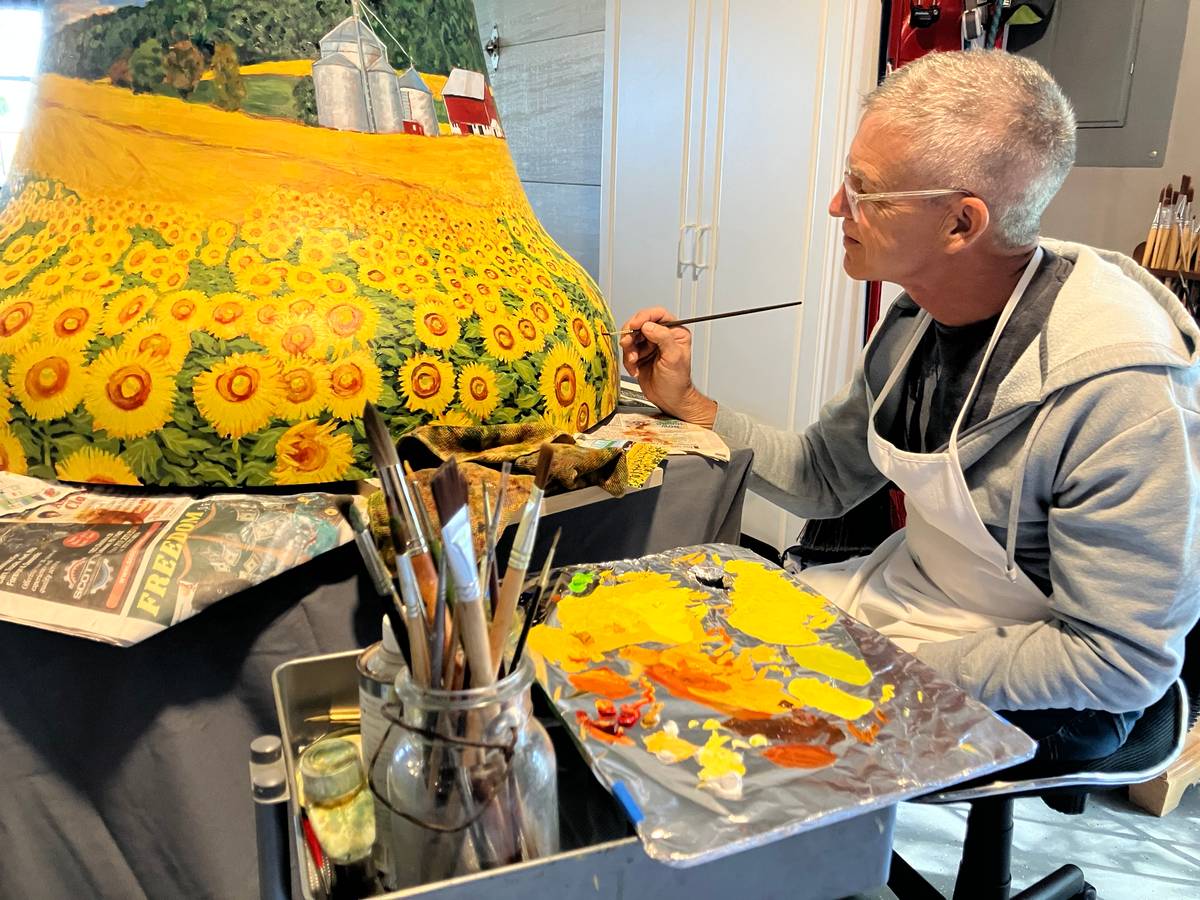
Lebanon man creates farm scene on Liberty Bell for America250 celebration
Lebanon artist creates colorful farm scene to celebrate the county’s rich agricultural tradition and keep farmers in the forefront of our minds now and forever as part of the America250 celebration.
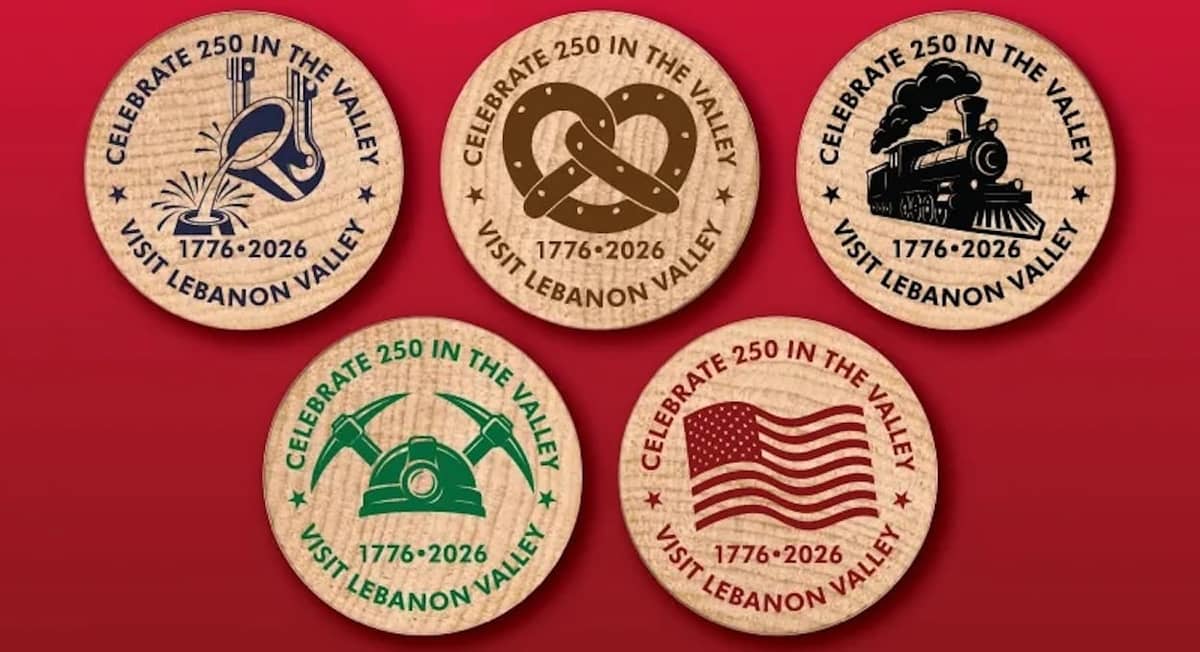
Celebrate America250PA on the Lebanon County Wooden Nickel History Trail
Visitors to 12 local history sites in Lebanon County can collect commemorative wooden nickels as part of a new campaign to celebrate America250, the nationwide commemoration of the 250th anniversary of the United States.
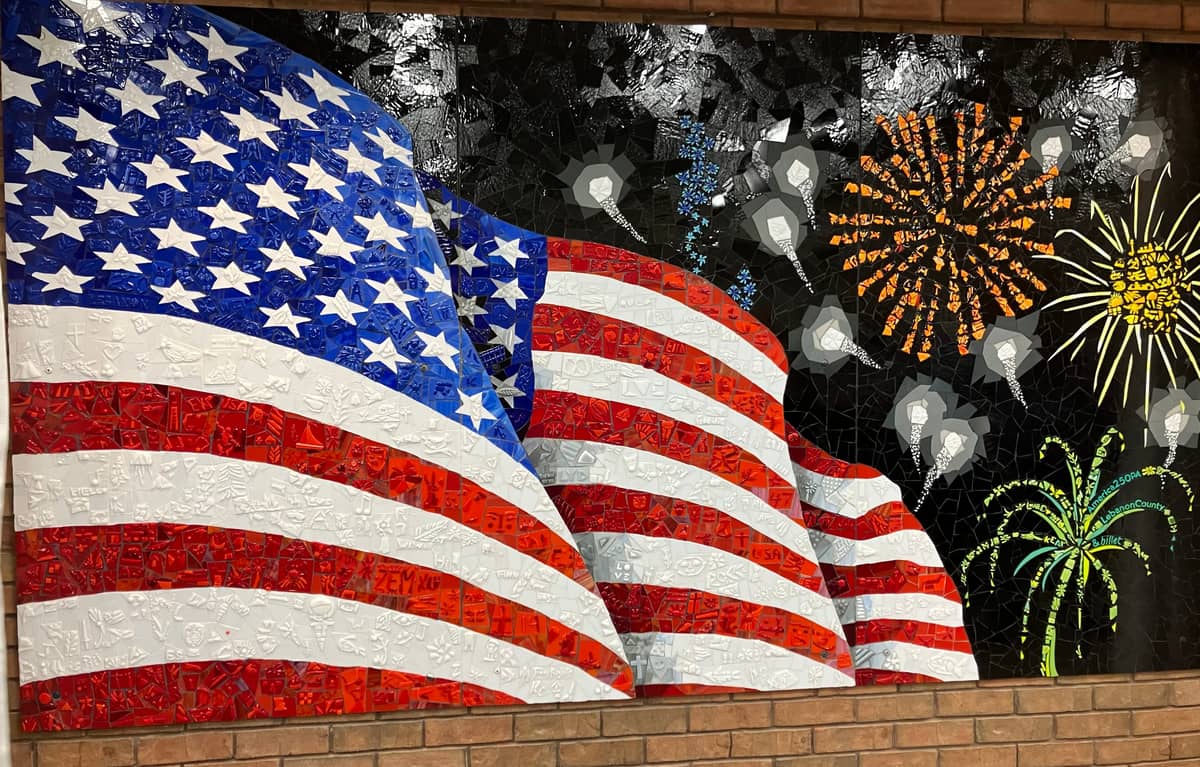
Lebanon County celebrates unveiling of local mosaic for 250th anniversary
The county’s mosaic for the 250th anniversary celebration next July 4th was revealed on Tuesday at a ceremony held at the Lebanon Valley Exposition Center & Fairgrounds.

Lebanon quilters stitch together community spirit for America250
Lebanon Valley residents help stitch 250th anniversary quilt ahead of nationwide celebration in July 2026, with more opportunities to occur in the coming months.
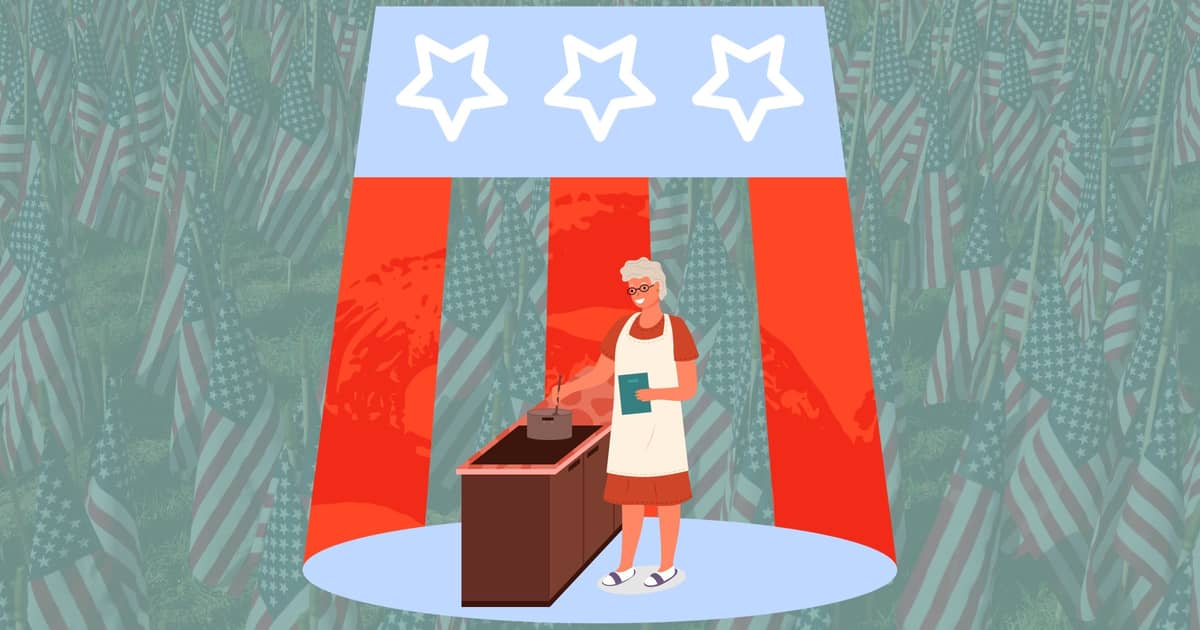
Calling all Betsy Ross’es to the Fair! Lebanon Area Fair launches patriotic apron contest ahead of America250
The Lebanon Area Fair is hosting a patriotic apron-making contest as part of Pennsylvania’s America250 celebrations, with the winner advancing to compete for a $250 prize at the 2026 Pennsylvania Farm Show.

County America250 Commission plans for Semiquincentennial celebrations
While 2026 is over a year away, Lebanon County’s America250 Commission is already hard at work planning for the Declaration of Independence’s 250th birthday.
Did Lebanon County have a role in America’s campaign for Independence? You bet it did.
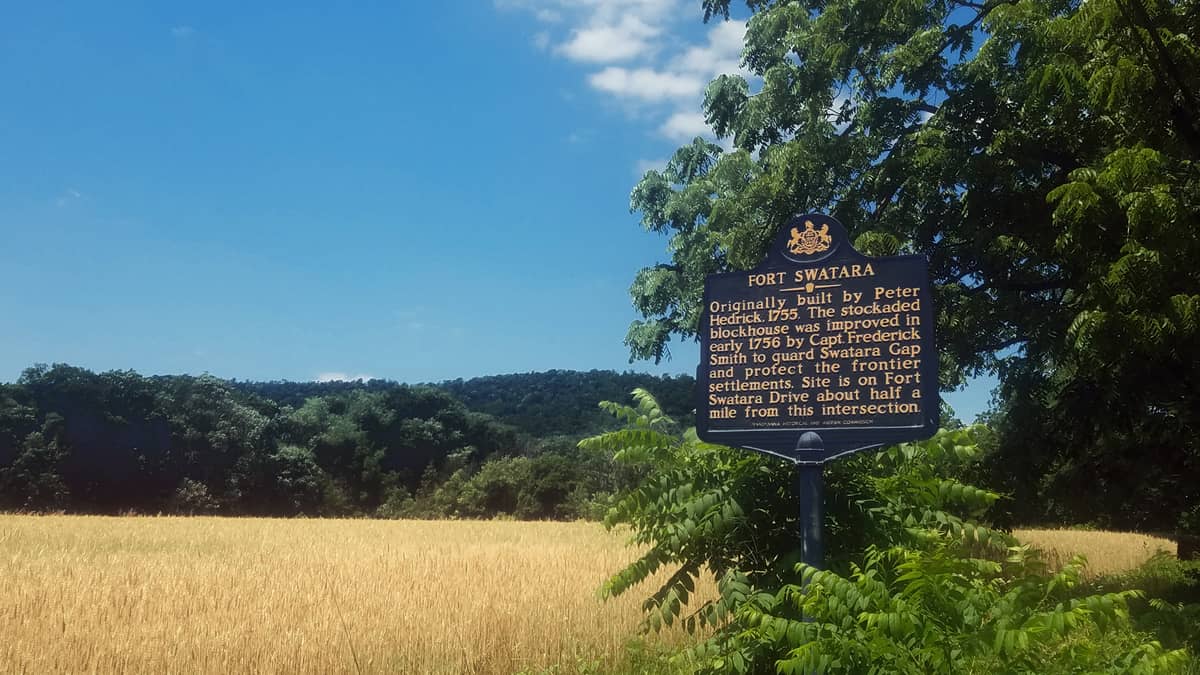
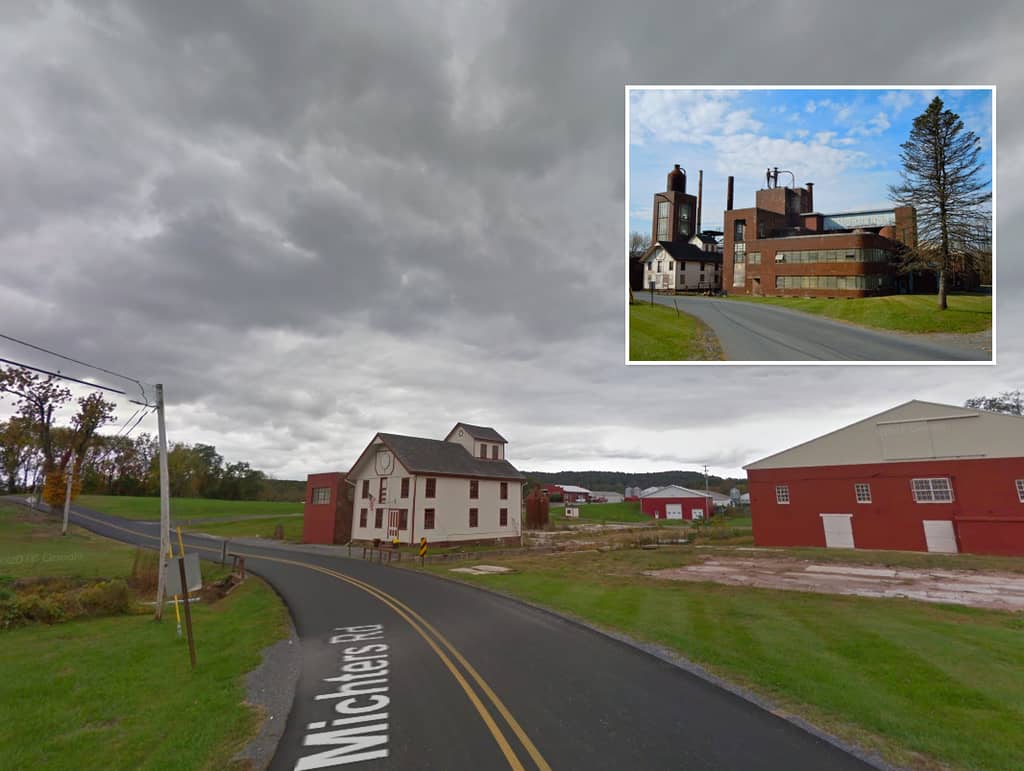
Whether the Grubb iron furnace in Cornwall, Hessian prisoners at Tabor and Hebron, or the (possibly apocryphal) whiskey supply run by General George Washington to Schaefferstown during the bitter encampment at Valley Forge, it’s clear that the Lebanon Valley was crucial to the supply chain on which the Continental Army relied so dearly.
We should remember as well the early Lebanon Valley residents who served with the Lancaster County militia, Lebanon County then yet to be its own entity. See here for the 1st and 2nd Battalions, which included a number of Lebanon Valley residents, such as the Rev. John Caspar Stoever, buried in Cleona at Hill Church.
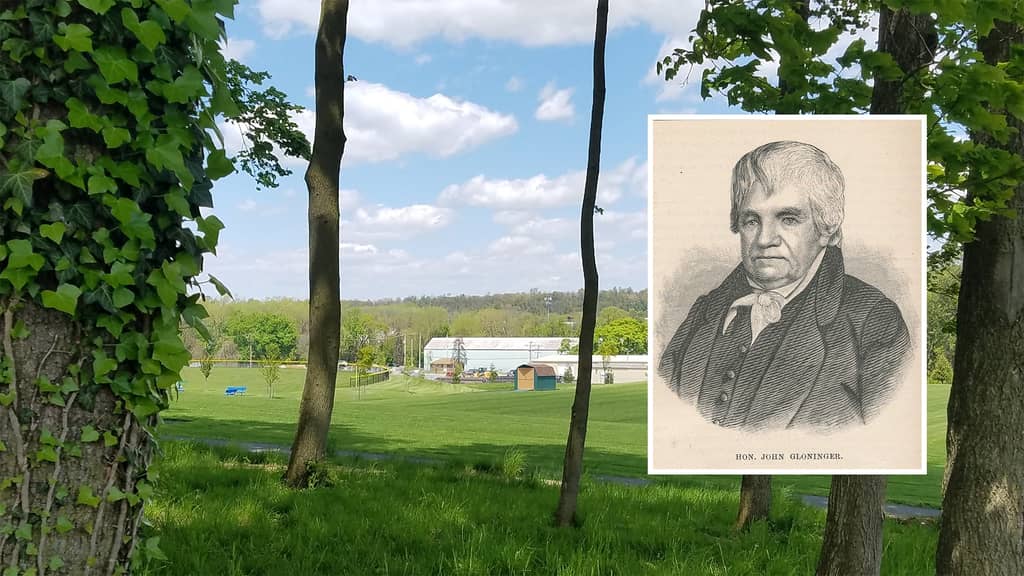
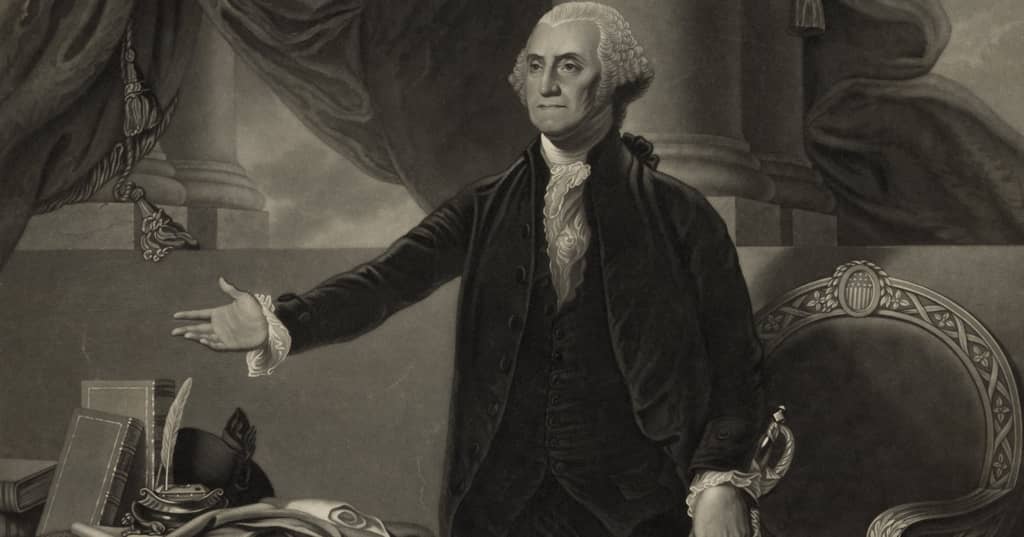
In 1792, the war won, President Washington toured the region to see the monumental works of the Schuylkill and Susquehanna Canal Company, later the Union Canal, in the area between Myerstown and Lebanon. The canal was the brainchild of war financier Robert Morris, a good friend of Washington’s who, in fact, provided the President with his Philadelphia house, the foundations of which are still visible on Independence Mall. Perhaps, Washington saw his wartime friend John Gloninger as well, at the time a newly-minted state senator.
Washington may have indulged in nostalgia for his own frontier adventures, the Lebanon Valley not far removed from a more wild era and the perfect backdrop for remembering his own early and preternatural performance during the French and Indian Wars. In this vein, perhaps, he too enjoyed a ride to Light’s Fort or Fort Zeller, paying respect to the constellation of outposts that had protected the increasingly rich bounty of the middle colonies – America’s bread basket at the time. In this editor’s humble estimation, the evidence suggests quite enthusiastically that Washington would have been highly predisposed to enjoying his time in Lebanon County.
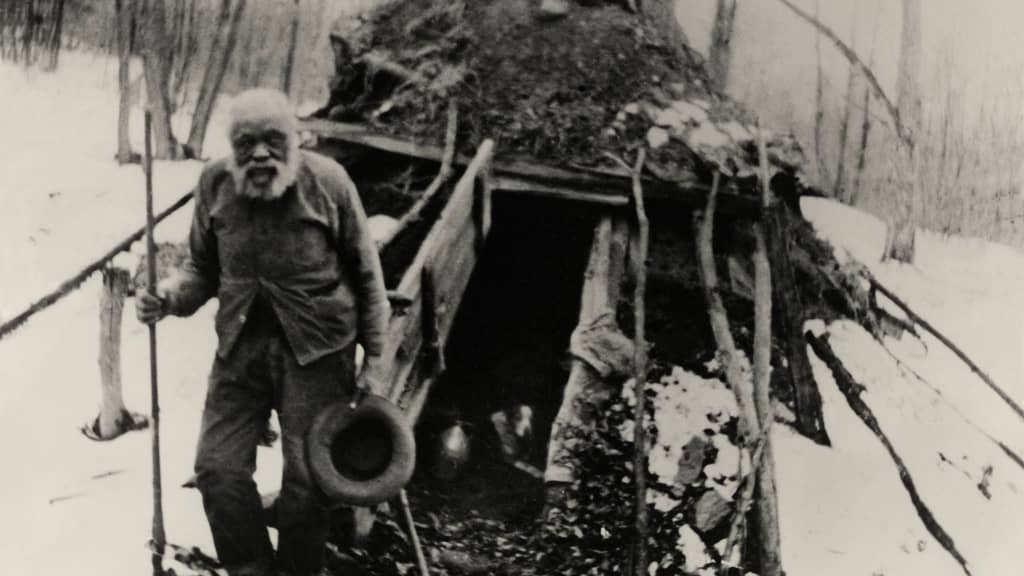
Coincidentally, another Lebanon figure, Joseph Johns, would later say in 1906 that he was the last man alive in Pennsylvania to have lived and remembered the death of the American Cincinnatus in 1799.
Find a hand-picked selection below of LebTown’s historical coverage.