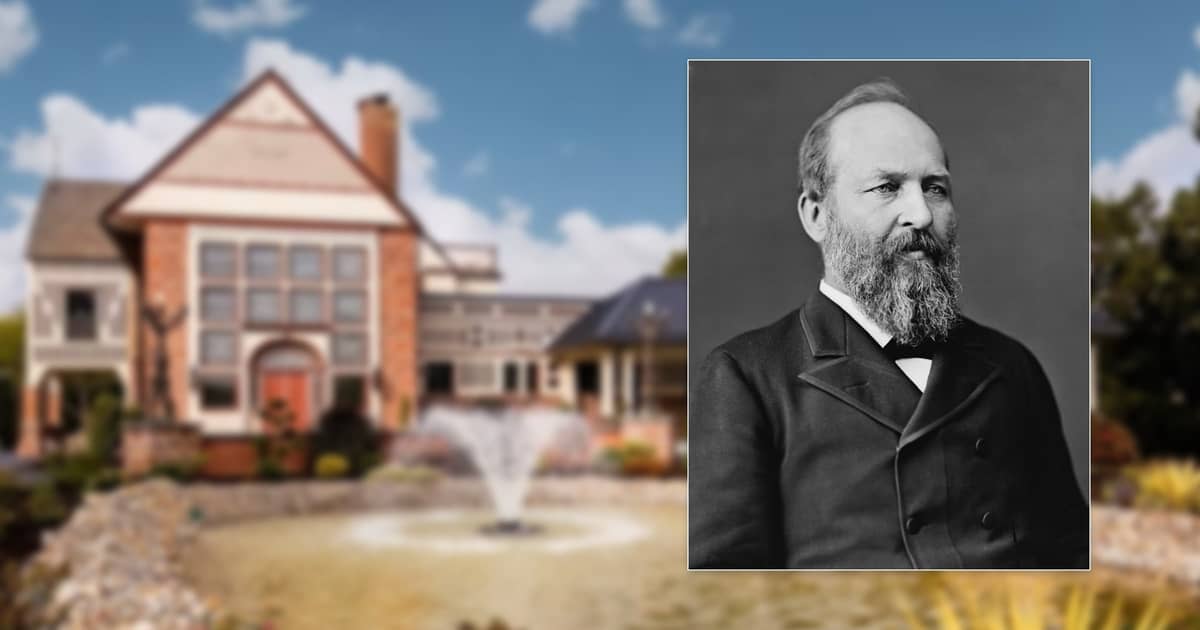

Cornwall historian Bruce Chadbourne examines how President James Garfield’s 79-day suffering after his July 1881 assassination affected Lebanon Valley residents, including craftsmen working on Alden Villa who memorialized his death in a hidden inscription.

Bruce Chadbourne
Though “not from these parts,” Bruce has been fascinated with the rich history of the Cornwall Iron Furnace, the ore banks, and the local architecture. The more he explores, the more he is amazed how the "Coleman story" breathes life into each period of American history, from the colonial days to the 20th century.
Posted inHistory
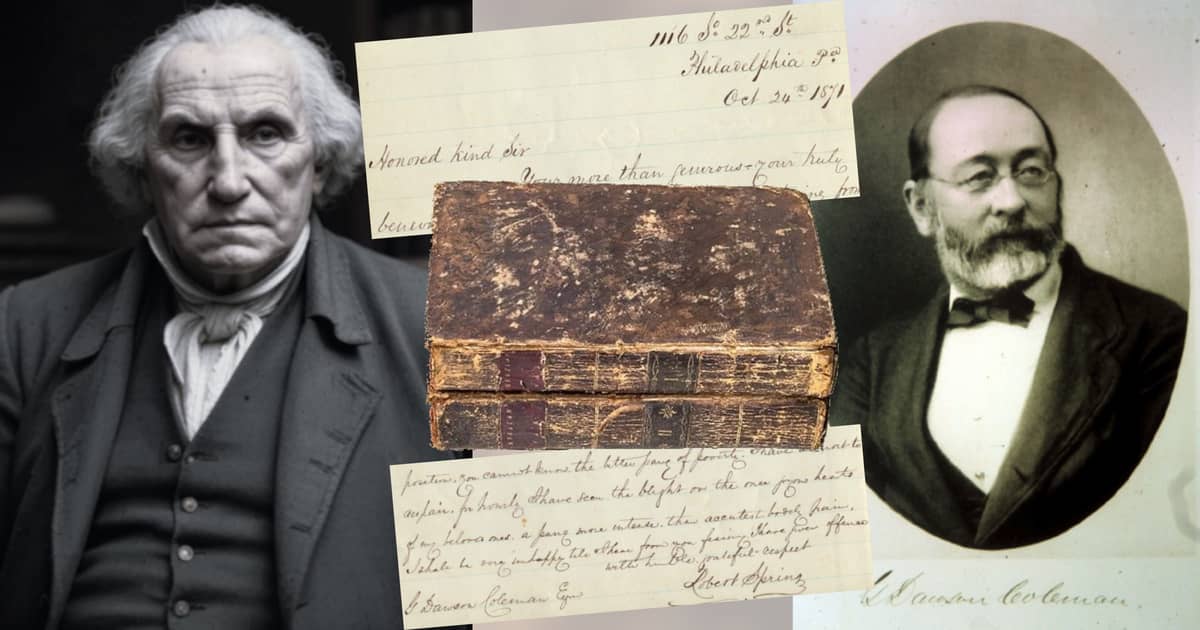
Who Knew? The Robert Spring Affair
Historical documents show how Philadelphia book dealer and notorious Washington signature forger Robert Spring found an unlikely patron in Lebanon’s George Coleman during his final years.
Posted inHistory
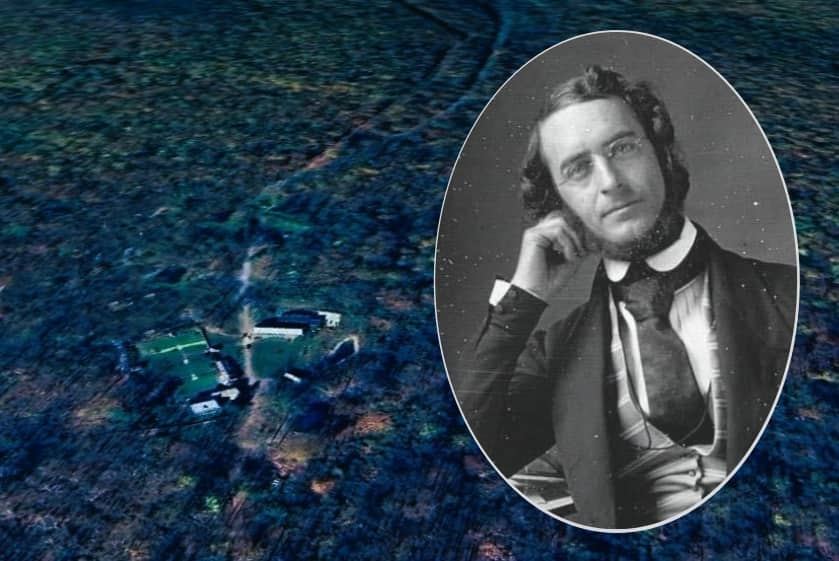
Who Knew? A brilliant mind
James Curtis Booth, a pioneering American chemist and first U.S. Mint refiner, formed a notable friendship with Pennsylvania’s prominent Coleman family during an 1843 summer stay at their Elizabeth Furnace estate.
Posted inHistory
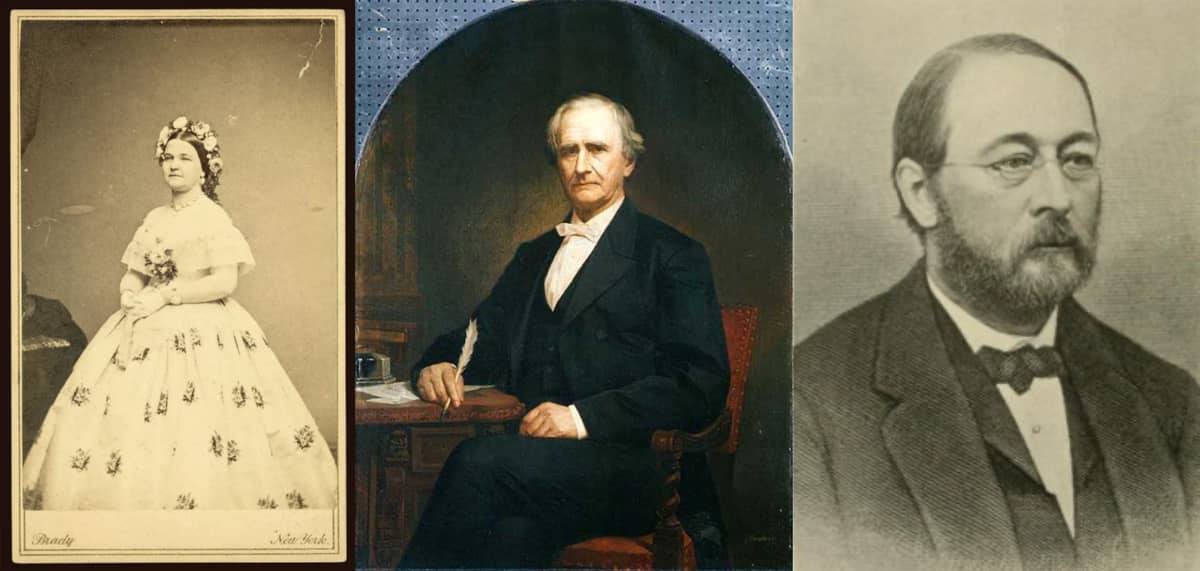
Who Knew? Unsung Coleman benevolence
A newly uncovered letter reveals Lebanon industrialist G. Dawson Coleman’s generous response to Mary Todd Lincoln’s financial struggles following her husband’s death, though historical records suggest she may not have been as destitute as portrayed.
Posted inHistory
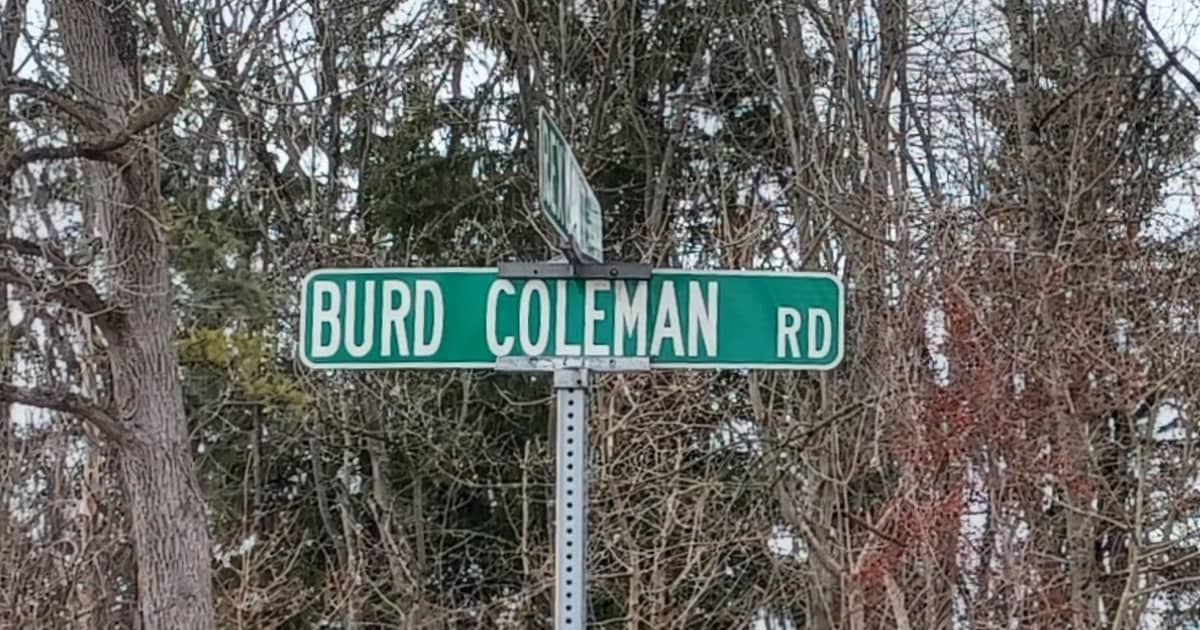
Who Knew? “Bird” or “Burd”?
The naming of Cornwall Borough’s Bird Coleman Furnaces evolved from honoring Thomas Bird Coleman to being commonly spelled “Burd Coleman” after Bethlehem Steel’s acquisition in the early 1900s.
Posted inHistory
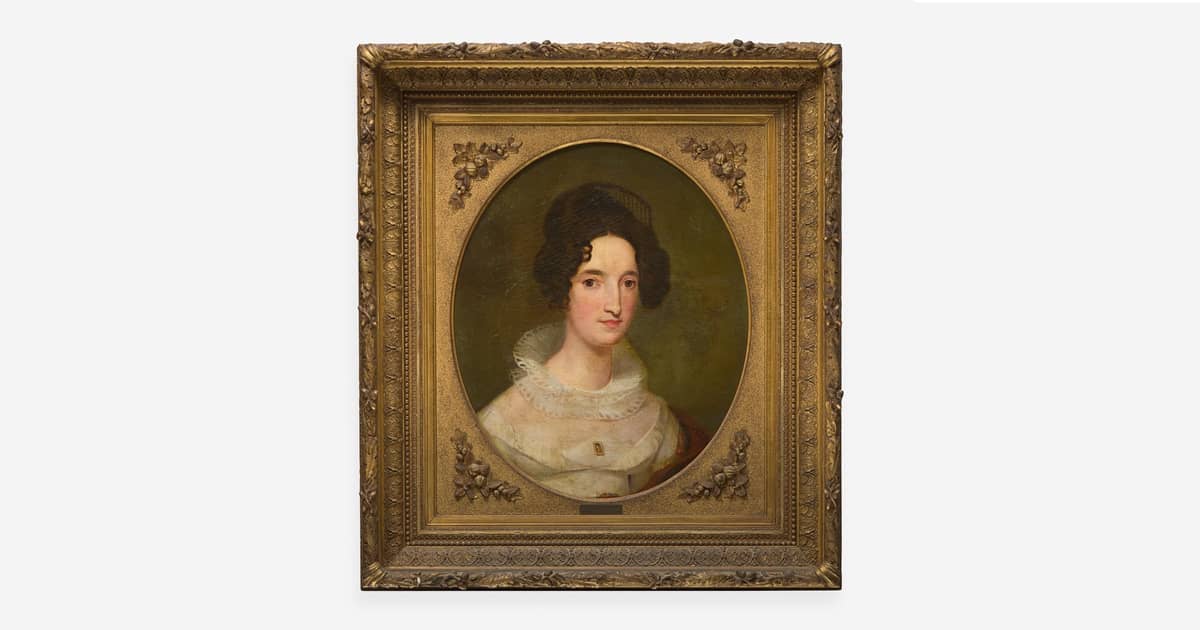
Who Knew? Anne Caroline Coleman, preserved in verse
Historical documents found at Elizabeth Furnace reveal a brother’s poetic tribute to Anne Caroline Coleman, whose death has long been linked to her broken engagement with James Buchanan.
Posted inHistory
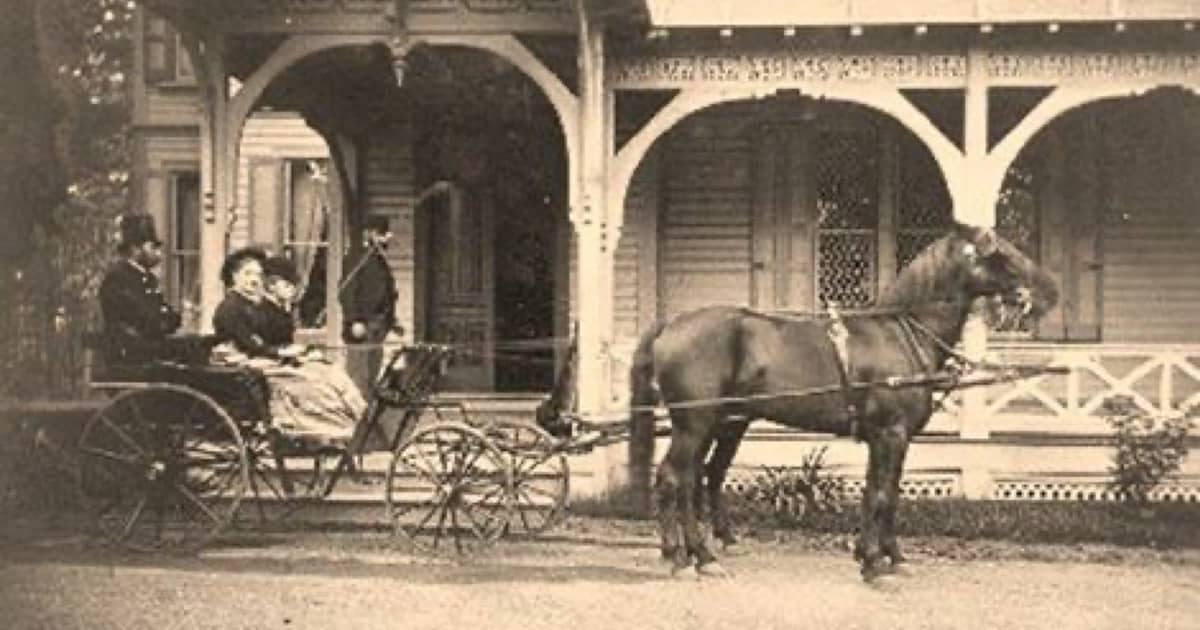
Who Knew? The case of the Coleman coachman
The story of Patrick Guare, an Irish immigrant who served as coachman to Lebanon’s wealthy Coleman family from 1859 to 1889, offers a glimpse into the social dynamics of Pennsylvania’s iron industry heyday.
Posted inHistory
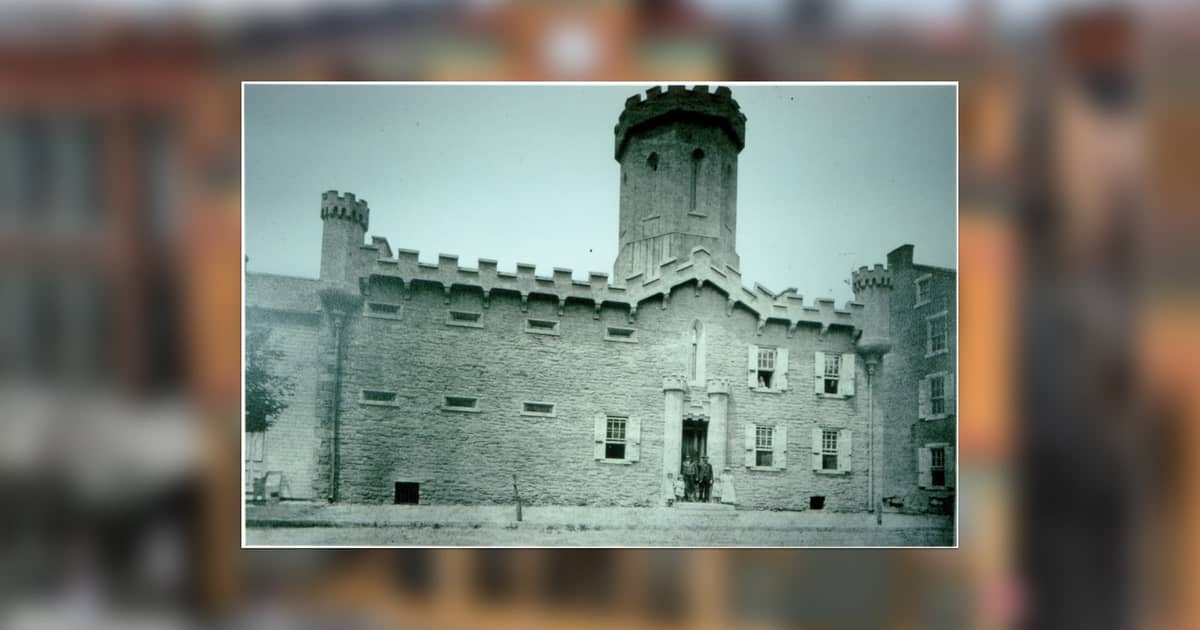
Who Knew? To market, to market (Pt. 2)
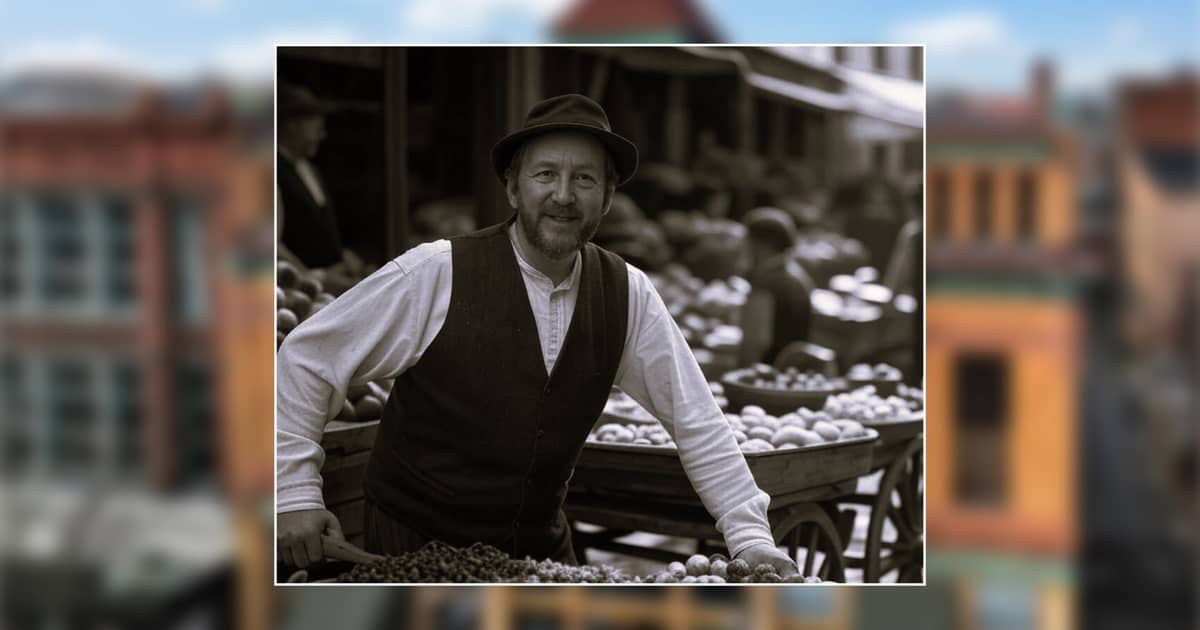
Lebanon’s 19th-century market system evolved from street vendors and scattered grocers to the centralized Lebanon Farmers Market that still operates today on South 8th Street.
Posted inHistory
Who Knew? To market, to market (Pt. 1)
The story of Lebanon merchant James Fairburn helps illustrate how street markets gave way to formal marketplaces in Lebanon during the 1890s, marking the end of an entrepreneurial era. (Part one of a two-part series)
Posted inHistory
Who Knew? The spirit of kindness, Pt. 4
A Texas descendant’s contributions complete the story of the DeHuff house, now Lebanon Rescue Mission’s Agape Family Shelter, by illuminating patriarch Henry DeHuff’s own commitment to community welfare in the 1800s.
Posted inHistory
Who Knew? The spirit of kindness, Pt. 3
Jacob DeHuff, a prominent 19th-century Lebanon businessman, ran a downtown bookstore that served as a cultural hub for ticket sales, newspapers and school supplies.
Posted inHistory
Who Knew? The spirit of kindness, Pt. 2
The story of how Lebanon’s first women’s shelter emerged from a property exchange between the wealthy Nutting and DeHuff families showcases the interconnected nature of 19th-century Pennsylvania society.
Posted inHistory
Who Knew? The spirit of kindness, Pt. 1
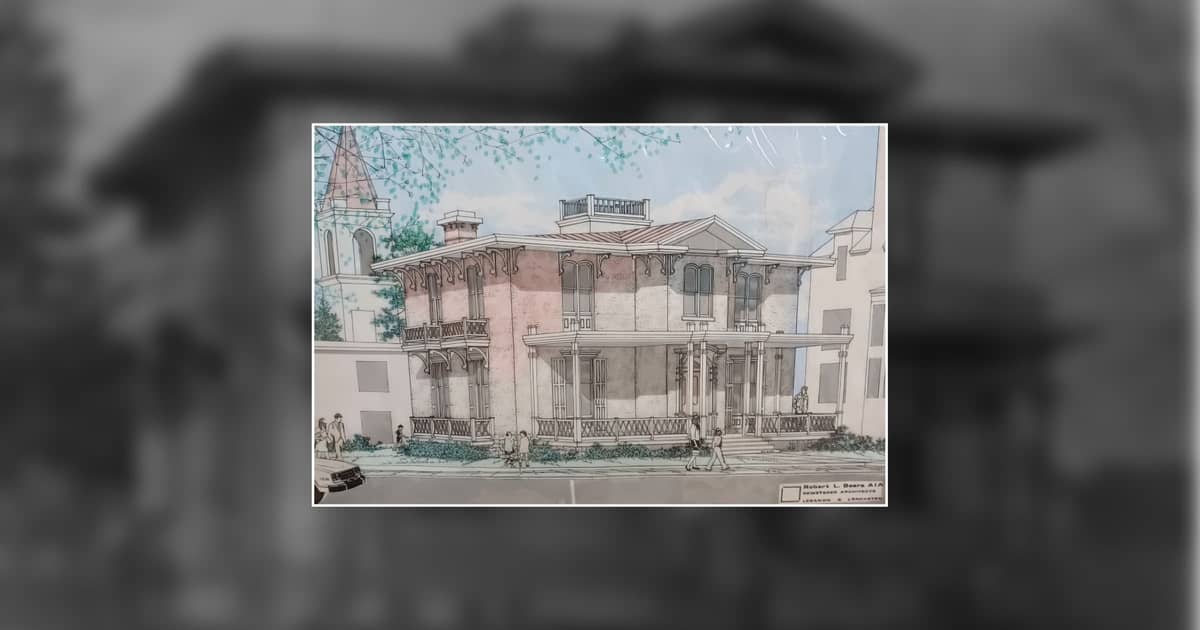
The DeHuff House in Lebanon, built in 1870, has a rich history intertwining local families and is now home to the Agape House shelter.
Posted inHistory
Coleman Memorial Chapel in Brickerville prepares for 300th anniversary in 2174
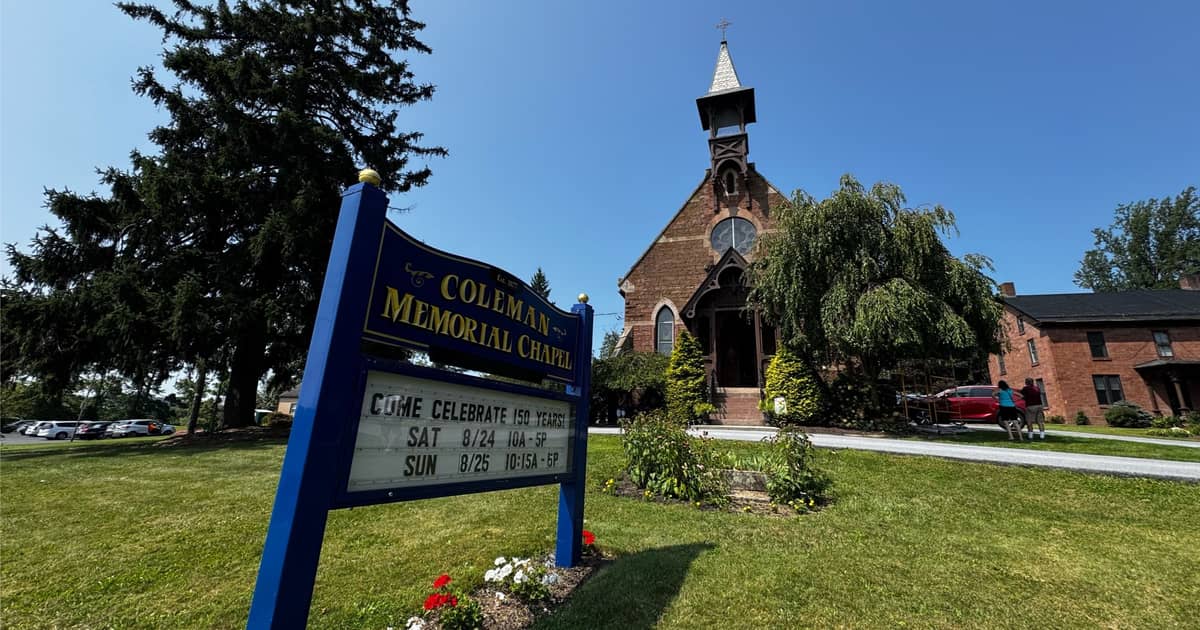
Cornwall Borough resident Bruce Chadbourne looks at Coleman Memorial Chapel’s plan as it puts a time capsule back into the cornerstone for another 150 years.
Posted inHistory
Who Knew? Wilhelm, an intersection with Lebanon history
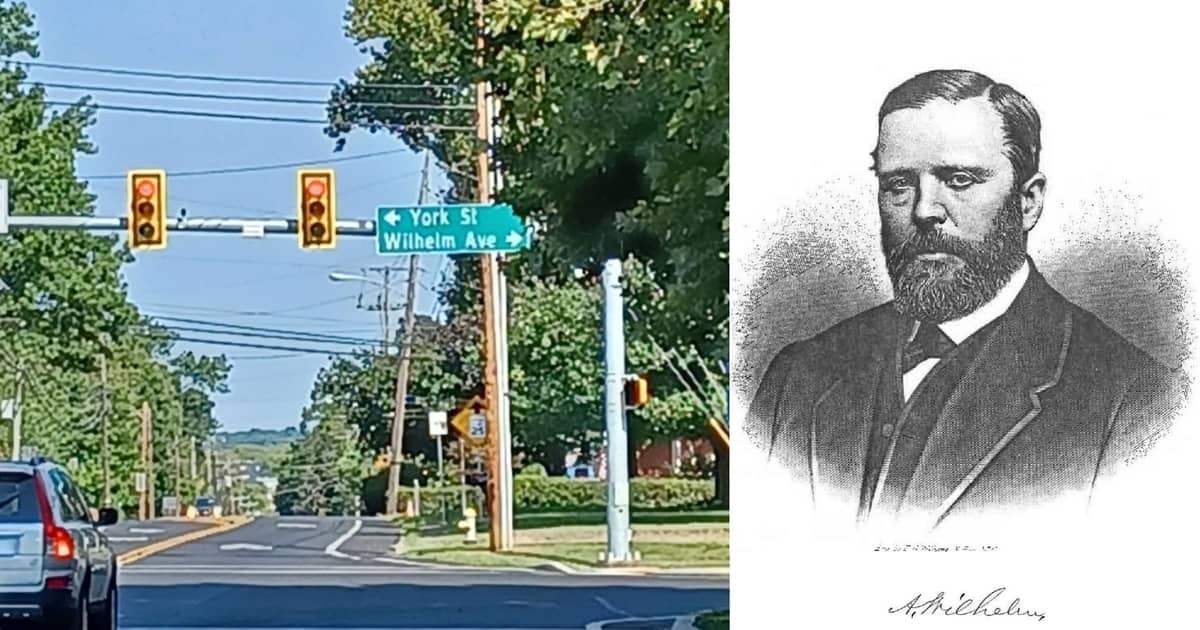
The story behind Wilhelm Avenue in Lebanon reveals the accomplishments of Artemas Wilhelm, a pivotal figure in developing the area’s iron industry and infrastructure.