The closest ambulance isn’t always the one that’s dispatched to an emergency, and some officials in northern Lebanon County are concerned that competitiveness between ambulance services might be delaying the arrival of critical care.
EMS officials say the reasons for the delays, especially in rural parts of Lebanon County, are “complicated.”
A recent motorcycle accident in Bethel Township is the latest chapter in an ongoing saga concerning mutual aid provided by local ambulance services across northern Lebanon County. EMS officials say the issue is not unique to Lebanon County.
Background
An April 2 post on social media by Carl Sensenig, chief of Mount Zion Community Fire Company, stated his continuing frustration with what he called “ongoing EMS response concerns with our primary service area.”
Contacted for an interview, Sensenig pointed to the fire company’s Facebook post and referred questions to Lebanon County Department of Emergency Services.
LebTown also contacted Penn State Health to request an interview and was sent a statement from Scott Gilbert, team lead for public relations and multimedia for Penn State Health.

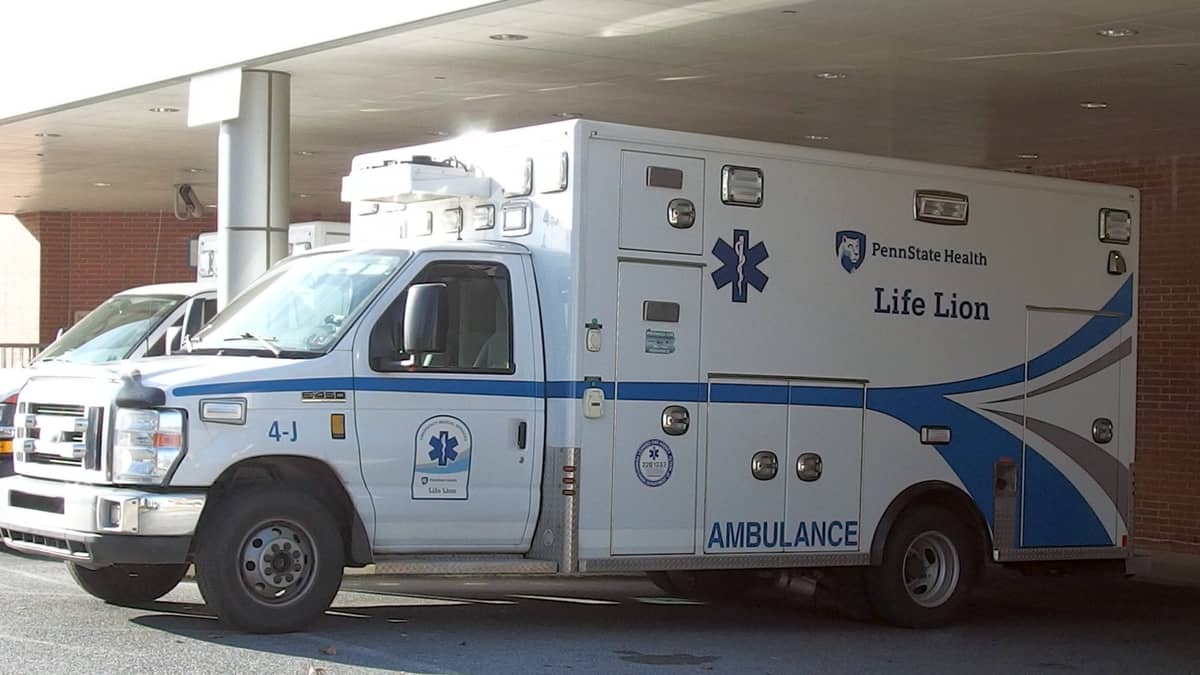
With a station in the Ono Fire Hall, Life Lion is the primary ambulance service for several municipalities in northern Lebanon County.
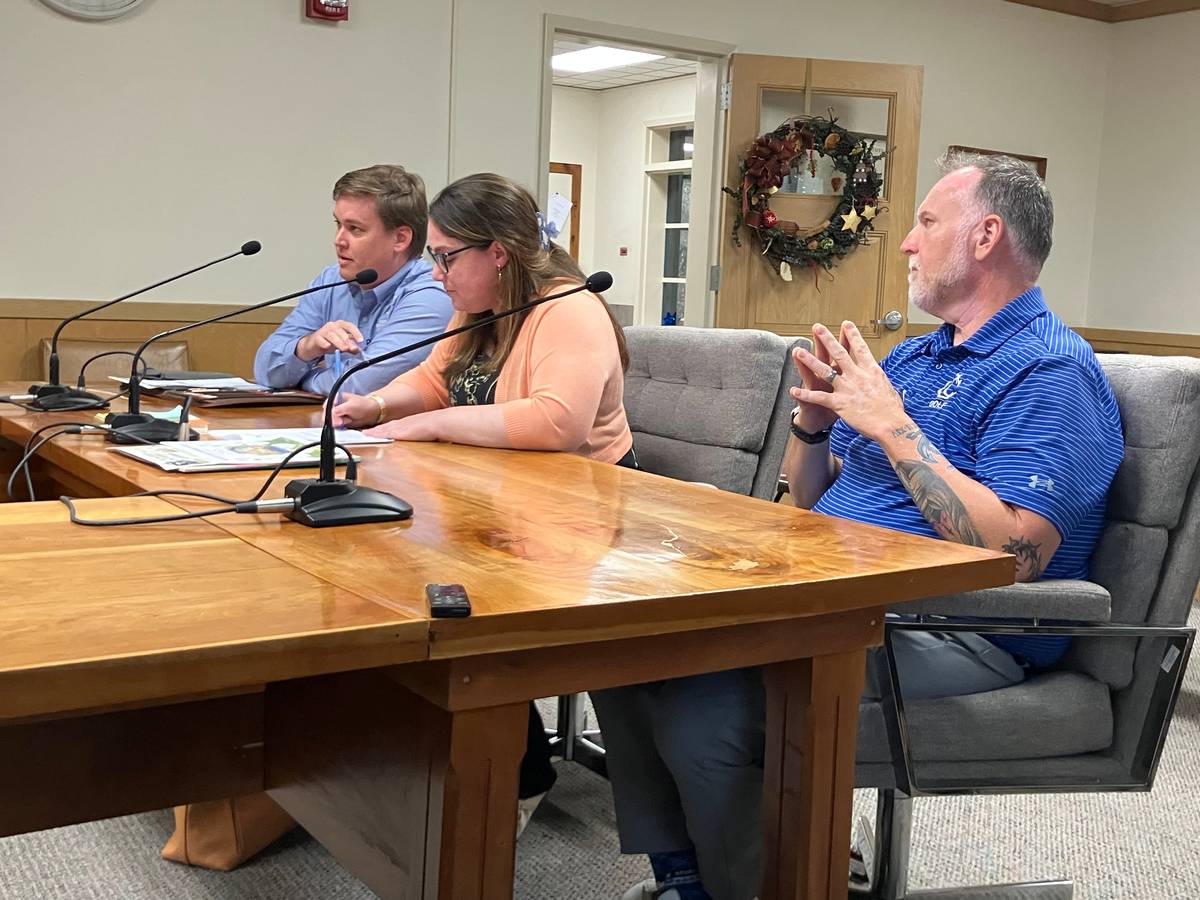
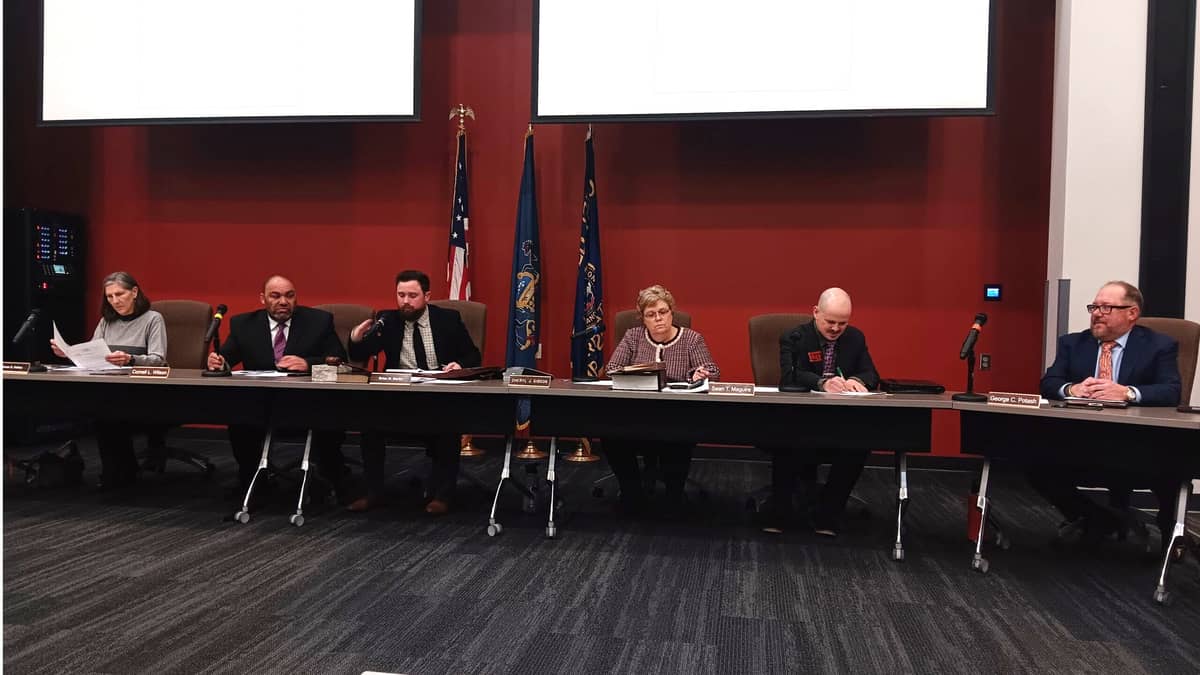
The motorcycle accident and the ensuing social media attention around it spawned a special public meeting to explain ground ambulance service in Bethel Township. That meeting was scheduled by Bethel Township supervisors for 9 a.m. Wednesday, April 29, and will be held in their municipal building at 3015 S. Pine Grove St., Fredericksburg.
The Facebook post on the Mount Zion Community Fire Company’s page on April 2, which also includes an audio transmission from Sensenig, notes that company officials feel it’s “critical to bring public awareness” to this issue.
The post states the radio transmission concerned a motorcycle accident in which the rider was wearing shorts and t-shirt and was found on a tar and chipped road more than 250 feet from where control was lost by the operator.
In this instance, the nearest ambulance was not dispatched to the scene, according to the Facebook message, which says “closest due ambulance was appropriately dispatched and responded with an advanced intermediate crew, with an arrival time of less than 10 minutes. However the responding ambulance was cancelled by another ambulance company responding from greater than 20 minutes away and significantly more mileage.”

Sensenig continues by stating that “this decision bypassed 5-6 closer ambulance companies, as well as two available on duty paramedics that were about half the distance away. Unfortunately, this is not an isolated situation.”
In Gilbert’s email to LebTown, he said, “Penn State Health Life Lion EMS has provided high-quality emergency medical services across central Pennsylvania for nearly 30 years. In keeping with that commitment, we are proud to partner with Bethel Township in Lebanon County to help meet the community’s EMS needs.”
A change in ambulance service coverage
In November 2019, according to a LebTown report, Penn State Health Life Lion EMS replaced First Aid and Safety Patrol to provide ambulance service in several municipalities across Lebanon County’s northern tier.
Read More: (March 2020) Life Lion EMS now serving northern Lebanon County, Annville
Working out of the Ono Fire Hall, the service began covering Jonestown Borough and Bethel, Cold Spring, East Hanover, North Annville, Swatara, and Union townships about 6.5 years ago.
LebTown reported at the time that Life Lion is now the “primary” EMS service in those municipalities, replacing First Aid and Safety Patrol, which had covered the region from Union Hose Company and a location on State Route 72 north.
Melissa Johnson, business manager for Bethel Township, told LebTown that supervisors signed their portion of that agreement in January 2020.
“I don’t have time for EMS politics”
On the day of the motorcycle accident, Sensenig said during a radio transmission, “I don’t have time for EMS politics, if there is a closer BLS (basic life support) unit, send them.” That audio was posted to the Makin’ the Hit Emergency Media Service & News Facebook page, where it also notes that the “EMS Wars Rage On In Lebanon County, PA… #notime #NoPolitics.”
Sensenig also wrote on the fire company’s social media page that he believes this ongoing issue is a matter of public safety.
“For several years, the Mt Zion area has experienced repeated EMS delays, with response times exceeding 30 minutes by the same department and similar cancellations. These delays pose a serious risk to public safety. When emergencies happen, minutes matter and outcomes depend on timely care.”
Lebanon County 911 System
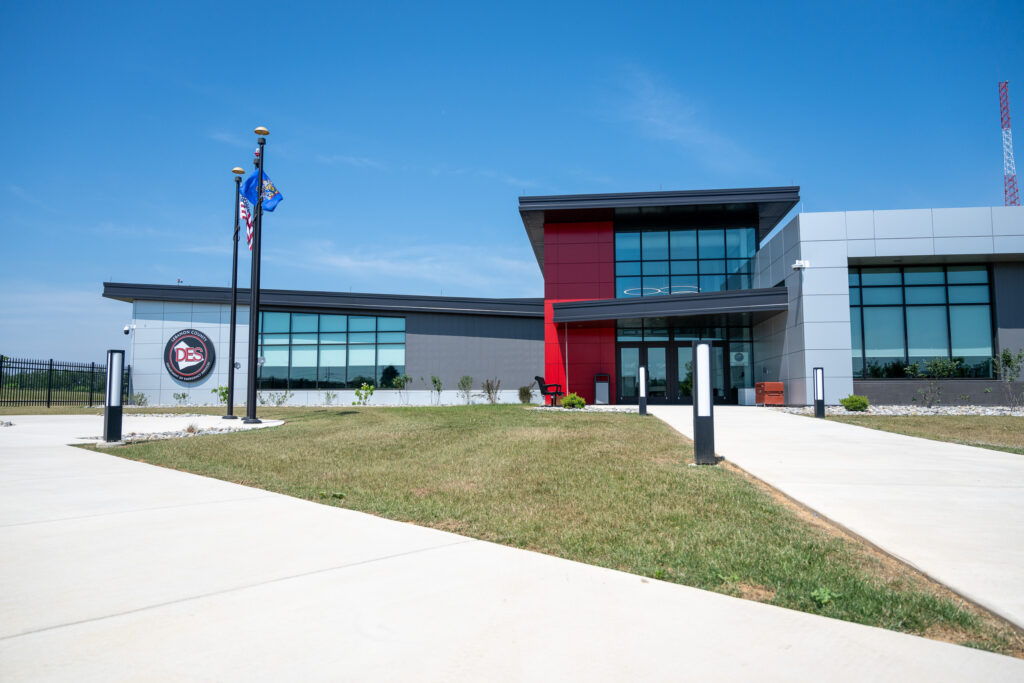
Bob Dowd, director of the Lebanon County Emergency Management Agency, was aware of this incident and explained the county’s role in what happens during an emergency call.
“My job is to present the different options to the municipalities and basically say which way do you want to go? And the current options are founded or are formed based on laws and the technical limitations of our dispatch system. And not that it’s limiting, it’s just these are the different options you have,” Dowd said. “By the way, that’s not unique to us. That’s everywhere.”
Once a municipality designates a primary service, by default, the primary service has the authority to modify the response in real time, he said.
In Bethel Township, the ambulance service is based in Ono, and if that unit is not available, county dispatch automatically sends the next closest appropriate unit. The complaint during the motorcycle accident was that Life Lion had canceled the next closest unit and sent their own, which was further away.

Mutual aid
Mutual aid in ambulance services is defined as “a formal, voluntary agreement between neighboring EMS agencies, counties, or states to share resources – personnel, ambulances, equipment, and supplies – when local capabilities are overwhelmed, such as during mass casualty incidents (MCIs), large fires, or high call volume. It ensures continuous coverage, allowing outside units to respond directly to scenes or ‘cover’ local stations.”
“While it’s the job of county dispatch to send the closest ambulance to a call, the entire system is more complicated than that,” Dowd said.
He noted that fire companies, ambulance services and law enforcement agencies work independently since municipalities are responsible for providing public safety services.
“These systems, the procedures and the processes and the entire system of getting help to your door when you need help, is very complicated. And for something that requires police, fire, and EMS, it’s always complicated,” Dowd said. “Each of those disciplines has unique requirements and unique dispatch procedures. EMS, it’s based on the type of ambulance. Fire, it’s based on the need of the fire truck and then what specific other fire trucks are carrying. Police, it’s based on whether or not they have a state police contract or municipal jurisdiction. So it’s all over the place.”
Ambulance services can be complicated since EMS is impacted – especially in rural areas – by low call volume, according to Dowd.
“EMS is very market-share dependent. That’s not enough (business) to cover the cost of providing that service to a 911 system,” he said. “So they also rely on municipal contributions to help us make up that difference.”
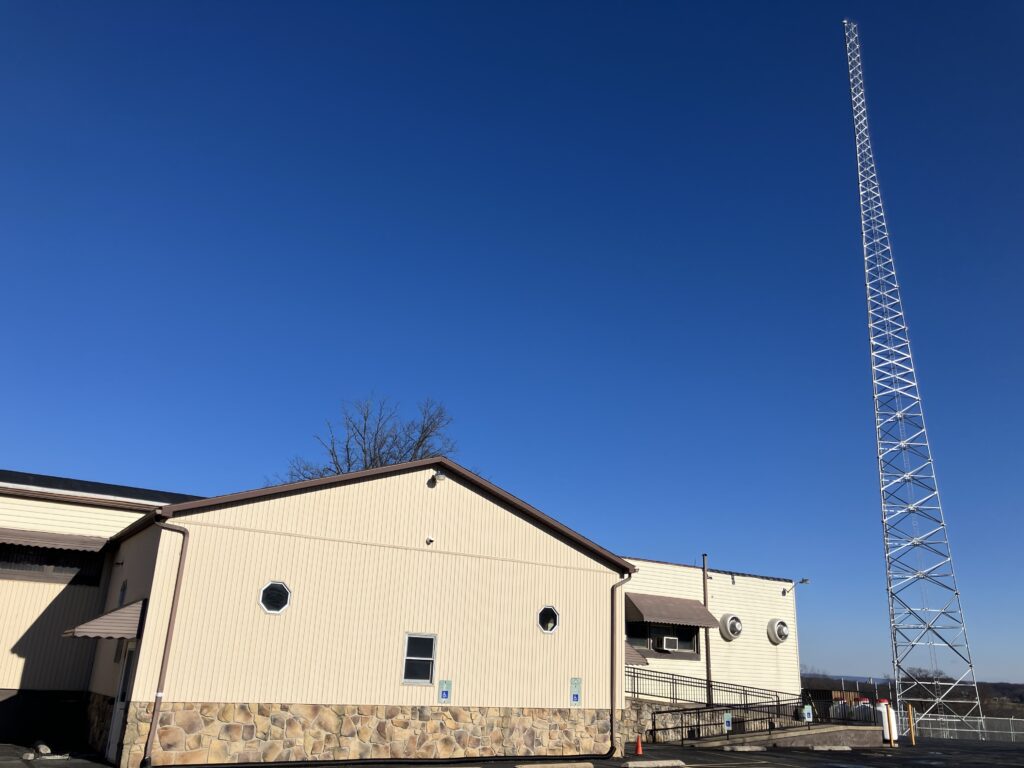
The financial reality can be problematic in rural areas, added Dowd.
“So when you’re talking about EMS (volume) from the municipal standpoint, there’s just none. None of these municipalities in that part of the county have enough call volume to justify having a dedicated ambulance,” he said. “But even if they did, you’re still talking about an ambulance that eventually could go somewhere else. So any system that you put together has to rely on mutual aid. It has to rely on the fact that one day you might not be in the station because you’re already on a call and somebody else is going to have to come in and cover for you. And I think that is where the hang up is in this entire situation.”
Remaining solvent has to occur, Dowd said; otherwise the alternative is having no ambulance service at all.
“EMS is very expensive, and without some sort of understanding of jurisdiction and market share, it would be impossible for these companies to predict what their revenue is and impossible for them to stay solvent. So you have to have something in place that says, this is your area, these are your calls, you’re gonna make this much from it,” he said. “Here’s the difference, this is where we’re gonna have to charge municipalities to keep this (vehicle) in service. So you have to do that, but there are a number of different ways to do that, and there are a number of different variables that can come into play.”
Gilbert’s statement noted existing relationships that exist among ambulance services.
“Like fire and police services, EMS depends on strong cooperation, coordination and mutual aid – especially during periods with high call volumes or major incidents. Life Lion EMS is proud to contribute significantly to mutual aid efforts. We are committed to working closely with our community partners and maintaining open communication. When questions or differences arise, we welcome collaborative review of response practices to support patient-centered care and the appropriate use of on-scene resources,” he wrote.
“Lebanon County is served by several strong, well-managed EMS agencies that continue to deliver excellent care despite ongoing challenges. Penn State Health Life Lion EMS is honored to be among them and remains committed to serving our communities with integrity, collaboration, and clinical excellence,” he added.
Sensenig’s post ends with a call to public action.
“To share your concerns or personal similar experiences we suggest you contact your local and state officials or Lebanon County Department of Emergencies Services to request review and corrective action regarding EMS coverage in Bethel Township,” he wrote. “We remain deeply grateful for the EMS professionals who serve every day under challenging conditions. Mt Zion Fire Company is committed to advocating for a system that ensures rapid, reliable emergency care for our community.”
Questions about this story? Suggestions for a future LebTown article? Reach our newsroom using this contact form and we’ll do our best to get back to you.

Build the future of local news.
Cancel anytime.
Monthly Subscription
🌟 Annual Subscription
- Still no paywall!
- Fewer ads
- Exclusive events and emails
- All monthly benefits
- Most popular option
- Make a bigger impact
Already a member? Log in here to hide these messages
You know us because we live here too. LebTown’s credibility comes from showing up, listening, and reporting on Lebanon County with care and accuracy. Support your neighbors in the newsroom with a monthly or annual membership, or make a one-time contribution. Cancel anytime.