In the summer of 1888, John Wesley “J.W.” Etter, a popular Methodist pastor in Lebanon, camped for several weeks in the unsettled woods of Mount Gretna where he experienced an easing of the illnesses he had endured throughout much of his life.
It is not clear whether Etter ever attributed his improved health to drinking daily from one of the area’s many natural springs, but that didn’t stop others from asserting that Etter had discovered a “medicinal spring” with healing properties.
“The medicinal spring is one of the many that attracts special attention for its coldness and wonderful flow of crystal water,” according to a July 13, 1892, article in the Lebanon Daily News.
Where exactly Etter camped is unknown, but an 1897 map labels a “medicinal spring” at what is today the Mount Gretna Tennis Club.
‘Numberless springs of water’
In the early 1880s, Robert H. Coleman sought to develop a picnic grove along his Colebrook Valley Railroad — later, Cornwall & Lebanon Railroad — to boost ridership. The easily accessible springs along with abundant woodlands put Mount Gretna on the map.
These springs stem from the area’s geologic past and the sedimentary rock strata formed through erosion and deposition. The rock layers of Mount Gretna include quartz pebble conglomerates, shale and sandstone, with sandstone predominant.
Sandstone has large fractures and pore spaces so can hold sizable quantities of water that can be tapped with pumps and wells. Springs — where groundwater flows onto the land surface — are common in sandstone formations.
Within two years of siting a picnic grove and park, Coleman had many of the springs enclosed perhaps to protect the water from contamination.
“A unique feature of the place is the numberless springs of water,” according to the Catalogue of the Pennsylvania Chautauqua 4th Annual Assembly. “Many of them are walled up with confining circles of masoned sandstone.”
When the Pennsylvania Chautauqua was founded in 1892, two springs were identified, according to the Daily News’ Aug. 4 edition of that year. One was near the entrance to the grounds — and can still be found close to the Porch & Pantry restaurant. The other was off the main avenue and was frequented by cottagers going to the lake.
In Chautauqua’s first years, that spring is most often touted for its refreshing, pure and cold water with little mention of healing or curative powers — but that changed in 1895.
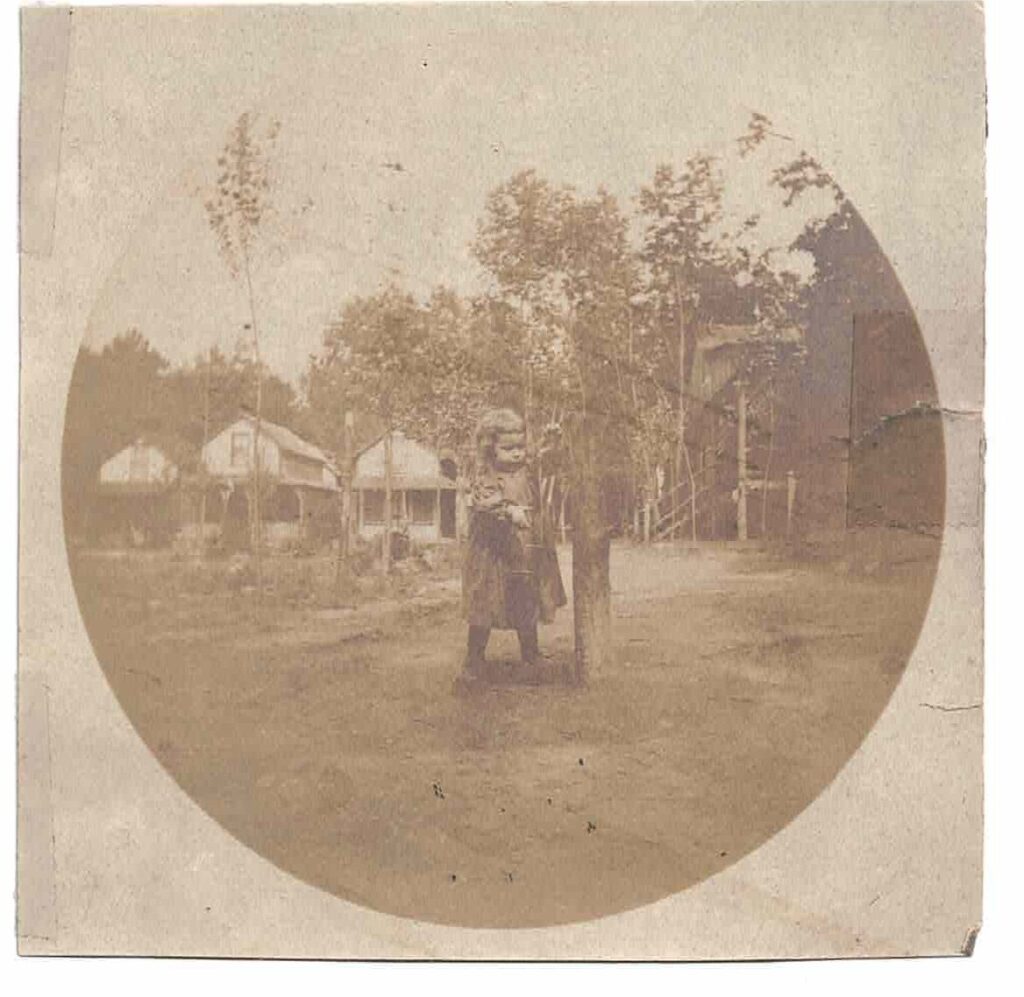
Spring’s ‘medicinal’ reputation grows
The illnesses that Etter suffered throughout his life are never described, but they clearly were debilitating. In late 1886, they caused him to step away from pastoral duties for several months. A year later, when offered the presidency of Lebanon Valley College, he turned it down, citing health reasons.
Etter’s seeming recovery isn’t noted in news stories until his death in March 1895. According to his obituary in the Lebanon Daily News, during his four years in Lebanon, he “improved in health, having been especially benefitted by camping out several months at Mt. Gretna at the spring since become noted as the ‘Medicinal’ spring.”
Several months later, the Lebanon Courier and Semi-Weekly Report credited Etter with discovery of “the medicinal spring which is frequently far more valuable to the system than pills and powders compounded at the apothecary.”
Others also extolled the spring’s curative powers. John Cilley, who designed Chautauqua’s first auditorium, described himself as a “great lover of the Mt. Gretna water and especially the medicinal spring which he claims is better for him than medicine and of which he drinks large potions daily,” the Lebanon Daily News reported in September 1895.
By 1897, the spring became known for “toning up the system, curing dyspepsia, rheumatism and kindred ailments,” the Lebanon Daily News reported in August 1897.
J.R. Boughter, address unknown, sought to capitalize on the spring’s medicinal reputation. In January 1896, he offered to deliver Mount Gretna water for 5-cents per gallon provided enough people sent him a postcard requesting the service, according to the Lebanon Daily News.
Whether this early foray into bottled spring water was successful is not known.
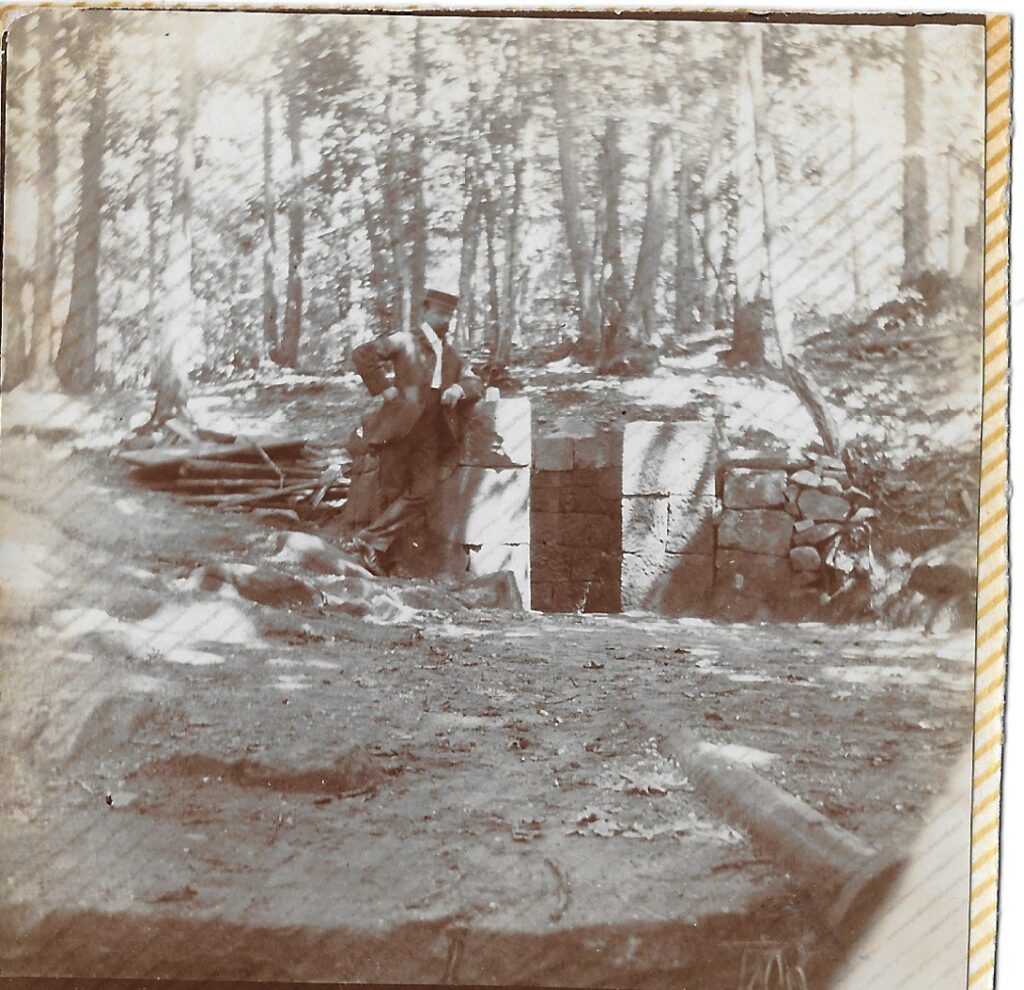
Pumping the spring
Within two years of its founding, the Chautauqua board recognized the need for a continuous and abundant supply to meet cottagers’ and visitors’ needs and set about creating a water system.
A pump was installed in the spring and powered by “a pretty little engine,” according to the Catalogue of the Pennsylvania Chautauqua 4th Annual Assembly. That engine pumped water to a holding tank with a capacity of 4,000 gallons on a hilltop at the southern end of Chautauqua.
From there, water flowed down into Chautauqua in 2-inch mains and into 28 hydrants throughout the grounds, according to the June 25, 1894, Lebanon Daily News.
As more and more cottages were built, demand for water grew. In 1897, a reservoir of brick and cement with capacity of 10,000 gallons was built “on the highest point in the Chautauqua grounds,” according to the Lebanon Daily News.
Three years later, the system grew again with another reservoir — this one had a 50,000-gallon capacity. A steam pump moved the water from the medicinal spring up the hill, and the 2-inch water mains were replaced with 4-inch mains extended to all cottages. The spring yielded 1,800 gallons per hour — a remarkable quantity, according to the Daily News.
By 1910, all mention of the medicinal spring in local news reports dries up.
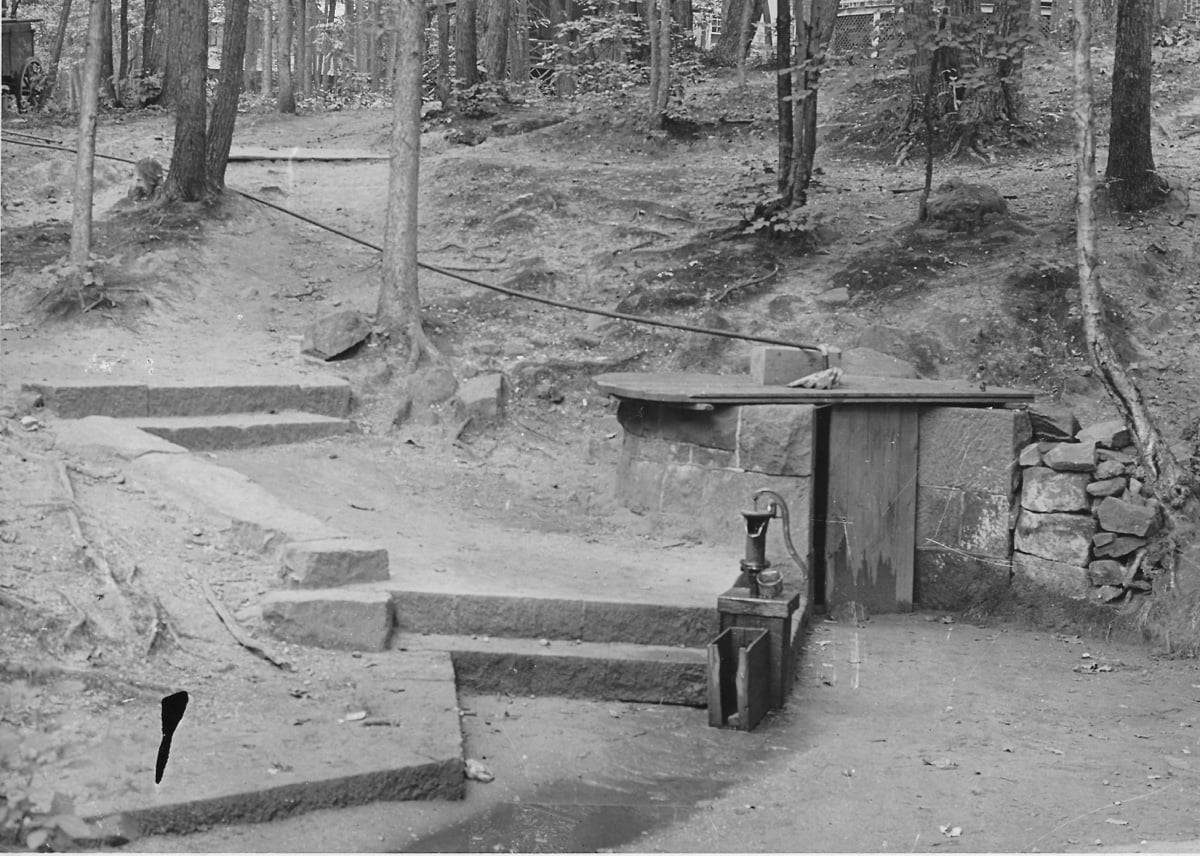
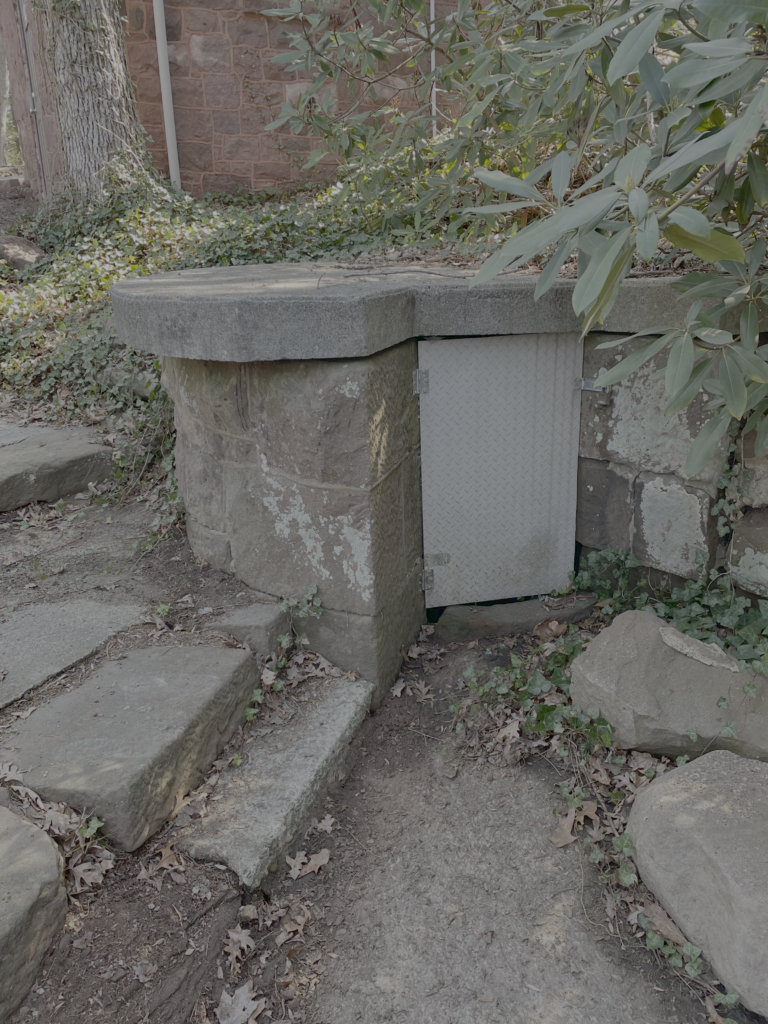
Today what likely was the medicinal spring is capped and enclosed although when that happened is unknown. Also not known is when a hand pump was removed. In the 1960s, there was a drinking fountain, but that, too, is gone.
Not far from the spring is one of the borough’s three wells that provides water to residents and businesses. Its yield is 80 gallons per minute and likely draws from the same aquifer as the medicinal spring.
Questions about this story? Suggestions for a future LebTown article? Reach our newsroom using this contact form and we’ll do our best to get back to you.

Join our community of local news champions.
Cancel anytime.
Monthly Subscription
🌟 Annual Subscription
- Still no paywall!
- Fewer ads
- Exclusive events and emails
- All monthly benefits
- Most popular option
- Make a bigger impact
Already a member? Log in here to hide these messages
Strong communities need someone keeping an eye on local institutions. LebTown holds leaders accountable, reports on decisions affecting your taxes and schools, and ensures transparency at every level. Support this work with a monthly or annual membership, or make a one-time contribution. Cancel anytime.