We’re celebrating Lebanon County’s role in American history. Read more here.

Lt. John Weidman was a Revolutionary War soldier and patriot who served under Gen. George Washington.
He was also a prominent Lebanon countian who became a surveyor, businessman, and associate judge. His life of service was honored when Weidman Street in Lebanon was named after him, and his legacy lived on through family members who made significant contributions to the Lebanon Valley.
Early life
Weidman was born on June 4, 1756, in Warwick Township, Lancaster County, according to the 1904 publication “The Biographical Annals of Lebanon County, Pennsylvania,” subtitled “Biographical Sketches of Prominent and Representative Citizens and of Many of the Early Settled Families.”
“He received a good education, and was brought up to commercial pursuits in Philadelphia. At the outbreak of the war for Independence he became an officer in one of the associated battalions, and when Congress directed the organization of the German regiment he was commissioned an ensign.”
According to various sources, his commission was activated in early April or July, 1776. He served the burgeoning nation as a soldier for five years.
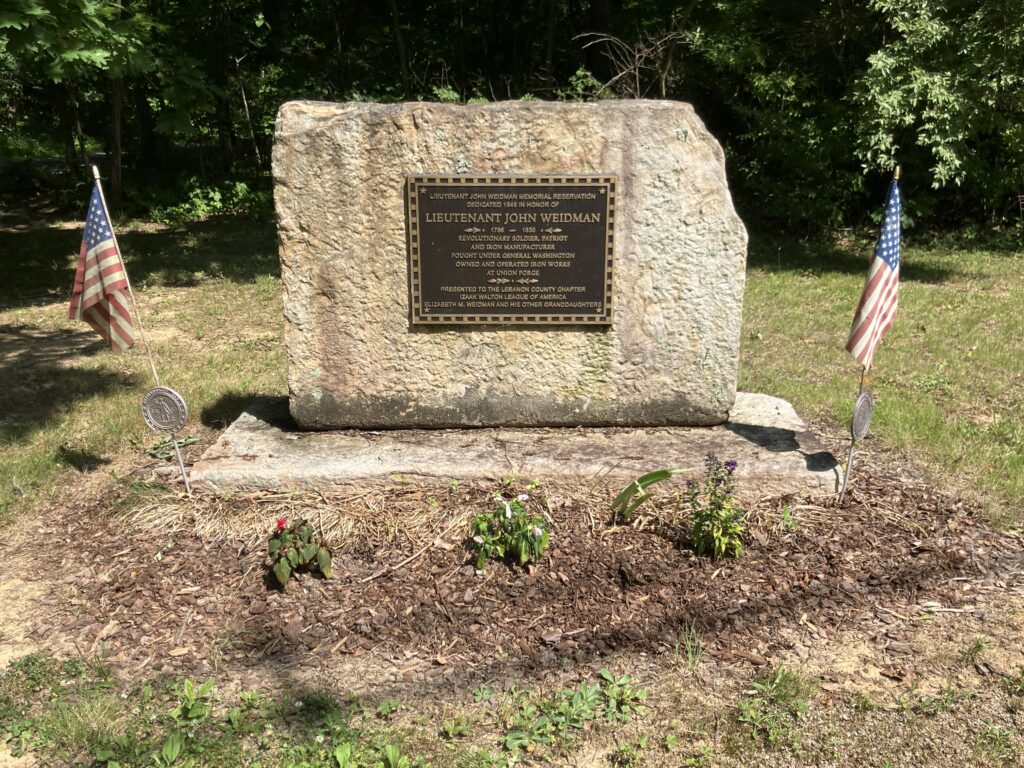
Revolutionary soldier
Weidman was assigned to the German regiment under Washington. The website Find a Grave and the annals publication note Weidman was promoted to first lieutenant on May 14, 1777. His war record includes active duty at the battles of Brandywine, Long Island, Fort Washington, White Plains, Princeton, Germantown, Monmouth, Newton, and the first and second battles of Trenton.
“A brave and gallant officer, he was among the distinguished men of the German regiment who not only acquitted themselves nobly upon the battlefield, but who bore the fatigue and privations of the terrible winter of 1778 at Valley Forge,” the annals state.
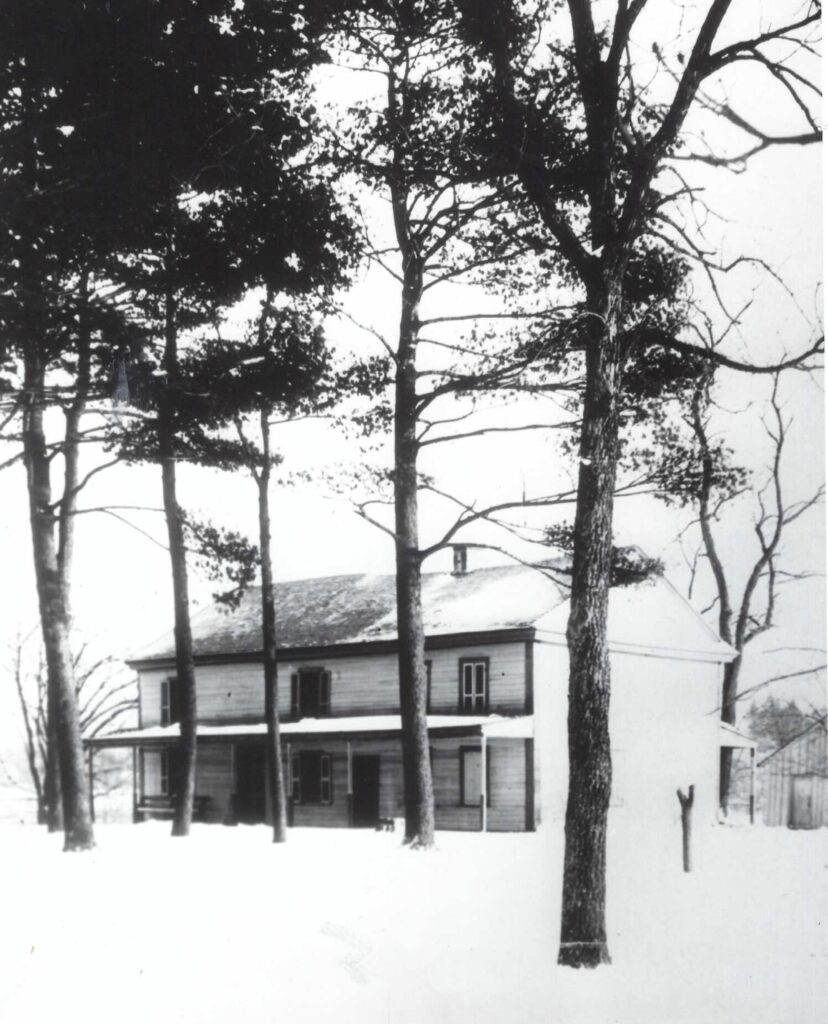
Weidman was a prisoner of war on two occasions, following the battles of Brandywine and Fort Washington.
At Fort Washington, Weidman was among the 2,800 poorly equipped soldiers who faced a combined 9,000 British and Hessian fighters. The overwhelming lack of manpower is cited as leading to the capture of Weidman and many others.
Weidman was cited as being a soldier who “served his country honorably until the battalion was discontinued on Jan. 1, 1781.”
Honoring a patriot
Weidman was an original member of the Society of the Cincinnati, which is now the nation’s oldest patriotic organization and whose headquarters, library, and museum are located at Anderson House in Washington. Membership was open only to officers who made significant contributions to the American Revolution.
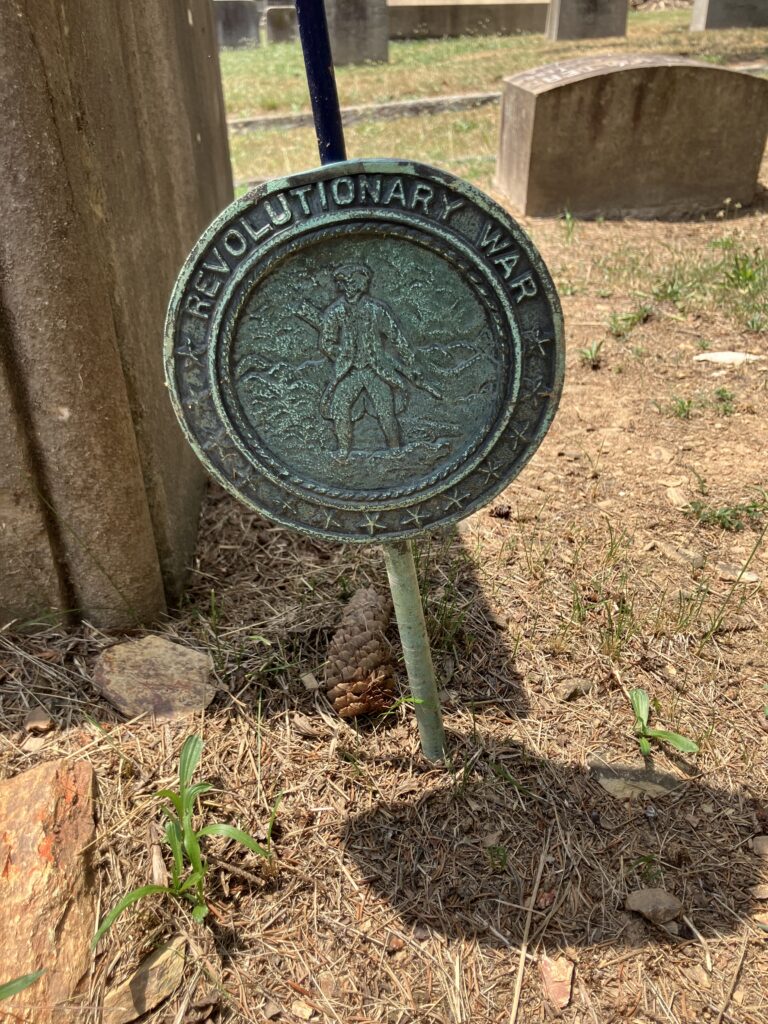
Civilian life
At the close of the war, Weidman resumed commercial life in Philadelphia, but later returned to the neighborhood of his birthplace in Lancaster County, where he operated a store. “Having been well-educated, he also did surveying in the neighborhood,” the annals note.
Weidman married Catherine Mason of Philadelphia on May 1, 1786. Catherine and John had five children: Elizabeth, Jacob, Barge, John, and Maria. Born Feb. 16, 1763, historical records note Catherine’s death in Lebanon on Oct. 8, 1794.
Coming to Lebanon County
The year 1800 marks Weidman’s arrival in East Hanover Township, Dauphin County, in an area that later would become Lebanon County. A Lebanon Daily News article dated Jan. 23, 2015, highlights Weidman’s role in helping to survey portions of Lebanon County.
“When Lebanon County was formed February 10, 1813 from parts of Dauphin and Lancaster Counties, the northern boundary of the Survey was along the Blue Mountain ridge, but by an Act of Legislature, dated March 29, 1821, the northern line was extended to the ridge on the Fourth Mountain, now called Stoney Mountain.”
A bill for those services was filed in the Lebanon County Commissioners’ basement’s storage room, dated April 30, 1814, showing the survey was made by representatives of Dauphin, Lancaster and Lebanon counties, costing $378.37, with each county paying a third. John’s son Jacob B. Weidman, as attorney, received $8 for his services.
Another bill dated May 1815 shows John Weidman and Samuel Jacobs received $40 for five days “surveying township lines and annexing to Lebanon County part of the townships of Mount Joy, Rapho, Warwick, Elizabeth and Cocalico, Lancaster County and part of West Hanover, Dauphin County to their adjoining townships.”
The same year they received $52.25 for drawing township lines within the county, which then consisted of Lebanon, Annville, Londonderry, East Hanover, Bethel, and Heidelberg townships.
Iron manufacturer
Weidman was also in the iron business.
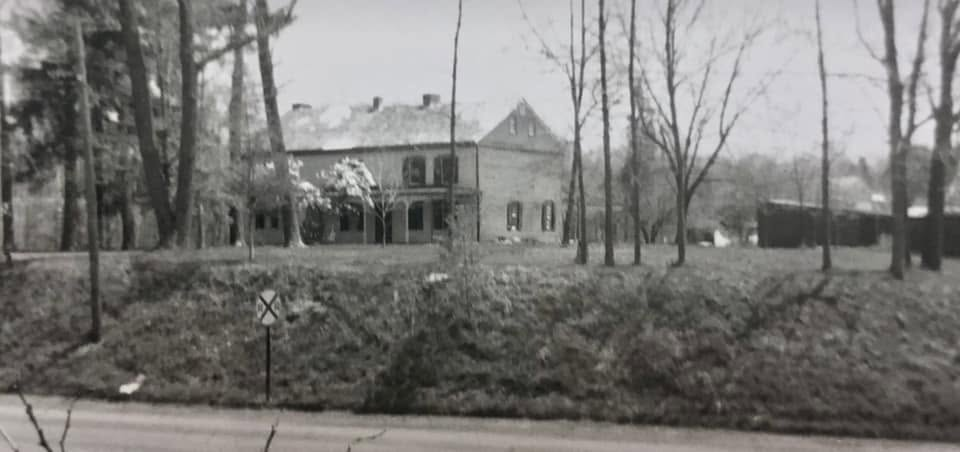
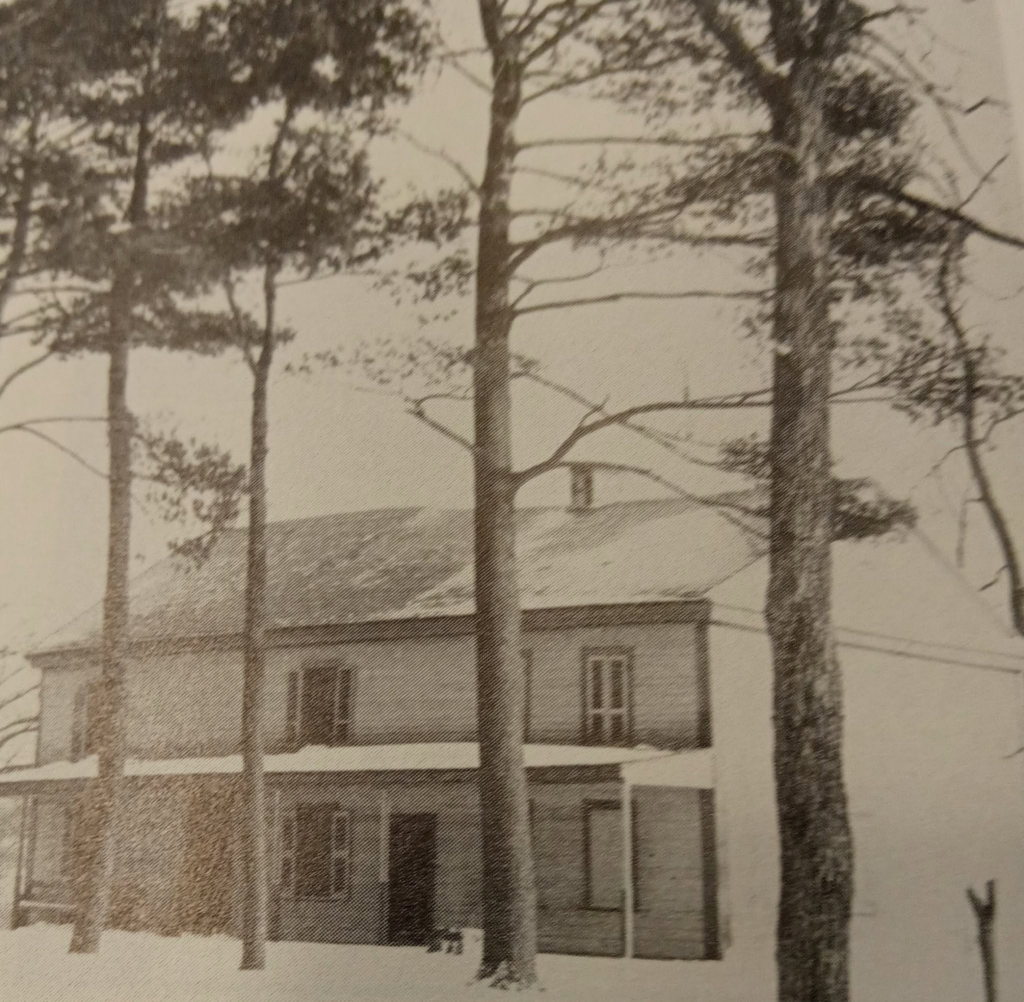
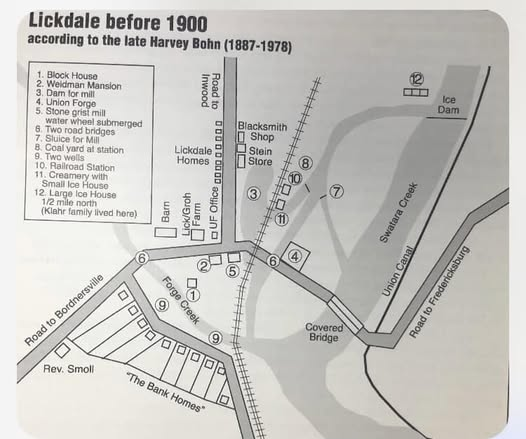
After he sold another forge, he purchased the Union Forge in Lickdale in 1802 from Robert Coleman for 8,000 pounds, and the Weidman family operated it successfully for 66 years. The Weidman family lived in an estate at the southwest corner of Route 72 and Fisher Avenue, which was near the forge.
City resident & associate judge
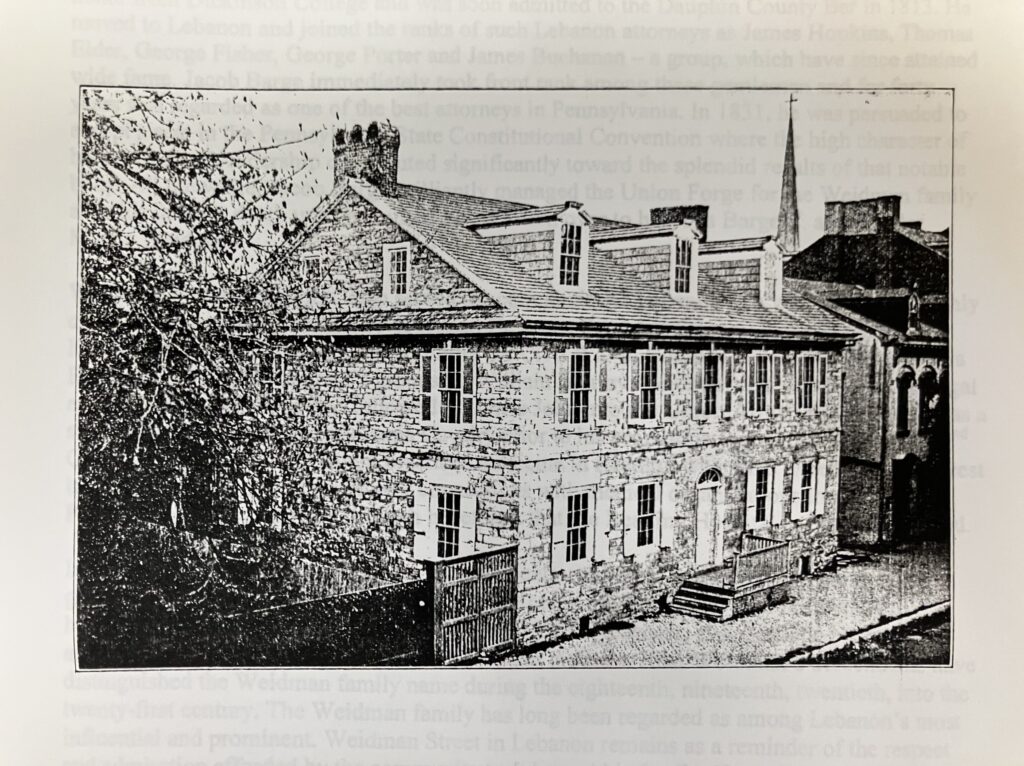
John eventually moved to Lebanon and established a residence at 9-11 N. Ninth St., according to records. He was a friend of James Buchanan, who also practiced law at the former courthouse that today is the headquarters of the Lebanon County Historical Society on Cumberland Street. Buchanan reportedly visited Weidman’s home frequently.
The annals say that John “was a man of fine judgment, his gifts being utilized as one of the associate judges of that day.” Weidman served as an associate judge in Lebanon County from 1821 to 1830.
Weidman Street
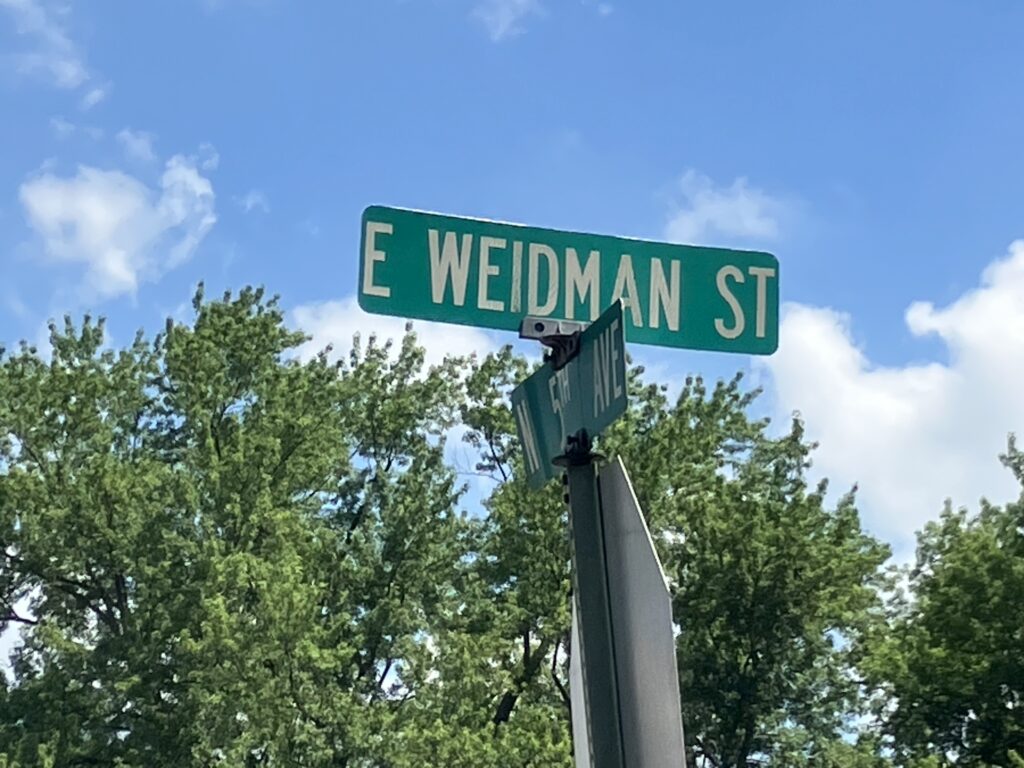
John’s contributions and those of other family members, including Major Grant Weidman, who fought in the Civil War and held multiple leadership roles with Lebanon National Bank, and Jacob Weidman, who helped launch the Lebanon County Bar Association, contributed to Weidman Street on the north side of the city being named in the family’s honor for their service and dedication to the area.
“For over a century, the individual members of this family have gone in and out before the people of Lebanon County, the early members, as well as those of later date, having been men of probity who lived upright lives in the community. Beginning with Captain John Weidman of Revolutionary fame, it has furnished Lebanon County not a few of her leading citizens, in both commercial and professional walks of life,” the annals note.
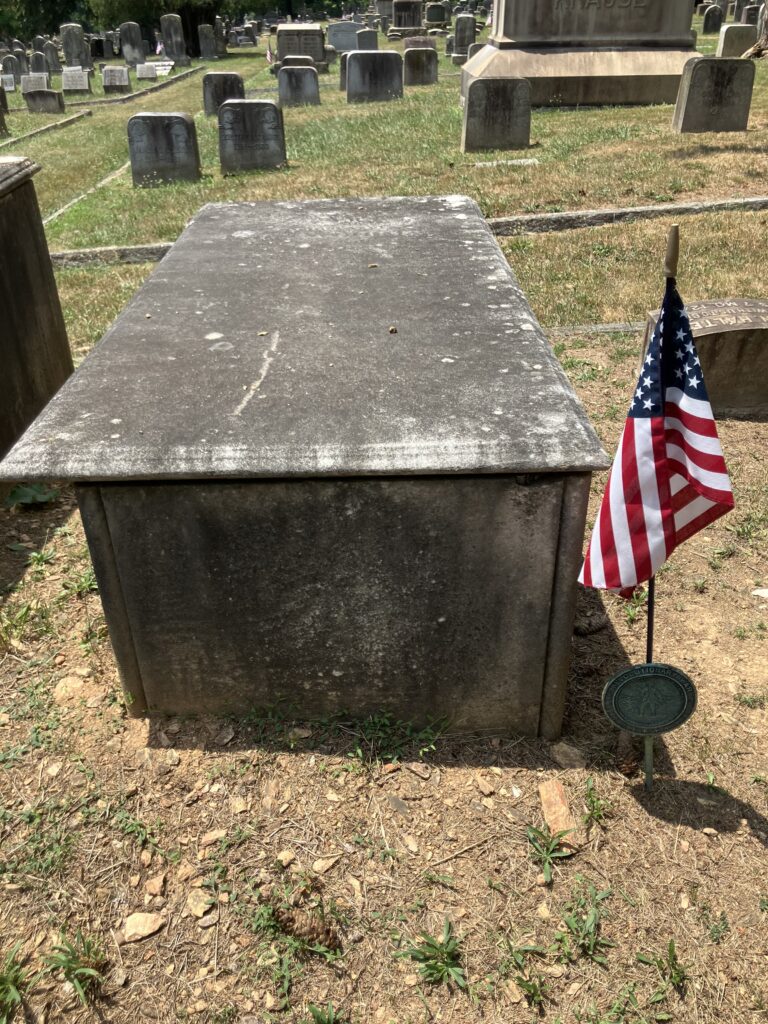
After a long and highly honorable career, Weidman died at age 74 on June 6, 1830, and was laid to rest in Old Salem Lutheran Cemetery. He was later moved and reinterred in Mount Lebanon Cemetery in section H, which contains numerous Weidman family members, including Jacob and Grant Weidman.
Upon John’s death, it was written that someone was overheard asking, “Where is the man who does not love him?”
Questions about this story? Suggestions for a future LebTown article? Reach our newsroom using this contact form and we’ll do our best to get back to you.

Support Lebanon County journalism.
Cancel anytime.
Monthly Subscription
🌟 Annual Subscription
- Still no paywall!
- Fewer ads
- Exclusive events and emails
- All monthly benefits
- Most popular option
- Make a bigger impact
Already a member? Log in here to hide these messages
Free local news isn’t cheap. If you value the coverage LebTown provides, help us make it sustainable. You can unlock more reporting for the community by joining as a monthly or annual member, or supporting our work with a one-time contribution. Cancel anytime.