The implementation of Lebanon County’s crisis system enhancement plan is paying off dividends for area residents.
However, the future of some of those services could be in jeopardy due to implementation of required national standards that aren’t necessarily needed here but are required without additional funding for mental health agencies across the commonwealth.
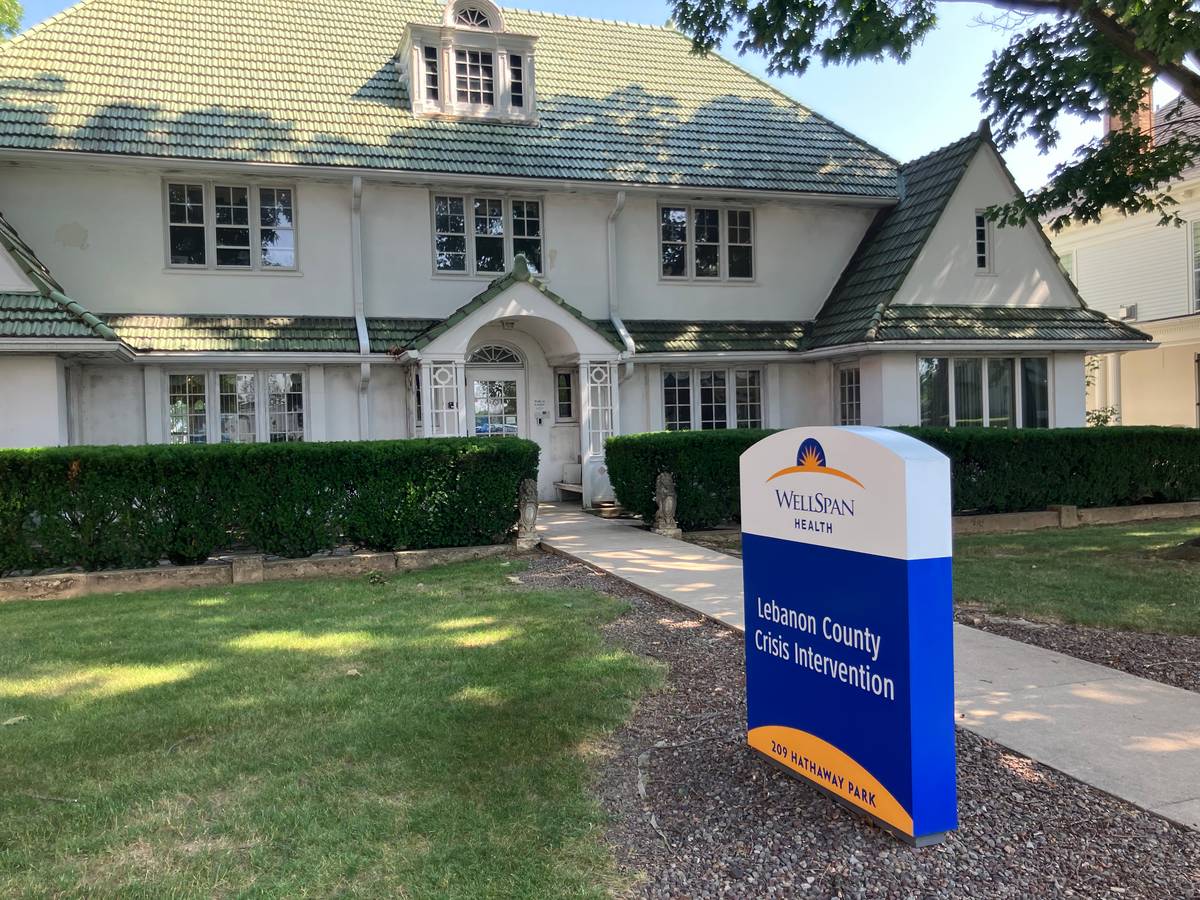
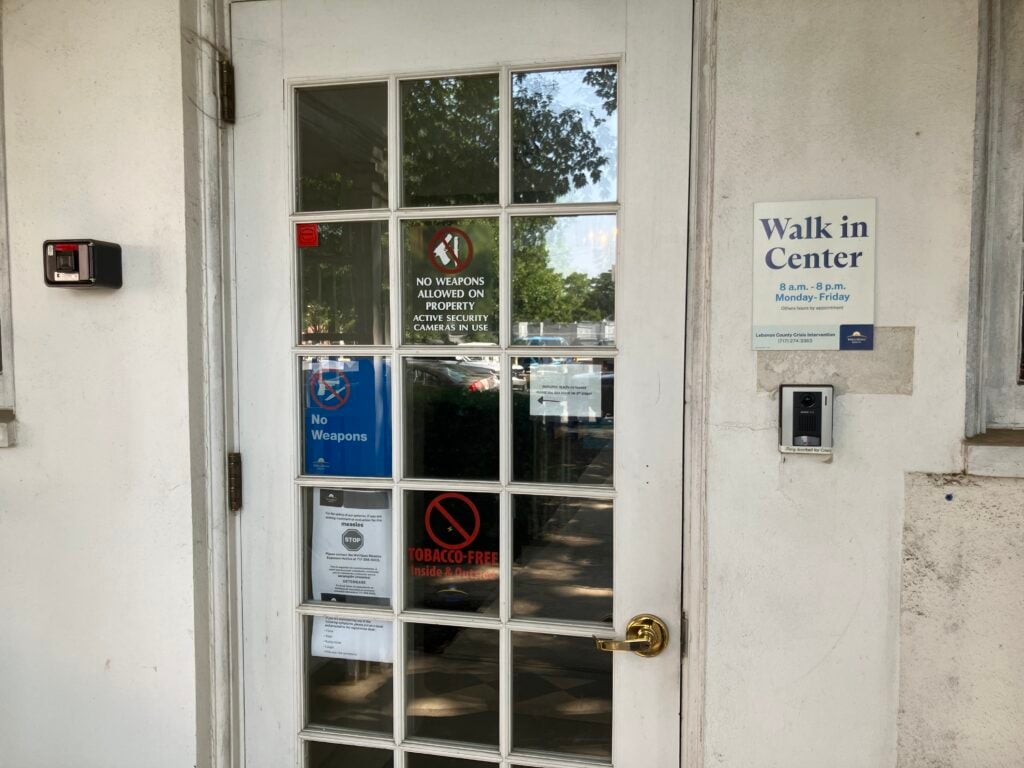
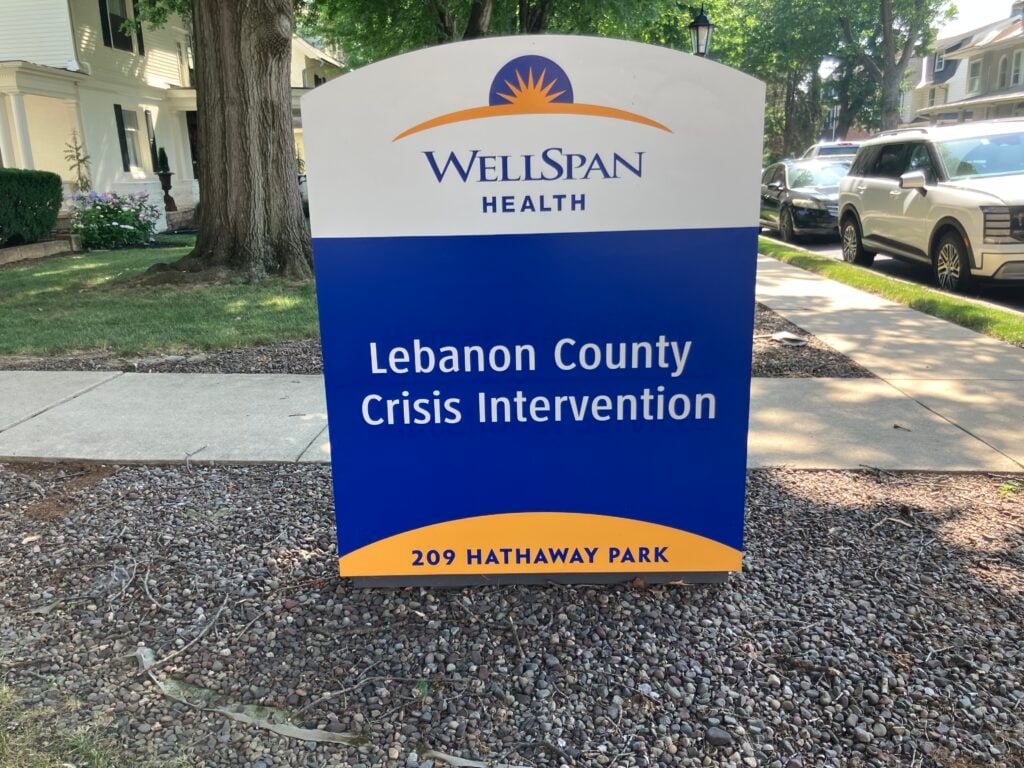
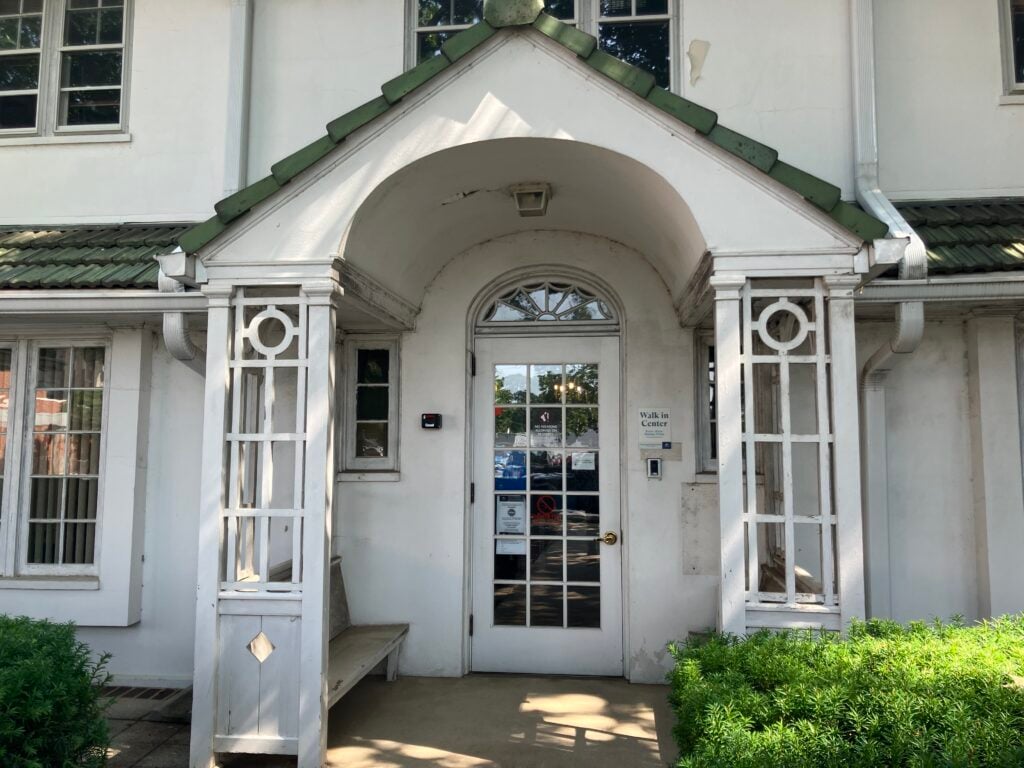
One of many recommendations included in the plan was the creation of the county’s crisis walk-in center at 209 Hathaway Park, which offers easy community access while diverting individuals from the emergency department at neighboring WellSpan Good Samaritan Hospital. The walk-in center opened in January 2024.
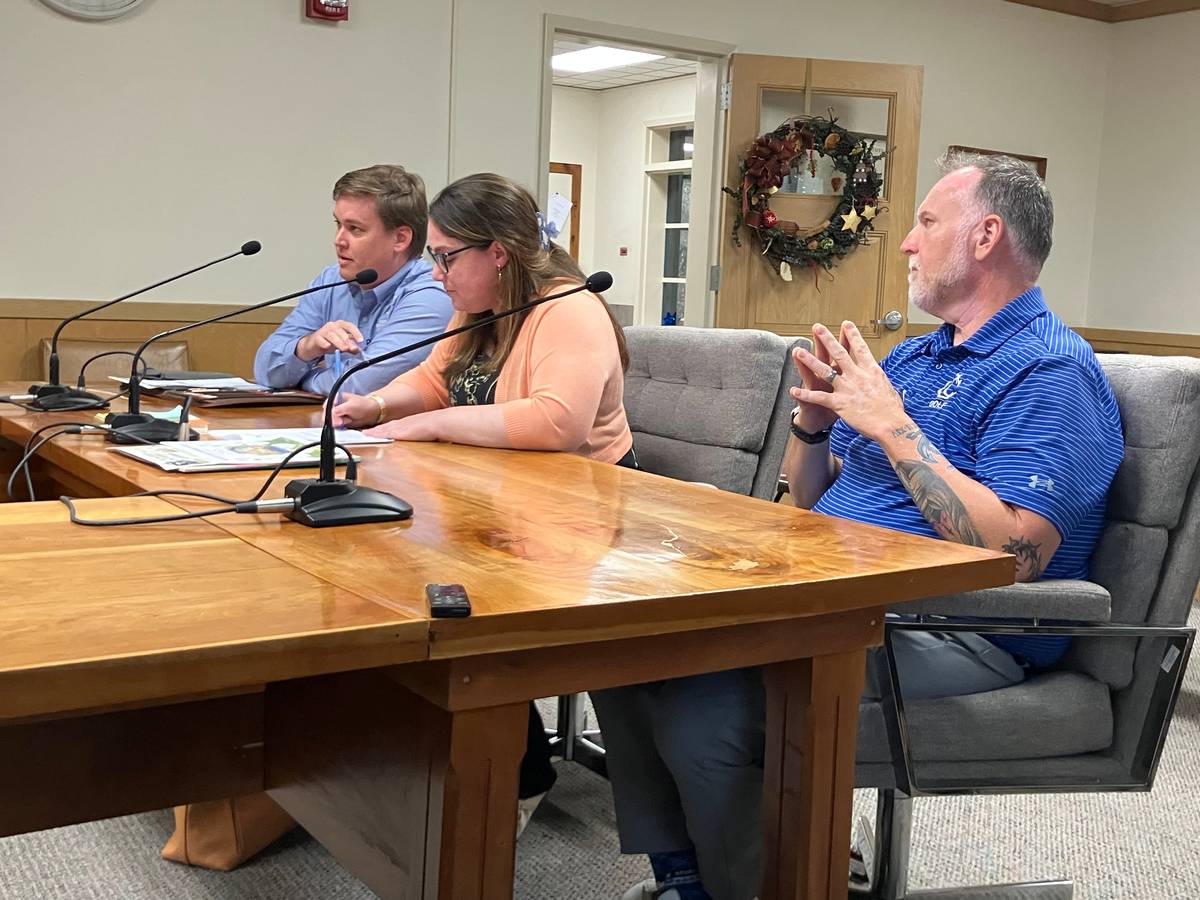
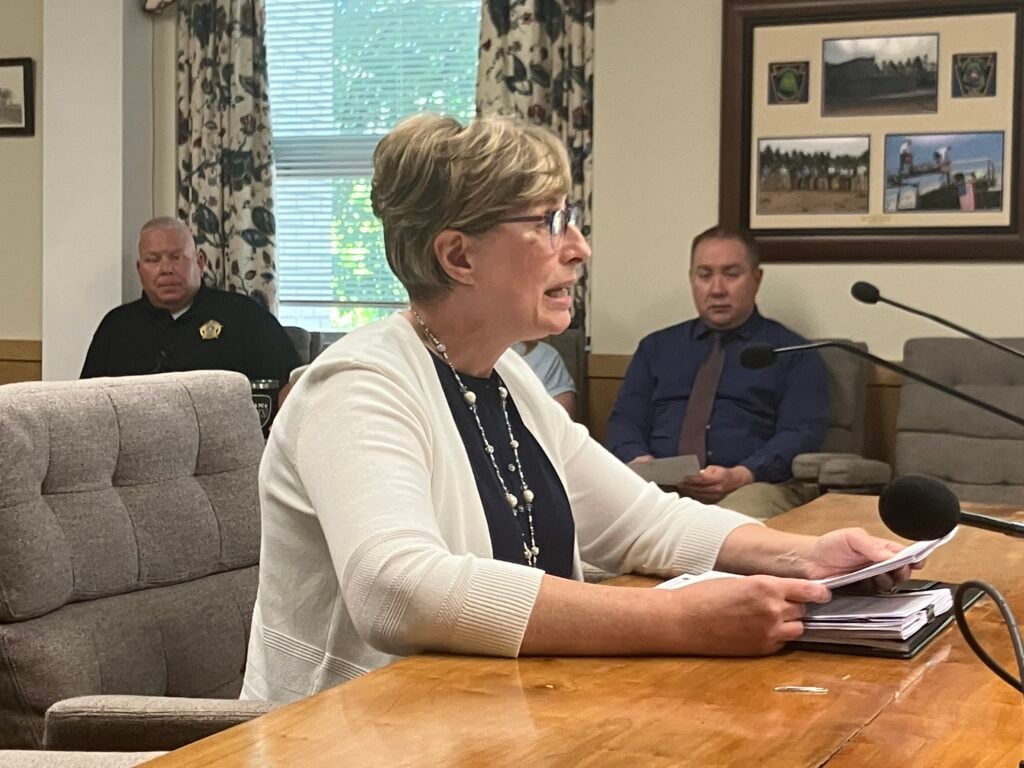
“I think one of the things giving us hope is we’ve seen such a positive trajectory in all of our numbers,” said Kasey Felty, program specialist at Lebanon County Mental Health/Intellectual Disability/Early Intervention.
Felty said throughout all of its programs, county officials have seen a 79% increase in mobile crisis responses and a related 14% decrease in emergency room visits.
“That is a huge increase since we’ve kind of gone through this evolution and brought in this enhancement plan,” she said. “I mean, that is big. We’ve seen a 30% increase in using the walk-in center since we’ve moved … locations.”
Despite the accomplishments, MH/ID/EI administrator Holly Leahy said officials realize there’s room for improvement.
“This is a journey, this is a process, but we are seeing our numbers move up in positive ways. We’re seeing the community utilizing these services and embracing these new services and the changes that we have made,” she said. “That continues to keep us moving in the right direction and keeps us hopeful through this process.”
In October 2022, all 67 Pennsylvania counties were directed to implement a “full continuum of crisis intervention services that align with national best practice standards.”
Given one of three funding categories with a goal of increasing access to mental health crisis services, Lebanon County mental health officials chose to “formally access the current crisis intervention system and develop and implement an action plan.” The Lebanon County Crisis System Dynamic Enhancement Plan was born with the assistance of The Panto Group, a crisis system consultant based in Catasauqua, Lehigh County.
Company president Don Panto told LebTown his agency interviewed over 95 stakeholders and consumers, collected qualitative data, then examined and compared their findings to SAMHSA’s National Guidelines for Behavioral Health Crisis Care. SAMHSA is the Substance Abuse and Mental Health Services Administration.
“We came in and there were already a handful of improvements that Lebanon County was involved with to improve the crisis system. And they really wanted to maximize their capabilities. Being a small rural Pennsylvania County, there’s many challenges, not the least of which is the funding that’s available,” he said.
A lack of funding did not deter county officials from moving forward with a formal action plan, according to Panto.
“We wanted to create an assessment of not only what the optimal is based on national guidelines that had been published through SAMHSA, and to be able to at least index what the optimal is, but then to more relevantly assess what’s doable,” he said, “with the capabilities that the county has, with the way they’ve braided their resources together and worked effectively with their community partners and with their crisis services providers, just to be able to put together what are the things that are doable and can best serve the community.”
Throughout the multi-year process of creating the plan that launched in October 2022, the county’s mental health agency started implementing recommendations immediately to benefit the greater Lebanon County community.
Current accomplishments include:
- Expansion of mobile crisis service to include real-time community response and meeting people in the community where they are.
- Integration of certified peer specialists into crisis mobile responses and walk-in services.
- Creation of the Mobile Crisis Collaboration Team to align mental health WellSpan, Department of Emergency Services/911, Emergency Management Services, and law enforcement agencies.
- Improved technology including DES-issued phones with GPS and computer-aided dispatch integration for the safety of the crisis workers in the community and further alignment with DES.
- Collaboration with DES/911 for future automatic deployment of crisis intervention mobile service as a first responder.
- Creation of the crisis community liaison role to educate, collaborate, and improve awareness of crisis services among schools, first responders, providers, and the community.
- Piloting crisis response to Safe2Say tips regarding anxiety, depression, suicidal ideation, and cutting.
- Crisis staff meeting with each Lebanon County police department and school district to provide education on available crisis services and support.
As of February, the crisis response team saw more people in the community than those who were admitted to the emergency room at WellSpan for the six consecutive month, and there was a 9% decrease in involuntary commitments for fiscal year 2023-24 of 309 to 280 in FY 2024-25.
Other positive results are:
- Over a 95% decrease of behavioral health patients boarding in the emergency department more than 72 hours in 2022 (6.46%) to 0.31% in 2025.
- A decrease in the average length of stay in the emergency department for behavioral health services from 27.8 hours in 2022 to 12.8 hours in 2025.
Efforts to improve mental health crisis response practices in Lebanon County has not gone unnoticed. The Lebanon County Crisis Intervention Program and WellSpan won two awards each in 2026 that recognized their accomplishments.
Both received a Community Champions Award from the Hospital Association of Pennsylvania for their submission of “Less Trauma, Better Care: A new model for behavioral health crisis response.” They were also 2026 winners of the I Am Patient Safety Award under the healthcare disparity category through the Patient Safety Authority.
Awards aside, Leahy noted their greatest success has been in the decrease in the number of completed suicides, which dropped from 30 in 2024 to 18 in 2025. Additionally, the number of individuals presenting to crisis with suicidal ideation and seeking help over that period continues to rise, she added.
Read More: (March 2026) Drug overdose deaths, suicides fall by nearly half in Lebanon County in 2025
Near the end of June 2026, there were eight completed suicides, according to Felty.
“Our goal is always to be at zero, but that is still lower than I think historically we’ve seen in the last couple of years,” Felty said. “Along with that, with our recent crisis efforts, we’ve seen a decrease in involuntary commitments. So individuals who’ve had to involuntarily go into the hospital because they were not able or had the ability to consent to being hospitalized. … So all our numbers are trending in very positive ways for the services that we have within the county regarding crisis.”
Although the county has made great strides, implementation of all of the required national standards by 2027 may cost Lebanon County – and other rural counties like it – some of its services, according to Leahy. There are seven additional recommendations the county seeks to add based on the plan.
“Unfortunately, the national standards and what the state intends to put into regulations in 2027 do not align very well with small rural counties. And in all actuality, what the national standards require, the walk-in centers are quite robust with crisis stabilization units and labs, (staff) positions and really a lot of other things happening,” she said. “But it doesn’t take into consideration that that isn’t the needs of Lebanon County.”
Leahy noted that’s because the one-size-fits-all national requirements being placed on all counties without additional predictable funding is problematic for small rural areas like Lebanon County.
“We don’t particularly see individuals coming to crisis intervention needing that (robust) level of care. However, if we do, we could send them to one of our regional centers. There is one in Dauphin County,” added Leahy. “One of our main concerns is that there are portions of the regulations that they intend to put into law that will be extremely difficult and probably impossible for us to create here in Lebanon County with the financial resources and the staff and credentials for individuals within our county.”
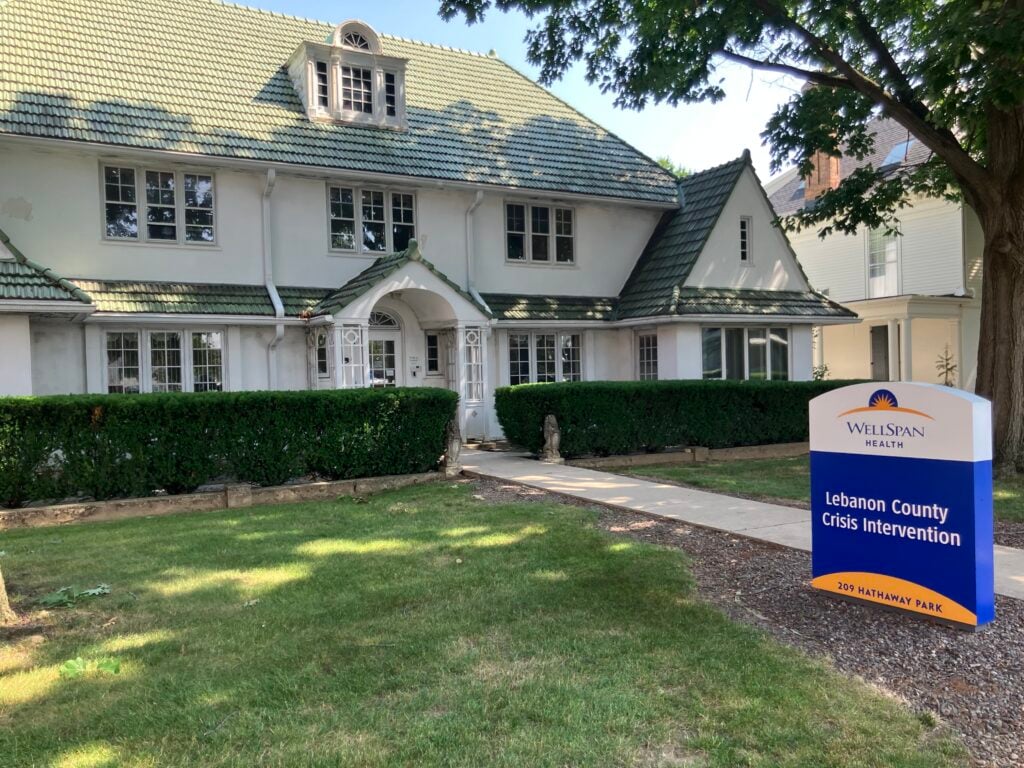
Leahy said most rural counties don’t have the financial resources to create the level of services being mandated. She added Lebanon County currently has its walk-in center, Mobile Crisis Intervention team, and crisis telephonic services in its crisis services playbook.
“There are many factors that will go into that, but we may actually lose some services in the process of (implementing the new) state regulations,” she said. “We don’t anticipate losing our current level of funding, but the state is not offering additional funding in order to implement the enhanced robust services. … So it is a great concern that we could in the process actually lose something that’s very important to our Lebanon County community.”
Questions about this story? Suggestions for a future LebTown article? Reach our newsroom using this contact form and we’ll do our best to get back to you.

Be part of Lebanon County’s story.
Cancel anytime.
Monthly Subscription
🌟 Annual Subscription
- Still no paywall!
- Fewer ads
- Exclusive events and emails
- All monthly benefits
- Most popular option
- Make a bigger impact
Already a member? Log in here to hide these messages
Our community deserves strong local news. LebTown delivers in-depth coverage that helps you navigate daily life—from school board decisions to public safety to local business openings. Join our supporters with a monthly or annual membership, or make a one-time contribution. Cancel anytime.