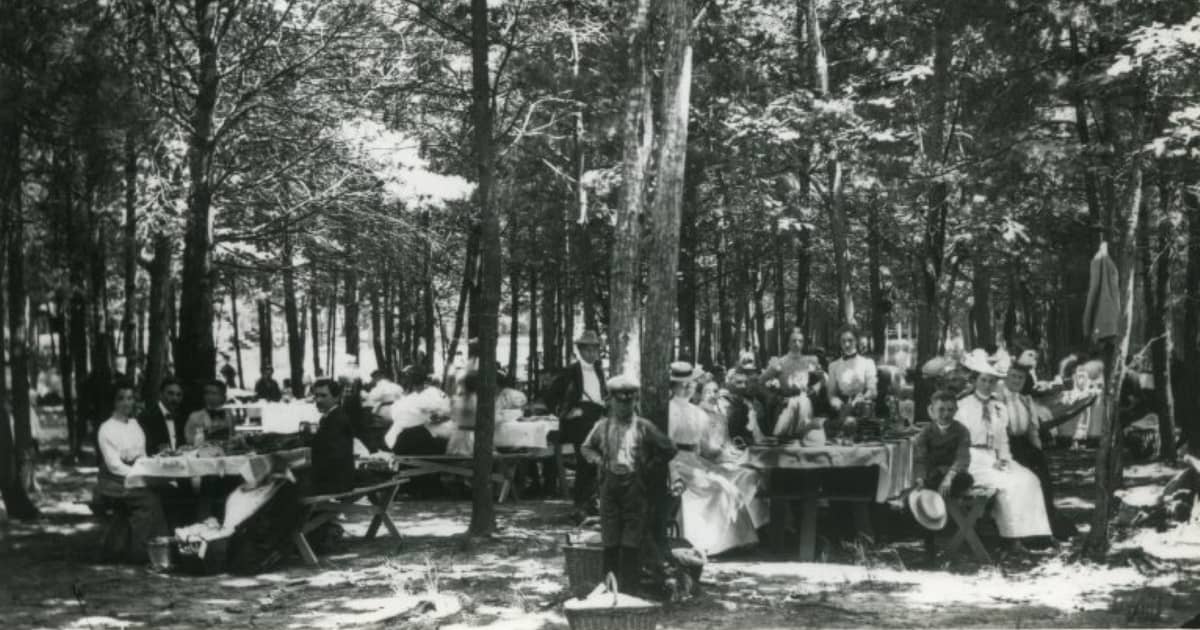

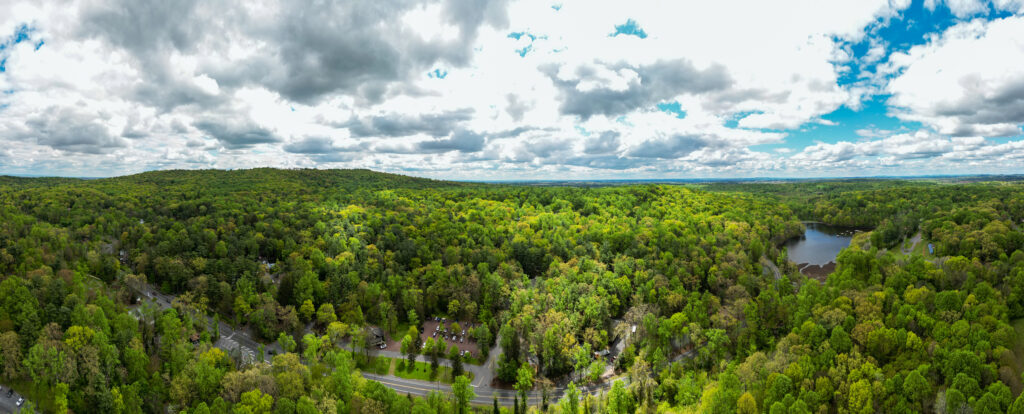
When the Colebrook Valley Railroad added Mount Gretna to the Lebanon County map in 1883, the area was untouched, untamed and — until that moment — unnamed.
“Thickly over-grown with underbrush … overhanging green briers … a wild garden of the forest,” was what Hugh Maxwell of the Cornwall & Lebanon Railroad recalled at an April 1901 meeting of the Lebanon County Historical Society.
Maxwell, who credited his spouse with naming the area “Gretna,” was part of a C&L committee tasked with siting stations along the 17.5-mile rail line from Cornwall to Conewago, east of Elizabethtown.
Read More: What’s in a name? The story behind every municipality name in Lebanon County
The intent, according to Maxwell, was to create a picnic grove — Mount Gretna Park — that would serve as a traffic feeder for the railroad. In the late 1800s, transit companies from trolleys to railroads had begun adding attractions along lines to increase ridership. Picnic grounds offered a perfect destination for day trips.
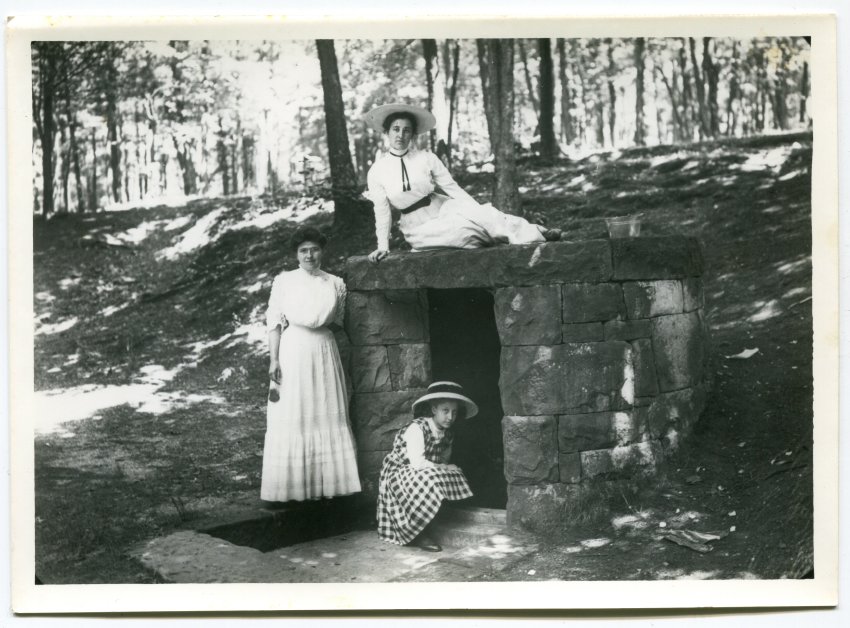
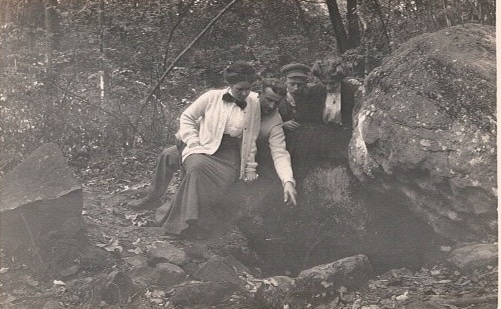
To entice people to travel to the unknown Mount Gretna, the railroad cleared some of the woodland; built rustic tables, benches and shelters; and captured spring water in stone cisterns for cooking and drinking. A simple depot also was constructed.
But Mount Gretna Park offered far more than outdoor dining.
When the park opened on June 19, 1884, it had a dance floor that could accommodate 16 cotillions (128 dancers), a restaurant and ice cream stand, and fields for games, according to the Lebanon Daily News.
“Considering that Mt. Gretna a month ago was nothing more than a ‘howling wilderness,’ full of brush and undergrowth, we could not refrain from contemplating the remarkably and greatly improved change with astonishment,” reported the Lebanon Daily News on June 5, 1884, after a visit.
Mount Gretna was on its way to becoming what the railroad management had envisioned — “a paradise for visitors.”
A woodland picnic grove
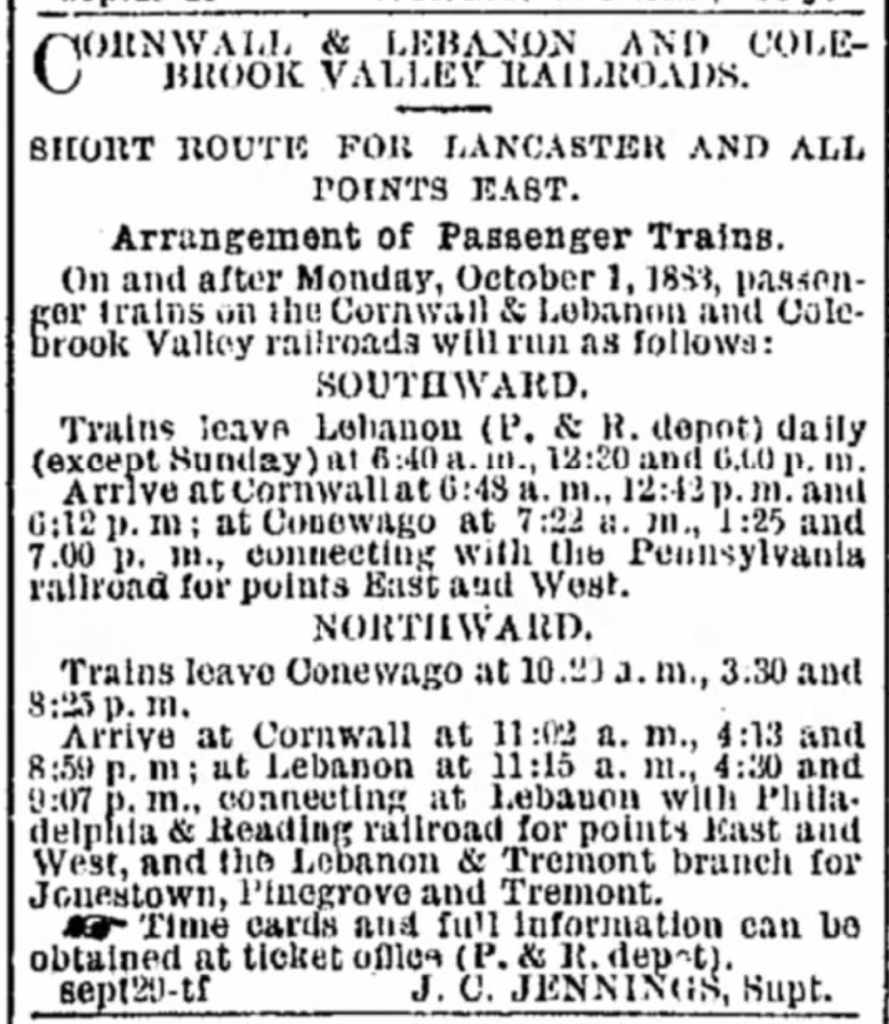
When the first ticket for the Cornwall & Lebanon and Colebrook Valley Railroads was sold on Oct. 1, 1883, Mount Gretna had already been named a station on the line. But it took eight months for Mount Gretna Park to emerge within the woods.
On May 10, Robert H. Coleman, president of the railroad, added 6.5 acres of “mountain land” at a cost of $100 per acre to his already extensive land holdings in the area, according to a three-sentence story in the Daily News’ May 12 edition. A day later, the newspaper reported, “the grounds will be handsomely laid out, pavilions erected, kitchens and store-houses built, extensive walks to cosy [sic] and shady nooks, and the place altogether made one of the finest picnic grounds in the State.”
Read More: Who knew? Robert H. Coleman, Florida Man (Part 1)
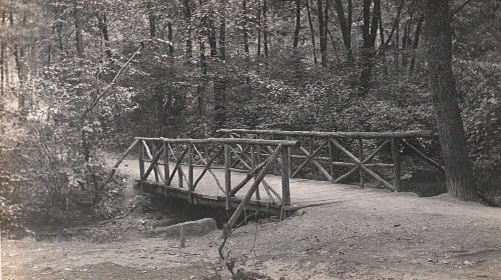
Within a month, that had occurred as workmen transformed the “wild garden of the forest.” Several of the area’s natural springs were walled to collect water, rustic bridges constructed over the Conewago Creek, and the dance floor laid out.
Even though the official opening was set for June 19, the first picnic was held on May 30 when construction was still ongoing. Students from a Lebanon grammar school for boys, at least one of their teachers, and the principal rode the train to Mount Gretna Park for an afternoon of play that included chasing a fox through the woods, according to the Daily News.
At the second unofficial picnic, this one on Wednesday, June 4, more than 100 alumni of several high schools took a 12:30 p.m. train to the park where they inaugurated the dance floor to music played by the Keystone Orchestra, the Daily News reported.
Opening day brought more than 1,000 people out to dance, pitch quoits, eat ice cream, and drink lemonade and mineral water.
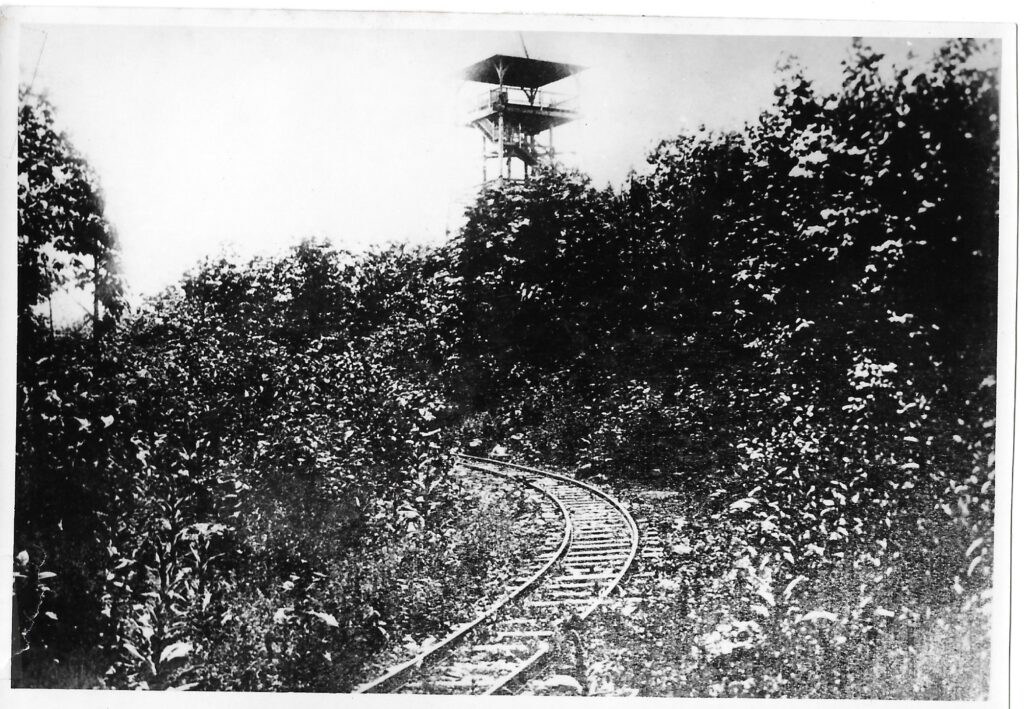
Two weeks after the grove’s official opening, between 4,000 and 5,000 people spent July 4 at Mount Gretna, roaming the woods, hiking to the observatory at Governor Dick, and singing and dancing to music provided by local orchestras, according to newspaper reports.
Read More: Who was Governor Dick? Mystery of peak’s name traces to enslaved worker
“Mount Gretna Park was fitted up and opened for the benefit of the general public … for the purpose for which it is designed — a paradise for visitors,” advertised the C&L Railroad in a pamphlet titled Mount Gretna: Mountains. Springs. Lake., published in 1886.
Creating a go-to destination
Coleman chartered the Colebrook Valley Railroad in January 1881 to run along the banks of the Conewago Creek from Cornwall to Conewago, a distance of about 17.5 miles. About a year later, he proposed a four-mile line — the Cornwall & Lebanon Railroad — to run from Lebanon to Cornwall.
These two railroads merged in 1886, keeping the C&L Railroad name and connecting to both the Pennsylvania and the Philadelphia & Reading railroads. Doing so facilitated the movement of iron ore, materials, and supplies both east and west.
While a source of significant income for the C&L, freight trains didn’t run constantly. So the C&L also sought to build passenger traffic by dotting its line with a dozen passenger stations. Mount Gretna was likely the only one of the 12 that was literally in the middle of nowhere.
But it also became the best known as the C&L created a go-to destination with activities, entertainments and amusements — and all free for the price of a train ticket.
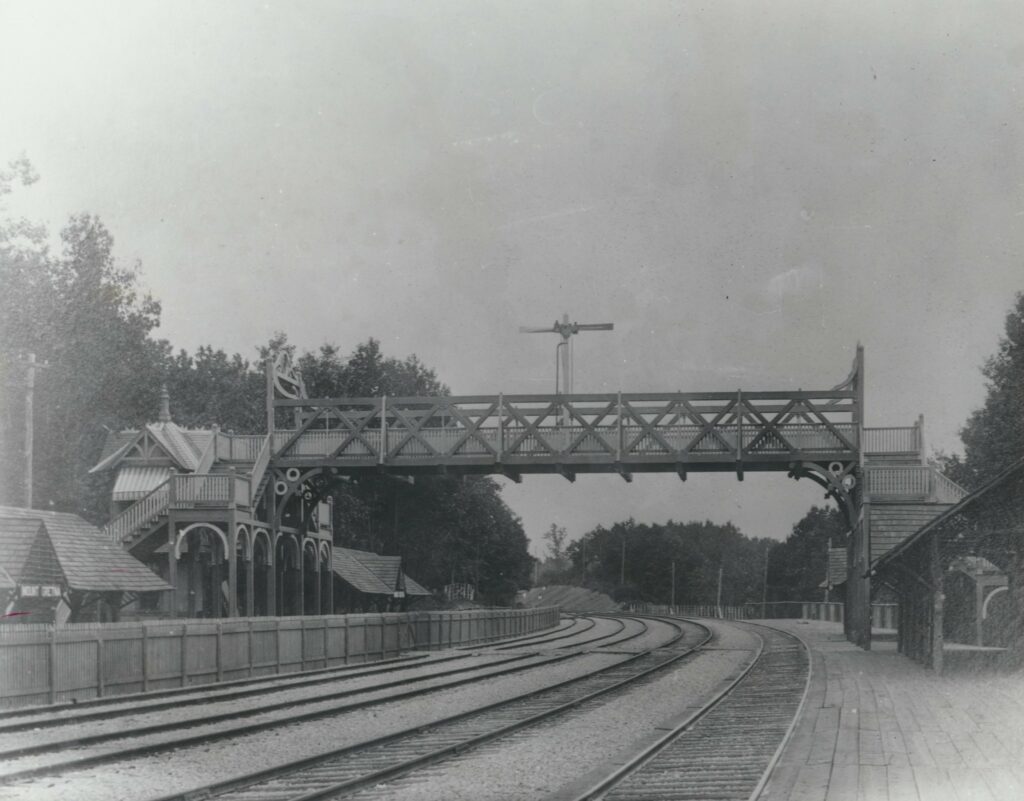
Along with regularly scheduled trains to and from Mount Gretna, the C&L encouraged groups to reserve or charter trains for daylong excursions. Newspaper accounts frequently report on such day trips and picnics by groups such as Sunday schools, young people’s societies and civic organizations. Some hailed from Lebanon County, others from beyond the county’s borders.
Those excursions weren’t limited to members of those groups.
The Singing Class at Midway issued a “general invitation to the public to attend and enjoy the day with us” at its picnic on Aug. 20. Likewise, Camp 254 of the Patriotic Order of Sons of America advertised a “Basket Pic-Nic” for Thursday, Aug. 21, encouraging “Come One! Come All! All Persons Invited.” Attendees could bring their own provisions or buy from the park’s caterer and restaurant.
Part of the allure of a day at Mount Gretna Park was escape from the noise, air pollution, and sanitation issues caused by the rapid population growth of towns and cities after the Civil War.
“There was horse manure in the streets, a good deal of noise and factories spewing smoke even in Lebanon,” said Shane Kennan, archivist with the Lebanon County Historical Society. “By simply hopping on a train, one could easily access clean mountain air.”
Fresh air, spring water and entertainments proved an enticing combination. In its first season from June through September, Mount Gretna Park drew between 40,000 and 50,000 people, the C&L estimated.
Expanding the park
For its second season, Mount Gretna Park added more buildings, conveniences, and amusements.
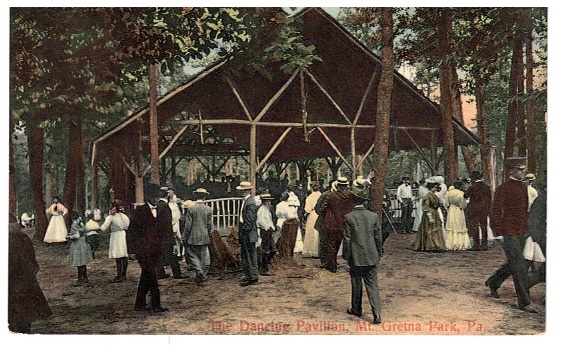
New for 1885 were “a great dancing and roller-skate pavilion, a large dining hall and restaurant, kitchens for the use of all … a shooting gallery, bowling alley … cigar and soda water booths and toilet rooms,” according to Mount Gretna: Mountains. Springs. Lake.
A year later, another amusement was added as Lake Conewago opened for boating.
Read More: [Photo Story] Cooling off with a trip to the Mount Gretna Lake & Beach
By 1890, Mount Gretna Park had grown even more. It now had 16 large platforms for dancing and dining and an auditorium with capacity for 3,500, according to C&L’s brochure, Mount Gretna Park: 1884-1891.
And management wasn’t finished. In the planning were “a new Railway, to be known as the Switchback or Scenic Railway, and a Carrousel of the latest improved patterns,” according to the brochure.
In less than a decade, Mount Gretna had evolved from “a wild garden of the forest” to “a charming resort,” according to the Lebanon Daily News.
Mount Gretna Park was not alone in offering amusements and entertainments in the woods. In 1885, the Cornwall & Mt. Hope Railroad added a picnic grove in southern Lebanon County at Penryn Park. Following the lead of Mount Gretna Park, Penryn Park advertised special bookings for groups and offered many of the same attractions — namely, croquet and lawn tennis grounds, dancing pavilion, kitchen, observatory and concerts.
Read More: How a railroad rivalry spurred the creation of Penryn Park, Cornwall’s answer to Mount Gretna
For years, the two parks were competitors.
But unlike Penryn Park, Mount Gretna grew beyond its picnic ground beginnings. In June 1885, Mount Gretna Park cleared 120 acres to welcome the National Guard of Pennsylvania for its annual encampment. The Guard would continue training in Mount Gretna for five decades.
In 1889, the 4-mile narrow gauge was completed in less than 12 weeks, with a route that took the 2-foot-wide track along the northern and western edge of Conewago Lake before passing over the Conewago Creek and ascending Governor Dick, where it entered a 200-foot-diameter loop.

Read More: When Robert Coleman’s 2-foot railway snaked through the hills of Mount Gretna
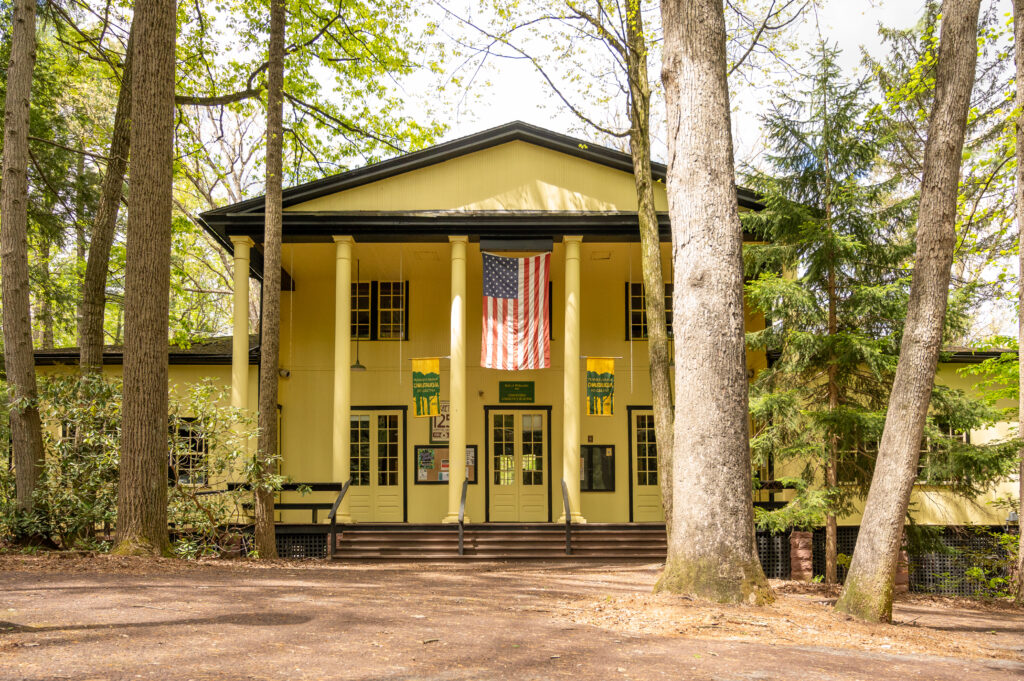
In 1891, the Pennsylvania Chautauqua settled on Mount Gretna Park as the site of its yearly assembly because of its several advantages including 5,000 acres, large auditorium that the Lebanon Daily News said could seat 4,000 people, and “a number of other buildings well adapted for educational uses.”
Read More: Pennsylvania’s 133-year-old Chautauqua brings the movement’s ‘four pillars’
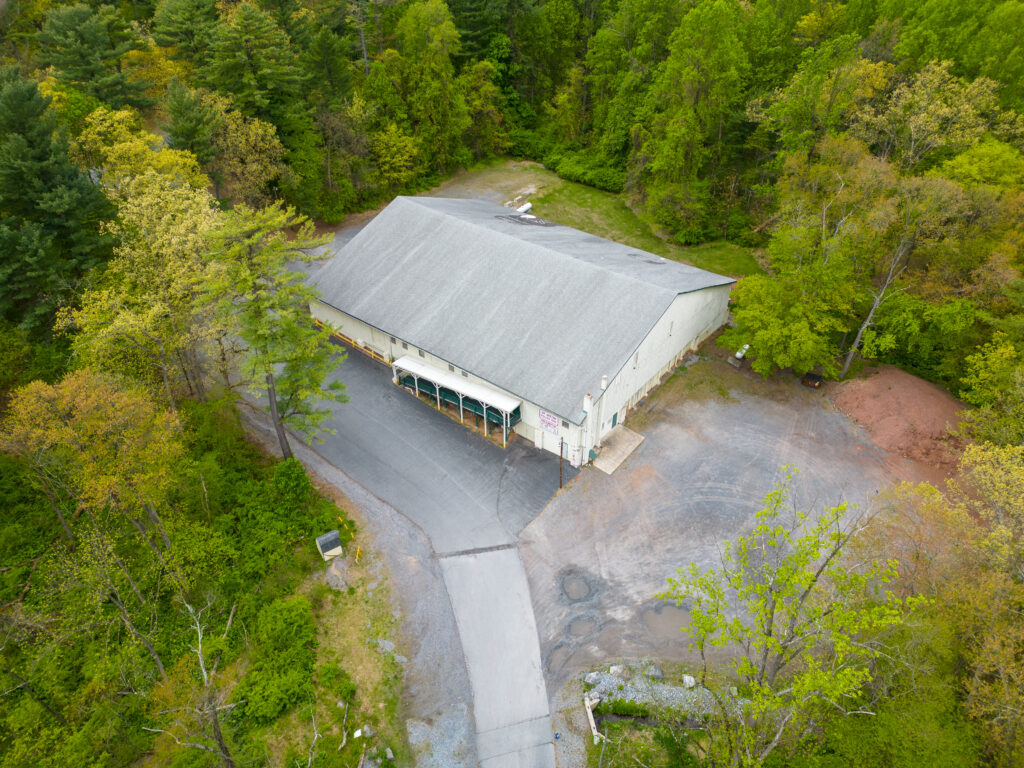
That same year, the first Mount Gretna Farmer’s Encampment was held. The encampment operated from 1890 to 1916, serving as both an agricultural fair and political forum while operating out of what is now the Mount Gretna Roller Rink.
And in 1892, the Mount Gretna Campmeeting Association held its first campmeeting on Mount Gretna Park land.
Read More: Mount Gretna Tabernacle: ‘Ingenious’ structure was raised in just weeks
Before even its 10-year anniversary, Mount Gretna Park had outgrown its initial purpose as “traffic feeder” picnic grounds. Hotel rooms were available for rent by the day, week or month; cottages had been built for summer residence; and water and sanitation systems developed. Some of these were added not by Coleman or the C&L but by the other groups that had settled in.
Certainly, people still made day trips to the area, but the woodland paradise of Mount Gretna Park had been subsumed into what had become the Mount Gretna community.
Questions about this story? Suggestions for a future LebTown article? Reach our newsroom using this contact form and we’ll do our best to get back to you.
Keep local news strong.
Cancel anytime.
Monthly Subscription
🌟 Annual Subscription
- Still no paywall!
- Fewer ads
- Exclusive events and emails
- All monthly benefits
- Most popular option
- Make a bigger impact
Already a member? Log in here to hide these messages
While other local news outlets are shrinking, LebTown is growing. Help us continue expanding our coverage of Lebanon County with a monthly or annual membership, or support our work with a one-time contribution. Every dollar goes directly toward local reporting. Cancel anytime.