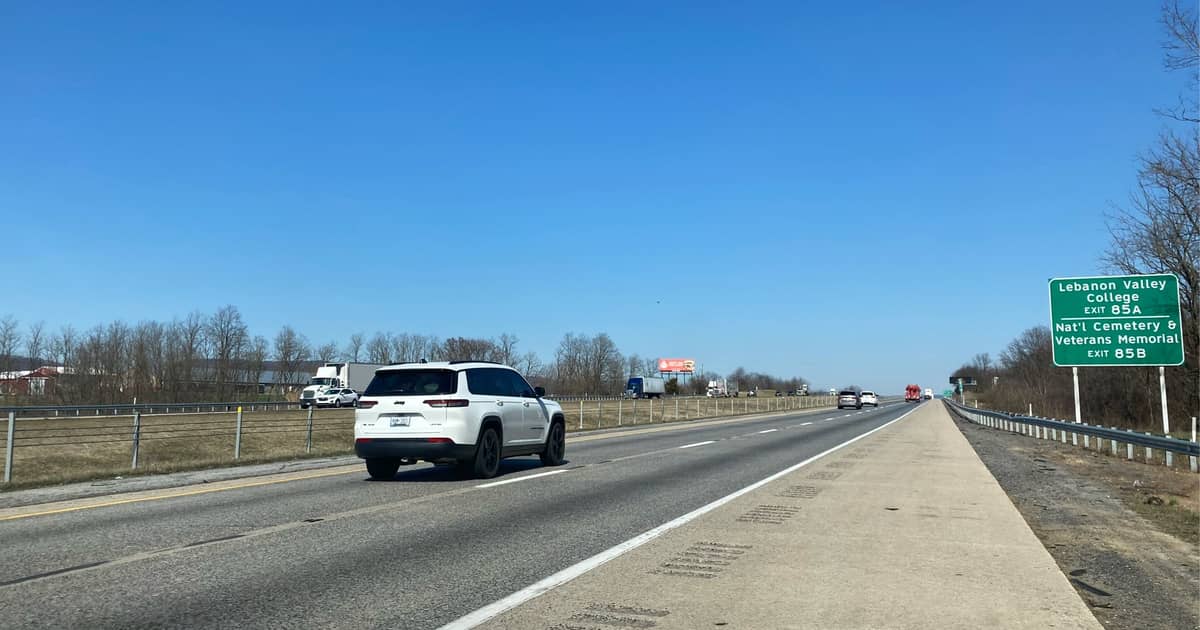

In January and February, six loads of sludge from a local township sewer facility set off the radiation alarm at the Greater Lebanon Refuse Authority’s scale house, an indication the waste contained radioactive material.
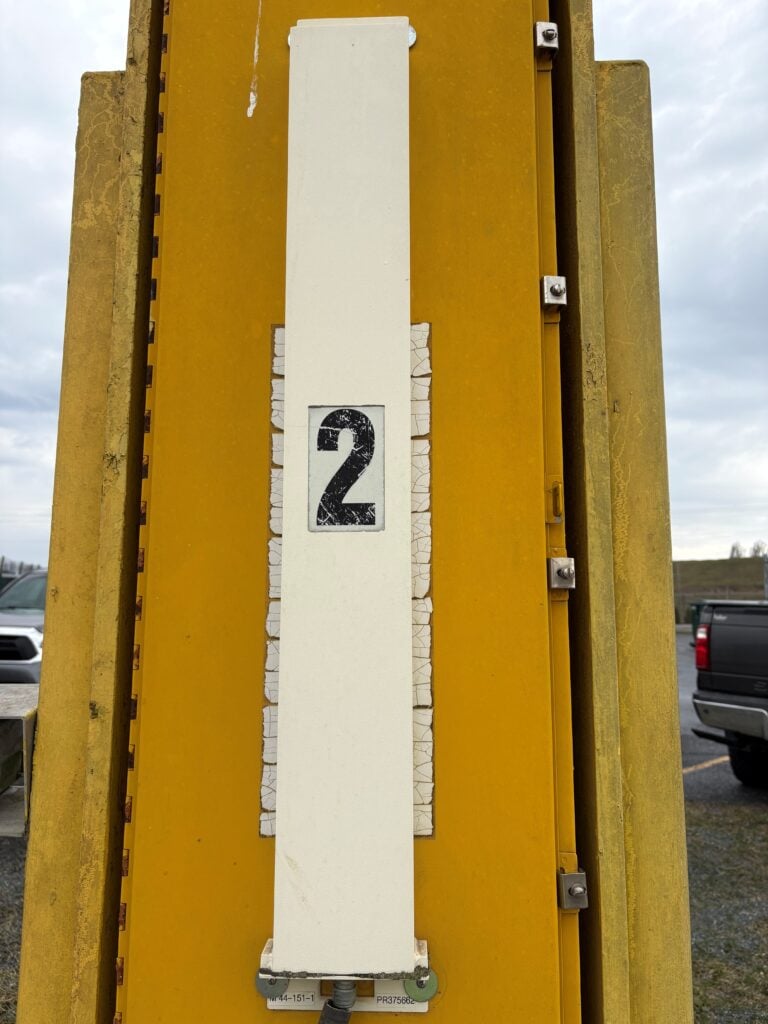
That alarm set a process in motion that confirmed the presence of iodine-131, commonly used in the treatment of thyroid cancer. Patients discharged after nuclear medical treatments often retain low levels of radioactive material that is excreted or shed in bed linens or diapers and ends up in solid waste.
All landfills in Pennsylvania can dispose of that radioactive waste associated with patient treatments, according to the Department of Environmental Protection.
“Our permit and approved radiation plan make sure we are controlling for any kind of negative effect to our land, air and water,” said GLRA operations manager Lori Baker. “Landfills are highly regulated so as to protect this facility, our workers, our neighbors and the environment.”
Permitted for disposal
In 2001, DEP released regulations and guidelines for the disposal of radioactive materials in landfills to protect the environment and public health and safety. They require landfills to have an approved Radiation Protection Action Plan as well as trained radiation responders. DEP also specifies the isotopes that can be disposed of at landfills.
By permit, GLRA can accept 20 different radioisotopes if they have radiation levels of less than 2mR/h (mR/h is a measure of radiation exposure in the thousandths of an hour). That level is equivalent to passengers’ exposure to cosmic radiation on cross-country air flights, according to EPA.
All of the 20 have half-lives — that is, the time it takes the radioactivity of an isotope to reduce or degrade by half — of less than 65 days. Iodine-131, the isotope in the sludge, has a half-life of 8.1 days.
Without DEP consultation and approval, GLRA cannot accept other radioisotopes, many of which have half-lives of years.
“In our central region, we get less than a half-dozen requests each year for landfills to accept something that they don’t normally,” said John Repetz, deputy director of regional communications with DEP, in an email.
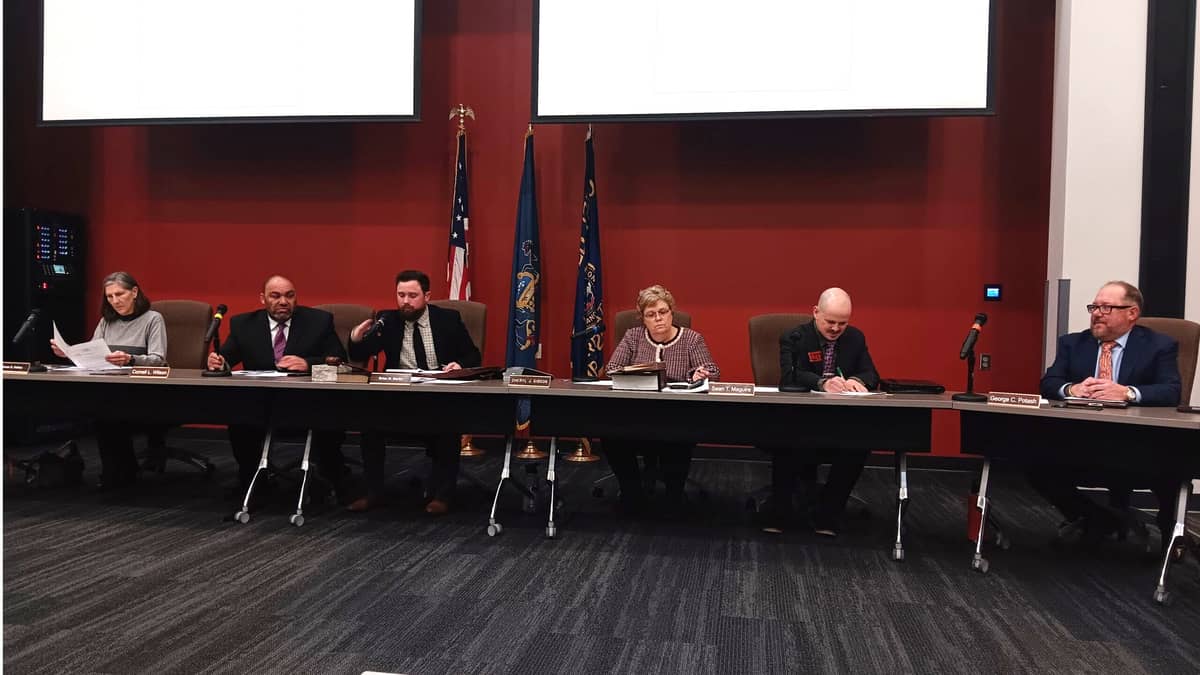
Most of the 465 tons per day of municipal solid waste that comes to GLRA do not trigger the alarm. In 2025, for instance, there were only 10 instances, according to GLRA board minutes.
All of those involved medical waste. Besides iodine-131, prospera-13 and technetium-99m were found. Prospera-13 is used in cancer treatments and Tc-99m in medical imaging, according to EPA.
“Landfills are designed to protect groundwater from contaminants in our waste,” said Nathaniel Warner, Penn State associate professor of civil and environmental engineering, in a phone interview.
Contamination of leachate — the liquids produced as waste decomposes — from radioisotopes in medical waste is unlikely given that they decay relatively quickly, he added.
Radioistopes with longer half-lives, such as radium-226 with a half-life of 1,260 years, are sent to disposal sites in more isolated areas. The most used disposal sites are in Utah and Texas at this time, Repetz said.
Responding to the alarm
When the alarm sounds, GLRA’s trained radiation responders head to the scale house, the first stop for all vehicles with waste to dispose. By the time they arrive, the vehicle with the contaminated waste has been moved to a more isolated area.
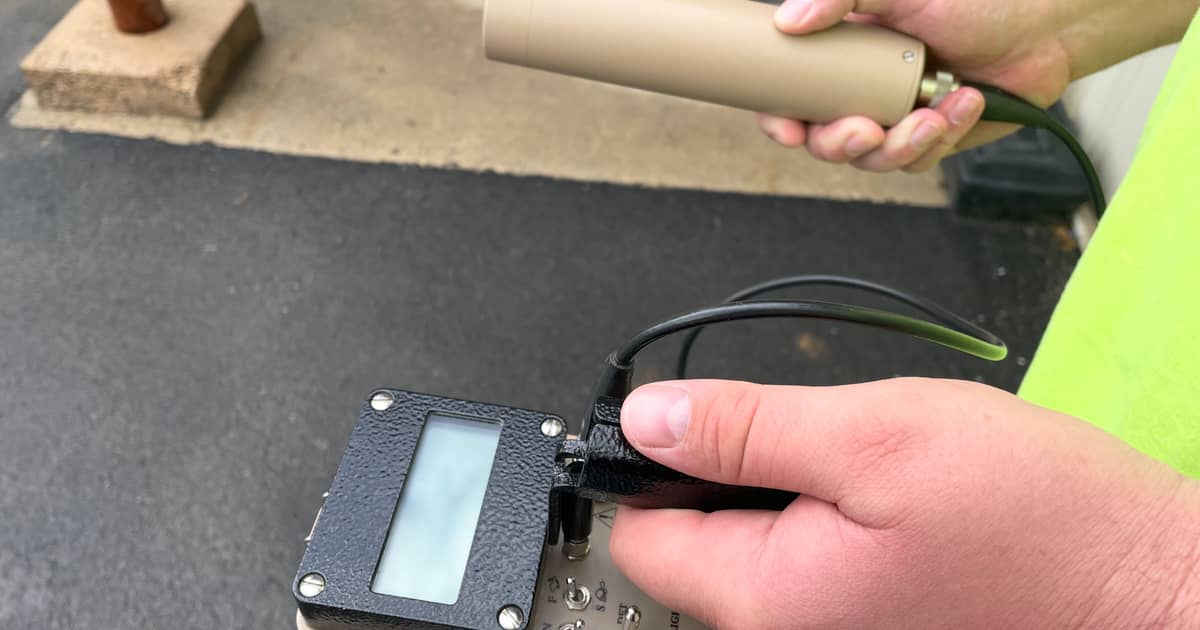
Once responders arrive, they use a portable radiation meter that identifies radioisotopes and radiation level to check out the chest and back of the driver of the vehicle that set the alarm off, said Zach Michael, assistant operations manager and senior trained radiation responder.
After that, the vehicle is assessed. GLRA’s radiation plan approved by DEP specifies a minimum of six areas on the vehicle to be checked.
“We will continue to check with the meter until the source is pinpointed,” Baker said. “The point is to be able to identify the location within the vehicle where the source is coming from — except in the case of sludge where the source is throughout the material.”
If the radioisotope is on the approved list, the vehicle with the waste continues to disposal. If not, then DEP is consulted.
Only once in Baker’s 19 years with GLRA has DEP been called. A load of waste came in with a military compass, Baker recalled. The dial and hands on that compass could glow in the dark because of radium-infused paint.
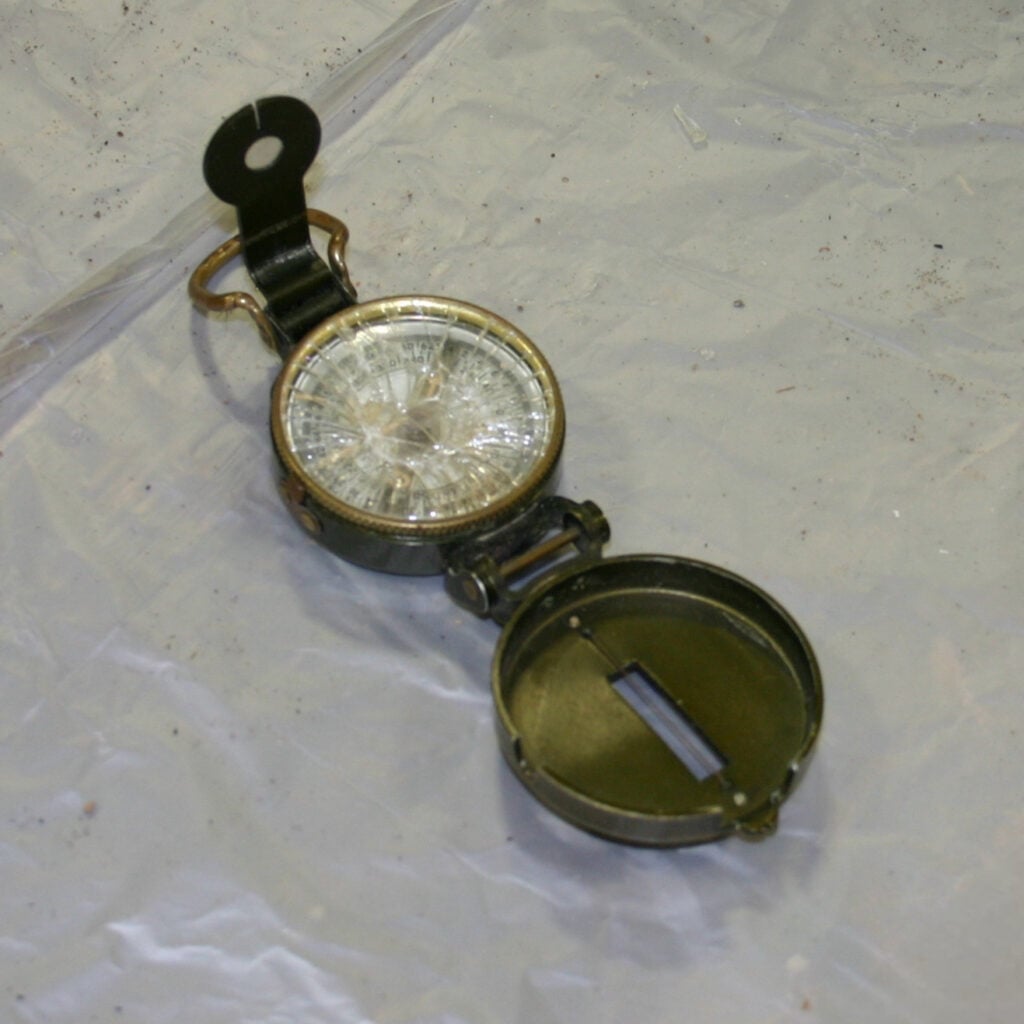
Now known as toxic and cancer-causing, radium was not initially recognized as dangerous to environmental and human health. In the early 1900s, radium was widely touted as a cleanser and disinfectant and as a cure for tuberculosis, blindness, cancer, and acne.
Radium-infused paint brought home the element’s darker side as many of the “radium girls,” the factory workers who painted the dials of watches, clocks and compasses with radium, died from radiation poisoning. Told to lick their paint brushes, they ingested the radium and suffered anemia, bone fractures, jaw deterioration, and cancer.
“We didn’t know the danger of radium,” said Warner. “There are many chemicals that we don’t know the full danger from long-term exposure.”
Questions about this story? Suggestions for a future LebTown article? Reach our newsroom using this contact form and we’ll do our best to get back to you.

Support Lebanon County journalism.
Cancel anytime.
Monthly Subscription
🌟 Annual Subscription
- Still no paywall!
- Fewer ads
- Exclusive events and emails
- All monthly benefits
- Most popular option
- Make a bigger impact
Already a member? Log in here to hide these messages
Local news is a public good—like roads, parks, or schools, it benefits everyone. LebTown keeps Lebanon County informed, connected, and ready to participate. Support this community resource with a monthly or annual membership, or make a one-time contribution. Cancel anytime.