This article was funded by LebTown donors as part of our Civic Impact Reporting Project.
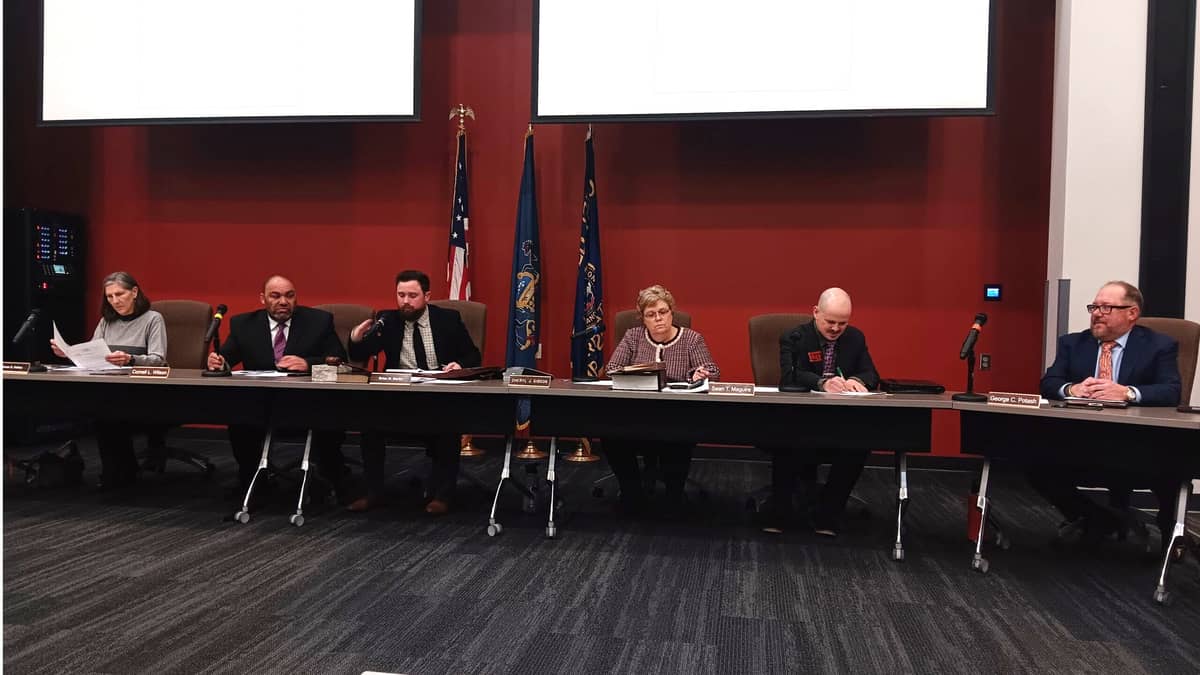
The Lebanon County Career and Technology Center’s Building Authority is responsible for the school’s first-ever bond issuance to pay for the renovation of its 60-year-old building, or new construction to replace it, and so its seven members are preparing to go from two meetings per year to one meeting per month.
This accelerated schedule is not likely to begin until its next scheduled meeting on Jan. 7, CTC director Chuck Benton told LebTown.
The CTC Building Authority’s busier workload will come only after it approves the issuance of bonds for the upgrade, which will cost an estimated $79.5 million to $93 million for designs that build on a portion of the existing campus facilities, on up to $116.5 for all-new construction. Those estimates by Beers + Hoffman of Lancaster are lower by $6.74 million to $15.2 million compared with initial estimates, after the architectural firm returned to the CTC’s joint operating committee in April with revisions following a March request by the JOC for cost cuts.
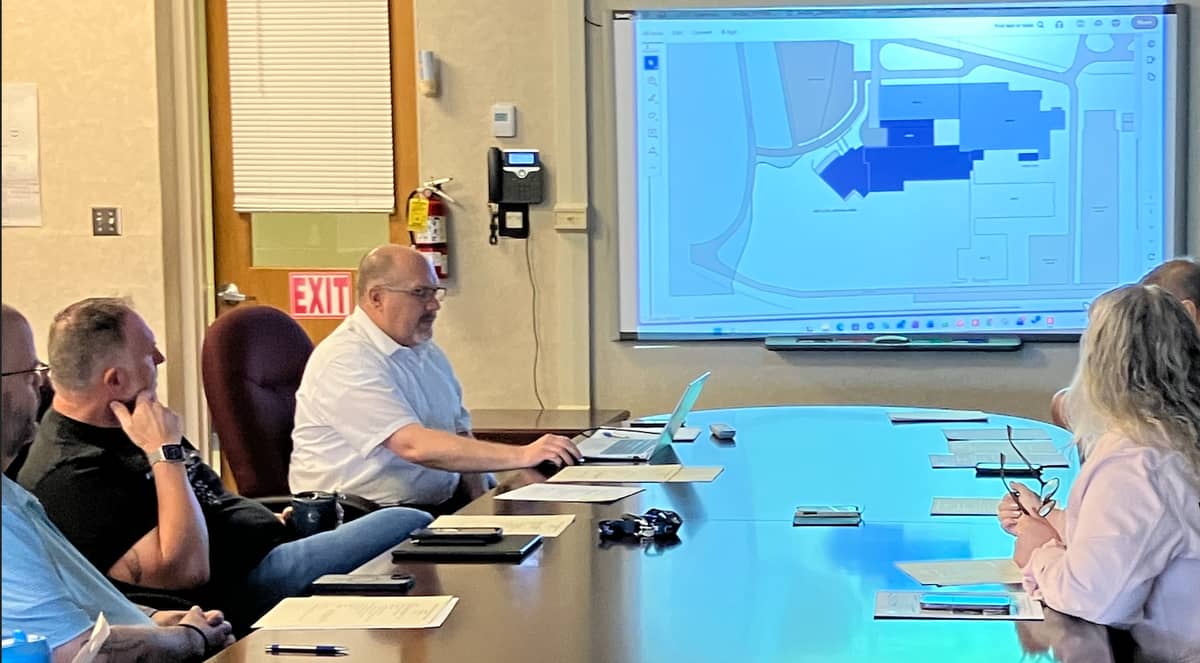
Benton outlined the reduced estimates to the CTC authority at its Monday morning meeting.
The lower cost estimates reflect cost-cutting in building materials to be used as well as an improving market for buyers after building materials costs rose steeply during the COVID pandemic-caused supply chain shortages. The lowered estimates include “escalators” for inflation from the lag time between now and next year’s authority and JOC approvals.
For instance, Option B, the lowest-cost proposed design that combines existing campus facilities with new construction, has been updated from a $93.67 initial estimate down to $75.6 million, plus an inflation escalator for a final estimated cost of $79.5 million in 2027 dollars, Benton told authority members.
Benton told LebTown the schedule will go from twice per year to once per month only after the authority approves the bond issuance, likely at the next scheduled meeting tentatively set for Jan. 7, though it could be moved up to December or November, he said. After Benton surveyed six authority members present on their schedules – Amber Weaver of ELCO was absent – the authority tentatively chose the second Wednesday of the month at 1 p.m., ahead of the JOC’s third Wednesday meetings at 6:30 p.m.
Questions of whether bond passage requires a simple majority of the seven-member authority or whether a unanimous vote would be required are being studied by the CTC’s solicitor, of the Pennsylvania law firm Saxton & Stump, Benton said, as such financing is new territory for the school. The current facility was built in 1966-67 and opened to students from Lebanon County school districts in 1968. Additions were built in 1978 and renovations done in 1991.
Bryan Smith, the authority’s secretary/treasurer and representative from the Cornwall-Lebanon School District, asked if there is potential for a third party to study the CTC’s feasibility to pay the bonds as the authority proceeds through the bond process. A former school board member, Smith said he worries about covering additional school debt.
“It’s going to be hard to build that in,” responded Leanne Martin, authority member for the Northern Lebanon School District.
Another complication is the question of how the six participating Lebanon County school districts will split the cost of the bonds, as well as other future debt allocations. The CTC’s JOC in May sent Articles of Agreement to the districts with revisions for their approval. All six district boards must approve the revised articles, the first such revisions in 30 years, for them to replace current articles.
At the March JOC meeting, Jan Falk, who substituted at the meeting for Lebanon School District’s representative, board president Robert Okonak, said the district board opposed the Articles of Agreement’s formula for allocating debt, which would calculate each district’s contribution to debt comprised of 50% based on average daily (student) membership and 50% by the state tax equalization board’s numbers for each district’s property values.
Unlike a school district, the CTC cannot levy taxes by itself, but it can look for funding to supplement a bond issuance. Last January, lobbyist Gus Shuey, associate of The DT Firm of Harrisburg, in a presentation to the monthly JOC meeting pitched possible state grants for which the Lebanon CTC could apply.
Shuey warned the JOC that there is no combination of grants to be applied for that would pay the entire cost of the construction project.
Questions about this story? Suggestions for a future LebTown article? Reach our newsroom using this contact form and we’ll do our best to get back to you.

Build the future of local news.
Cancel anytime.
Monthly Subscription
🌟 Annual Subscription
- Still no paywall!
- Fewer ads
- Exclusive events and emails
- All monthly benefits
- Most popular option
- Make a bigger impact
Already a member? Log in here to hide these messages
Free local news isn’t cheap. If you value the coverage LebTown provides, help us make it sustainable. You can unlock more reporting for the community by joining as a monthly or annual member, or supporting our work with a one-time contribution. Cancel anytime.