
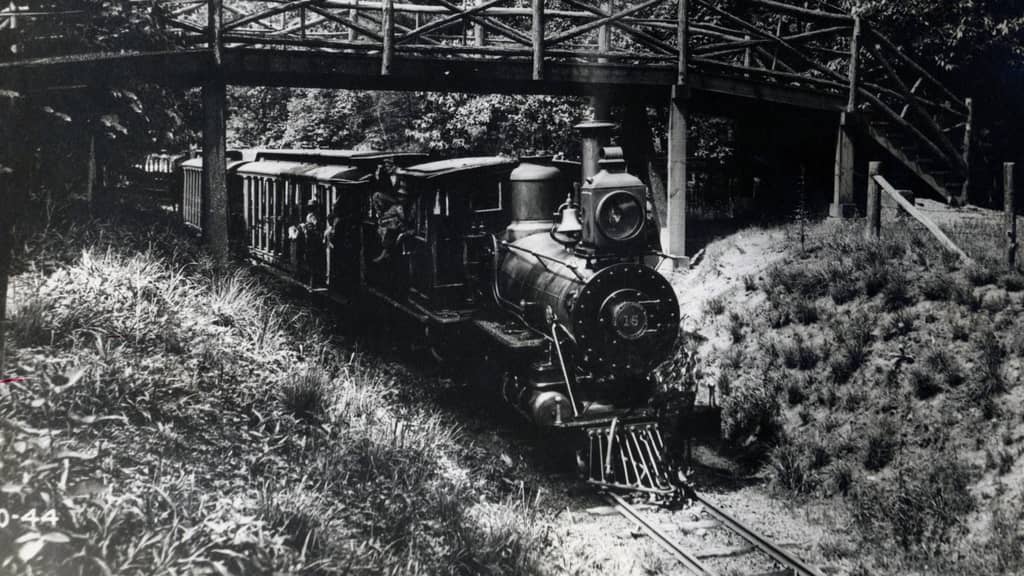
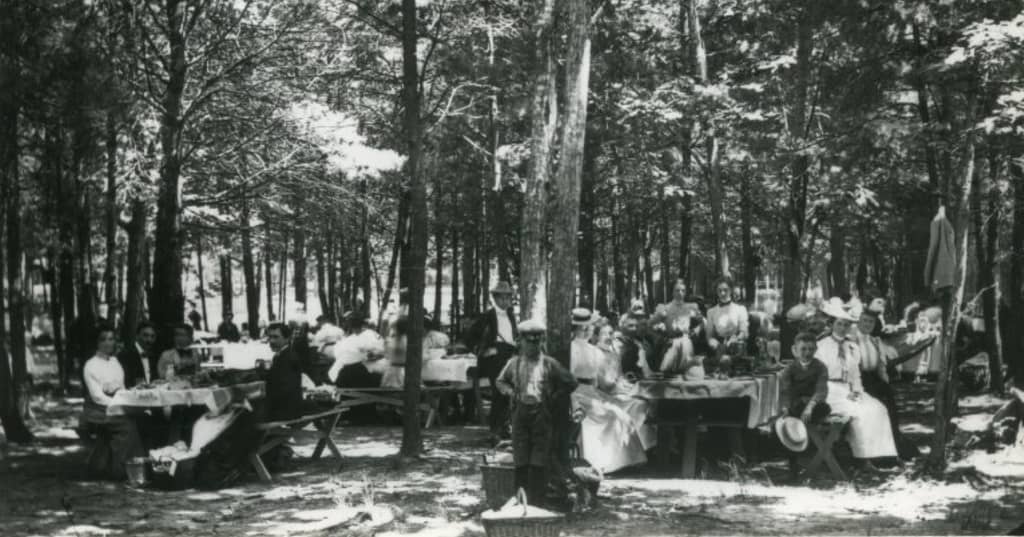
After Robert H. Coleman’s Cornwall & Lebanon Railroad created a picnic grove on some of his family’s estate at Mount Gretna in 1884, a decade of development followed.
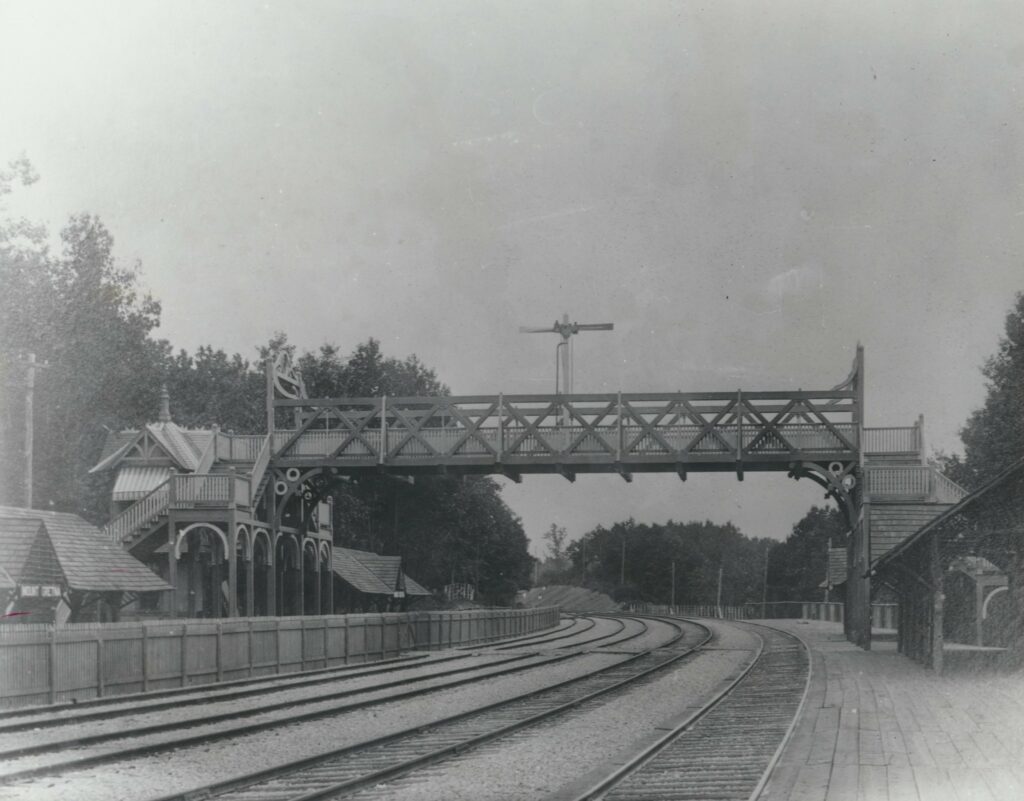
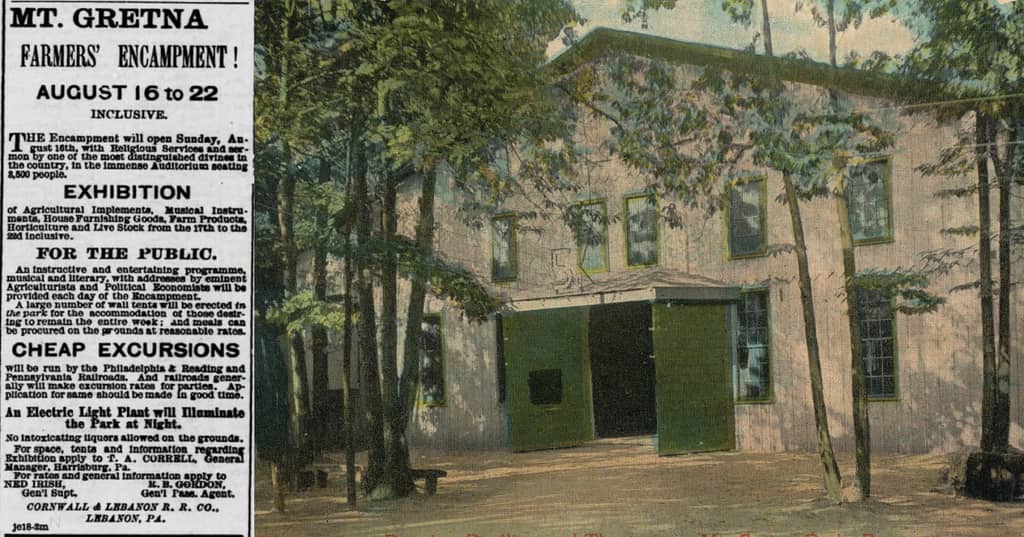
The picnic area grew into Mount Gretna Park with dancing and amusements, the National Guard of Pennsylvania set up training grounds and the Farmers’ Encampment — precursor to the Pennsylvania Farm Show — held annual agricultural exhibitions.
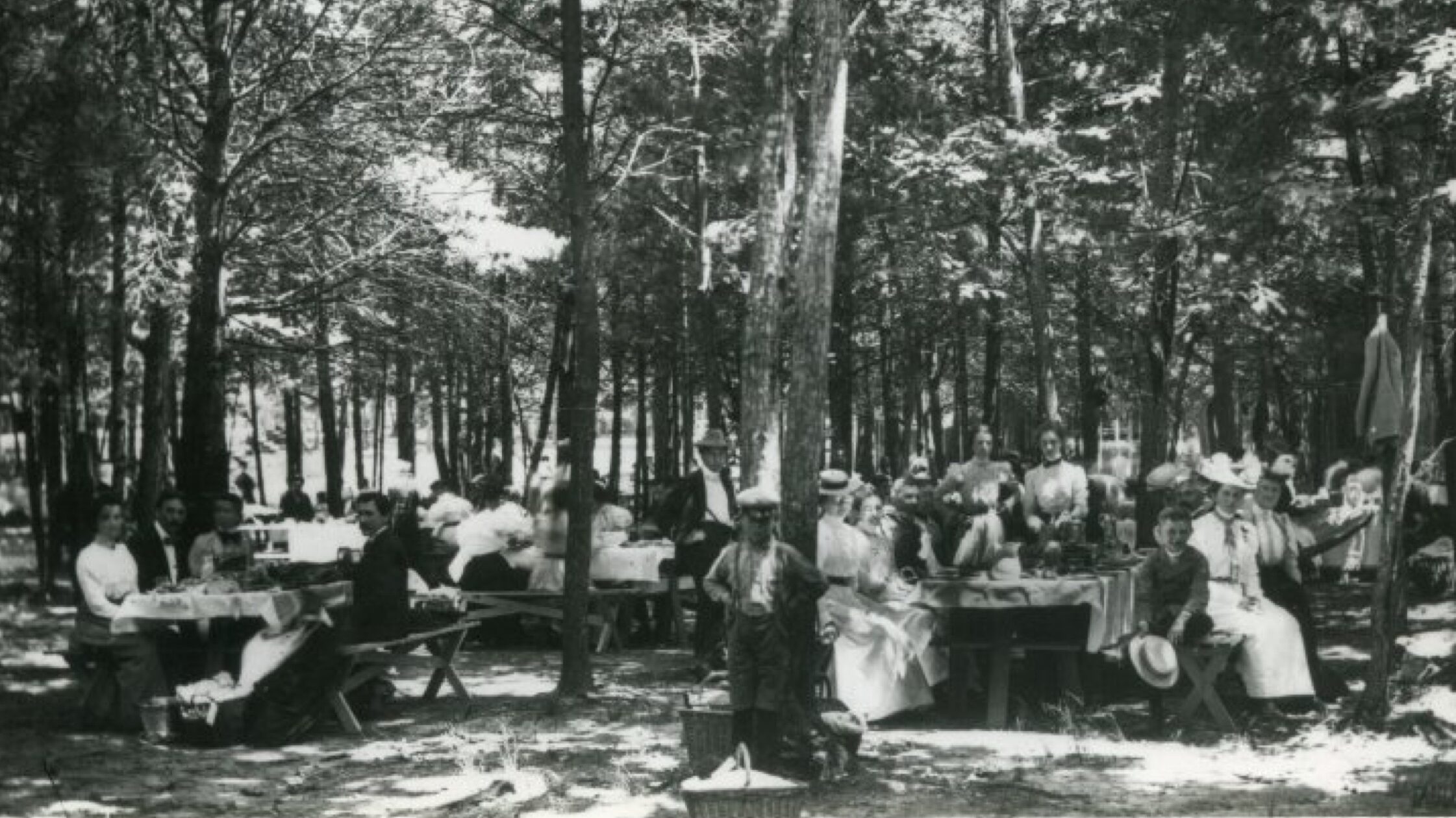
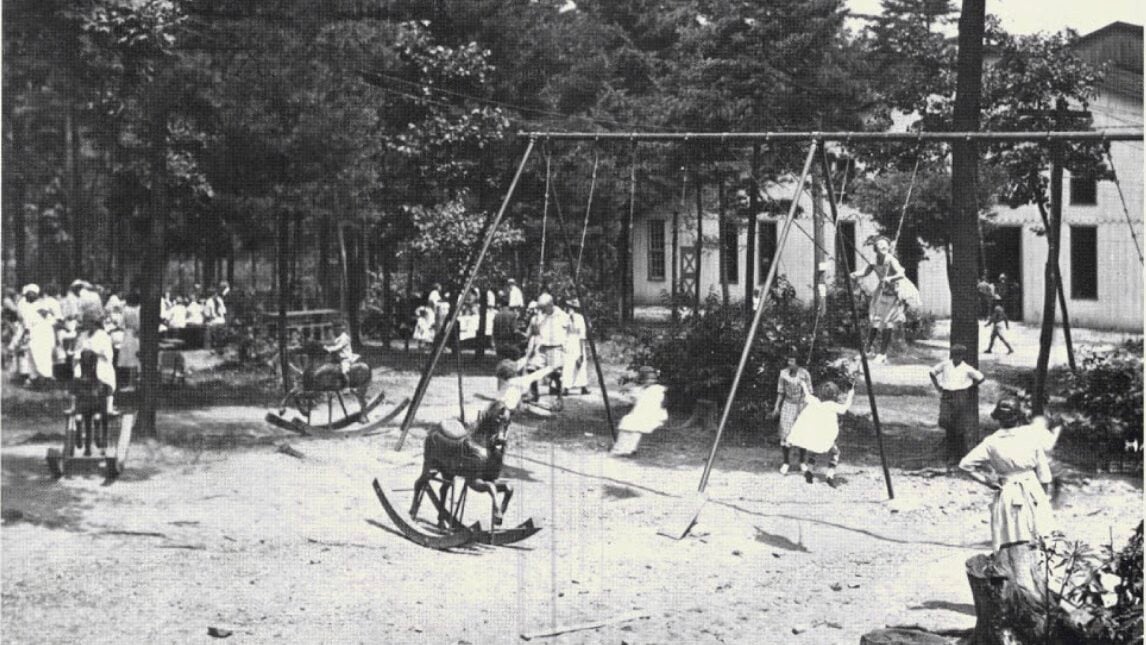
Eight years after the first train stopped at the new station, disembarking passengers encountered another change: “Two Cities in the Woods — the Pennsylvania Chautauqua and the Mount Gretna Campmeeting — Magical Growth and Great Beauty,” headlined the Lebanon Daily News on July 2, 1892.
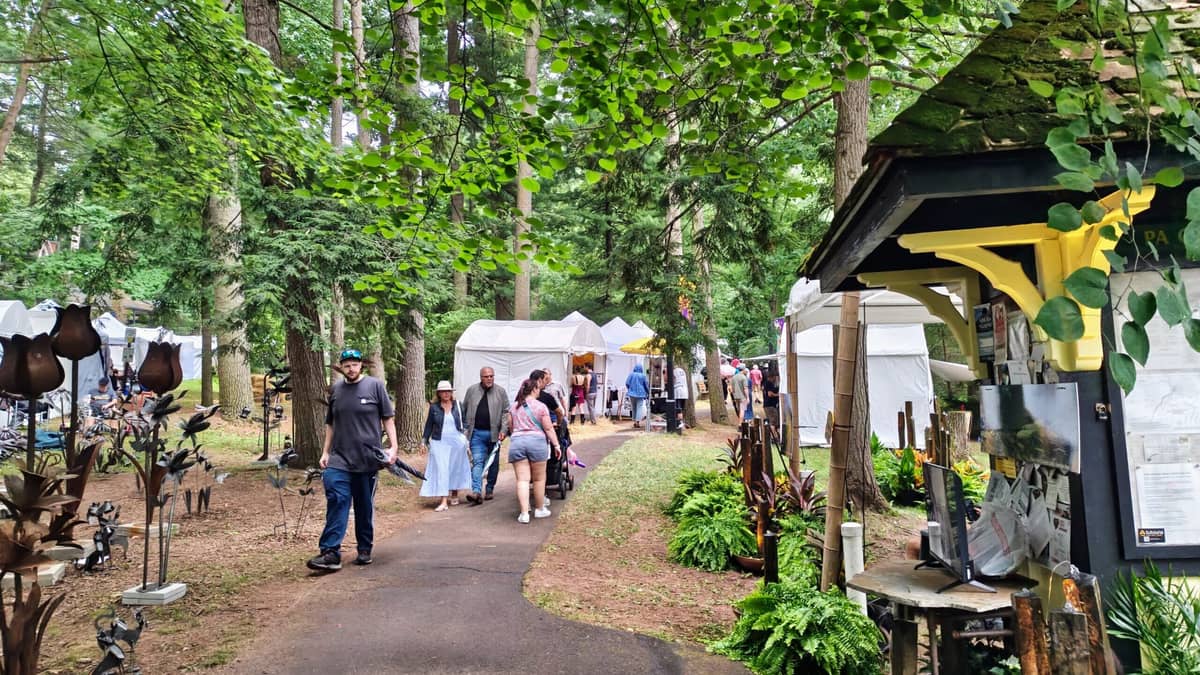
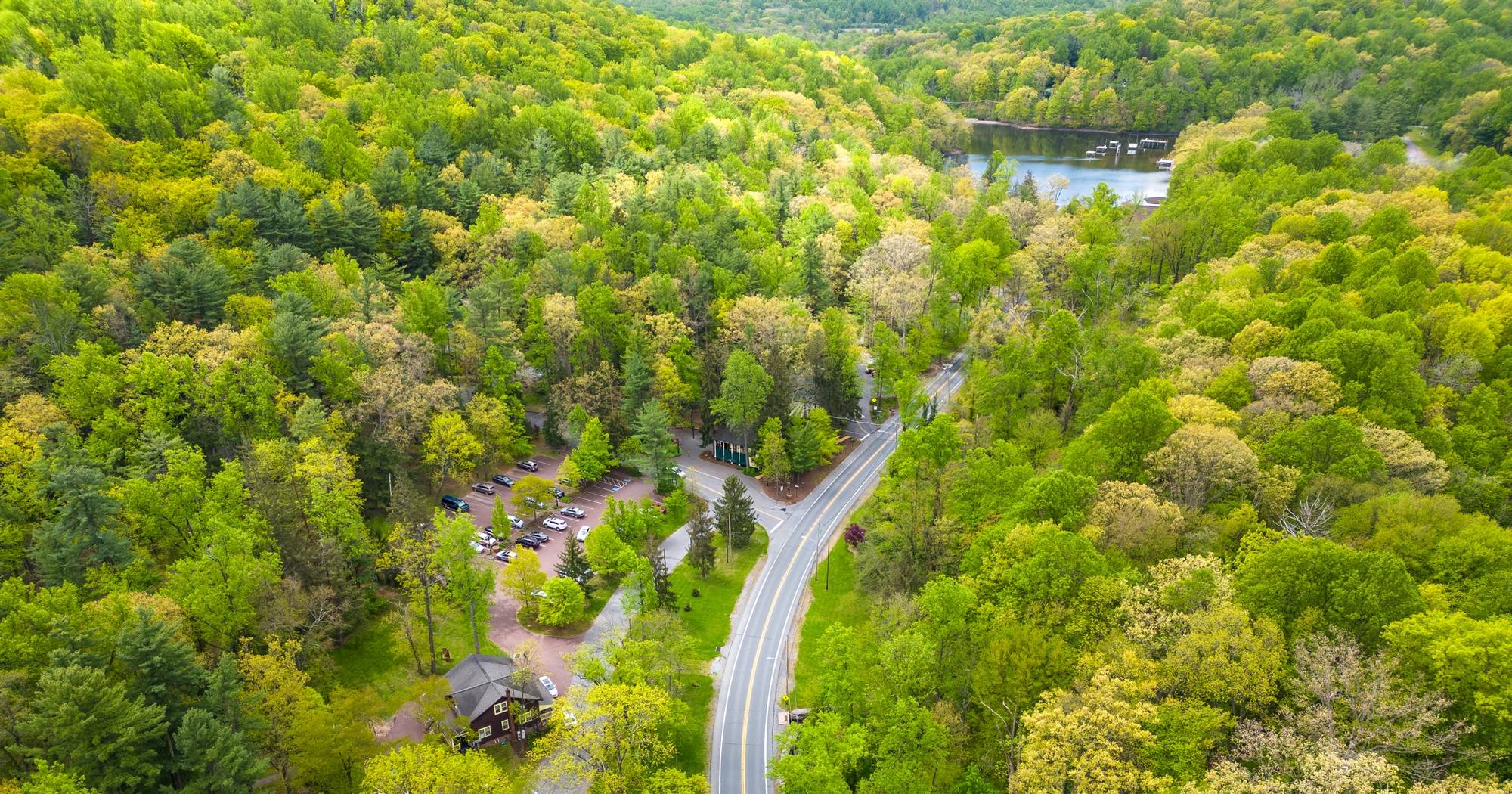
More than a century later, the two “magical” cities remain, their 19th-century roots still visible. An 1892 time-traveler would find cars and cellphones foreign but would feel at home on the wooded walking paths, tree-lined streets and cottages with open-air, wraparound porches.
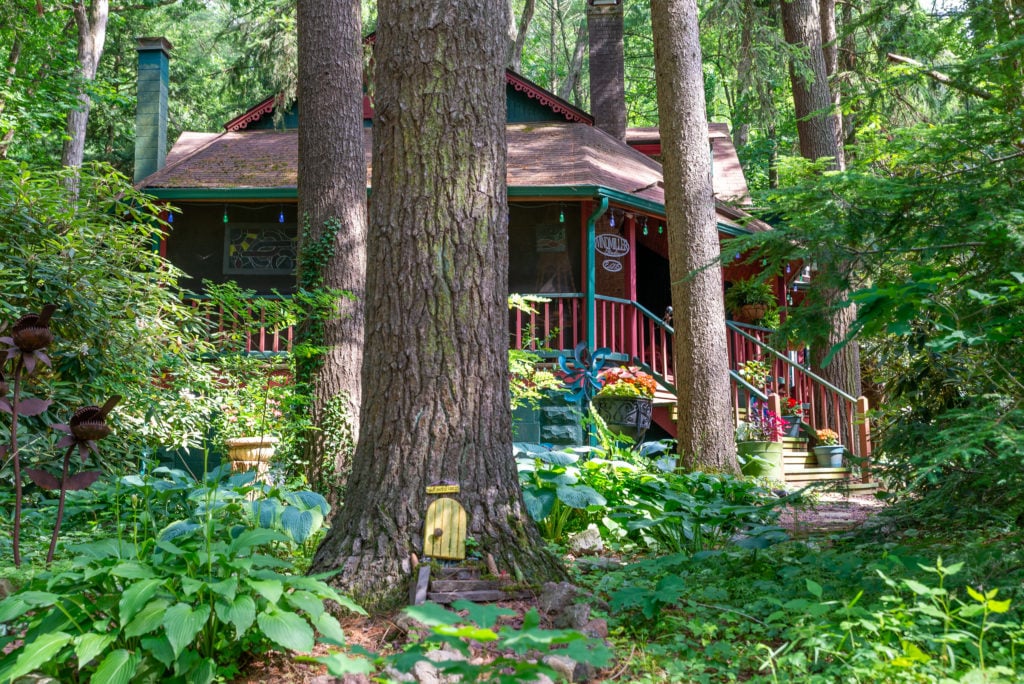
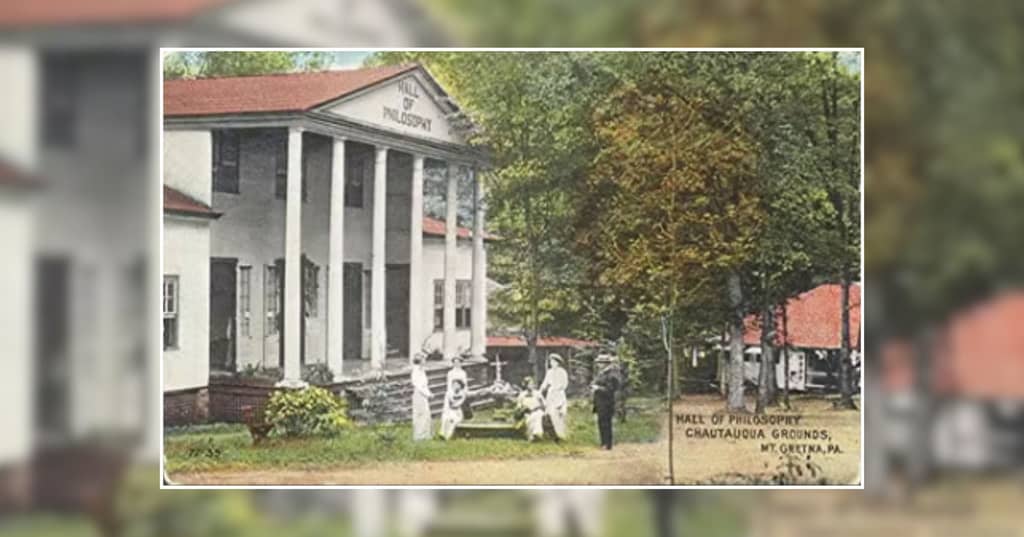
The Chautauqua can claim bragging rights as the older of the two, with its first assembly in July 1892; the Campmeeting followed in August. The former also may be the more unique of the two: It was modeled after the national Chautauqua movement, which was dedicated to the advancement of learning and knowledge and which Teddy Roosevelt heralded as “a gathering that is typically American in that it is typical of America at its best.”
Chartered as a corporation for legal permanence, it is governed by stockholders and a volunteer board. And it is the sole Chautauqua in Pennsylvania and one of only 17 remaining nationwide.
The hyperbole of “magical growth” aside, it is remarkable that a small group of dedicated individuals envisioned a center of intellectual activity, discipline and culture in what was an untouched woodland in southern Lebanon County.
What is perhaps even more remarkable is that the vision came to life in a few short months.
Chautauqua beginnings
The New York-based Chautauqua Institute, founded in 1874, was the brainchild of two men — John H. Vincent and Lewis Miller — who were prominent in the national Sunday or Sabbath schools movement that promoted literacy through religious-based instruction.
Prior to founding the institute, the two were engaged in training programs for Sunday school teachers across denominations. But they came to embrace a broader vision — namely, providing educational opportunities to anyone hungering to learn.
Open to all, the Chautauqua included a residential, multi-week summer school called an “Assembly” as well as coursework that emulated college curriculums and could be completed at home on learners’ own schedules.
For the founders, education, Christianity, and Christian culture were all fused. One’s intellectual capacity, imagination and reason were gifts from God that needed to be developed and nurtured through habits of reading, study and thinking. Neglecting those gifts “involves a wrong to self, to the family, to the state … and leaves him blind whom God created to enjoy the light,” wrote Vincent in his history of the movement.
Pennsylvania Sunday school associations, which organized multi-day conventions in the latter half of the 19th century, adopted that framing. They featured prominent educators who ran teacher trainings and well-known ministers and professors who lectured on topics such as “Qualities that Win,” “The Search for Wisdom and its Reward,” and “The Allness of the Bible,” according to newspaper accounts.
Many of the lecturers at these events likely had attended the New York institution so had first-hand knowledge of Chautauqua’s educational mission and Christian orientation. That built a core of support for a permanent, annual, multi-day Chautauqua “Summer School” in Pennsylvania.
While informal meetings about a possible Chautauqua Assembly for Pennsylvania may have occurred prior to August 1891, the first public mention of the idea occurred at a Prohibition Assembly held at Mount Gretna Park and attended by several hundred people, according to the Lebanon Daily News’ front-page story on Aug. 1.
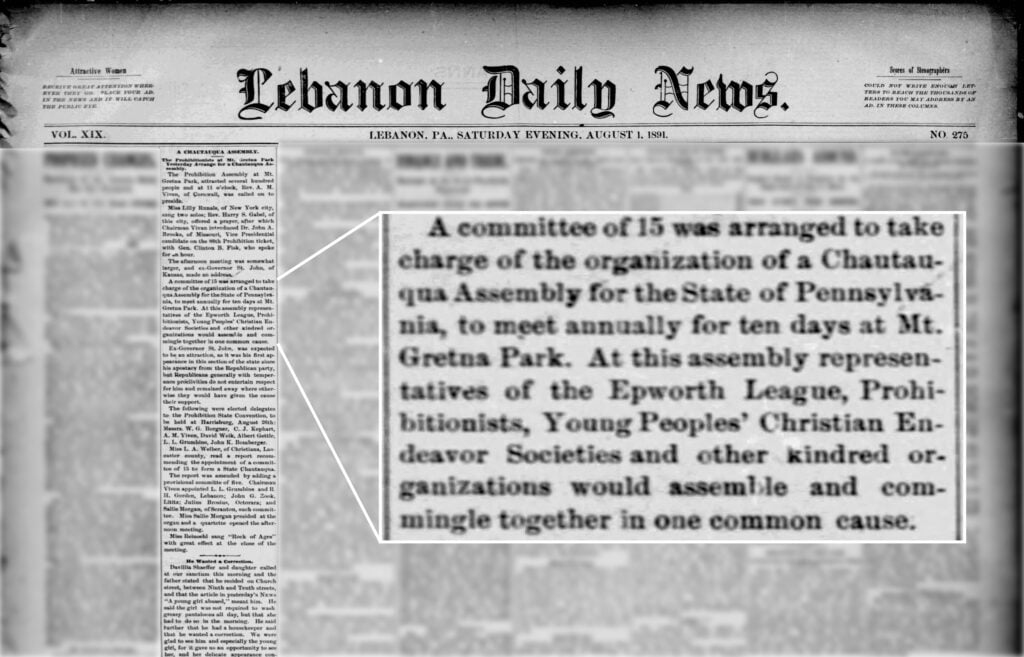
Upon a recommendation from a Lancaster County attendee, a 15-member committee was formed which selected five men to begin work on organizing a 10-day assembly at Mount Gretna Park. That subcommittee included two newspaper editors, a minister, an executive with the C&L Railroad, and a Lancaster County prohibitionist and businessman.
They met in Harrisburg on Aug. 26, the same day as the Grangers who were discussing a plan for an educational institution somewhat similar to Chautauqua but for farmers’ sons and daughters, according to the Patriot-News. Whether the two groups met separately or together was not reported, although mention of a Grangers’ Chautauqua never again appeared in local newspapers.
Within a month, the membership of the organizing committee changed and became dominated by ministers. That group went public on Sept. 26 with its plans to incorporate a Pennsylvania Chautauqua, issue stock for purchase and elect a board of managers. Drafts of a constitution and charter also were in the works.
“A New Chautauqua, Arrangements Being Made for a Gathering at Mt. Gretna,” announced the Harrisburg Telegraph on Sept. 26. Its mission “shall be the advancement of the intellectual, social and religious culture by means of public lectures, a summer school of teaching and general class work.”
Location, location, location
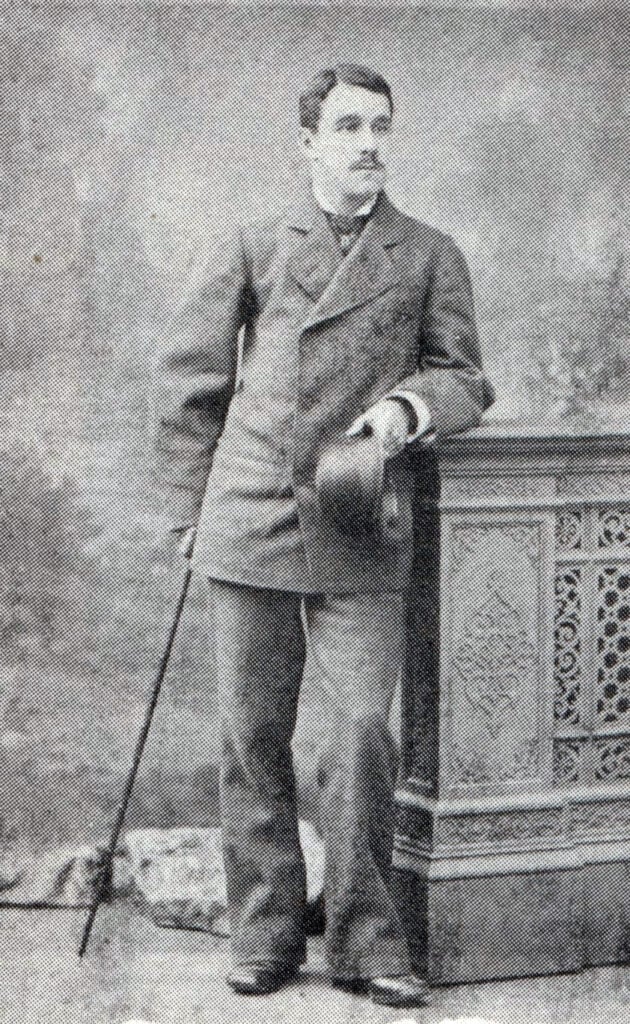
In the winter of 1890, a committee of farmers and agricultural machinery manufacturers met with Coleman about moving its annual exposition to Mount Gretna Park, since it offered dining facilities and public kitchens as well as amusements.
The exhibition, previously held at Williams’ Grove in Cumberland County, typically attracted thousands of people, according to the Lancaster New Era.
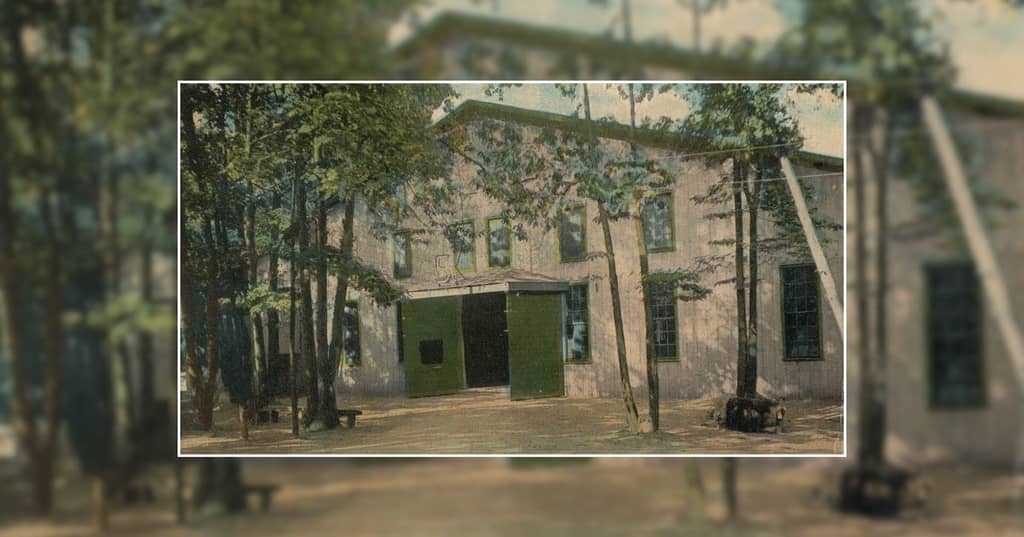
Coleman not only agreed to host what was being called the American Farmers’ Encampment, but to also build an auditorium with capacity of 5,000, a horticultural exhibition hall and platforms where manufacturers could show their machinery, according to the York Democratic Press.
Those buildings were erected, and the auditorium was dedicated at the first encampment in August 1890.

When organizers were promoting Gretna as Chautauqua’s home in late 1891, the existing buildings were mentioned: “It is proposed to locate the Society at Mt. Gretna which is already equipped with many necessary appointments,” wrote R.B. Gordon, a member of the five-person committee, in a letter to Lebanon minister, Theodore Schmauk.
Newspaper stories also mentioned facilities at the park and the auditorium as selling points, suggesting the men organizing the Chautauqua were angling for the land and buildings at Mount Gretna Park. “Chautauqua: A Large Auditorium Has Already Been Erected” headlined the Lebanon Daily News in its Dec. 22 story on a meeting held in Reading. An assembly hall and other buildings also were noted.
The Chautauqua’s location became a point of contention early on. The minutes of the Chataqua’s board of managers don’t mention anything about the location until March, at which time the committee on grounds told the board about their correspondence with Coleman. According to those minutes, Coleman reiterated “refusal of the site latterly requested by the Board of Managers” and repeated his proffer of “the first offered site.” Neither site is described in the minutes.
An unpublished history of Chautauqua written for a college class in 1953 presents an alternative understanding, as does Jack Bitner, author of Mt. Gretna: A Coleman Legacy published in 1990. In their tellings, the board wanted the current site while Coleman was offering a site near the park.
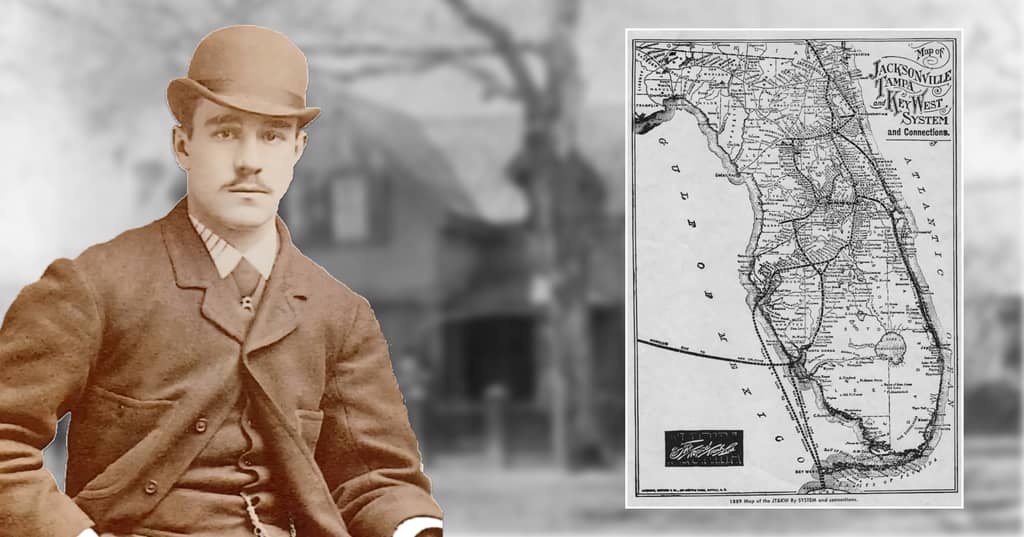
The board unanimously found whichever site Coleman was offering as “unsuitable” — providing no details — and dispatched two members to Florida to meet with him. They were “instructed to make the best possible arrangements to continue or to cancel all engagements” for the planned assembly, according to March 30 board minutes.
Sent were Rev. George B. Stewart, board president and pastor of Market Square Presbyterian Church in Harrisburg, and J.H. Redsecker, a Lebanon attorney who was active in Sunday School conventions and the temperance or prohibition movement. He may have been known to Coleman, since he had served as a trustee of the bonds issued to finance Coleman’s C&L Railroad in the early 1880s.

At the April 14 board meeting, the two reported on their interview with Coleman in two parts. They first shared several items that had been negotiated with Coleman, including that no passenger trains would run on Sundays, thereby respecting the Sabbath, and the C&L railroad would foot the bill to maintain all regulations for sanitation and public order.
After a lunch recess, the board moved to accept “the site bounded on the north by the creek, on the east by Pinch Road, on the south by the crest of the hill and on the west by (blank) with a right of way of sufficient amount of area and the privileges to make it attractive from the footbridge at the head of the lake to our ground,” according to the minutes. Whether that was the board’s preferred site or Coleman’s is unknown.
Nonetheless, the first Chautauqua Summer School was officially on — seven-plus months from initial discussions and 88 days from the opening. A 20-year lease for the current site was drawn up.
Chautauqua takes shape
Lease in hand, the committee on building and grounds ordered removal of dead wood and undergrowth and mapped out locations for streets, boarding and dining halls, cottages, and an auditorium. Twenty of the 47 leased acres were set aside as a park, according to local newspapers.
The transformation of wooded wilderness to simple settlement began the third week in May 1892, when C&L Railroad’s engineers surveyed the site.
Time was tight: Chautauqua’s opening day was now 52 days away.
In meetings to promote a statewide Chautauqua in Mount Gretna, organizers promised not only to build cottages for patrons but also to provide “all other facilities,” according to newspaper accounts.
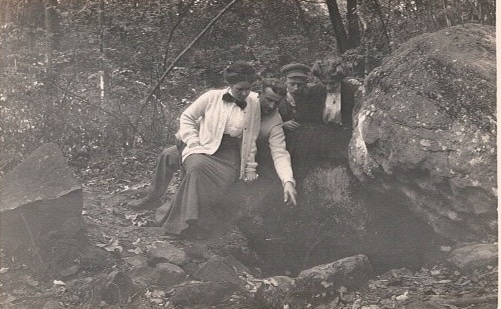
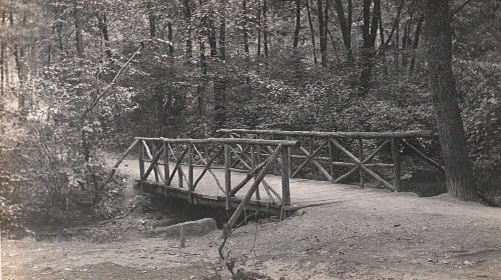
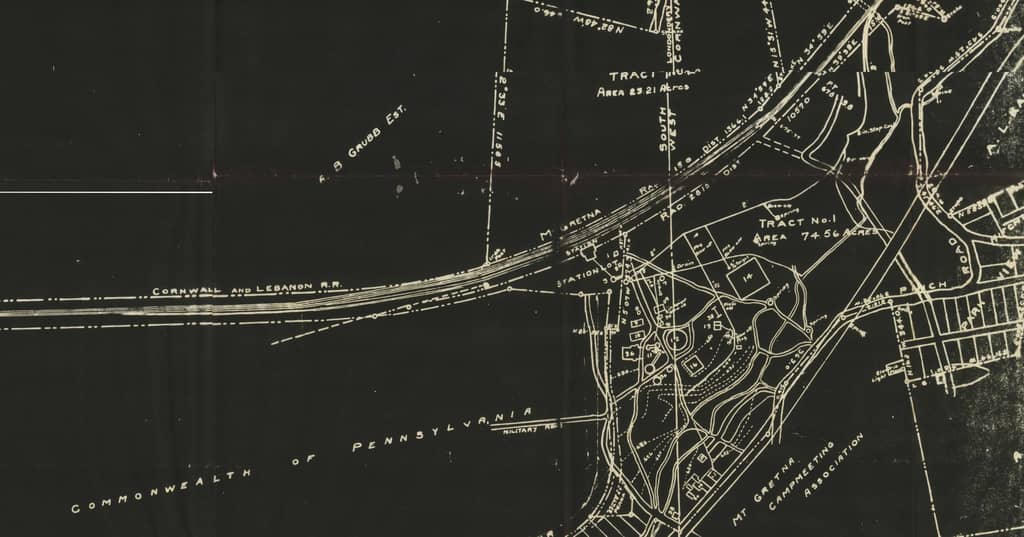
Mentioned in those stories throughout the spring of 1892 were lecture halls, a two-story dining hall, restaurant, bookstore, men’s and women’s washrooms, and two- and four-room cottages. There is no map showing the locations of these buildings nor any photographs, so it’s not known which were available on opening day.
The first contract was awarded on May 21 for construction of the auditorium that could hold the anticipated thousands who would attend the promised and promoted intellectual and educational opportunities.
On June 13, a member of Chautauqua’s building committee staked off sites for a 60-room teachers’ retreat that included a dormitory for men, a nine-room hotel, and a dozen cottages, according to the Lebanon Daily News. Work was to begin immediately.
Two weeks before opening day and with demand for cottages greater than supply, Chautauqua board members finalized permission to rent some of the cottages on the nearby Campmeeting grounds. If still insufficient for visitors, “tents will be erected on the grounds,” according to the Lebanon Daily News.
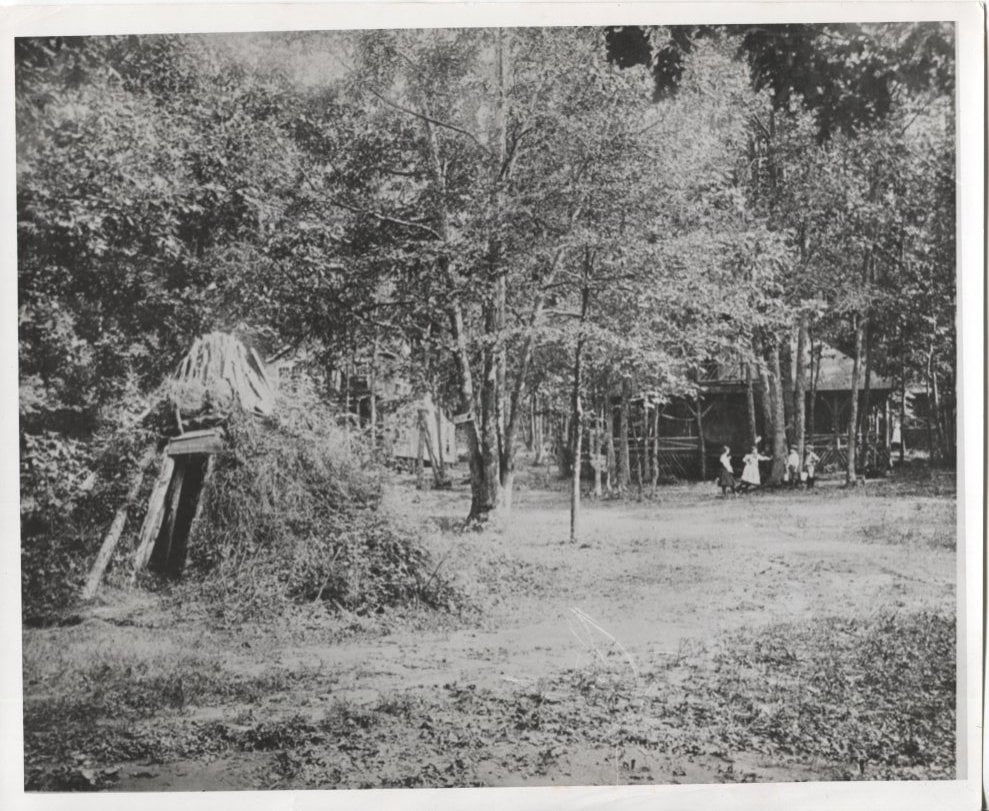
Except for a single mention of a meeting with a caterer about supplies and rates, board minutes provide no information about meals for those coming for a day, a week or the entire 18-day assembly. But the two-story dining hall was reported to be able to serve 264 people at one time, according to the Lancaster Examiner and the Semi-Weekly New Era.
“The food is abundant and good while the service, young girls, is efficient and prompt,” the story continued. To eat in the dining hall cost 30 cents for a single meal or $1 a day. A meal pass for the entire assembly was $13.
That paper also noted the existence of public kitchens, available apparently to anyone preferring to cook their own meals. Butchers, bakers, grocers, and farmers were contracted to deliver fresh meats, bread, groceries, and produce, according to the Lebanon Daily News.
At the start of July, some structures were complete — notably a two-story, 30′ by 40′ lecture hall and classroom outfitted with 30 microscopes — while others still under construction, according to the Lebanon Daily News.
Twenty-four hours before the opening event, trainloads of mattresses, chairs, tables, cots, and pillows were unloaded, taken to the Chautauqua grounds and distributed to cottages and the other buildings. Carpenters were “completing the seats in the auditorium, erecting ticket offices and entrance gates,” according to the July 12 Lebanon Daily News.
As the last nails were being driven into the auditorium, board members, instructors and guests began arriving.
The first assembly
The Pennsylvania Chautauqua’s inaugural Summer School kicked off with band concerts and speeches by state dignitaries and well-known speakers on Wednesday, July 13.
Max Hark, a Lancaster minister who served as chancellor, formally opened the assembly with prayers and an address steeped in the mission of what he called “the mother Chautauqua” in New York. A Christian institution, the Chautauqua seeks to light a flame in all for learning, knowledge and wisdom, he told those gathered, according to the Lancaster New Era.
Attending the assembly was no idyllic vacation in the woods. With the exception of Sundays, every day began with morning devotions followed by two hours of instruction. Classes included Hebrew, Greek, English Old Testament and English New Testament, sacred and secular literature, botany, zoology, German, theory of music, painting and drawing, to name a few. Some classes had beginner and advanced levels.
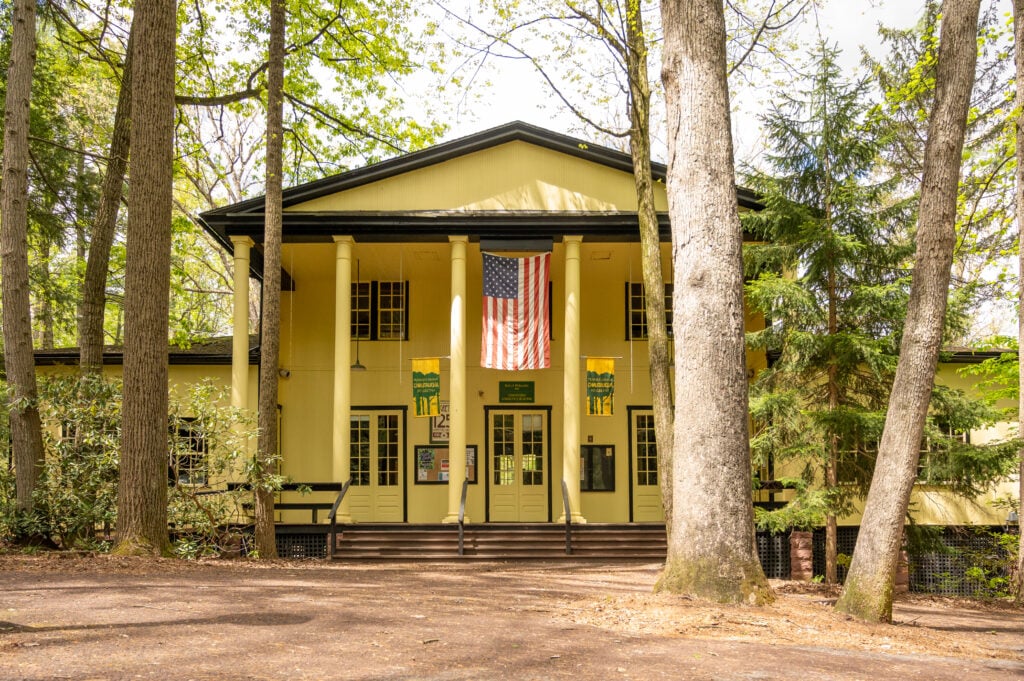
After the noontime meal, there were two more hours of instruction. Evenings were devoted to lectures, worship services, and inspirational entertainment.
“Free time” was frowned upon and seen as an opportunity to indulge in activities — cardplaying, drinking — counter to the moral improvement and study habits that Chautauqua sought to develop.
But lawn tennis courts and croquet were available, and at least one day was devoted to track-and-field events. Among these were pole vault, 100-yard dash, one-mile race, shot put, and hammer throw. Medals and prizes were awarded to winners, according to newspapers.
Thematic days also were organized. July 13 was University Extension Day with college presidents and professors as featured speakers. Grand Army Day was next, then Indian Day, Pennsylvania German Day, Recognition Day, and Forest Day.
The first assembly closed as it had begun — with musical performances and a worship service.
Newspapers declared the Summer School an “unprecedented success,” noting that speakers and instructors for the 1893 assembly were already booked and all existing cottages rented. More than 50 lots were sold for new ones.
Plans also were made to expand the gathering to a full month in the following year and to establish “a collegiate department” to facilitate ongoing instruction between faculty and students between annual assemblies.
Attendance for the entire assembly was put at 8,798, according to the treasurer’s report, dated Sept. 27, 1892. Despite that showing, the Chautauqua finished its first year in the red. The total cost of buildings and improvements and expenses to run the 18-day assembly was $17,623, according to the treasurer’s report.
Almost 70% of that went for construction of the various buildings with the price tag for the auditorium alone, $2,147.06. Also included was $1,730.36 for furnishings for the cottages.
The biggest dollar amount in assembly expenses was $1,952.85 for the line item “meal fund” with no explanation. Employees were paid $683.27. A report from the executive committee dated Sept. 5, 1892, listed gate keepers, ticket sellers, policemen, meal clerks, and grounds crew as employees as well as wash and laundry women who were paid slightly more than $100 for their work during the assembly..
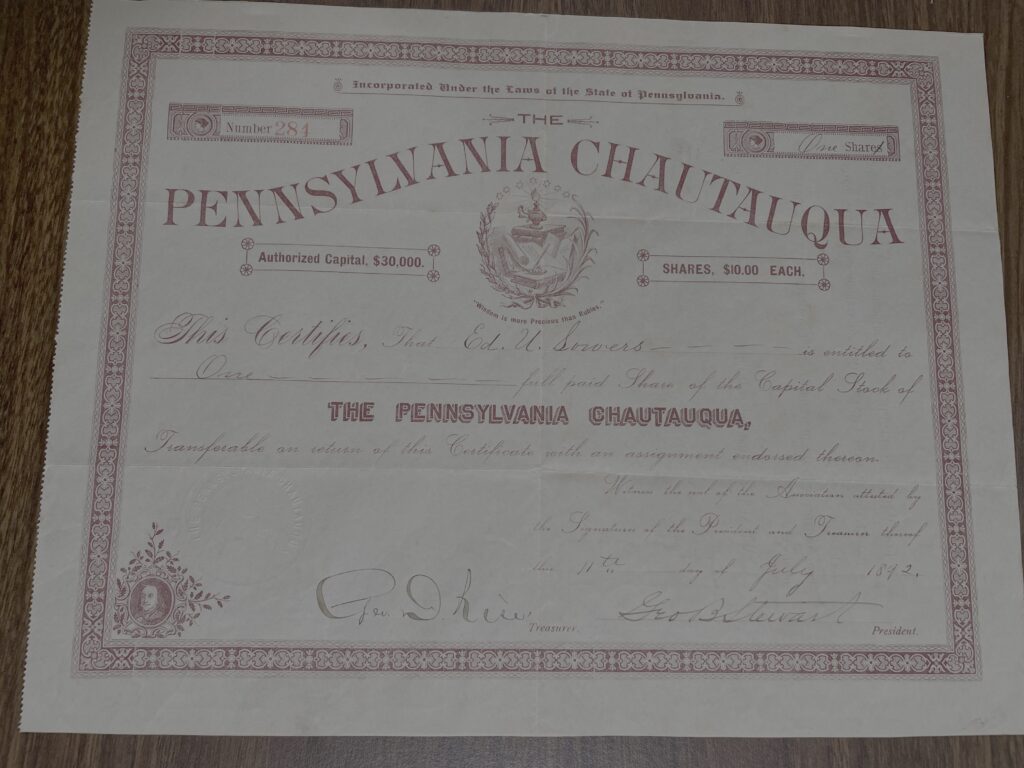
At the outset, the board had hoped to raise $30,000 from sales of stock — 3,000 subscribers each paying $10 — but sales were sluggish. According to the treasurer’s report, there were 345 stockholders by Sept. 5, 299 of whom had purchased only one share each. Some stockholders owned as many as five shares and one owned 10 shares.
The board was forced to borrow $7,500 to balance the books.
Past to present to future
In the years since its founding, the Pennsylvania Chautauqua has integrated new technologies, conveniences and amenities without losing its historical character.
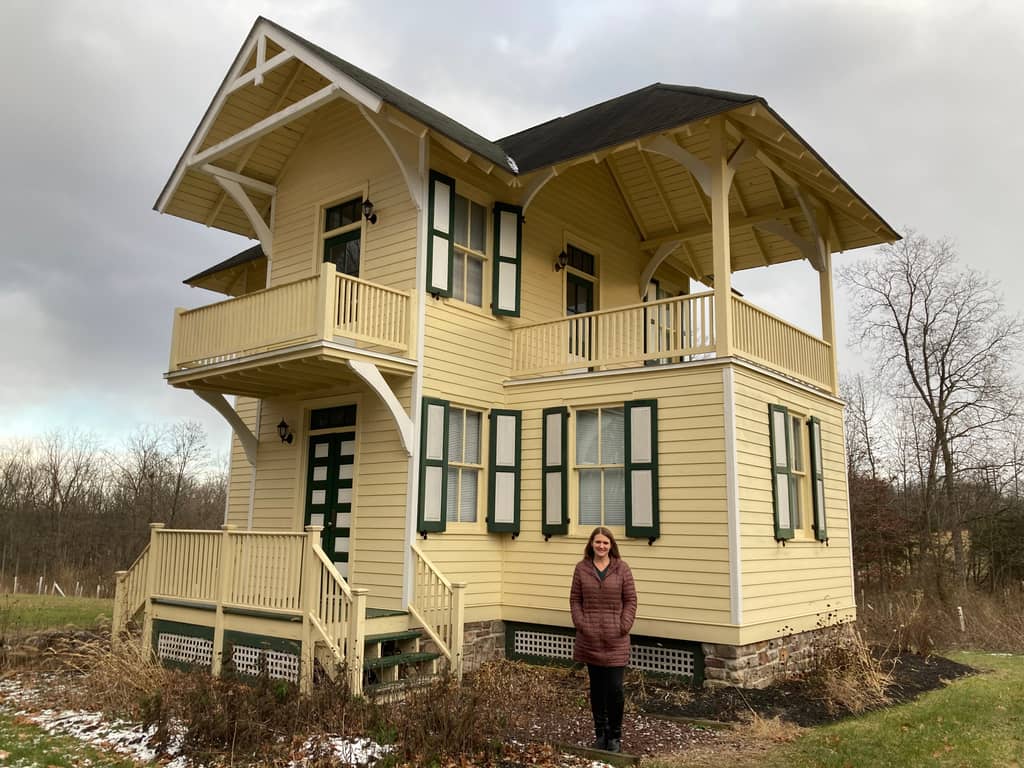
Perhaps the best evidence of that can be seen in its newest business — the Mount Gretna Coffee Cottage that opened in May. A 21st-century fixture in almost every community, the coffee shop is housed in a replica of a Greek temple built in 1902.

Adaptation also is evident in what today is called “Summer Programs,” the 21st-century offspring of the original “Assembly.” Like its forebear, the programs share a mission of education and learning as it offers a slate of talks by professors, well-known scholars, artists and musicians from Memorial Day through Labor Day.
Sprinkled throughout are more contemporary events that would confound early visitors and students: pilates and yoga, films, and a history ‘slam’.
The blend of here and now, past and present almost creates a sort of timelessness.
The Lancaster New Era’s declaration on July 29, 1892, holds true for today: “The Pennsylvania Chautauqua has made so noble a record in the first year of its existence, that we anticipate even far greater things for it in the future.”
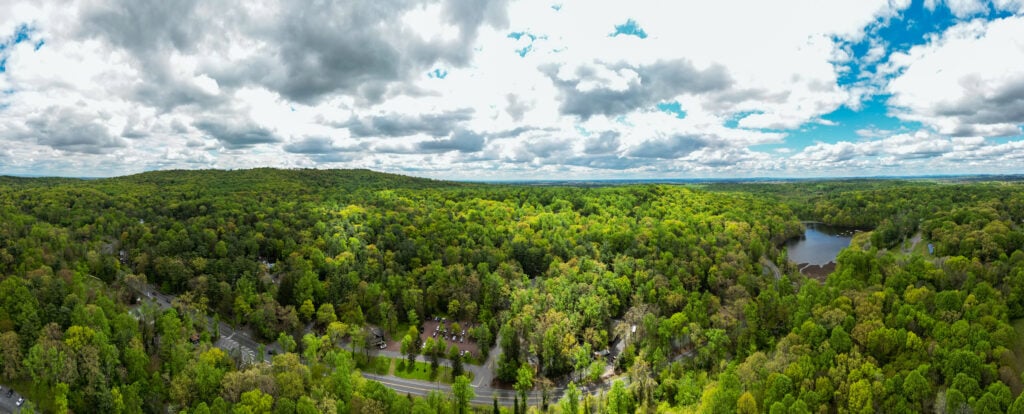
Read More:
- When Robert Coleman’s two-foot railway snaked through the hills of Mount Gretna
- How Mount Gretna went from a ‘howling wilderness’ to a ‘paradise for visitors’
- Mt. Gretna’s role as home to PA National Guard lives on thru historic Range House
- History of the Mount Gretna Roller Rink: From livestock to dancing to skates
- Before the Pennsylvania Farm Show, there was the Mt. Gretna Farmers’ Encampment
- Reminders of Mt. Gretna’s past as home to PANG are still visible to those who look
- Pennsylvania’s 133-year-old Chautauqua brings the movement’s ‘four pillars’
- [Photo Story] A look at the historic cottages of Mt. Gretna
- Who knew? Robert H. Coleman, Florida Man (Part 1)
- 1916 map of Mt. Gretna reveals amusements from another era
![[Photo Story] A look at the historic cottages of Mt. Gretna](https://images.lebtown.com/cdn-cgi/image/width=1024,slow-connection-quality=50,quality=70,format=auto/uploads/2020/07/DSC_2011.jpg)
Questions about this story? Suggestions for a future LebTown article? Reach our newsroom using this contact form and we’ll do our best to get back to you.

Join our community of local news champions.
Cancel anytime.
Monthly Subscription
🌟 Annual Subscription
- Still no paywall!
- Fewer ads
- Exclusive events and emails
- All monthly benefits
- Most popular option
- Make a bigger impact
Already a member? Log in here to hide these messages
An informed community is a stronger community. LebTown covers the local government meetings, breaking news, and community stories that shape Lebanon County’s future. Help us expand our coverage by becoming a monthly or annual member, or support our work with a one-time contribution. Cancel anytime.