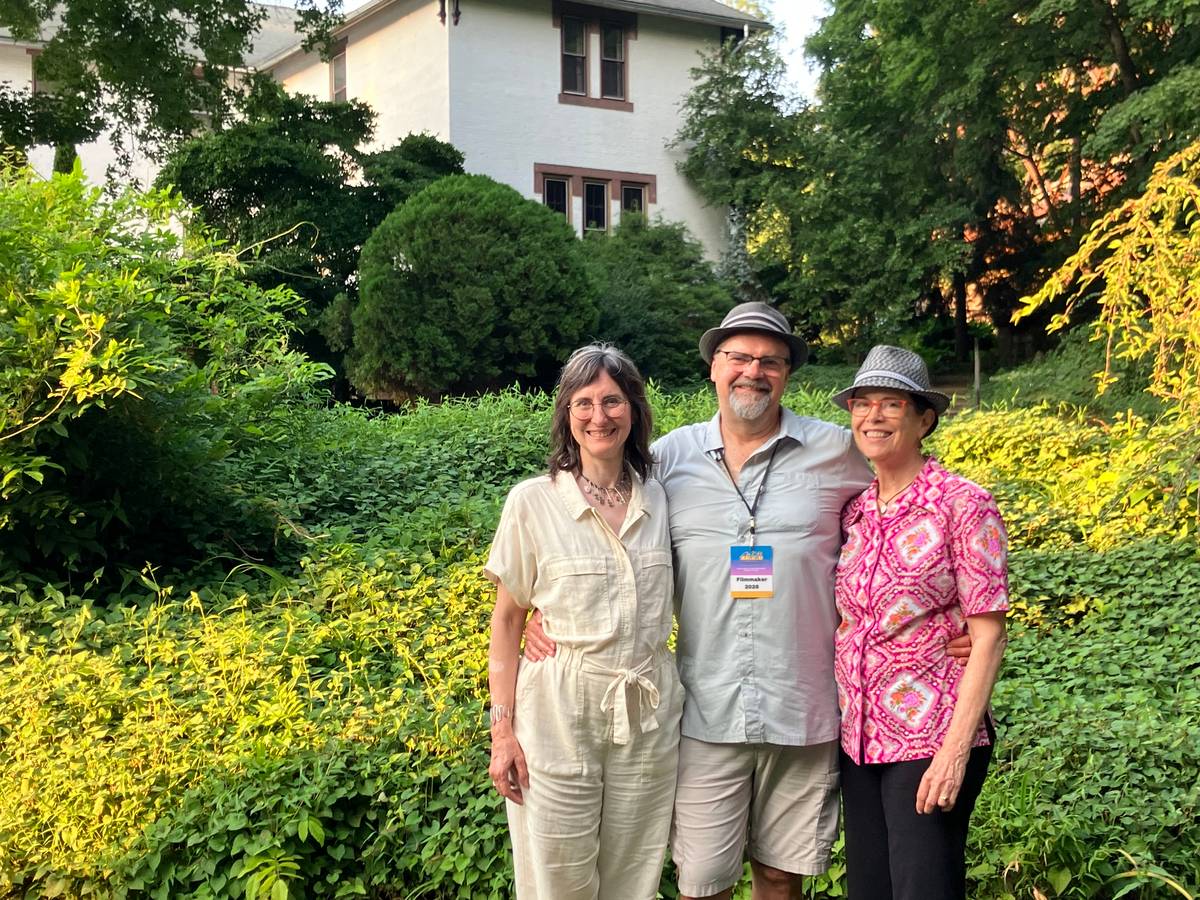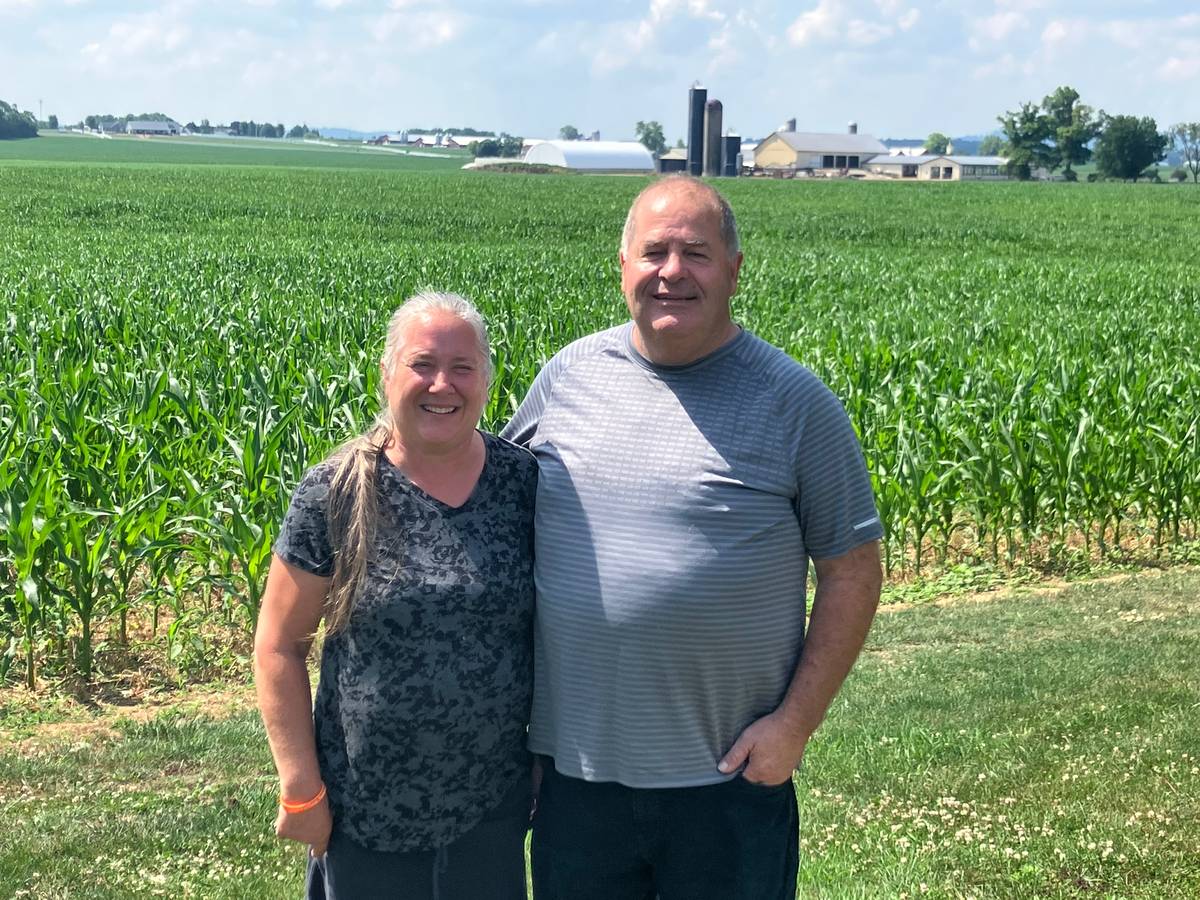
John and Sharon Kline were motivated by a clear vision for preserving several farms in eastern Lebanon County a few years ago.
“We had somewhat of a family goal that we’re gonna grow this operation and work as a family unit in some family business,” said John.
John and Sharon recently received the Lebanon County Conservation District’s Farmland Preservation Excellence Award for 2026 for preserving over 400 acres of land on several farms in Myerstown and Schaefferstown.
The award was presented to them during the Lebanon County Conservation District’s inaugural conservation and preservation banquet in February.
Over the past five months, LebTown has profiled various award recipients who were honored at the banquet, which was held before a capacity crowd in one of the halls at the Lebanon County Expo Center & Fairgrounds.
Hannah Hartman, district manager for the conservation district, said the excellence award honors a landowner or farm family whose dedication to preserving farmland reflects a deep commitment to stewardship, ensuring that Lebanon County’s agricultural landscape remains protected and productive for generations to come.
“John and Sharon Kline exemplify farmland preservation through both long-term stewardship and a deep commitment to the next generation of agriculture,” Hartman said. “Over the years, John has permanently preserved three farms, all of which are now owned or operated by his sons, ensuring that family farming continues to thrive in Lebanon County.”
The Klines have been active off the farm, too.
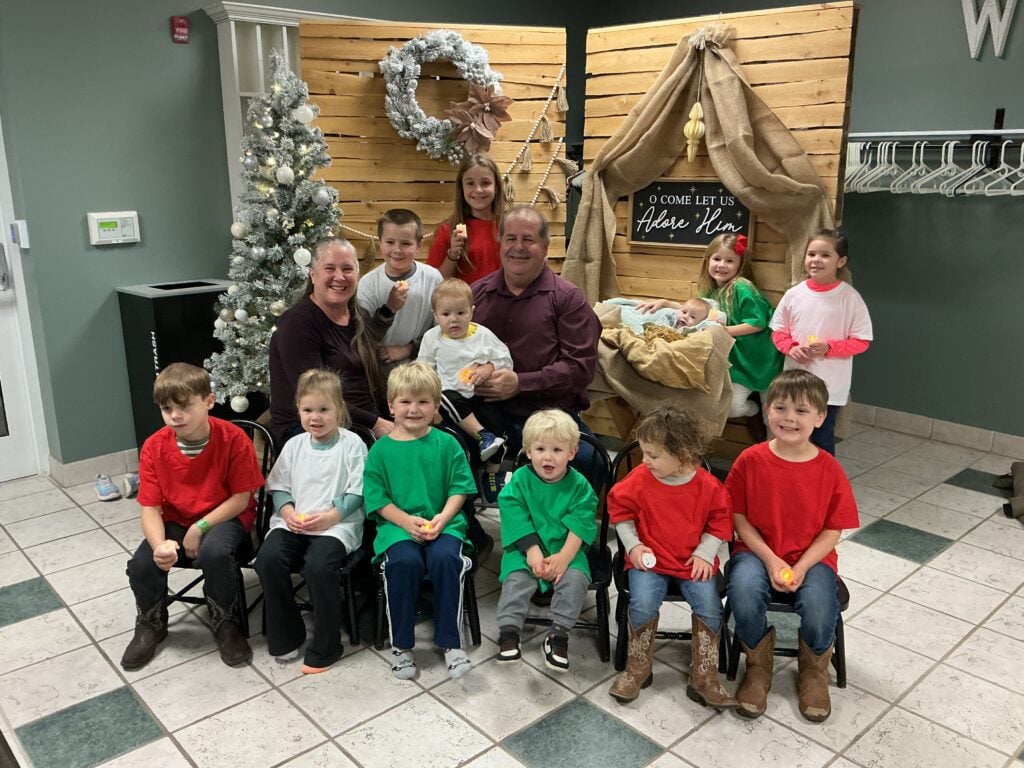
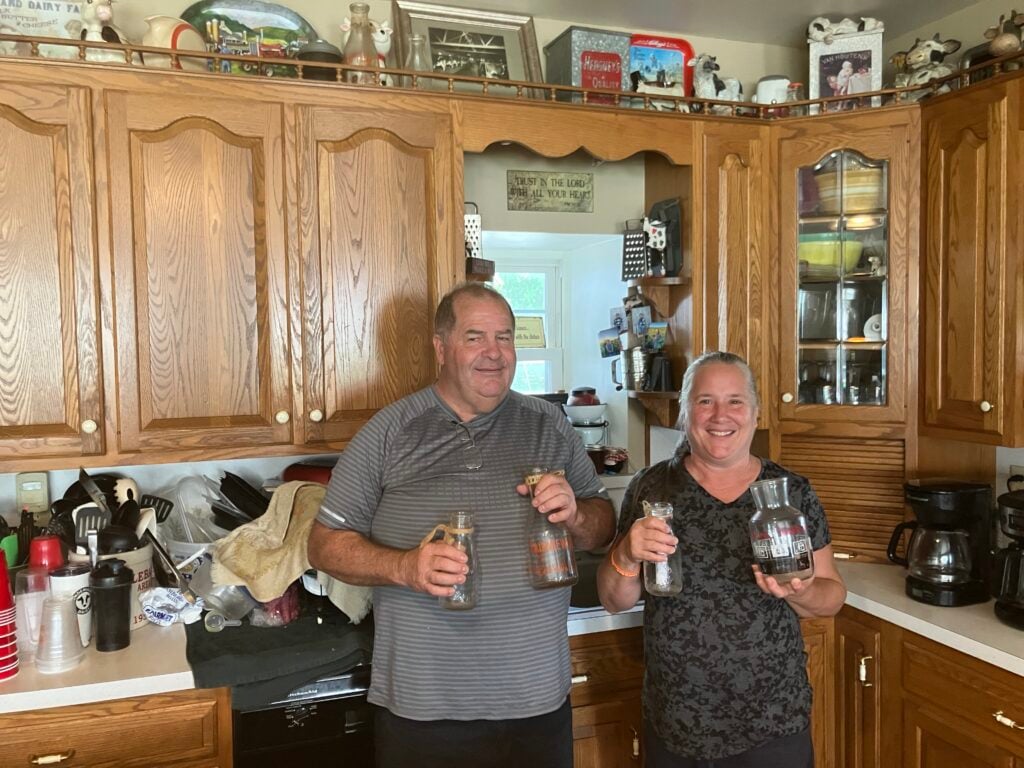
John serves as a board member with Dairy Farmers of America, the cooperative that buys and distributes milk locally through Swiss Premium Dairy in Lebanon as well as others across the United States. John and Sharon were involved in a youth ministry for 30 years before recently retiring.
“The Klines have consistently demonstrated responsible care of the land by implementing numerous conservation practices that improve soil health, protect water quality, and preserve natural resources,” said Hartman. “John and Sharon have also opened their farm as a place of learning and mentorship, using agriculture as a tool to educate youth and instill an appreciation for farming, responsibility, and land stewardship.”
While their goal is to keep their children on the farm working the land, the financial dynamics of modern agriculture made that difficult to accomplish without several of their sons having to work second jobs.
“What we realized a number of years ago was that, well, three of our sons had gone and got jobs ’cause the finances in dairy just weren’t there,” said John.
The skyrocketing cost of land and the realization that an 800-cow dairy operation wasn’t a viable option led John and Sharon to seek a succession plan. Having the plan helped achieve their ultimate goal to keep their sons and their families working the farms – even if three of the boys work full-time jobs while also running a dairy operation together.
“Land values, even where they were 10 years ago, are impossible now, and they’ve doubled or went up three times again,” said John, who added they hired a consultant to help create the succession plan.
John said the consultant was compensated through funding provided by the state Department of Agriculture through its Farm Vitality Grant Program. The funding is designed to ensure a preserved farm remains in the family who conserved their land.
“We were eligible to get some professional assistants to talk about transitioning,” John said. “While we have preserved a lot of land, how do we preserve not just the farm, but the farmer? It has to be transferred to the next generation. So that helped us to get help, and have conversations that we really needed to have.”
John noted the first step was to sell Klinedell Farms to his eldest son Jason and his wife Megan, and the farm on which Sharon and he live to the other three sons. Sons Joshua, Jesse, and Jacob have a 30% stake each in Diamond Valley Dairy LLC, while Sharon and John maintain a 10% interest.
“The reason we held 10% was just because we’re engaged and involved, but also it fully keeps me legitimate on the dairy farmers’ co-op board,” said John, who helps with planting and spraying while Sharon continues to help milk cows on Diamond Valley. “It still would have been fine because I own the real estate and we’re heavily involved, but it just worked better this way.”
The two adjacent farms comprise about 400 preserved acres. Additional land on another preserved farm owned by John’s brother David Kline and his wife Almira Kline near Schaefferstown is leased by one of John’s and Sharon’s sons. The crops grown on all three properties are used to feed the family’s Holstein and Jersey dairy herds.
The Kline’s combined land is 2% of all that’s been preserved in Lebanon County’s farmland preservation program since the statewide initiative began 33 years ago.
Read More: (Oct. 2025) Pa. & Lebanon Co. officials celebrate being top farmland preservation state
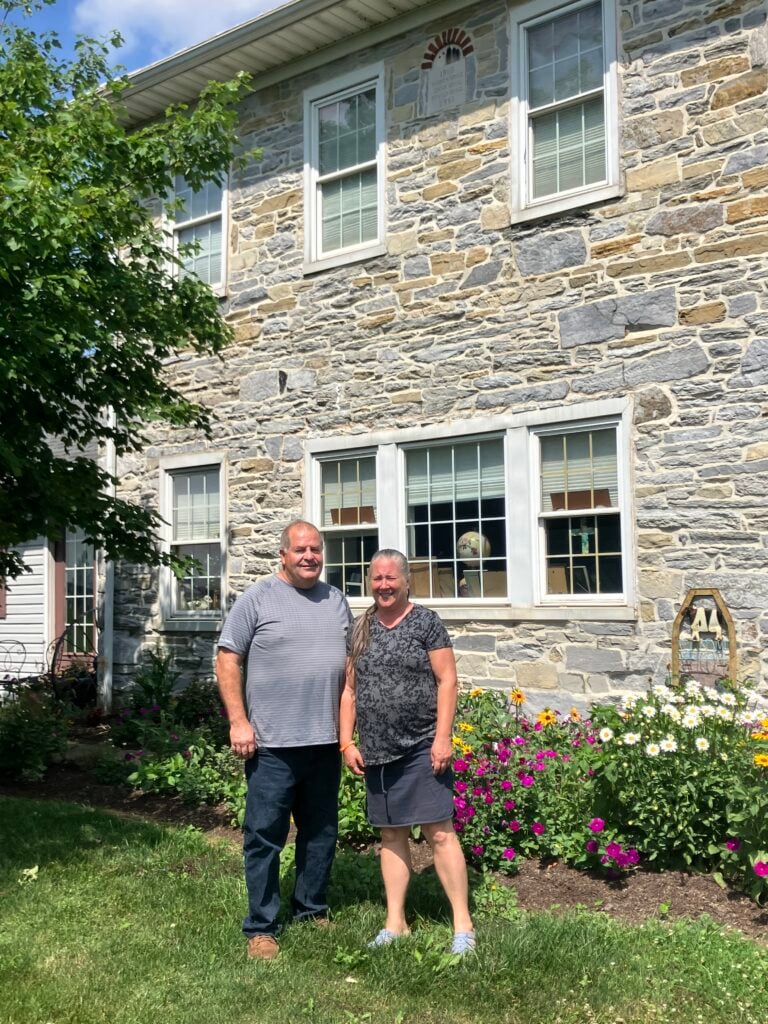
“We have five sons and we’ve seen their interests, their engagement in farming. We didn’t feel like it hurt us at all to preserve it. It only helped. It certainly helped us financially,” John said. “When the finances are tight, you look for ways (to improve), but we also know our kids want to farm. So it was a good move for us and our family.”
John and Sharon have been farmers since high school graduation.
“When I graduated in ’81, that summer we completed the dairy (at Klinedell) and I started milking right out of high school,” John said. “And then we got married in ’85 and at some point there, I think in ’85, we leased from my dad and then he gave us a lease purchase agreement, same with my brother over at the (Schaefferstown-based) home farm, same date. We both got an agreement.”
That agreement included the option for each brother to purchase the respective farms they were operating.
“In ’87, we lifted the option to purchase. And then instead of making a lease payment to dad, we made a mortgage payment to dad. That’s how we did it. So that’s how we obtained that farm (Klinedell) at a fairly young age,” John added.
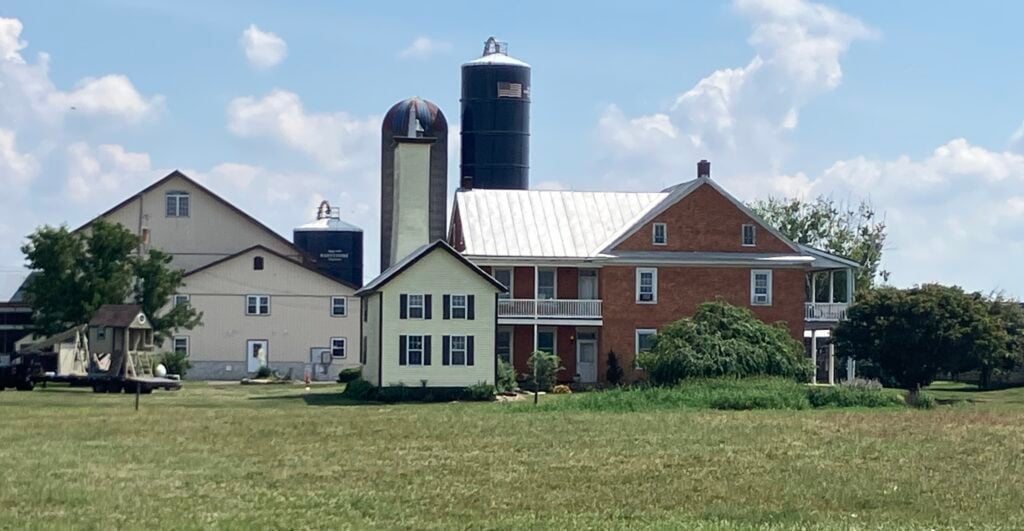
John and Sharon later purchased the Krall Farm, built in 1810, from Warren, Jennie, and Ronald Krall, and they live in one of two homes on the property in the 200 block of Krall Road.
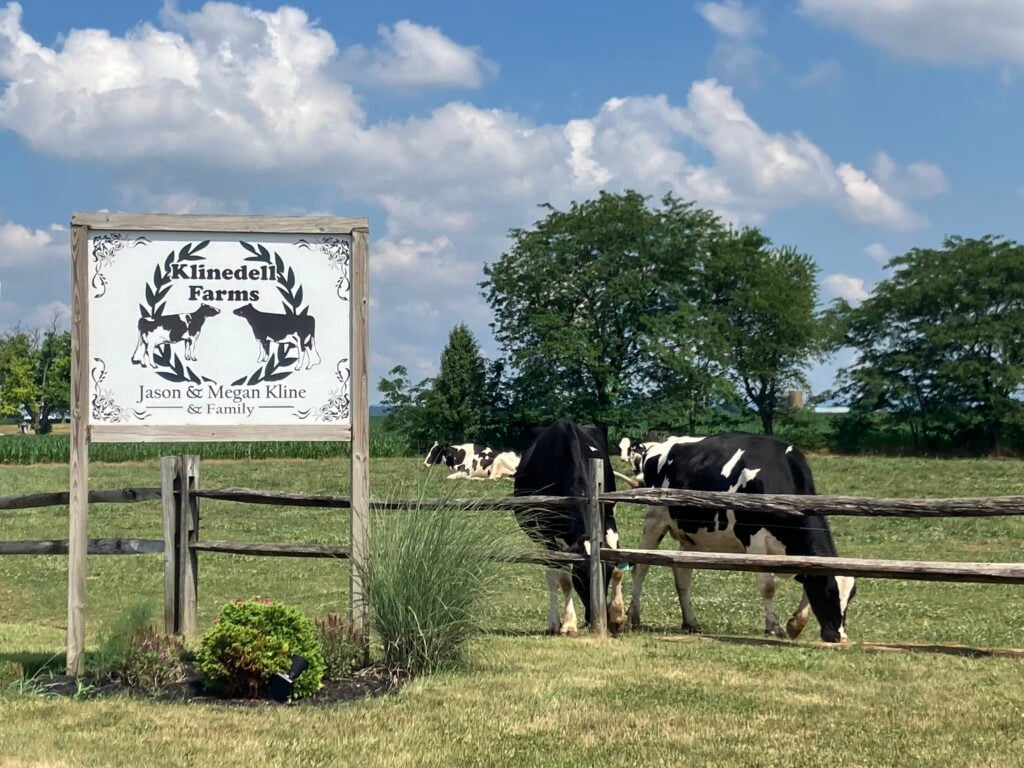
John said he’s a big fan of farm succession plans and the state’s grant program.
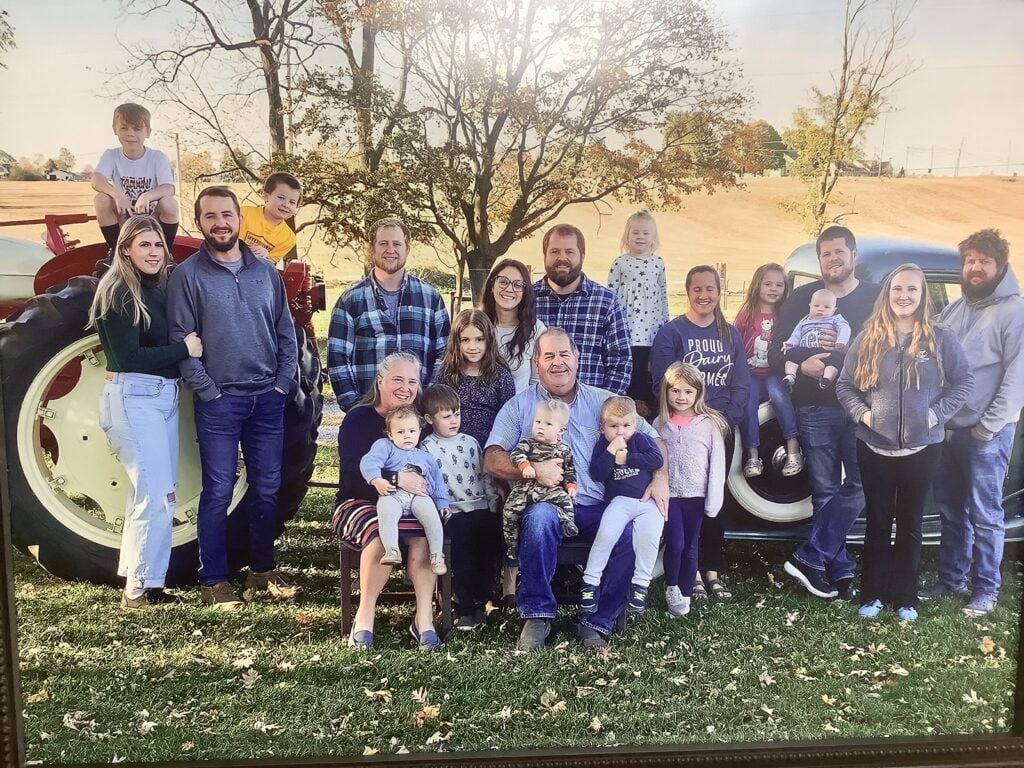
For the Klines, it has kept the family close to home and their children continue to have a hand in farming while the grandchildren are learning about agriculture through the county’s 4-H program. The Klines will have 16 grandchildren by the end of 2026 and all their sons live within a 3-mile radius of Krall Road, according to John.
Given the many financial struggles that come with running a farm, LebTown asked why not sell the land given its high financial value instead of putting it into the farmland preservation program.
“We’re blessed to be able to get up every day and feed the world, feed our family, raise our family, see our grandchildren,” John said. “It’s an extreme joy for us to see our grandchildren interested in agriculture. There isn’t a check for any of this land that would make up for what we have. And what would that do for us? Allow us to go to our graves with a big pot of money.”
Questions about this story? Suggestions for a future LebTown article? Reach our newsroom using this contact form and we’ll do our best to get back to you.

Join our community of local news champions.
Cancel anytime.
Monthly Subscription
🌟 Annual Subscription
- Still no paywall!
- Fewer ads
- Exclusive events and emails
- All monthly benefits
- Most popular option
- Make a bigger impact
Already a member? Log in here to hide these messages
Local news is a public good—like roads, parks, or schools, it benefits everyone. LebTown keeps Lebanon County informed, connected, and ready to participate. Support this community resource with a monthly or annual membership, or make a one-time contribution. Cancel anytime.